An insect-scale artificial visual-olfactory bionic compound eye
Jiachuang Wang, Shuai Wei, Nan Qin, Tiger H. Tao

TL;DR
Researchers created a tiny insect-scale compound eye that can see and smell, useful for robot navigation and monitoring.
Contribution
A bionic compound eye with integrated visual and olfactory sensing at insect-scale is demonstrated.
Findings
The compound eye has 1027 ommatidia on a 1.5×1.5 mm² surface and provides a wide field-of-view.
It enables high sensitivity to moving objects and rapid response to environmental gases.
The system can be used for obstacle avoidance and monitoring moving targets.
Abstract
Compound eyes feature unique optical structures and high-efficiency image processing. The opto-olfactory nervous system of Drosophila has the characteristics of lightweight and low power consumption. Significant efforts have been dedicated to the design and manufacturing of artificial compound eye system. However, it is still challenging to construct a bionic visual-olfactory compound eye microsystem with sensitive photoelectric response and accurate olfactory perception in insect-scale, mimicking the biological multimodal fusion decision-making mechanism. Here, we report a miniature apposition compound eye that integrates 1027 ommatidia on 1.5×1.5 mm2 by manufacturing a bionic micro-lens array onto flexible photodetectors via femtosecond laser two-photon polymerization, further construct the colorimetric olfactory sensor array through inkjet printing to achieve integrated perception of…
Genes, proteins, chemicals, diseases, species, mutations and cell lines named across the full text — each resolved to its canonical identifier and authoritative record.
Click any figure to enlarge with its caption.
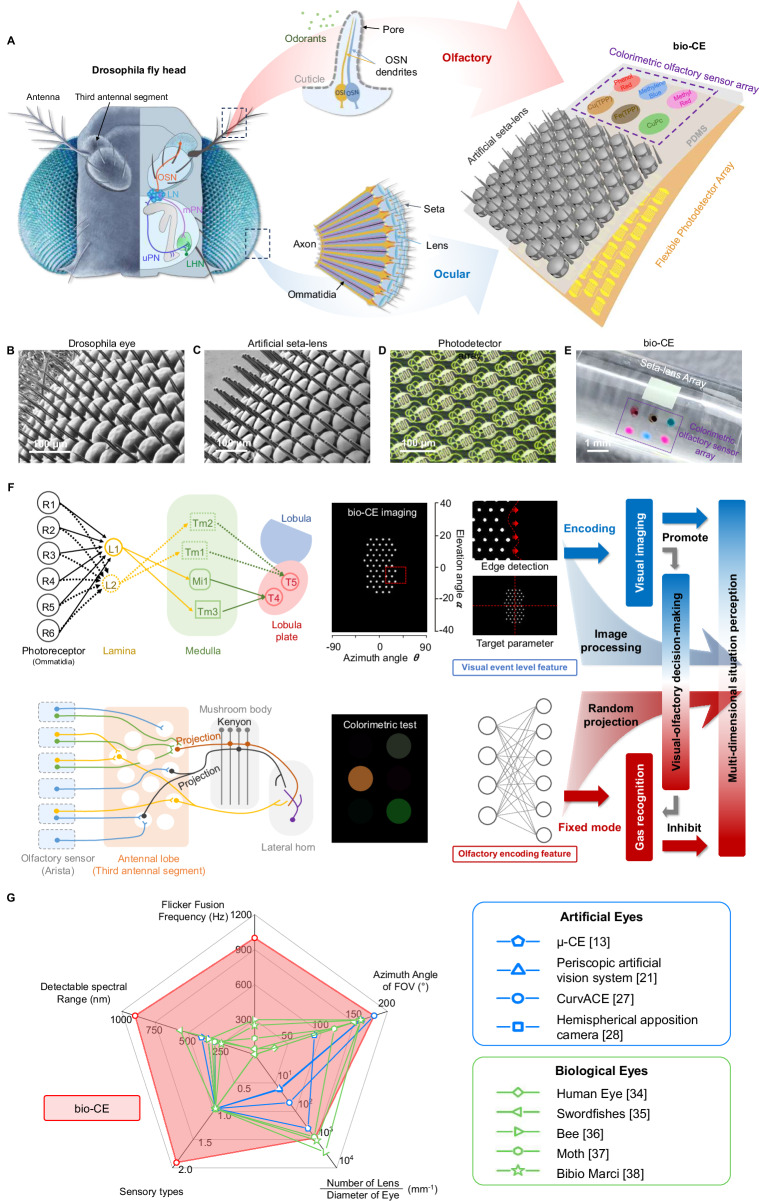 Figure 1
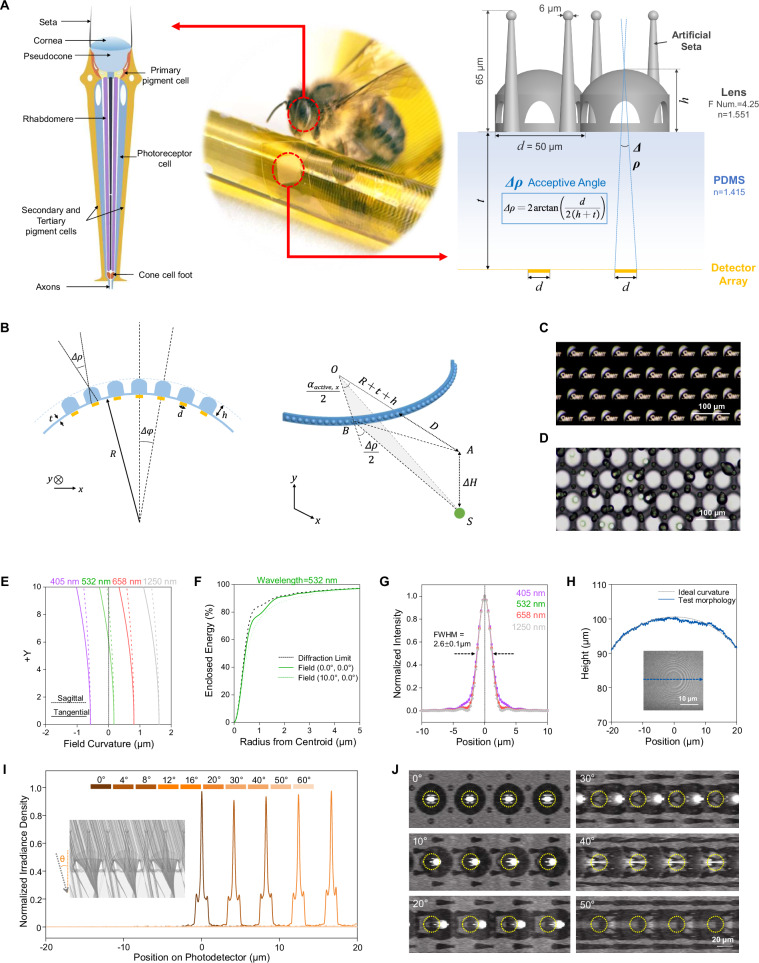 Figure 2
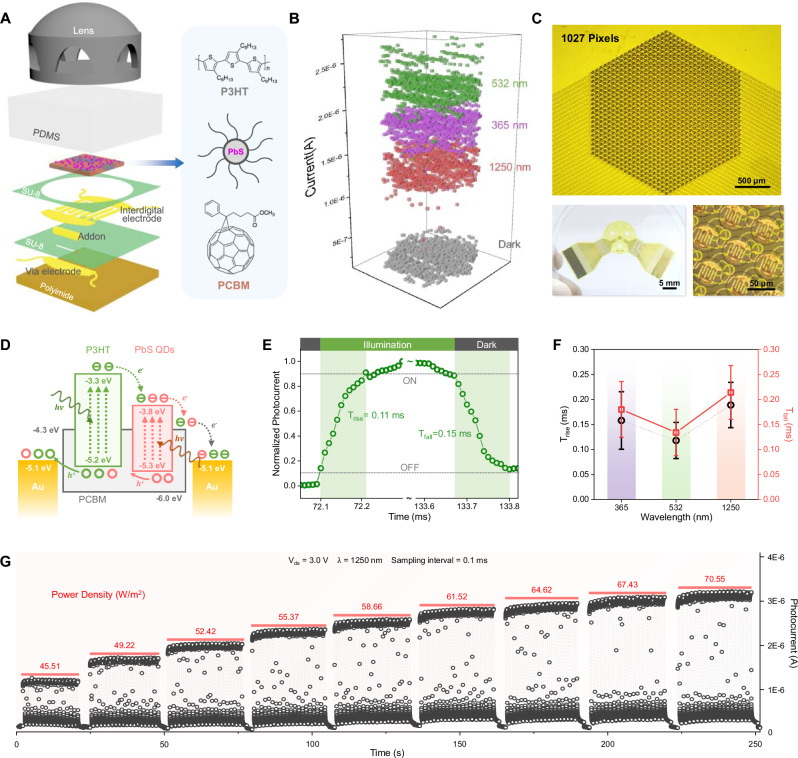 Figure 3
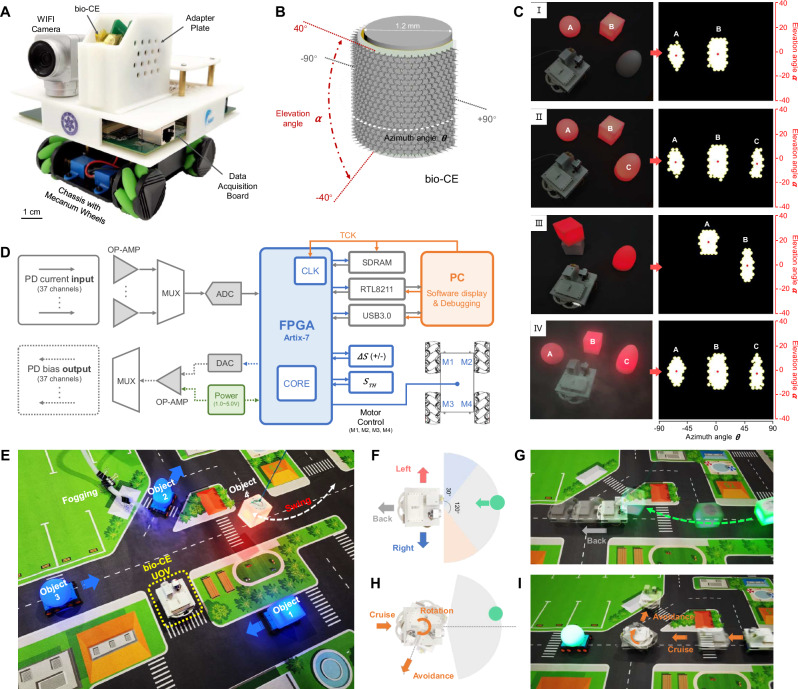 Figure 4
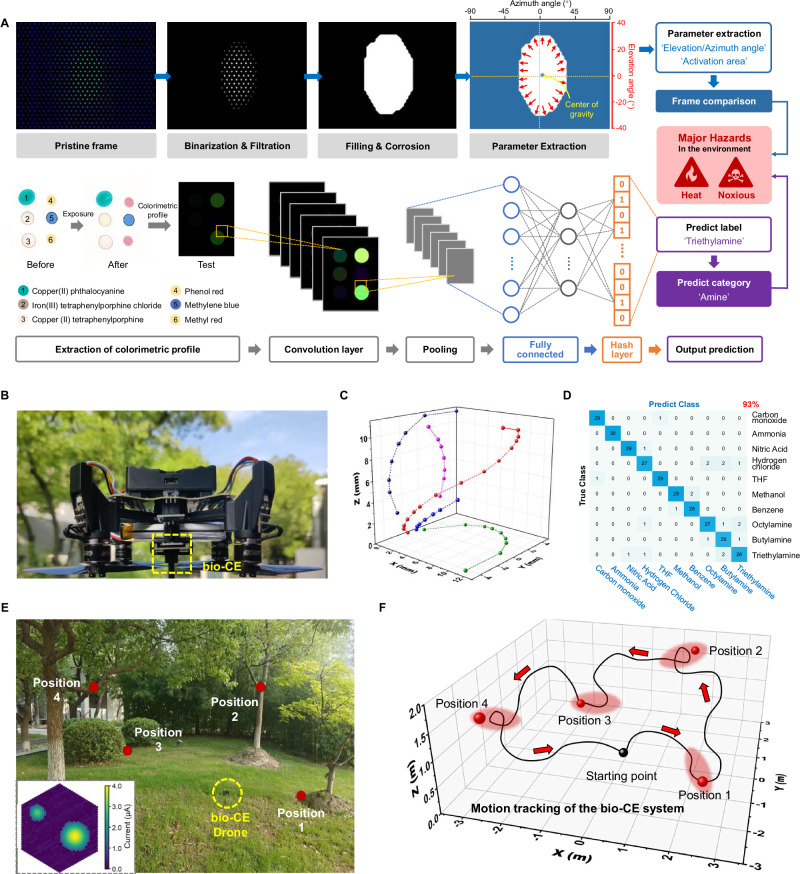 Figure 5
Peer Reviews
No public reviews on file for this paper yet. If you reviewed it on a platform where reviews are public (OpenReview, ICLR, NeurIPS, ICML), you can paste yours below so the community can read it here.
Videos
No videos yet. Explain this paper in a talk, walkthrough, or lecture? Add one.
Taxonomy
TopicsPhotochromic and Fluorescence Chemistry · Neurobiology and Insect Physiology Research · Photonic Crystals and Applications