Stable approach based diagonal recurrent quantum neural networks for identification of nonlinear systems
Hossam Khalil, Osama Elshazly, Omar Shaheen

TL;DR
A new quantum neural network model is developed to better identify complex nonlinear systems with guaranteed stability and improved performance.
Contribution
The novel DRQNN-LS model combines quantum learning with Lyapunov stability for robust nonlinear system identification.
Findings
DRQNN-LS outperforms other models in RMSE, MSE, and FIT metrics on nonlinear systems.
The model demonstrates robustness in chaotic and real-world system modeling.
Lyapunov-based adaptive learning ensures stable convergence and efficient tuning.
Abstract
Identification of nonlinear dynamics from input-output data is crucial in many fields where conventional linear models fail to capture nonlinear dynamics of complex systems. Although recurrent neural network architectures have the potential to deal with these problems, they often face limitations in stability, memory capacity, and convergence efficiency. Recent developments in quantum neural networks (QNNs) offer a promising alternative due to their inherent parallelism and high-dimensional processing power. However, the application of QNNs in dynamic nonlinear modeling is still underexplored, especially with regard to stability-guaranteed learning strategies. To address this gap, a novel Diagonal Recurrent Quantum Neural architecture with Lyapunov Stability (DRQNN-LS) has been developed, which combines the structural simplicity of diagonal recurrent networks harnessing the capabilities…
Genes, proteins, chemicals, diseases, species, mutations and cell lines named across the full text — each resolved to its canonical identifier and authoritative record.
Click any figure to enlarge with its caption.
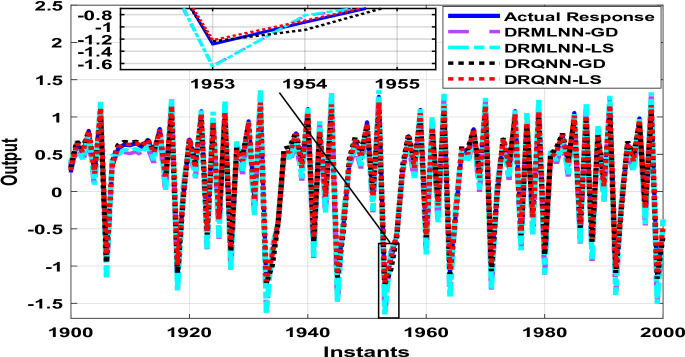 Figure 10
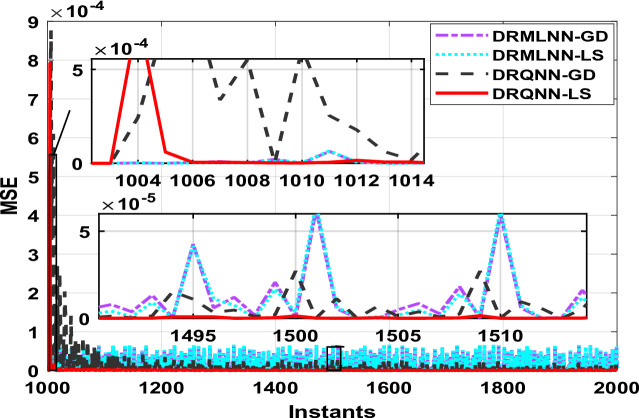 Figure 11
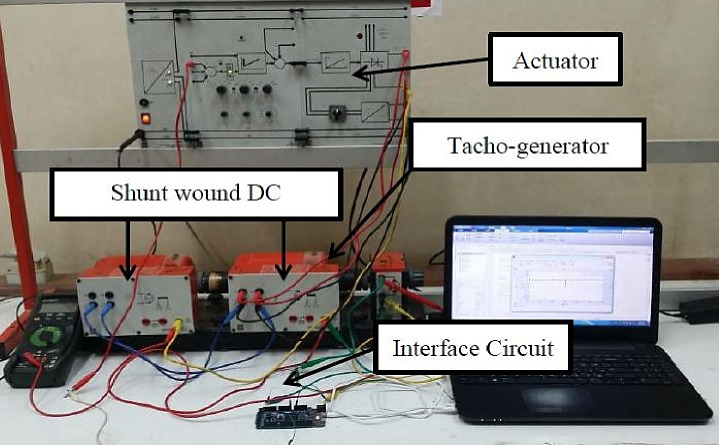 Figure 12
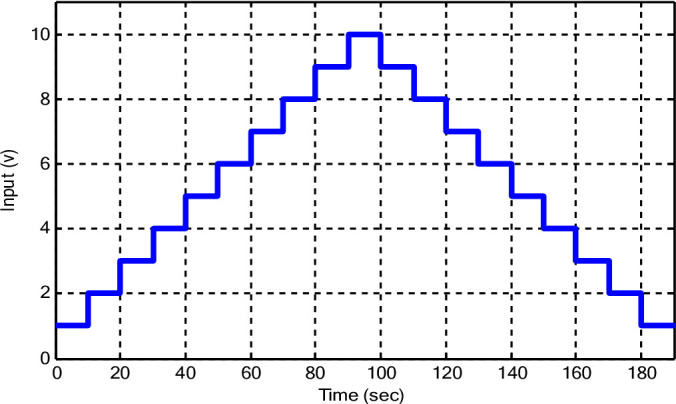 Figure 13
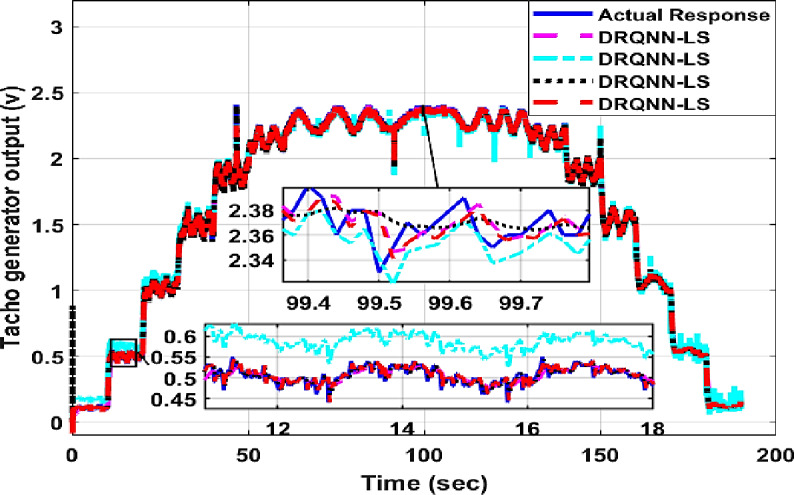 Figure 14
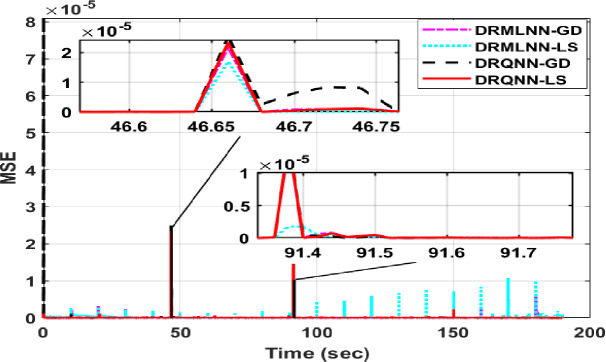 Figure 15
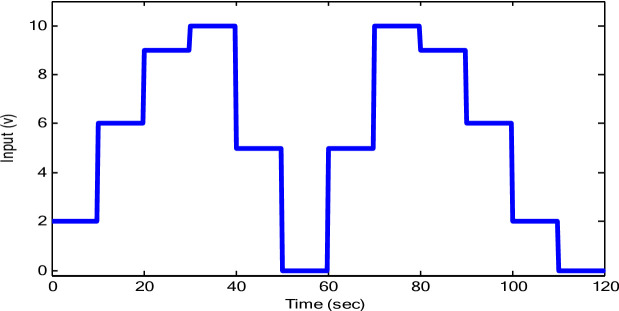 Figure 16
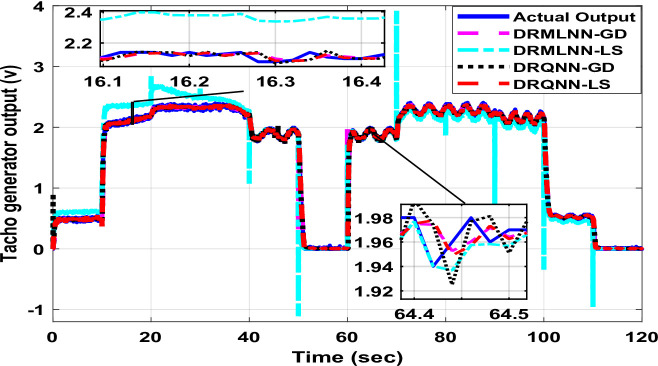 Figure 17
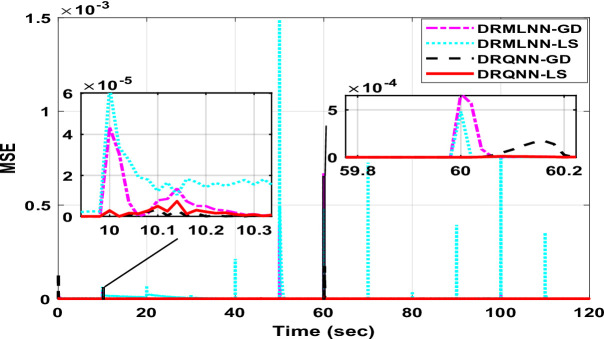 Figure 18
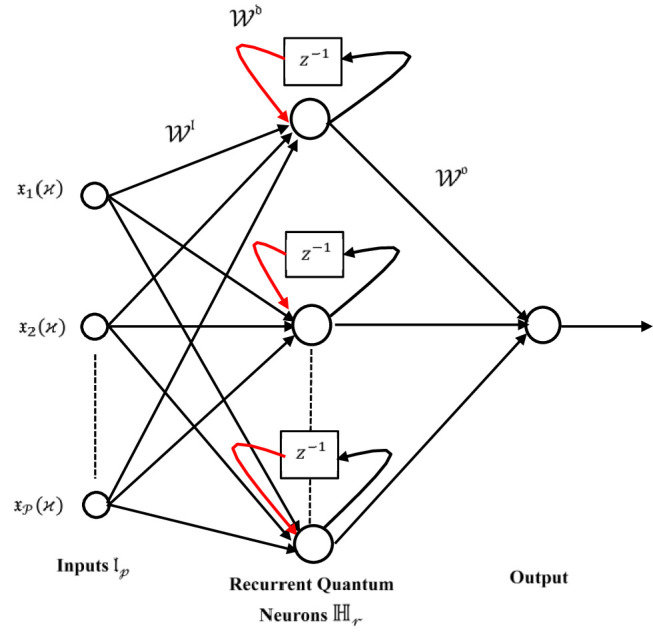 Figure 1
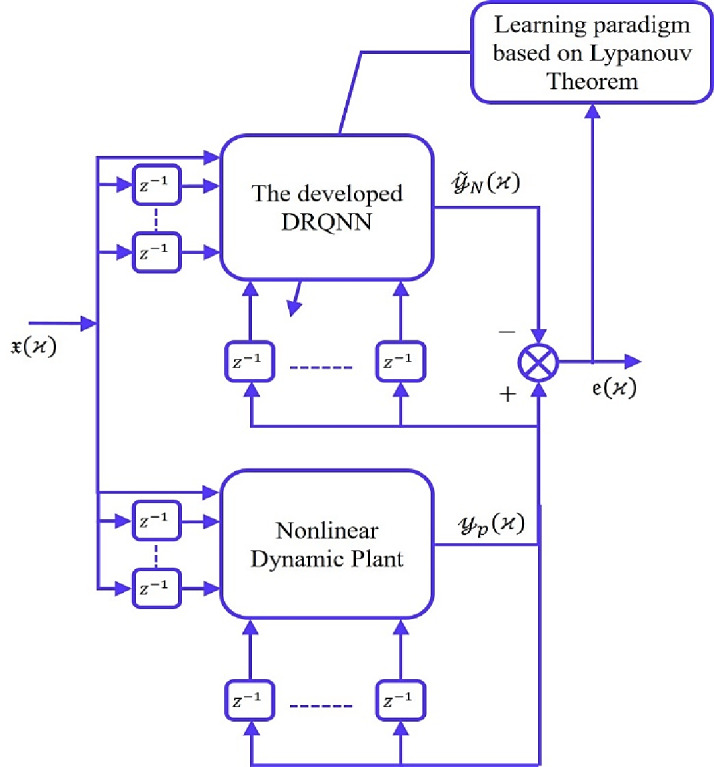 Figure 2
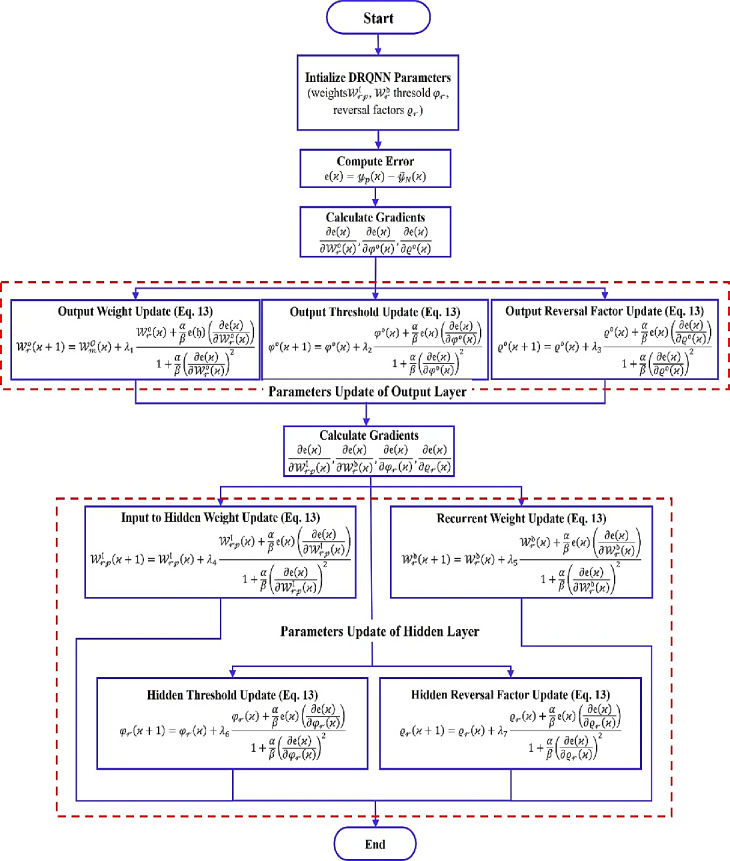 Figure 3
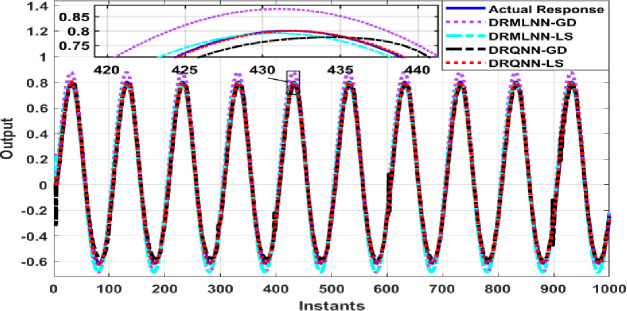 Figure 4
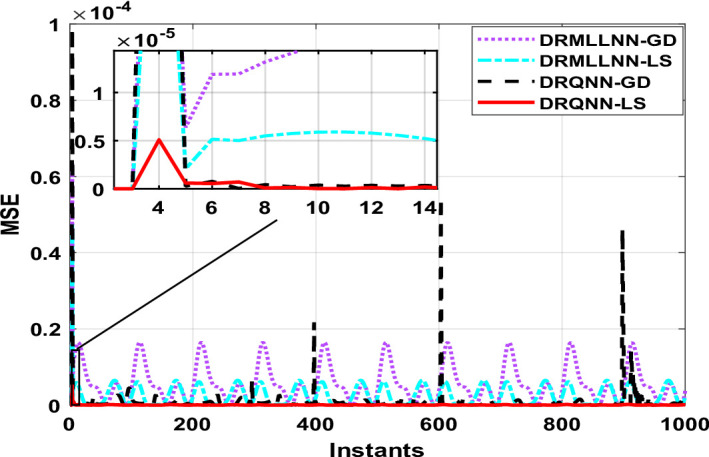 Figure 5
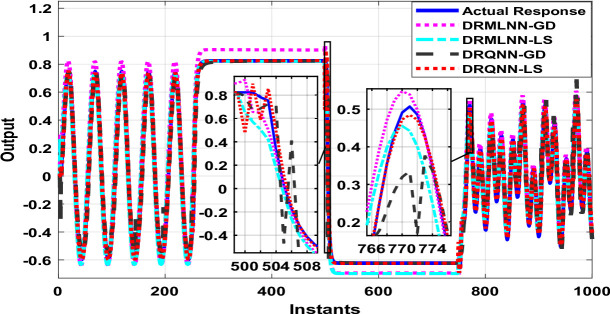 Figure 6
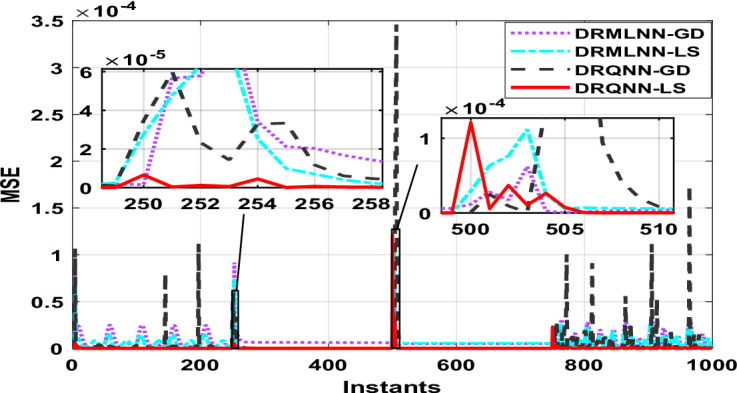 Figure 7
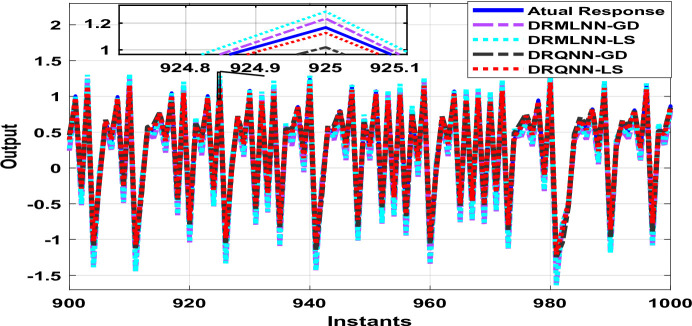 Figure 8
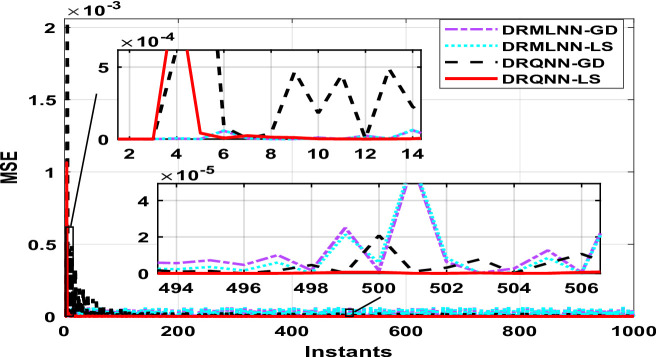 Figure 9
Peer Reviews
No public reviews on file for this paper yet. If you reviewed it on a platform where reviews are public (OpenReview, ICLR, NeurIPS, ICML), you can paste yours below so the community can read it here.
Videos
No videos yet. Explain this paper in a talk, walkthrough, or lecture? Add one.
Taxonomy
TopicsNeural Networks and Reservoir Computing · Neural Networks and Applications · Machine Learning and ELM