The contribution of phenolic endocrine-disrupting chemicals to breast cancer risk: A comprehensive bioinformatics analysis
Yanhong Dou, Xiongxiong Li, Meng Li, Jin Shang, Ting Xu

TL;DR
This study explores how phenolic endocrine disruptors like BPA, NP, and OP may contribute to breast cancer by identifying key genes and pathways involved.
Contribution
The study is the first to identify 156 common targets of BPA, NP, and OP in breast cancer, including key genes like MAOA and MGLL.
Findings
BPA, NP, and OP may induce breast cancer through 156 common targets, including MAOA, MGLL, ADRA2A, RPN2, GF1R, and CTSD.
These chemicals affect GPCR/MAPK/JNK, sphingolipid, and prolactin signaling pathways, altering immune infiltration and metabolic reprogramming.
Molecular docking confirmed strong BPA-MGLL binding with ≥ 3 hydrogen bonds, suggesting a stable interaction.
Abstract
Bisphenol A (BPA), nonylphenol (NP), and octylphenol (OP) are common environmental phenolic endocrine disruptors and widely used industrial chemicals that have garnered significant attention due to their potential to disrupt endocrine functions. These compounds are known to interfere with hormonal activities, particularly those related to estrogen, and are linked to the onset and progression of breast cancer. This study aims to systematically investigate the potential relationship between BPA, NP, and OP and breast cancer risk, along with their underlying molecular mechanisms, by synthesizing data from multiple databases. We initially acquired the chemical structures and SMILES representations of BPA, NP, and OP from the PubChem database. Subsequently, we utilized multiple databases, including the Comparative Toxicogenomics Database (CTD), SEA, and Swiss Target Prediction, t0 estimate…
Genes, proteins, chemicals, diseases, species, mutations and cell lines named across the full text — each resolved to its canonical identifier and authoritative record.
Click any figure to enlarge with its caption.
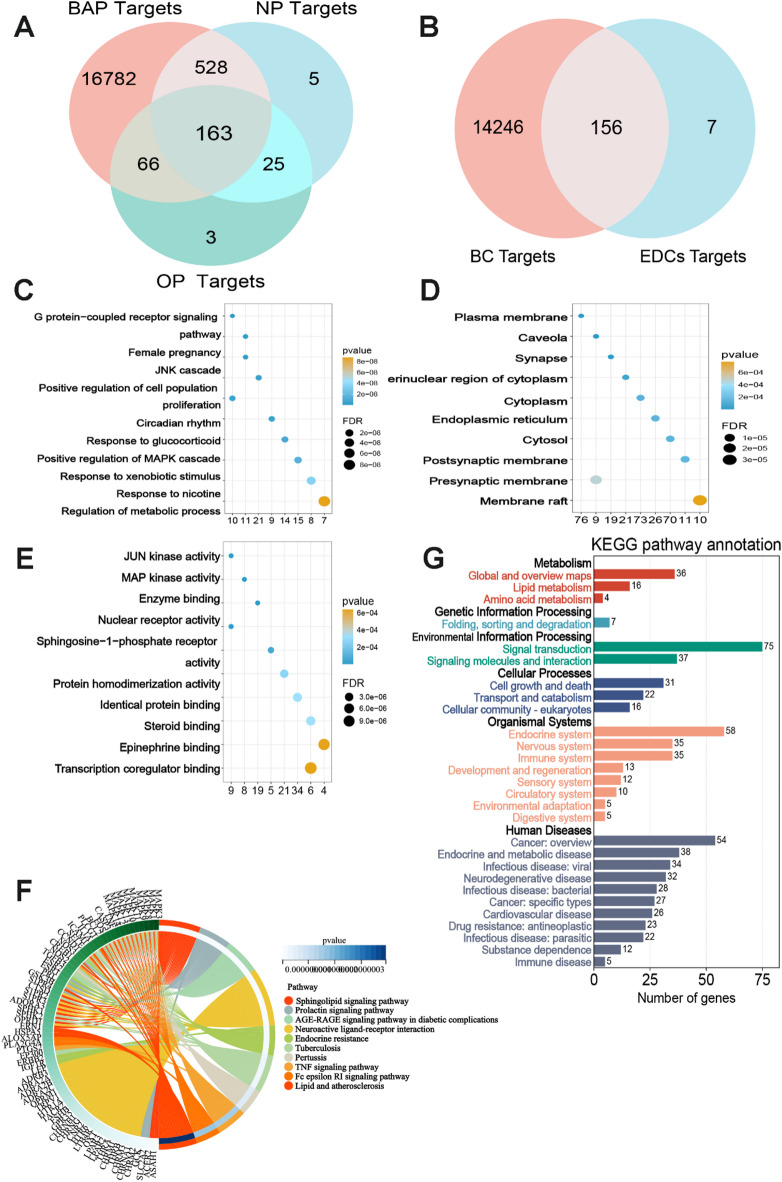 Figure 1
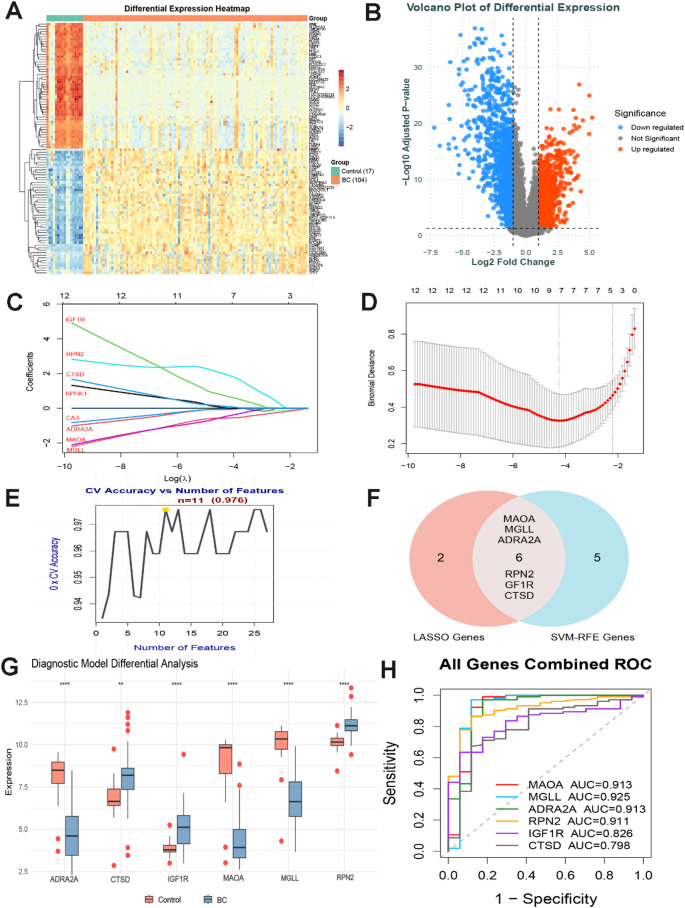 Figure 2
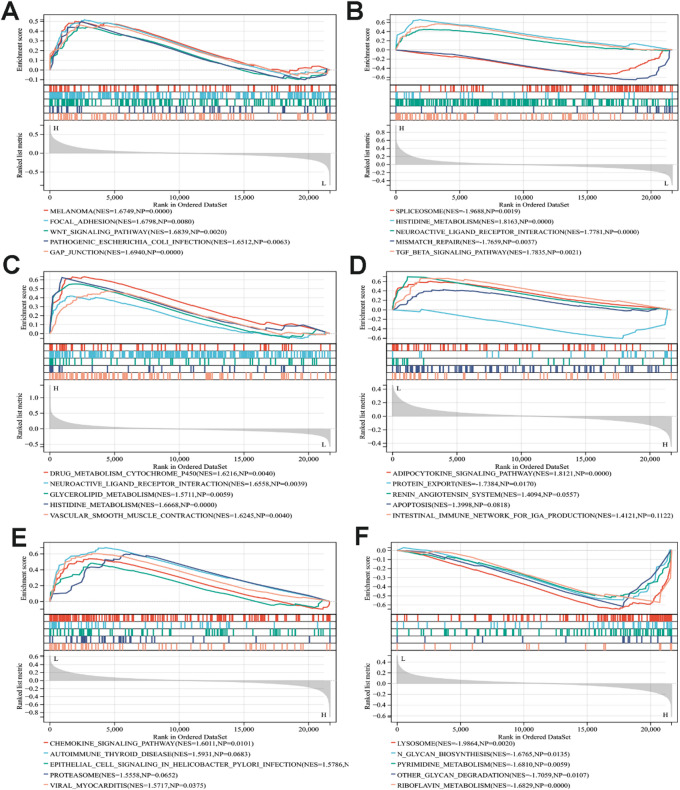 Figure 3
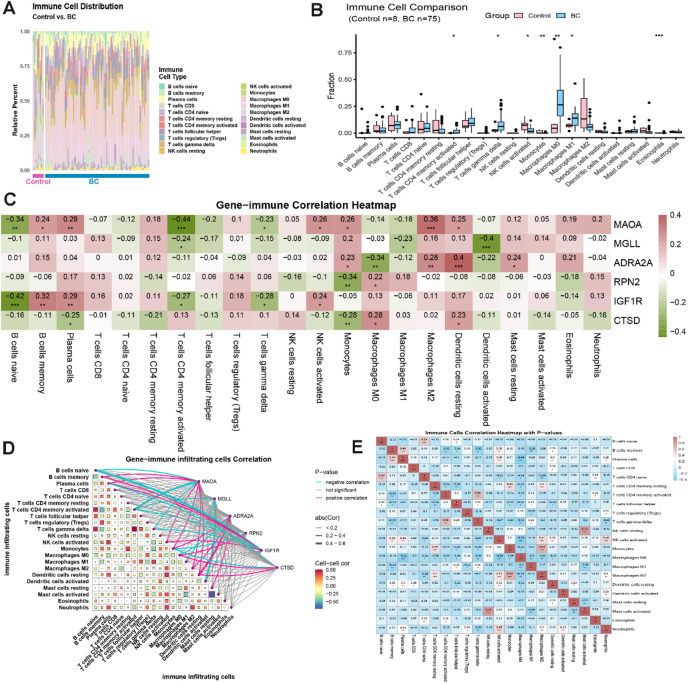 Figure 4
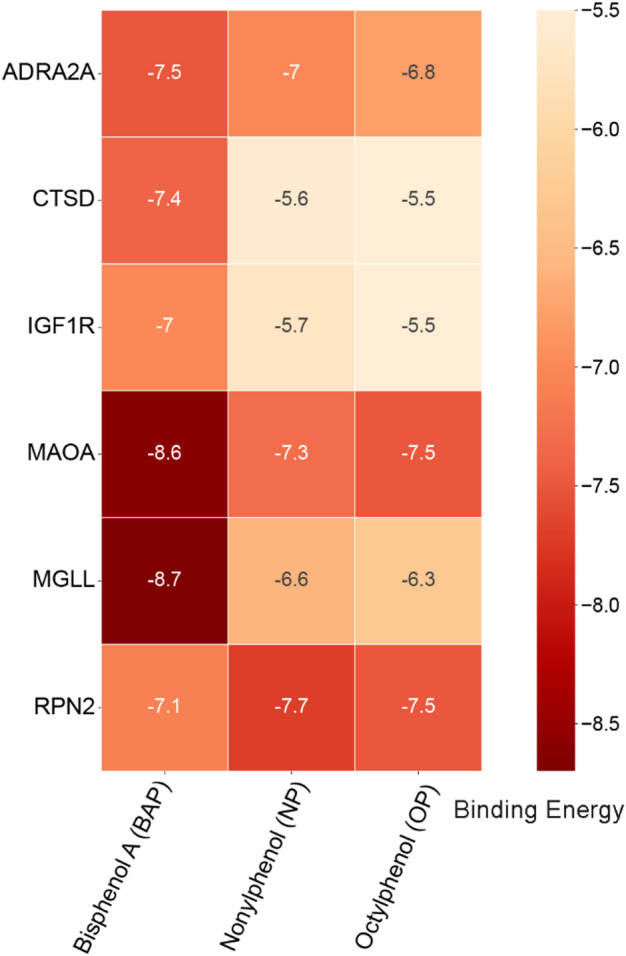 Figure 5
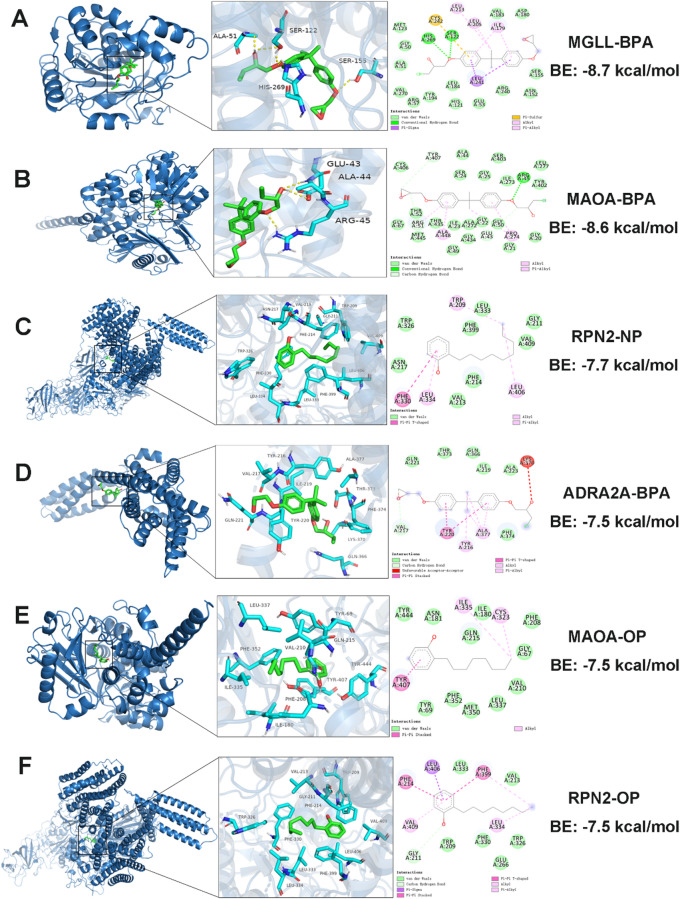 Figure 6
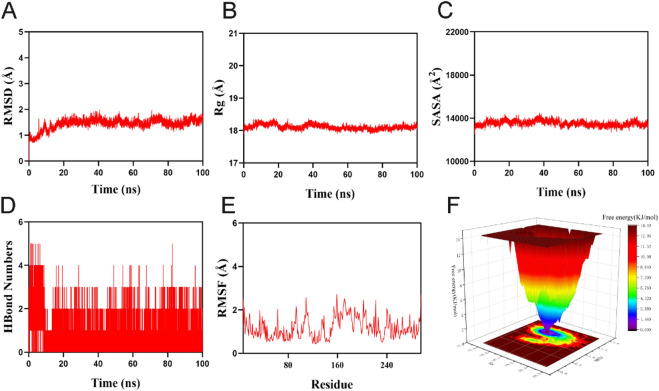 Figure 7
Peer Reviews
No public reviews on file for this paper yet. If you reviewed it on a platform where reviews are public (OpenReview, ICLR, NeurIPS, ICML), you can paste yours below so the community can read it here.
Videos
No videos yet. Explain this paper in a talk, walkthrough, or lecture? Add one.
Taxonomy
TopicsEffects and risks of endocrine disrupting chemicals · Toxic Organic Pollutants Impact · Epigenetics and DNA Methylation