St Mark’s protocol for standardised examination under anaesthesia for rectovaginal fistulae
M. Okocha, A. Rowe, K. Elgendy, G. Thomas, P. Tozer, C. Vaizey

TL;DR
This paper introduces a standardized five-step protocol for examining rectovaginal fistulas under anesthesia to improve diagnosis and surgical planning.
Contribution
The St Mark’s protocol provides a reproducible method for examining rectovaginal fistulas under anesthesia.
Findings
The protocol includes five stages for consistent documentation and anatomical characterization.
The method aids in confirming fistula patency and communication using techniques like insufflation and dye testing.
Abstract
Rectovaginal fistulae are uncommon but highly morbid, with presentations ranging from vaginal defaecation to subtle symptoms such as flatus, discharge, or recurrent infection. Imaging and contrast studies may be inconclusive for short, low-lying tracts, and ultrasound techniques can be limited by false-negative results. A structured examination under anaesthesia therefore remains central to definitive diagnosis and operative planning. The St Mark’s protocol standardises this assessment using a reproducible five-stage sequence: (1) direct proctovaginal inspection with evaluation of the rectovaginal septum, perineal body, and anterior sphincter complex; (2) intraoperative endoanal ultrasonography where expertise permits; (3) probing to confirm patency of small or occult openings; (4) insufflation with a vaginal bubble test to demonstrate communication, particularly for higher fistulae;…
Genes, proteins, chemicals, diseases, species, mutations and cell lines named across the full text — each resolved to its canonical identifier and authoritative record.
Click any figure to enlarge with its caption.
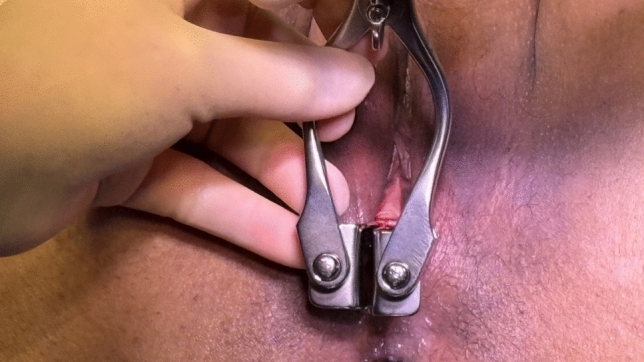 Figure 1
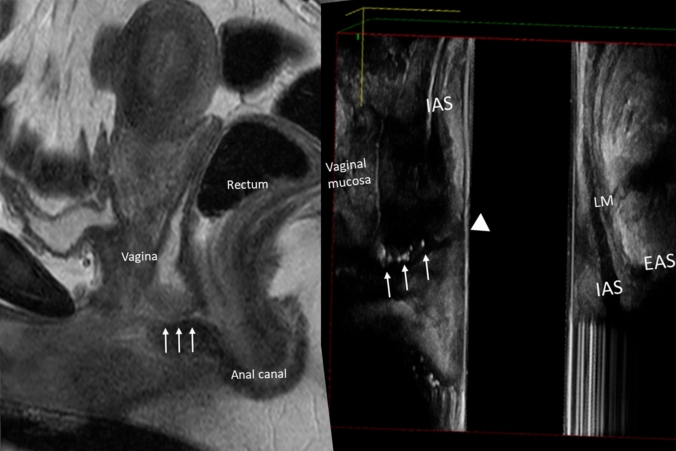 Figure 2
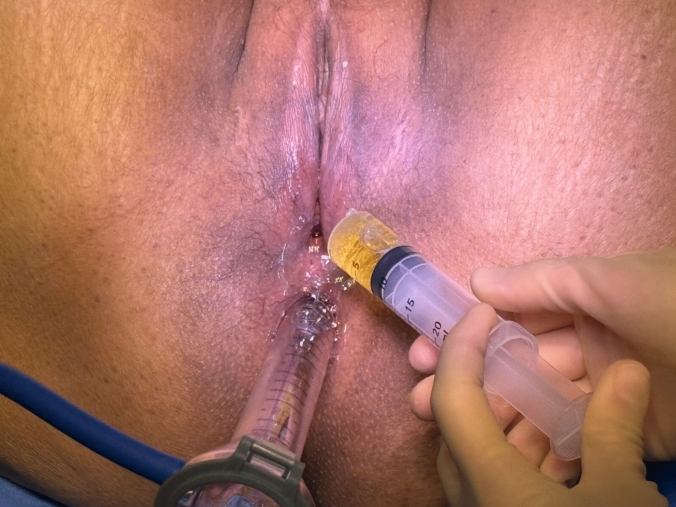 Figure 3
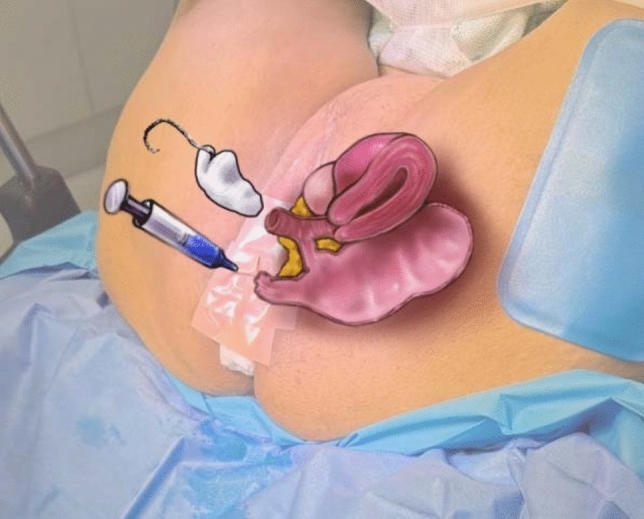 Figure 4
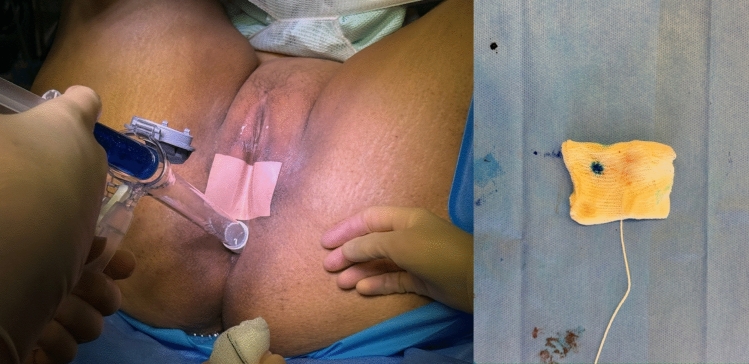 Figure 5
Peer Reviews
No public reviews on file for this paper yet. If you reviewed it on a platform where reviews are public (OpenReview, ICLR, NeurIPS, ICML), you can paste yours below so the community can read it here.
Videos
No videos yet. Explain this paper in a talk, walkthrough, or lecture? Add one.
Taxonomy
TopicsAnorectal Disease Treatments and Outcomes · Pelvic floor disorders treatments · Ureteral procedures and complications