Physiology of everyday sleep and physical activity: An exploratory mixed-methods study of multi-sensor wearables for infants and toddlers
Emily Hunter, Niina Kolehmainen, Kianoush Nazarpour, Tim Rapley, Abigail Collins, Christopher Eggett, Craig Williams, Christopher Thornton

TL;DR
This study explores the use of wearable sensors to track sleep and activity in infants and toddlers, finding usability challenges that need to be addressed for effective long-term monitoring.
Contribution
The study introduces a mixed-methods approach to evaluate wearable sensors for sleep and physical activity in young children, highlighting design challenges for home use.
Findings
The heart rate monitor was uncomfortable and caused data loss due to its size and detached electrodes.
The NAPPA sleep monitor was more comfortable but disrupted sleep routines.
Non-parental caregiving led to non-wear and data loss, indicating challenges for longitudinal home use.
Abstract
Sleep and physical activity are vital to the health, development, and well-being of young children. To effectively promote these behaviours at the population level, better tools for objectively quantifying them are needed. This hypothesis-generating mixed-methods study explored the potential usability of two wearable sensors to measure physical activity and sleep in young children over multiple days, drawing on physiological measurements. A longitudinal within-case design was employed, in which families with children aged 4–36 months from the North East of England were recruited through playgroups and social networks. Parents and children tested two wearable devices in a structured play setting and at home over a period of 1 week. Data on sleep, movement, and heart rate were collected using the Bittium Faros 180 heart rate monitor and the NAPPA sleep monitoring system. Usability was…
Genes, proteins, chemicals, diseases, species, mutations and cell lines named across the full text — each resolved to its canonical identifier and authoritative record.
Click any figure to enlarge with its caption.
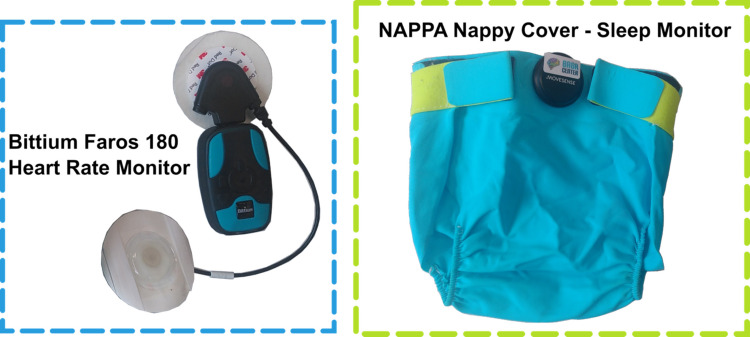 Figure 1
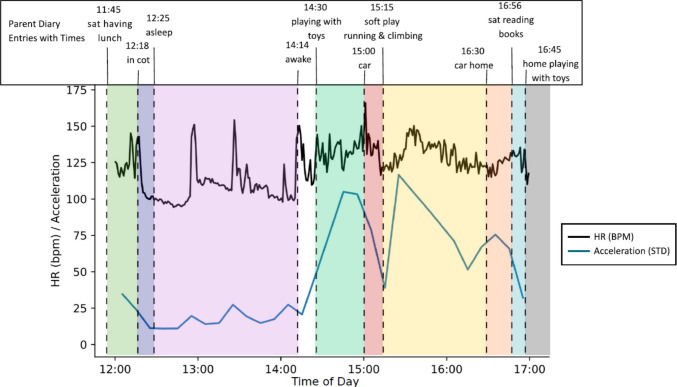 Figure 2
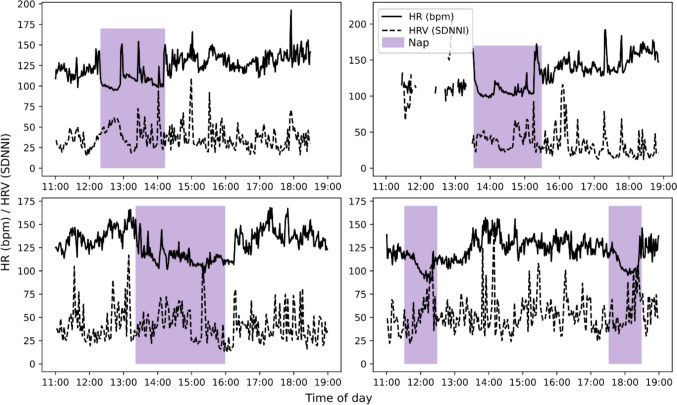 Figure 3
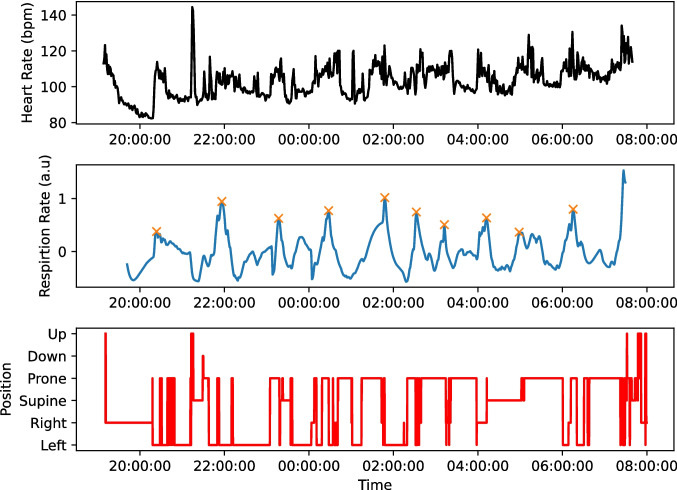 Figure 4
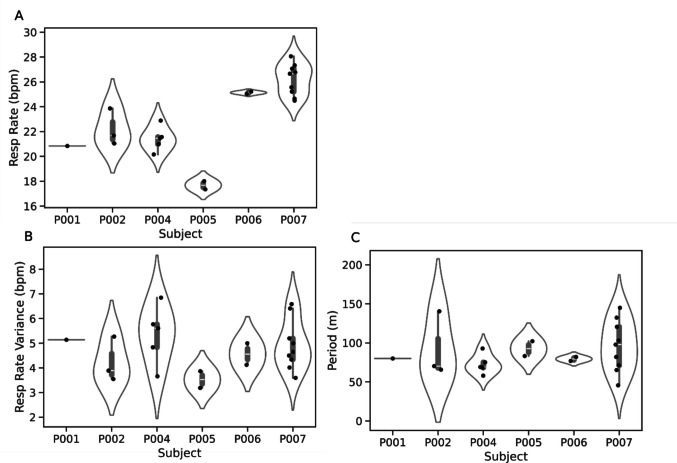 Figure 5
Peer Reviews
No public reviews on file for this paper yet. If you reviewed it on a platform where reviews are public (OpenReview, ICLR, NeurIPS, ICML), you can paste yours below so the community can read it here.
Videos
No videos yet. Explain this paper in a talk, walkthrough, or lecture? Add one.
Taxonomy
TopicsSleep and related disorders · Non-Invasive Vital Sign Monitoring · Context-Aware Activity Recognition Systems