PET Imaging of CD38 and IND enabling studies of [89Zr]Zr-DFO-Isatuximab
Brian D. Wright, Hailey A. Houson, Solana Fernandez, Kadir Gultekin, Jonathan E. McConathy, Smith Giri, Suzanne E. Lapi

TL;DR
This study shows that [89Zr]Zr-DFO-Isatuximab can be used as a PET imaging agent to detect CD38-positive multiple myeloma tumors in mice and is suitable for clinical trials.
Contribution
The paper demonstrates the clinical viability of [89Zr]Zr-DFO-Isatuximab for PET imaging of CD38 in multiple myeloma using GMP practices.
Findings
[89Zr]Zr-DFO-Isatuximab showed high specificity for CD38-positive cells in vitro and in vivo.
Blocking experiments confirmed the in vivo specificity of the radiotracer with a 45.5–48.5% reduction in tumor accumulation.
The radiotracer had an estimated effective dose comparable to other 89Zr-labeled antibodies and was stable for clinical use.
Abstract
CD38 is an excellent biomarker and therapeutic target for multiple myeloma due to its high expression on cancerous cells in comparison to healthy cells. We aimed to adapt Isatuximab as a PET imaging agent to detect CD38 positive multiple myeloma. In vitro studies confirmed the specificity of [89Zr]Zr-DFO-Isatuximab in CD38 + OPM-2 and MM.1S cells. Upregulation of CD38 was performed using pomalidomide and ricolinostat. Athymic nude mice were implanted with OPM-2 tumors and PET/CT images were collected 24 h, 3d, and 7d post-injection. Dosimetry data was collected from male and female mice and calculated using OLINDA. Three productions of [89Zr]Zr-DFO-Isatuximab were produced using GMP techniques and validated for use in the clinic. Upregulation of CD38 was observed in vitro in CD38 + cells when treated with either pomalidomide or ricolinostat. In vivo evaluation of…
Genes, proteins, chemicals, diseases, species, mutations and cell lines named across the full text — each resolved to its canonical identifier and authoritative record.
Click any figure to enlarge with its caption.
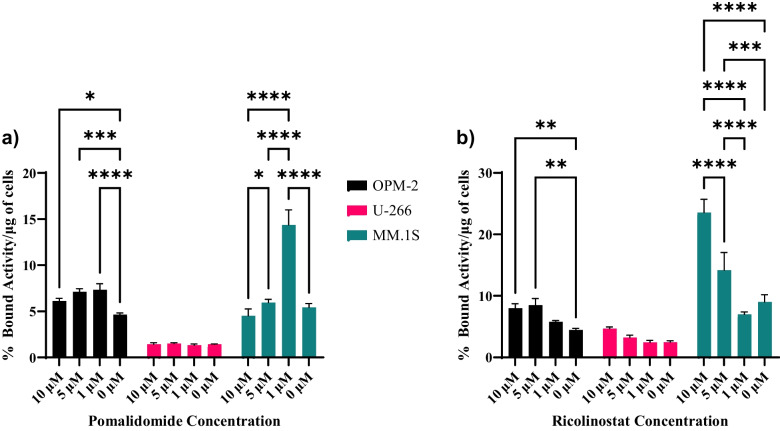 Figure 1
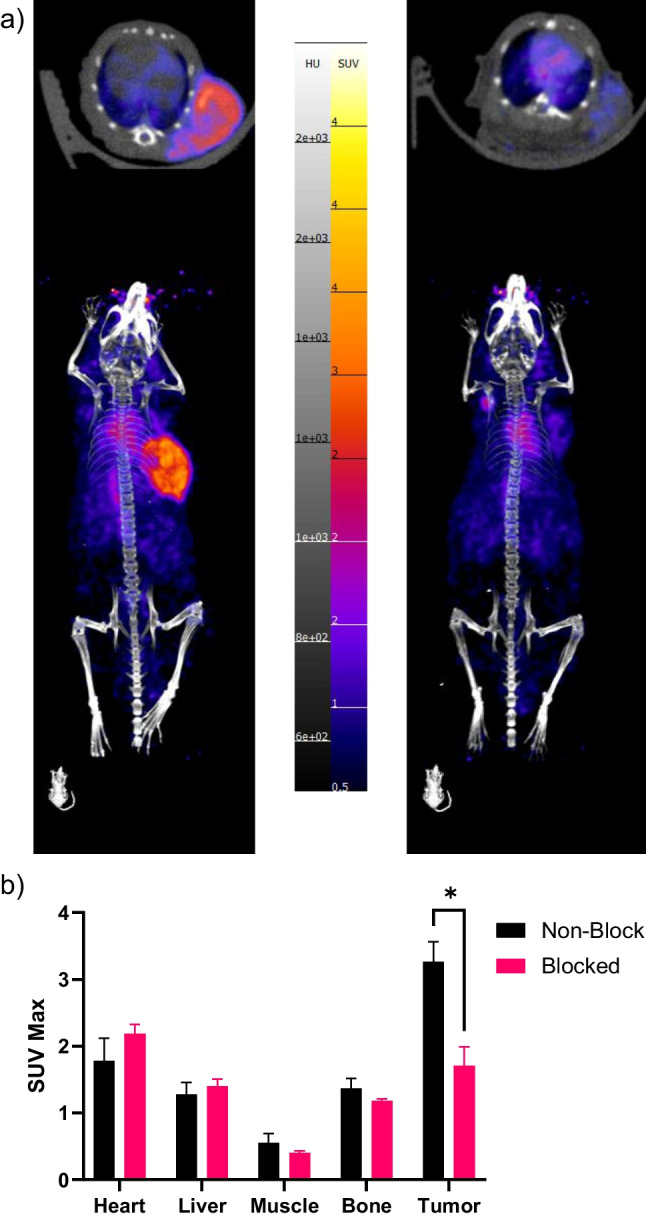 Figure 2
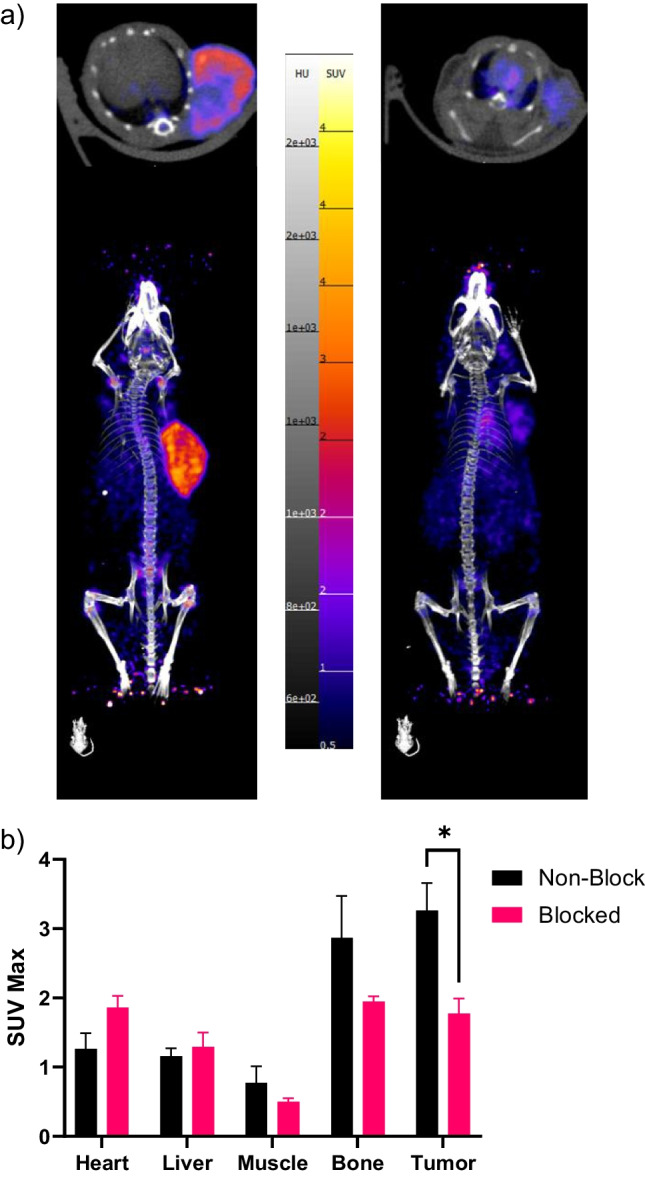 Figure 3
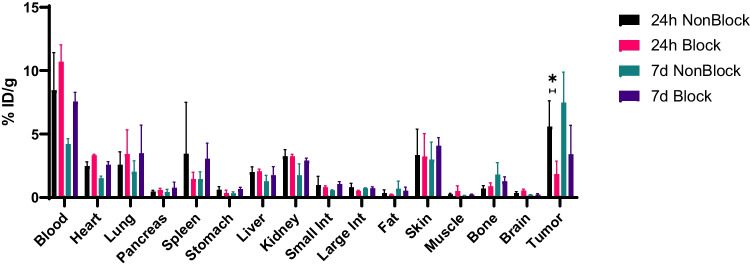 Figure 4
Peer Reviews
No public reviews on file for this paper yet. If you reviewed it on a platform where reviews are public (OpenReview, ICLR, NeurIPS, ICML), you can paste yours below so the community can read it here.
Videos
No videos yet. Explain this paper in a talk, walkthrough, or lecture? Add one.
Taxonomy
TopicsRadiopharmaceutical Chemistry and Applications · Peptidase Inhibition and Analysis · HER2/EGFR in Cancer Research