Prevalence of epilepsy and structural brain anomalies in spina bifida aperta
L. R. Koomen, M. Dremmen, C. Kik, R. van den Berg, W. Dronkers, A. J. Eggink, P. L. J. DeKoninck, S. E. M. Veldhuijzen van Zanten, J. Deprest, O. H. J. Eelkman Rooda, S. Koudijs, J. K. H. Spoor

TL;DR
This study examines the prevalence of brain anomalies and epilepsy in spina bifida aperta patients, finding that while structural brain issues are common, epilepsy is less frequent than previously thought.
Contribution
The study provides new insights into the co-occurrence patterns of brain anomalies and their association with epilepsy in spina bifida aperta.
Findings
Epilepsy was reported in 7.0% of spina bifida aperta patients, lower than previously reported.
Common brain anomalies included Chiari malformation type 2, ventriculomegaly, and corpus callosum dysgenesis.
Network analysis revealed a dominant cluster of co-occurring brain anomalies in these patients.
Abstract
Spina bifida aperta (SBA) is frequently associated with a wide range of structural anomalies in the brain, some of these thought to be related to epilepsy. However, the relationship between these is poorly studied. This study aims to assess the prevalence of brain anomalies and epilepsy in SBA patients and explore the nature and magnitude of their association. We conducted a retrospective cross-sectional cohort study including all consecutive postnatally treated SBA patients, managed at Erasmus MC Sophia Children’s Hospital, Rotterdam from January 1st 2000 up to June 1st 2018. We determined the presence of structural brain anomalies on magnetic resonance imaging (MRI) and their association using network analysis. The presence of epilepsy was assessed through retrospective evaluation of medical records of patientsWe conducted a retrospective cross-sectional cohort study including all…
Genes, proteins, chemicals, diseases, species, mutations and cell lines named across the full text — each resolved to its canonical identifier and authoritative record.
Click any figure to enlarge with its caption.
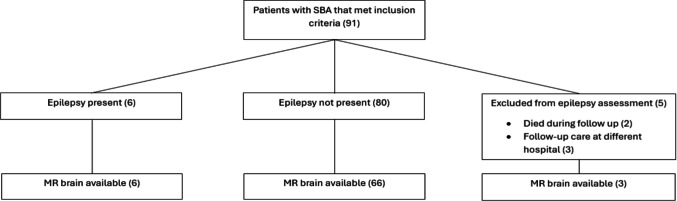 Figure 1
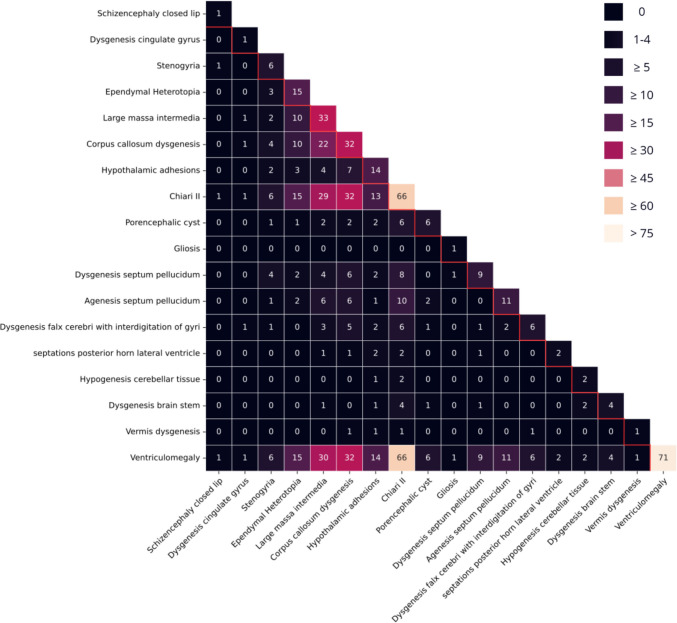 Figure 2
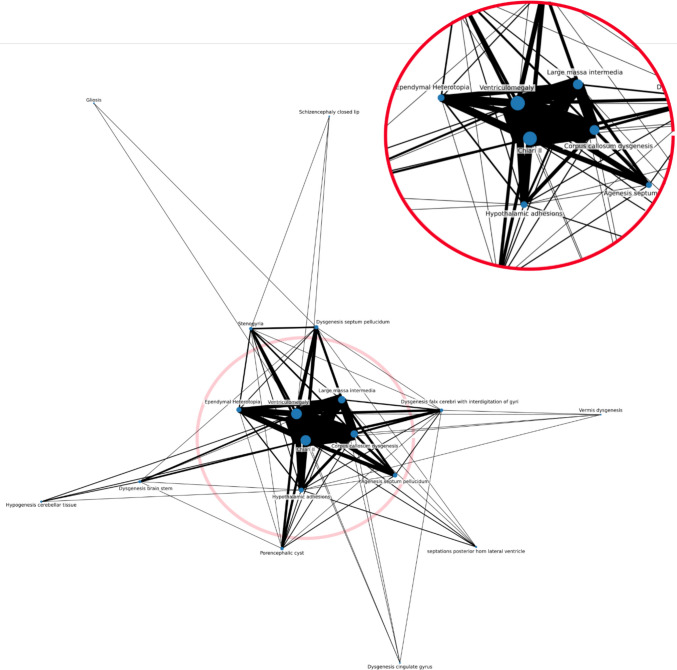 Figure 3
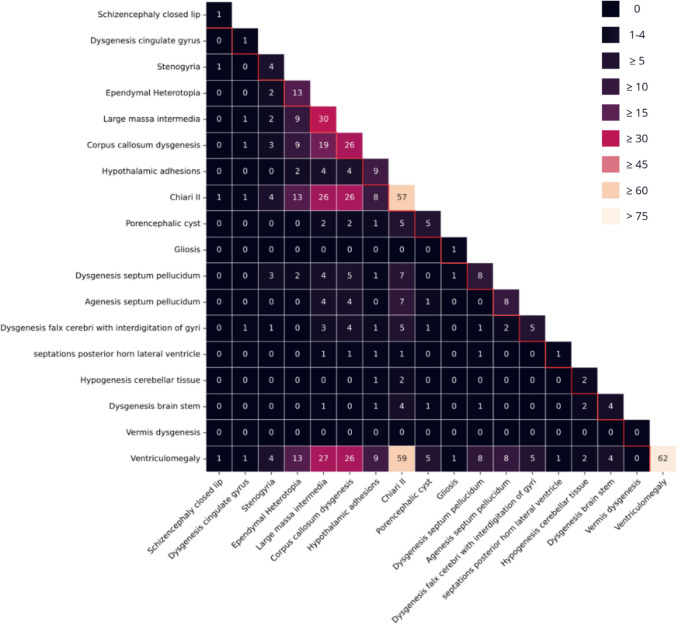 Figure 4
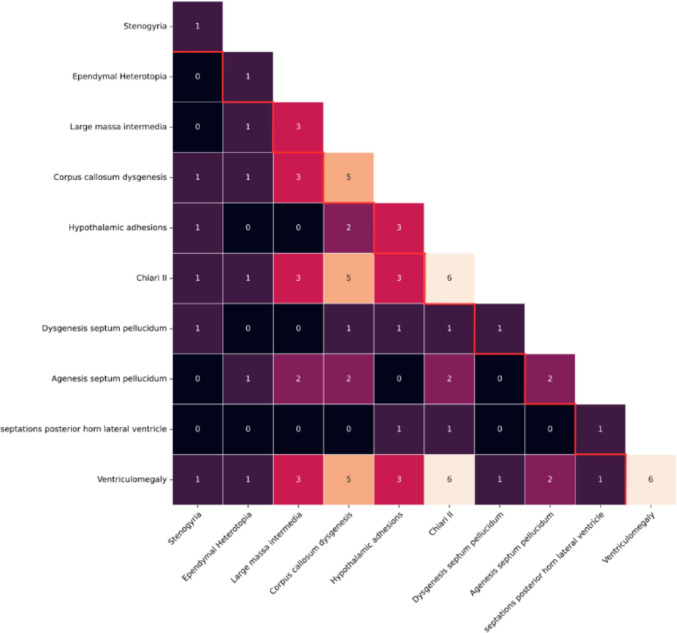 Figure 5
Peer Reviews
No public reviews on file for this paper yet. If you reviewed it on a platform where reviews are public (OpenReview, ICLR, NeurIPS, ICML), you can paste yours below so the community can read it here.
Videos
No videos yet. Explain this paper in a talk, walkthrough, or lecture? Add one.
Taxonomy
TopicsSpinal Dysraphism and Malformations · Epilepsy research and treatment · Fetal and Pediatric Neurological Disorders