Retrospective study of mechanical complications after cephalomedullary nail implantation from 2019 to 2024 following per-, sub- or intertrochanteric femur fractures
Alexander Blümke, Adaugo Okoro, Aditya Vadgaonkar, Daniel Kühlwein, João Pinheiro, Maximilian Mellinghoff, Frederic Bludau, Andreas Schilder, Svetlana Hetjens, Michael Hackl, Sascha Gravius, Ali Darwich

TL;DR
This study examines mechanical complications after a common hip fracture surgery and finds that precise implant placement and blood management can reduce risks.
Contribution
The study identifies specific predictors of mechanical complications after cephalomedullary nail implantation for femur fractures.
Findings
Mechanical complications occurred in 7% of patients after CMN implantation.
Increased tip-apex distance (TAD) and younger age were significant predictors of complications.
Postoperative blood transfusion requirements also correlated with higher complication risks.
Abstract
Cephalomedullary nail (CMN) fixation is commonly used to treat extracapsular femoral fractures but is associated with mechanical complications, including implant cut-out, cut-in, and material failure. Identifying clinical and radiographic predictors of these complications is critical for improving patient outcomes. This retrospective cohort study analyzed 401 patients treated with CMN for per-, sub-, or intertrochanteric fractures between 2019 and 2024. Clinical, laboratory, and radiographic parameters were evaluated using logistic regression analyses to identify predictors of mechanical complications. Mechanical complications occurred in 7% (n = 28) of patients. The most common complications were cut-out (n = 16, 57%) and cut-in (n = 7, 25%). Significant predictors included increased tip-apex distance (TAD), younger patient age, and the requirement for postoperative blood…
Genes, proteins, chemicals, diseases, species, mutations and cell lines named across the full text — each resolved to its canonical identifier and authoritative record.
Click any figure to enlarge with its caption.
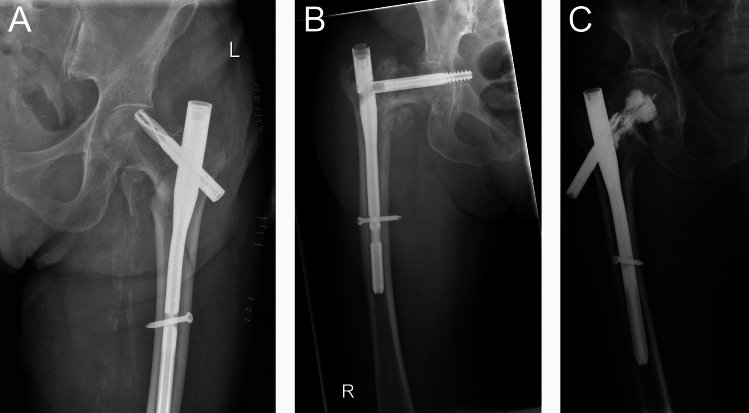 Figure 1
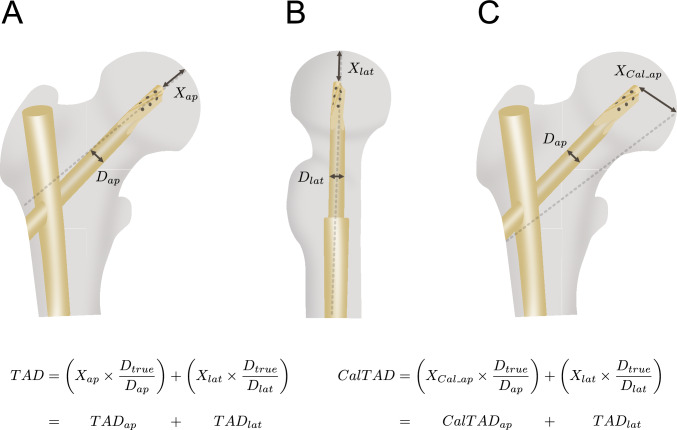 Figure 2
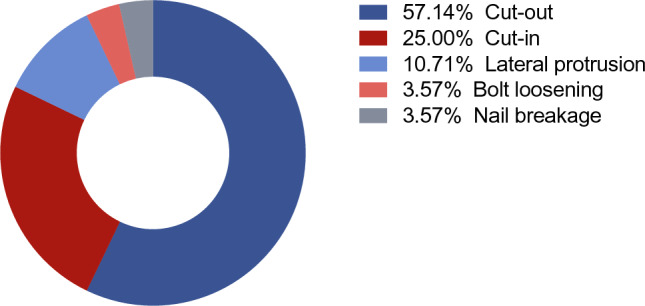 Figure 3
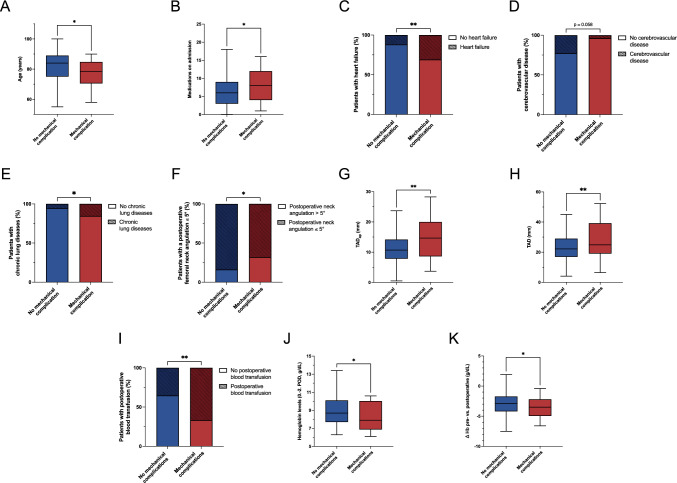 Figure 4
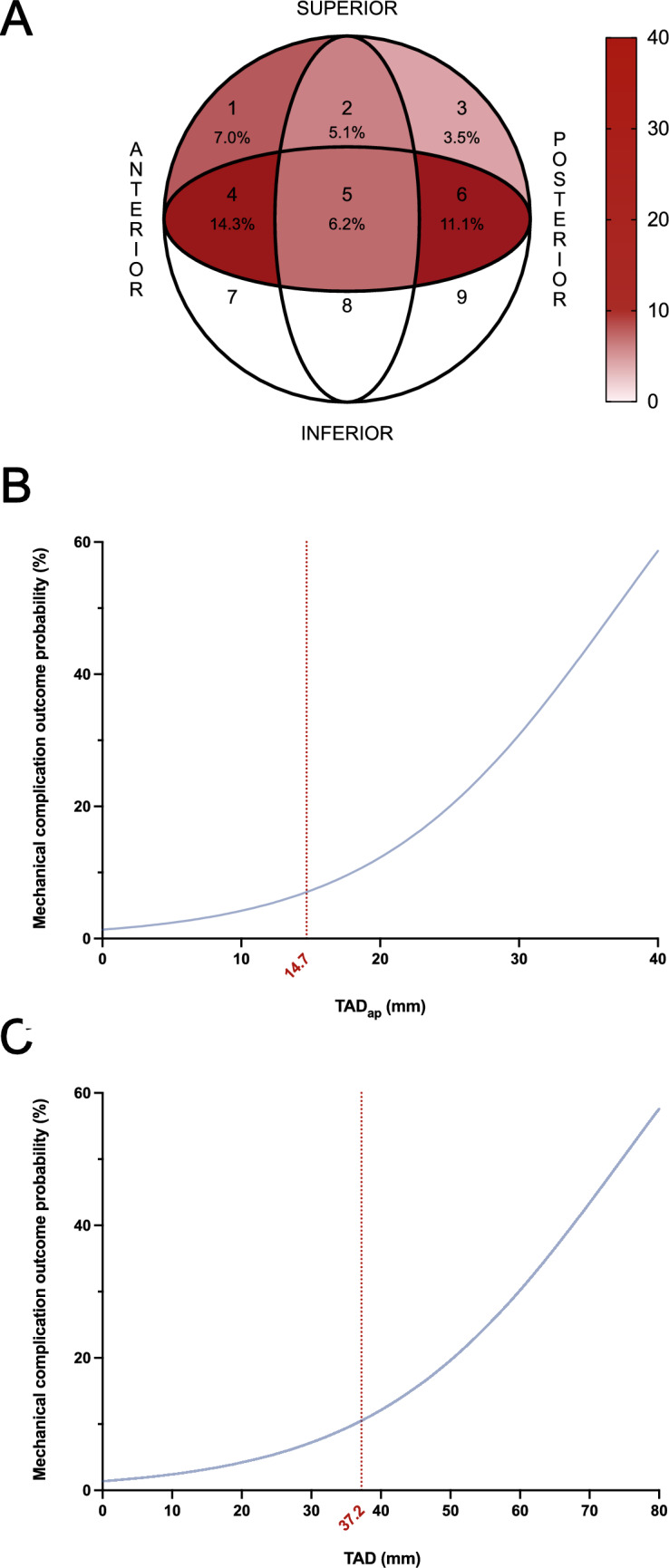 Figure 5
Peer Reviews
No public reviews on file for this paper yet. If you reviewed it on a platform where reviews are public (OpenReview, ICLR, NeurIPS, ICML), you can paste yours below so the community can read it here.
Videos
No videos yet. Explain this paper in a talk, walkthrough, or lecture? Add one.
Taxonomy
TopicsHip and Femur Fractures · Bone fractures and treatments · Orthopaedic implants and arthroplasty