Glymphatic System Dysfunction in Central Nervous System Diseases
Anwar Zahran, Omar Abu‐Khazneh, Mohammad Bdair, Orabi Hajjeh, Mohammed AbuBaha, Waseem Shehadeh, Ameer Awashra, Ibrahim Alazizi, Raya Fuqha, Sakeena Saife, Hasan Fuqha, Fathi Milhem, Husam Hamshary, Dana Abuzahra, Umar Shuaib

TL;DR
The glymphatic system clears brain waste, and its dysfunction is linked to many neurological diseases, offering new therapeutic targets.
Contribution
This review identifies glymphatic dysfunction as a unifying pathophysiological mechanism across diverse central nervous system diseases.
Findings
Glymphatic dysfunction is associated with impaired clearance of neurotoxic proteins in acute and chronic neurological disorders.
Key mechanisms include AQP4 mislocalization, perivascular space obstruction, and vascular stiffening.
Translational strategies like sleep optimization and anti-inflammatory approaches may restore glymphatic function.
Abstract
The glymphatic system is a perivascular cerebrospinal fluid (CSF)–interstitial fluid (ISF) exchange pathway that supports brain homeostasis by clearing metabolic waste and neurotoxic proteins. Across central nervous system diseases, converging evidence indicates that glymphatic dysfunction represents a shared pathophysiological axis linking vascular, astroglial, inflammatory, and sleep‐related disturbances to impaired solute clearance. In this review, we synthesize mechanistic and clinical evidence for glymphatic impairment in acute brain injury (ischemic and hemorrhagic stroke, traumatic brain injury) and chronic neurological disorders (Alzheimer's disease, Parkinson's disease, cerebral small vessel disease, multiple sclerosis, idiopathic normal pressure hydrocephalus, idiopathic intracranial hypertension, epilepsy, and headache disorders). Major mechanisms include (i) aquaporin‐4…
Genes, proteins, chemicals, diseases, species, mutations and cell lines named across the full text — each resolved to its canonical identifier and authoritative record.
Click any figure to enlarge with its caption.
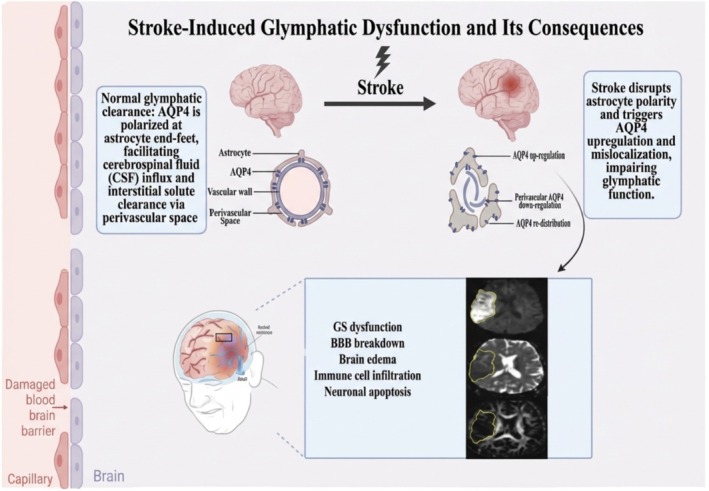 Figure 1
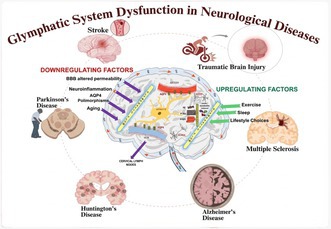 Figure 2
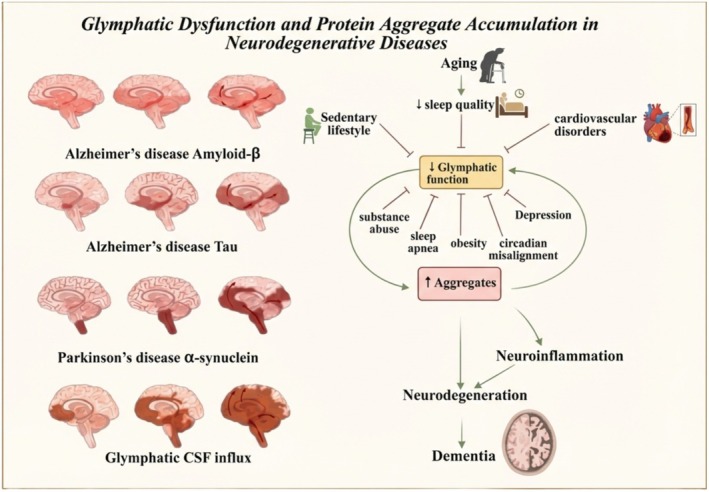 Figure 3
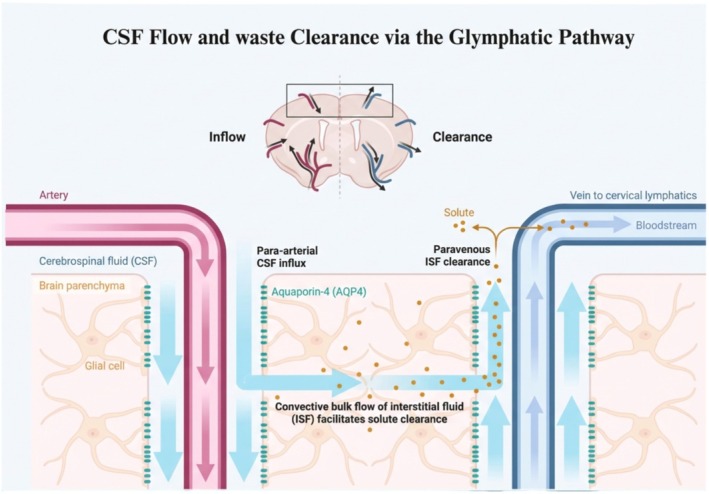 Figure 4
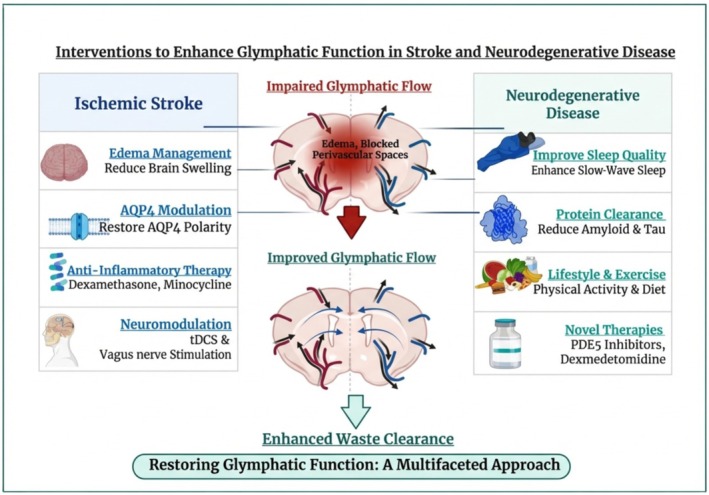 Figure 5
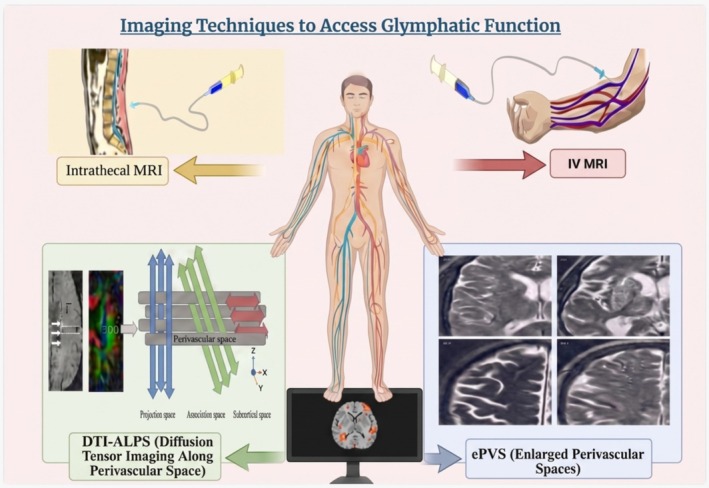 Figure 6
Peer Reviews
No public reviews on file for this paper yet. If you reviewed it on a platform where reviews are public (OpenReview, ICLR, NeurIPS, ICML), you can paste yours below so the community can read it here.
Videos
No videos yet. Explain this paper in a talk, walkthrough, or lecture? Add one.
Taxonomy
TopicsCerebrospinal fluid and hydrocephalus · Intracerebral and Subarachnoid Hemorrhage Research · Traumatic Brain Injury and Neurovascular Disturbances