New perspectives on head and neck allometry and ecomorphology in tetrapods
Alice E. Maher, Philip G. Cox, Thomas W. Maddox, James D. Gardiner, Karl T. Bates

TL;DR
This study examines how head and neck size scales with body size in tetrapods, revealing that different measurement methods lead to varying allometric patterns, which may reflect ecological and evolutionary adaptations.
Contribution
The paper introduces a comprehensive analysis of head and neck allometry using a large 3D skeletal dataset across diverse tetrapod groups, highlighting the impact of measurement choice on ecological and evolutionary inferences.
Findings
Different metrics for head and neck size yield inconsistent allometric patterns, especially in neck measurements.
Skull size shows consistent negative allometry, while neck allometry depends on the metric used (length vs. volume).
Allometric trends in head and neck size vary with body size, with distinct patterns in carnivores, herbivores, and piscivores.
Abstract
The skull and neck are vital parts of the body, influencing feeding ecology, habitat exploitation and locomotion. Numerous studies have therefore sought to understand how the size of these segments vary with ecology and scale with overall body size. However, across past literature many different metrics have been used to represent both head and neck size, alongside disparate methods for body size normalisation and varied statistical approaches to analysing patterns. Furthermore, while several studies have examined allometric patterns across species of birds and dinosaurs, there are relatively few studies of other groups like mammals, non‐avian reptiles and amphibians. It is therefore currently difficult to combine or compare analyses from past studies to arrive at a clear picture of ecological and taxonomic trends in tetrapod head and neck allometry and evolution. To address these…
Genes, proteins, chemicals, diseases, species, mutations and cell lines named across the full text — each resolved to its canonical identifier and authoritative record.
Click any figure to enlarge with its caption.
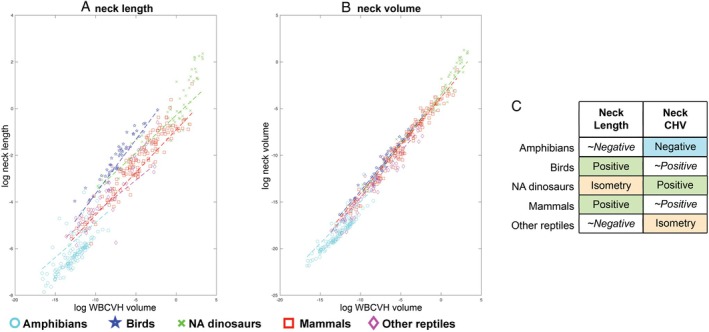 Figure 1
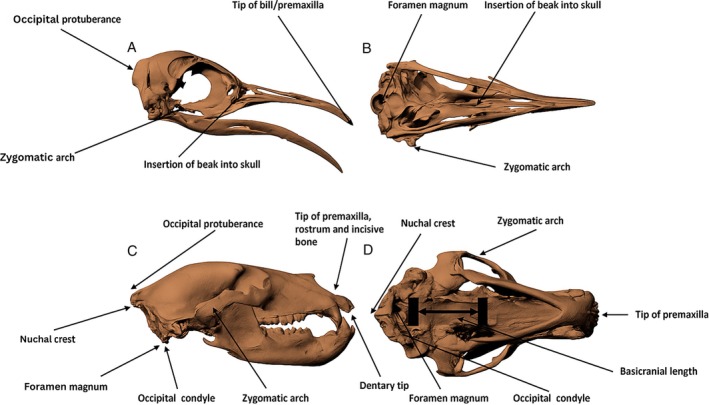 Figure 2
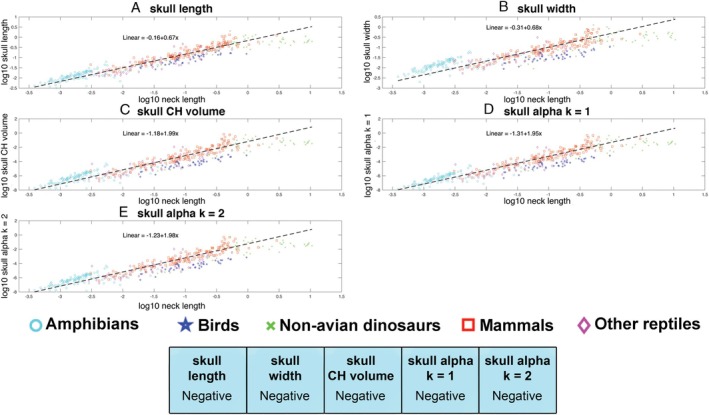 Figure 3
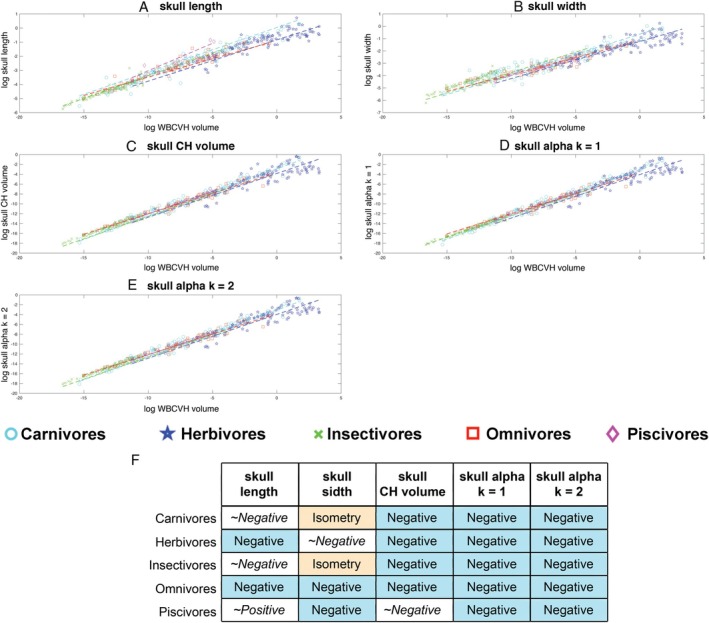 Figure 4
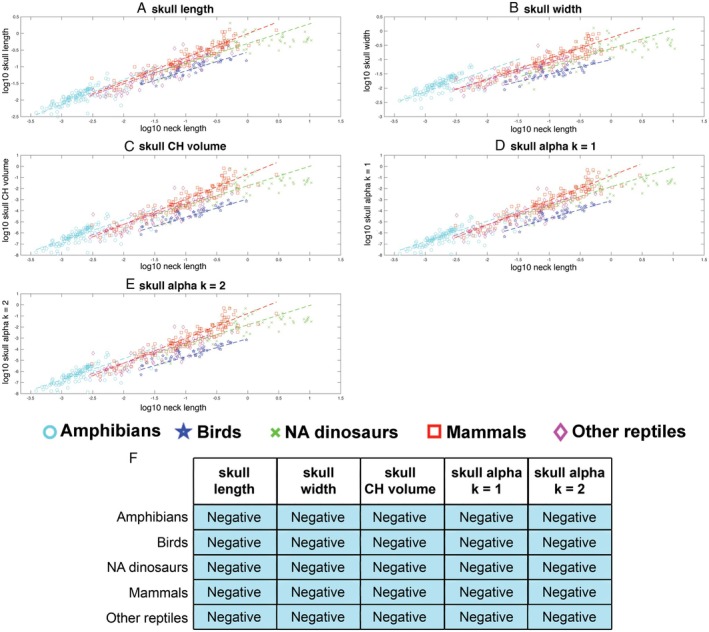 Figure 5
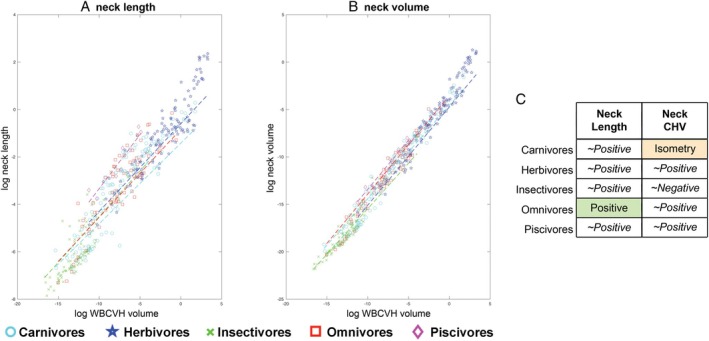 Figure 6
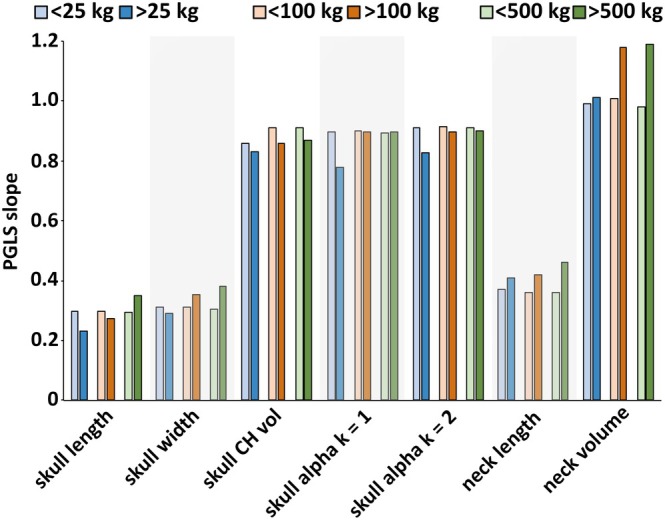 Figure 7
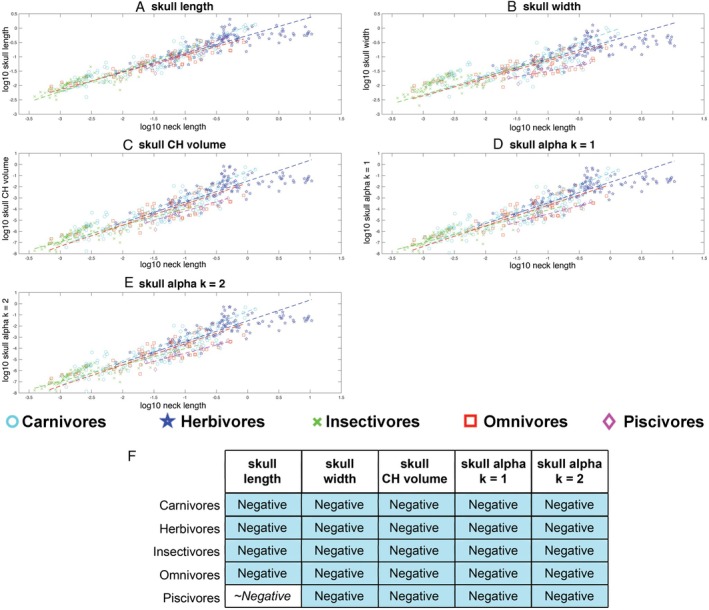 Figure 8
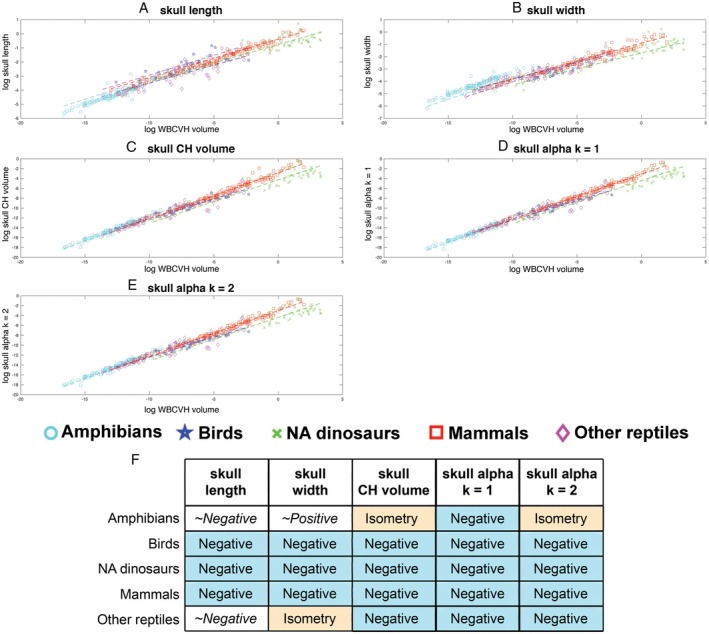 Figure 9
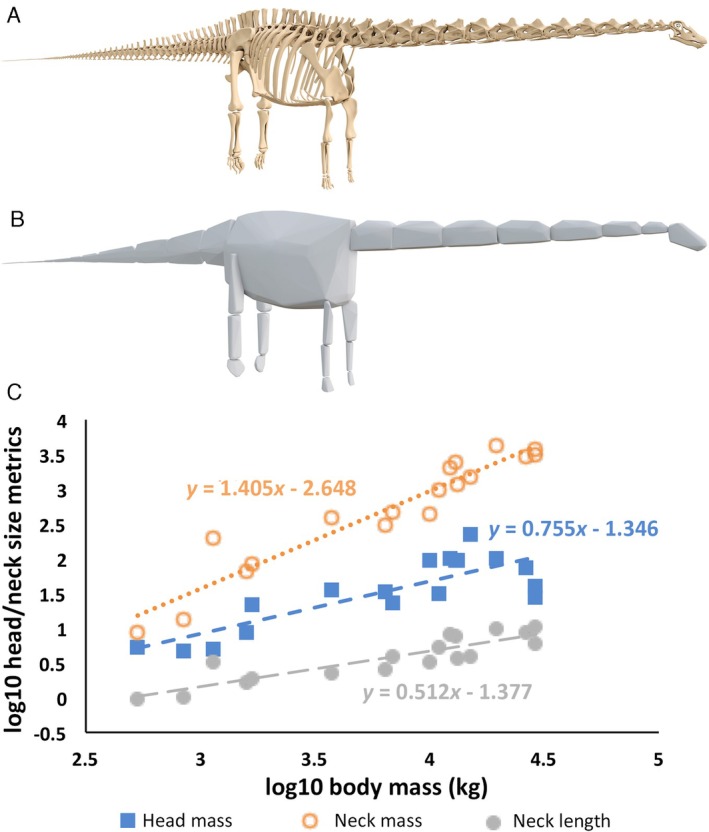 Figure 10
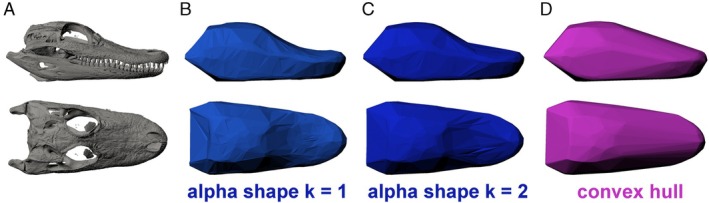 Figure 11
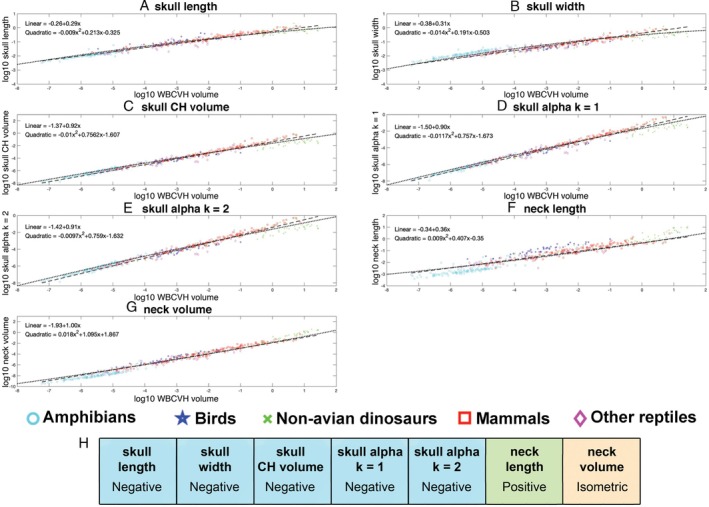 Figure 12
Peer Reviews
No public reviews on file for this paper yet. If you reviewed it on a platform where reviews are public (OpenReview, ICLR, NeurIPS, ICML), you can paste yours below so the community can read it here.
Videos
No videos yet. Explain this paper in a talk, walkthrough, or lecture? Add one.
Taxonomy
TopicsPaleontology and Evolutionary Biology · Evolution and Paleontology Studies · Morphological variations and asymmetry