Insights into Api m 10‐Isoforms and Splice Variants: More Than One Major IgE‐Binding Epitope
Kathrin Elisabeth Paulus‐Tremel, Michelle Beatrice Wolff, Natalija Novak, Nicola Wagner, Alisa Landgraf, Stefan Schülke, Thomas Holzhauser, Vera Mahler

TL;DR
This study identifies multiple IgE-binding regions in the honey bee venom allergen Api m 10, revealing insights that could improve allergy treatments.
Contribution
The study reveals multiple IgE-binding epitopes in Api m 10 isoforms and splice variants, including a major epitope and potential conformational epitopes.
Findings
Seven linear IgE-binding motifs were identified, with one major epitope shared among multiple Api m 10 isoforms.
Api m 10-specific IgE from patients and IgG from mice showed overlapping binding motifs, suggesting conserved epitopes.
Api m 10 isoforms 1 and 2 exhibited secondary structural elements and aggregation, which may influence allergenicity.
Abstract
Honey bee venom (HBV) often triggers severe IgE‐mediated allergies. The major allergen icarapin (Api m 10) has attracted attention due to low occurrence in some HBV immunotherapy products. Despite being a major allergen, little is known about the Api m 10 structure and IgE‐binding regions. This study aimed to characterize its IgE‐binding epitopes and structure in more detail. Overlapping Api m 10‐specific peptides covering the sequences of the 11 known Api m 10‐isoforms and variants were synthesized and spotted on microarray slides (15 amino acids (AA), off‐set: 4 AA). Sera from 28 HBV‐allergic patients with detectable Api m 10‐specific IgE were used to characterize the distinct IgE‐binding profiles to all Api m 10‐variants. Sera from ten Api m 10‐immunized BALB/c mice were used to investigate possible shared epitopes between humans and mice. All Api m 10‐variants were investigated for…
Genes, proteins, chemicals, diseases, species, mutations and cell lines named across the full text — each resolved to its canonical identifier and authoritative record.
Click any figure to enlarge with its caption.
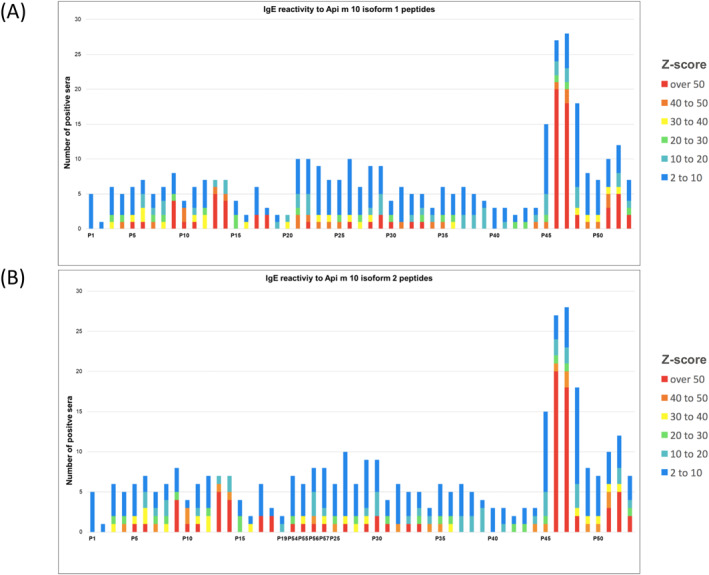 Figure 1
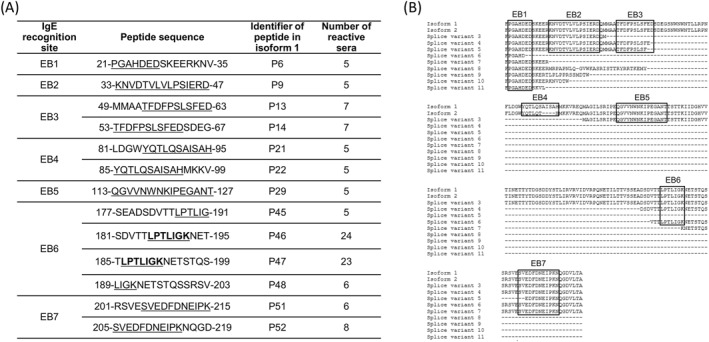 Figure 2
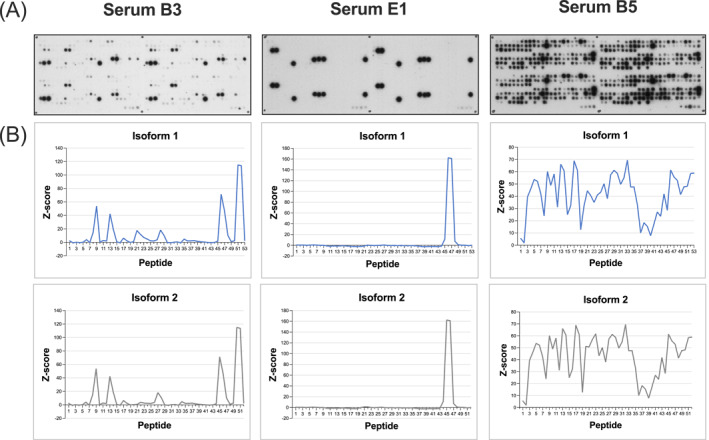 Figure 3
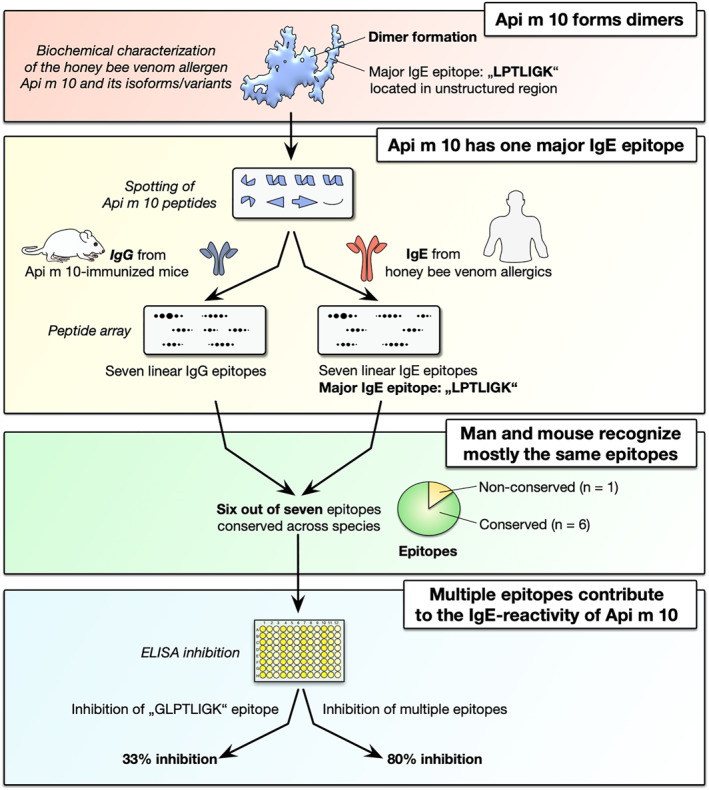 Figure 4
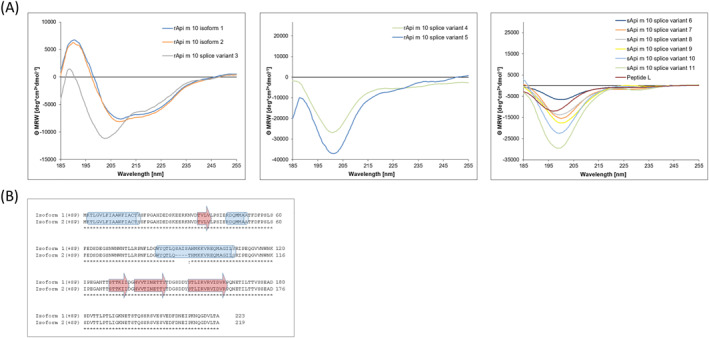 Figure 5
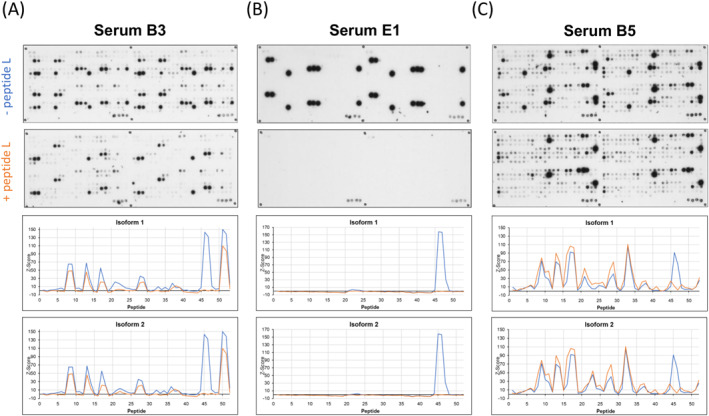 Figure 6
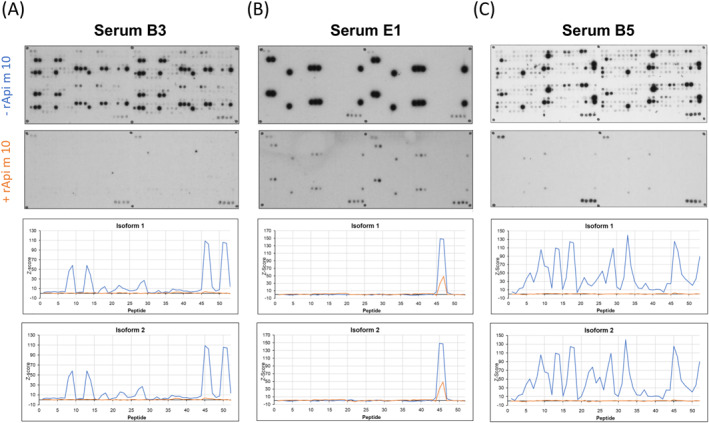 Figure 7
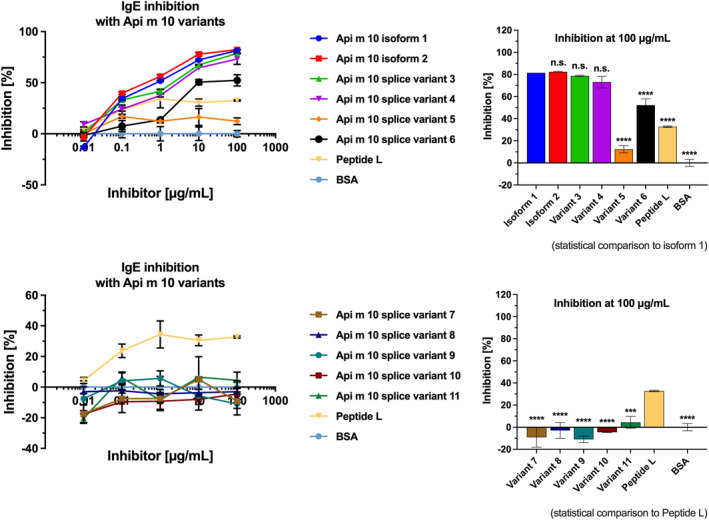 Figure 8
Peer Reviews
No public reviews on file for this paper yet. If you reviewed it on a platform where reviews are public (OpenReview, ICLR, NeurIPS, ICML), you can paste yours below so the community can read it here.
Videos
No videos yet. Explain this paper in a talk, walkthrough, or lecture? Add one.
Taxonomy
Topicsvaccines and immunoinformatics approaches · Ubiquitin and proteasome pathways · RNA modifications and cancer