Transcriptomic dynamics reveals sequential acquisition of complement resistance during prolonged starvation of Trypanosoma cruzi epimastigote
Leticia Pérez-Díaz, Pablo Smircich, Fabricio Hernandez, Martin Ciganda, Ma Ana Duhagon, Beatriz Garat

TL;DR
The study shows how prolonged starvation affects the gene activity of a parasite, leading to changes in surface proteins and resistance to complement, a part of the immune system.
Contribution
The study identifies specific gene expression patterns in transitional parasite forms under prolonged starvation, linked to complement resistance and infectivity.
Findings
Prolonged starvation increases expression of surface proteins like trans-sialidase and GP63.
Genes related to autophagy and complement resistance (TcCRP and T-DAF) are upregulated during starvation.
Transcriptomic changes suggest a transitional parasite stage with distinct biological features.
Abstract
The life cycle of the parasitic protozoan Trypanosoma cruzi, the etiological agent of Chagas disease (CD), includes two well-recognised insect-dwelling stages: the replicative non-infective epimastigotes and the non-replicative infective metacyclic trypomastigotes. Nonetheless, the existence of multiple intermediate forms has been reported. Since nutrient restriction is considered one of the main factors driving metacyclogenesis and is very frequent due to the long-term starvation periods that the insect vectors commonly undergo, we have studied the transcriptomic effects of nutrient restriction on long-lasting epimastigote cultures. We previously reported that in these conditions, we observed a long stationary phase characterised by an RNA content per cell three times smaller than the epimastigote’s and a distinctive transcriptomic profile. Remarkably, our study identified gene…
Genes, proteins, chemicals, diseases, species, mutations and cell lines named across the full text — each resolved to its canonical identifier and authoritative record.
Click any figure to enlarge with its caption.
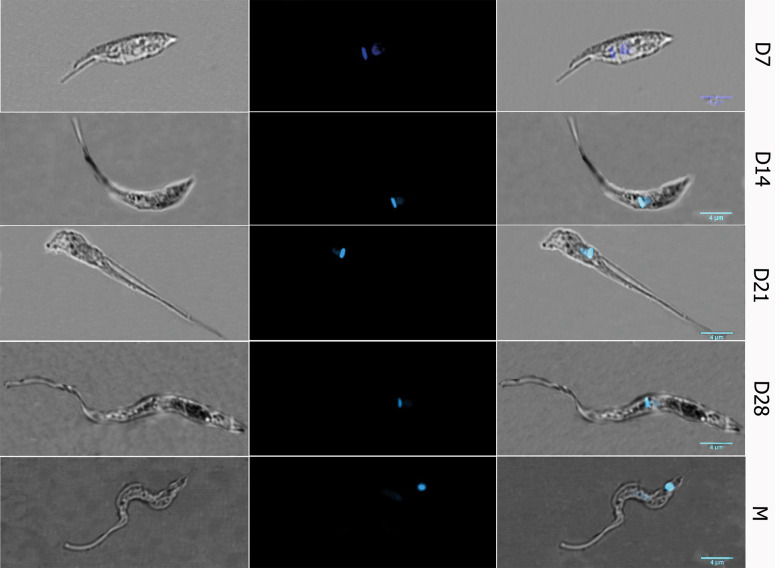 Figure 1
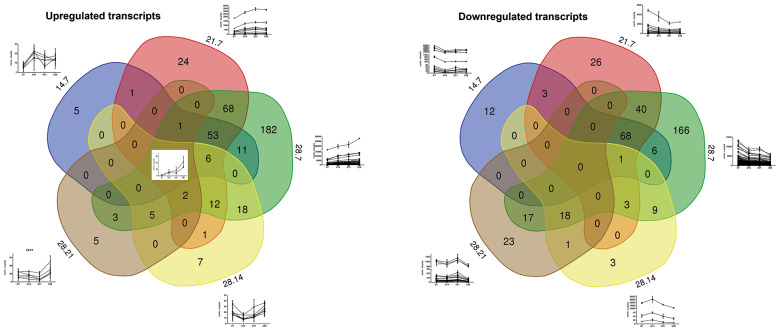 Figure 2
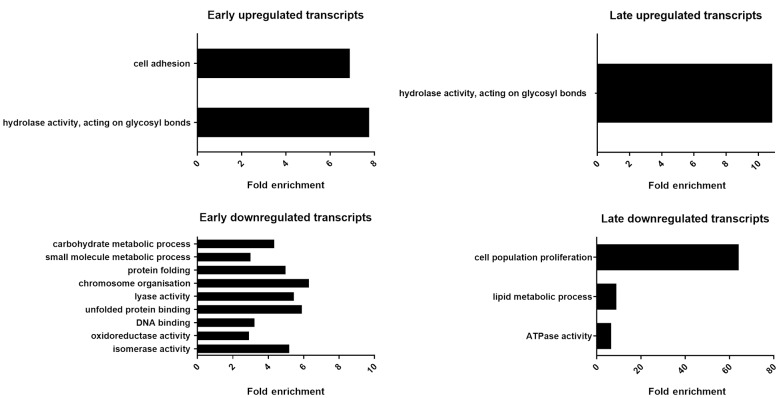 Figure 3
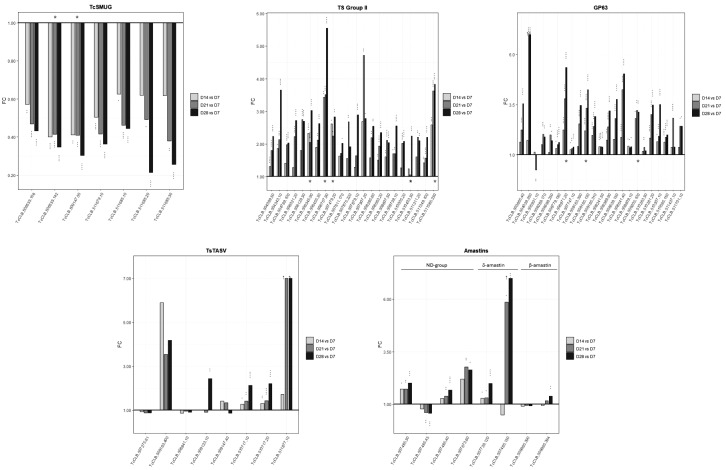 Figure 4
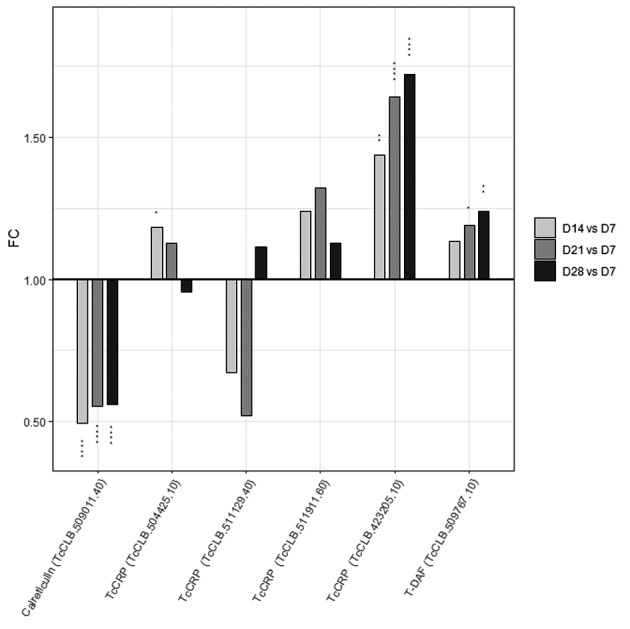 Figure 5
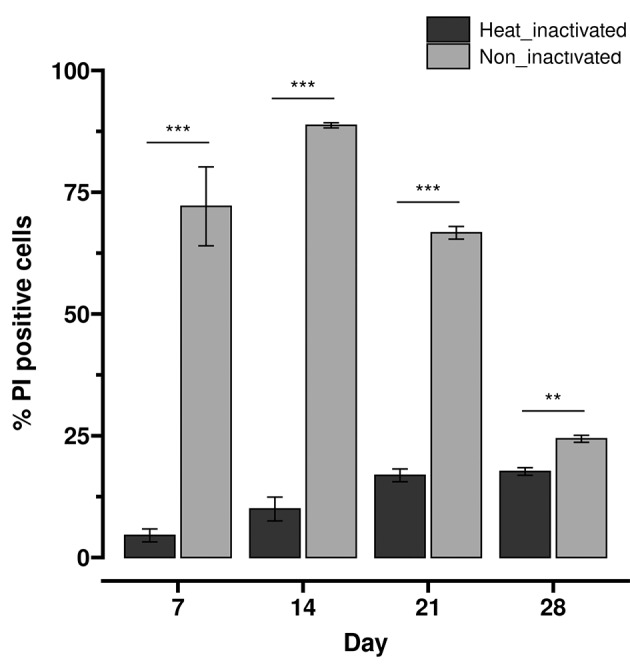 Figure 6
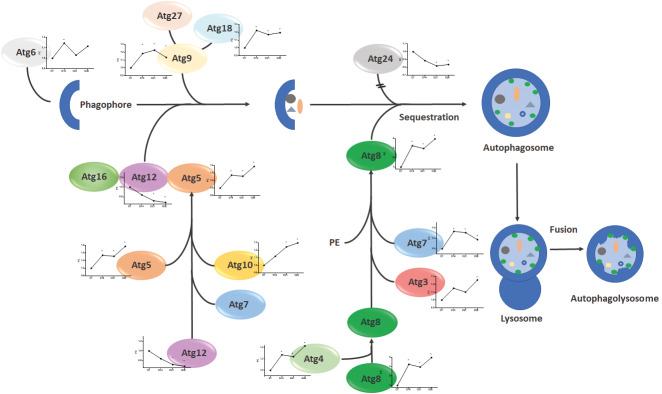 Figure 7
Peer Reviews
No public reviews on file for this paper yet. If you reviewed it on a platform where reviews are public (OpenReview, ICLR, NeurIPS, ICML), you can paste yours below so the community can read it here.
Videos
No videos yet. Explain this paper in a talk, walkthrough, or lecture? Add one.
Taxonomy
TopicsTrypanosoma species research and implications · Parasitic Diseases Research and Treatment · Research on Leishmaniasis Studies