From Mary Shelley to Netflix: a Pan-European perspective on public communication of neuroscience and neurotechnology
Ángeles Consuelo Gallar Martínez, Alicia De Lara González

TL;DR
This paper explores how neuroscience and neurotechnology are communicated to the public in Europe through various cultural and media formats.
Contribution
It presents a novel pan-European perspective on public engagement with neuroscience through 10 distinct communication methods.
Findings
Historical works like Mary Shelley's 'Frankenstein' reflect public fears about science.
Modern platforms like TED Talks and documentaries are influential in science communication.
Science fiction, despite inaccuracies, sparks ethical debates about neurotechnology.
Abstract
Scientific knowledge of the human brain has captivated the public’s attention and sparked their imagination for centuries. Comprehending the inner workings of the mind and the underlying molecular and physiological aspects of the central nervous system has long been the defining theme of contemporary Western scientific culture. Even as the focus has arguably shifted towards genomics in the early 21st century, the brain continues to hold the spotlight in science communication, perhaps bolstered by the hype surrounding Artificial Intelligence. Neuroscience and neurotechnology, with their connections to culture, identity, economic progress, and health, remain subjects of fascination for people of all ages who seek to understand the present and future implications of research in these fields. In this work, we explore 10 distinct ways of communication dealing with the subject of the brain,…
Genes, proteins, chemicals, diseases, species, mutations and cell lines named across the full text — each resolved to its canonical identifier and authoritative record.
Click any figure to enlarge with its caption.
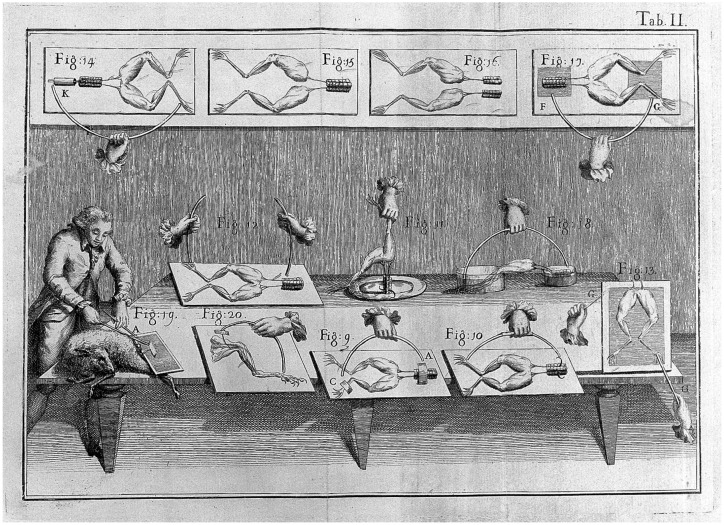 Figure 1
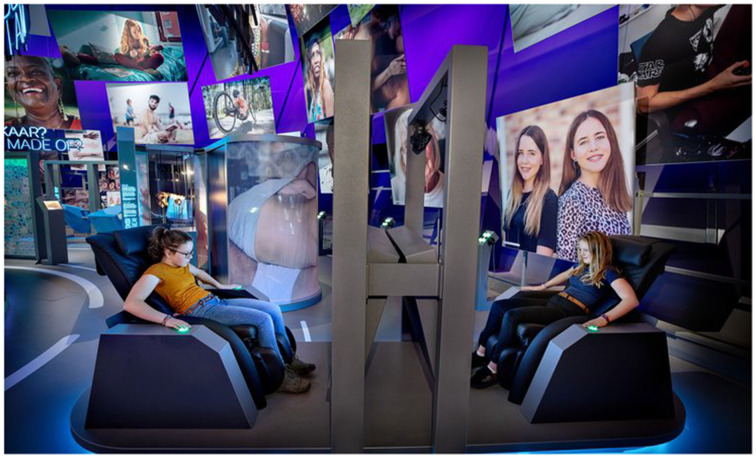 Figure 2
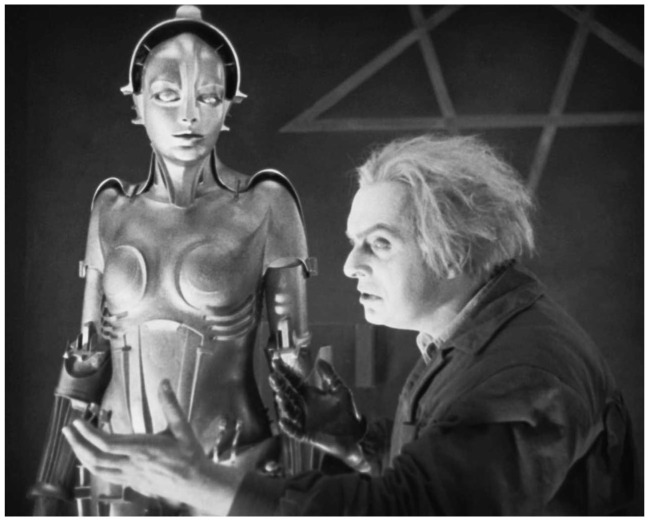 Figure 3
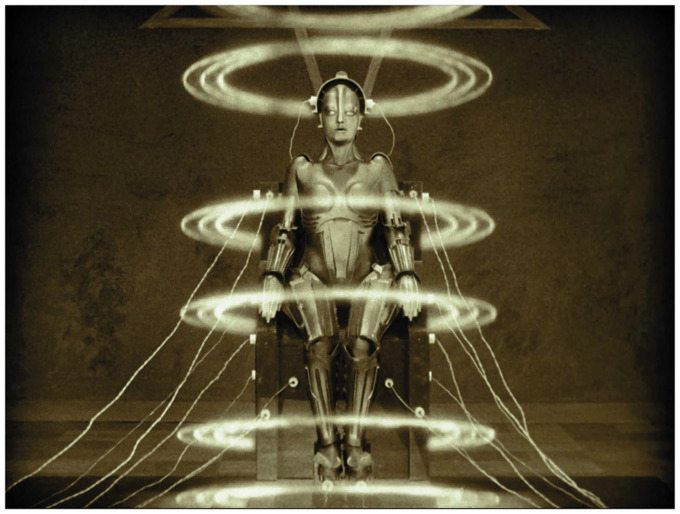 Figure 4
Peer Reviews
No public reviews on file for this paper yet. If you reviewed it on a platform where reviews are public (OpenReview, ICLR, NeurIPS, ICML), you can paste yours below so the community can read it here.
Videos
No videos yet. Explain this paper in a talk, walkthrough, or lecture? Add one.
Taxonomy
TopicsNeuroethics, Human Enhancement, Biomedical Innovations · Science Education and Perceptions · Neuroscience, Education and Cognitive Function