Conformations and sequence determinants in the lipid binding of an adhesive peptide derived from Vibrio cholerae biofilms
Xin Huang, Ramesh Prasad, Sarvagya Saluja, Yiyan Yang, Qi Yan, Sydney O. Shuster, Erdem Karatekin, Rich Olson, Chenxiang Lin, Caitlin M. Davis, Xiaofang Jiang, Huan-Xiang Zhou, Jing Yan, Jon Paczkowski, Jon Paczkowski, Jon Paczkowski, Jon Paczkowski

TL;DR
This paper explores how a peptide from Vibrio cholerae biofilms sticks to surfaces by changing shape and binding to lipids, offering insights for biofilm removal and adhesive design.
Contribution
The study reveals a lipid-induced β-hairpin conformation in a Vibrio cholerae adhesion peptide and its role in biofilm adhesion.
Findings
A central aromatic-rich motif in the peptide anchors it to lipid bilayers and forms a β-hairpin upon membrane contact.
Peripheral pseudo repeats enhance binding through avidity, working synergistically with the central motif.
The peptide is conserved across several Vibrio species and is sensitive to membrane curvature.
Abstract
Surface adhesion is critical to the survival of pathogenic bacteria both in natural niches and during infections, often via forming matrix-embedded communities called biofilms. Vibrio cholerae, the causal agent of pandemic cholera, is capable of forming biofilms adhering to both biotic and abiotic surfaces and the biofilm lifestyle has been implicated in promoting the survival of V. cholerae both in the natural reservoir and during host colonization. Previously, a 57-amino acid loop in the biofilm-specific adhesin Bap1 (Bap1-57aa) has been identified as a key contributor to the adhesion of V. cholerae biofilms to various surfaces including lipid membranes. However, the mechanism underlying its interaction with lipids, as well as its secondary structures, remain unresolved. Here, we combined biophysical, computational, and genetic approaches to elucidate the molecular mechanism of how…
Genes, proteins, chemicals, diseases, species, mutations and cell lines named across the full text — each resolved to its canonical identifier and authoritative record.
Click any figure to enlarge with its caption.
 Figure 1
 Figure 2
 Figure 3
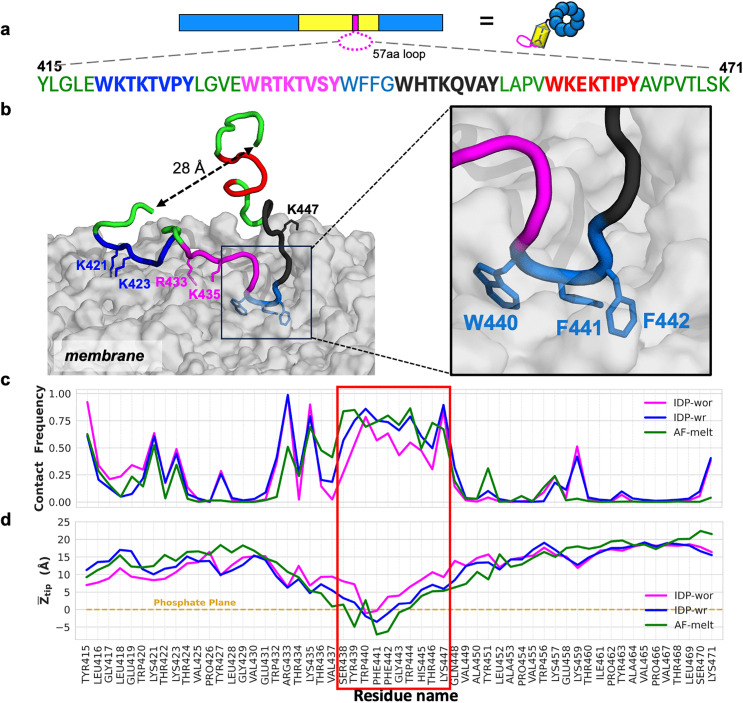 Figure 4
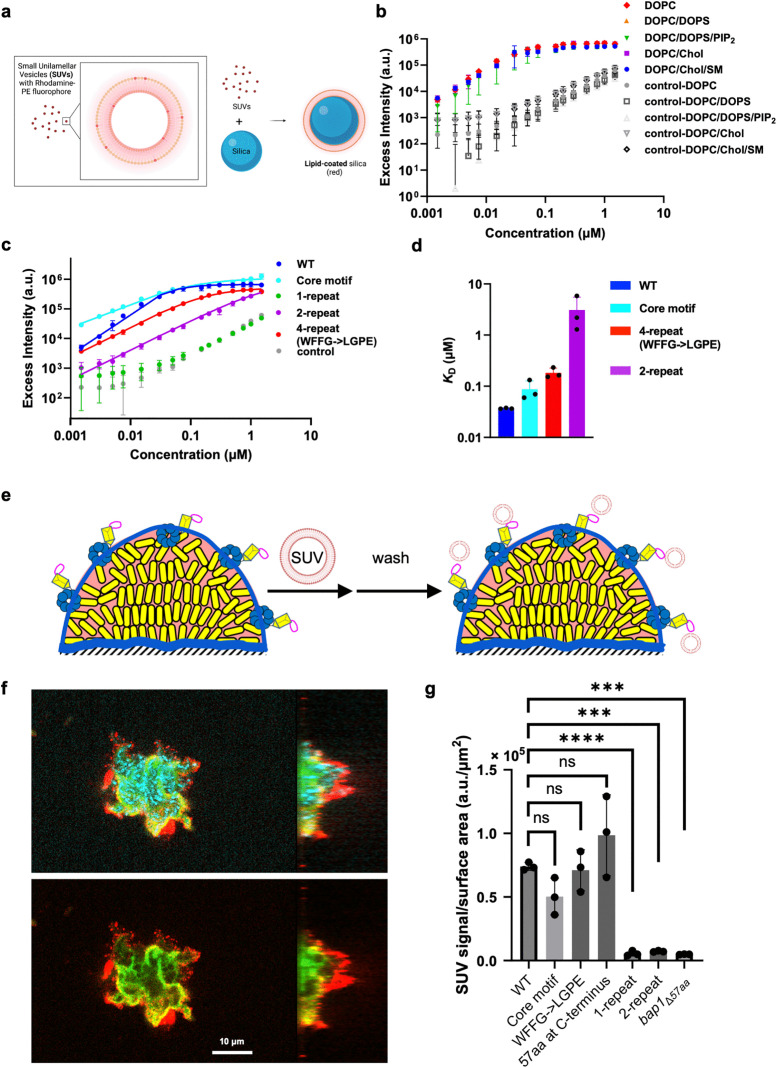 Figure 5
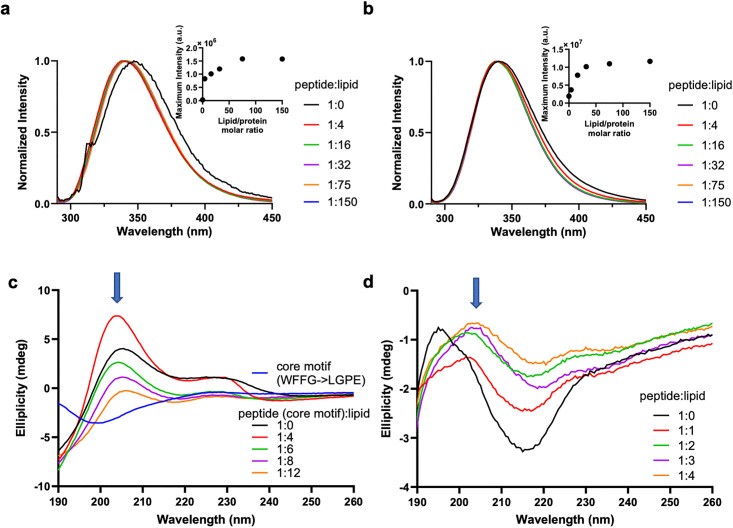 Figure 6
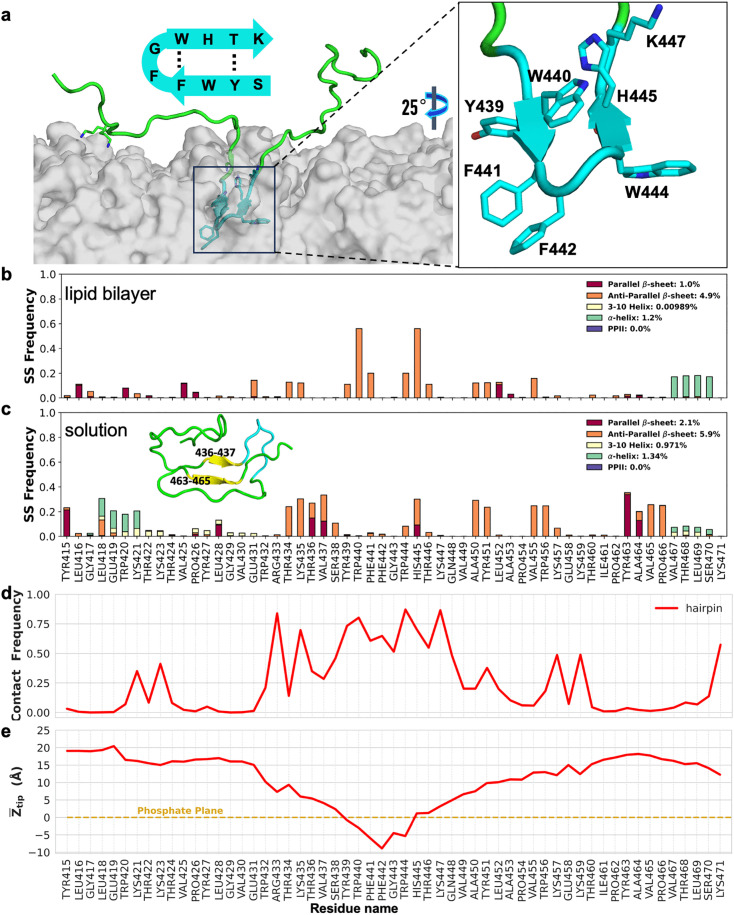 Figure 7
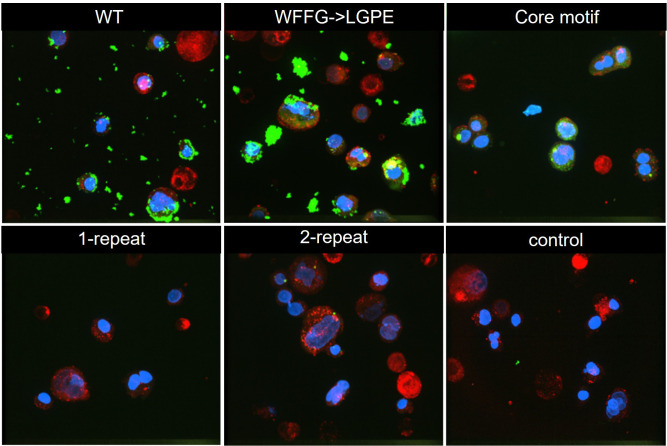 Figure 8
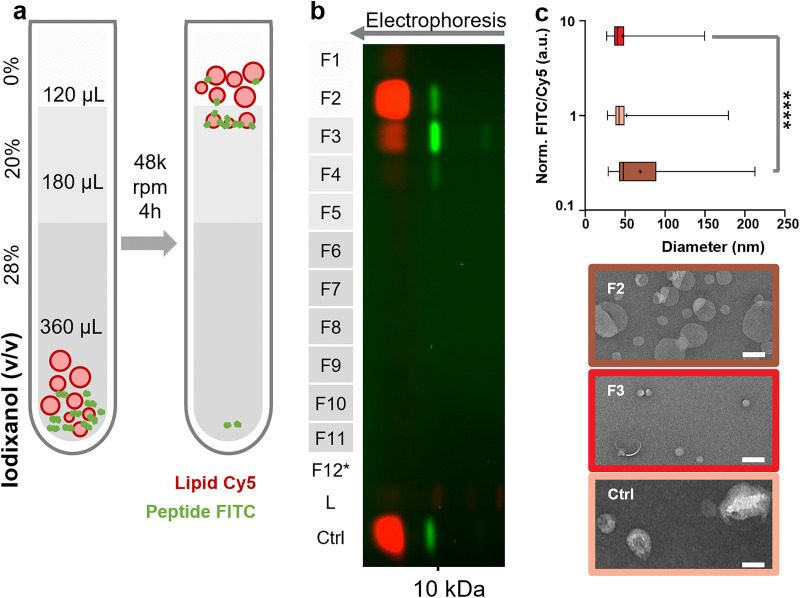 Figure 9
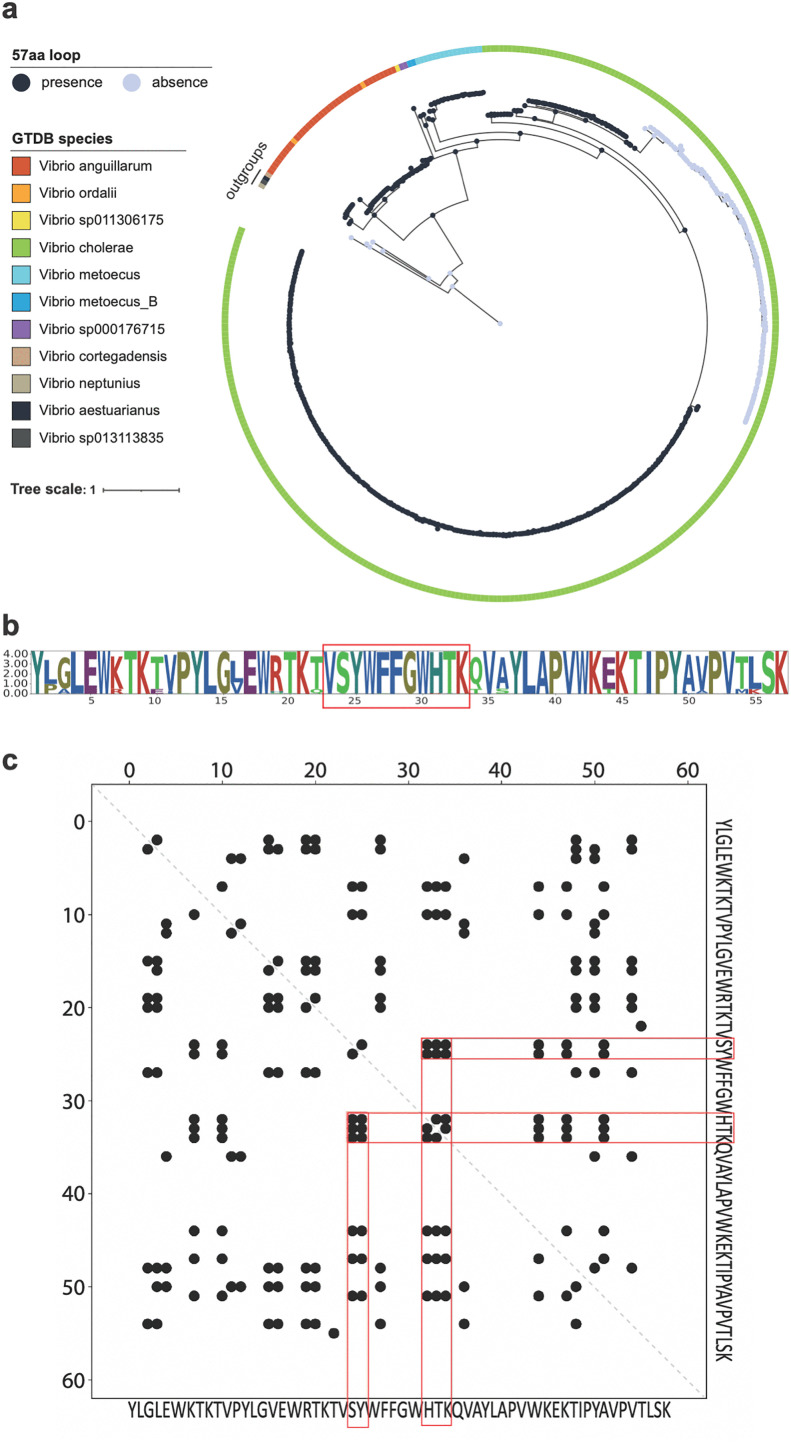 Figure 10
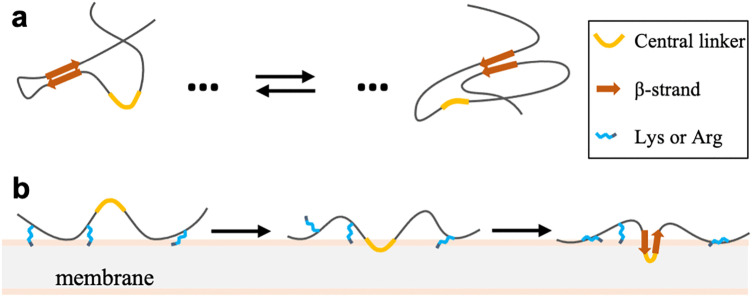 Figure 11
Peer Reviews
No public reviews on file for this paper yet. If you reviewed it on a platform where reviews are public (OpenReview, ICLR, NeurIPS, ICML), you can paste yours below so the community can read it here.
Videos
No videos yet. Explain this paper in a talk, walkthrough, or lecture? Add one.
Taxonomy
TopicsBacterial biofilms and quorum sensing · Vibrio bacteria research studies · Lipid Membrane Structure and Behavior