Dynamic expectation strength and precision shape human pain perception through shared and dissociable α-oscillatory mechanisms
Jia Li, Shihao Chen, Libo Zhang, Lingling Weng, Xinxin Lin, Yiheng Tu, Weiwei Peng

TL;DR
The study shows how changing expectations about pain affect brain activity and perception through specific alpha-wave patterns and brain regions.
Contribution
The paper introduces a dynamic framework for how expectation strength and precision modulate pain via dissociable α-oscillatory mechanisms.
Findings
Expectation strength enhances pain-evoked responses while precision suppresses them.
Anticipatory α-band activity mediates expectation effects through distinct topographical patterns.
DLPFC–SM1 integrates expectation components, with mPFC specifically linked to strength.
Abstract
Human pain perception is not solely driven by sensory input but is dynamically modulated by what we expect to feel and how confident we are in those expectations. Yet, the temporal mechanisms through which evolving expectations shape pain remain poorly understood. Here, we combined a probabilistic cueing paradigm with computational modeling and EEG to dissociate two core components of expectation: strength (a recency-weighted estimate of predicted pain) and precision (the inverse variability of recent predictions). Trial-wise strength estimates closely tracked subjective expectations and outperformed static cue labels, validating the model’s psychological relevance. Expectation strength and precision exerted dissociable effects on pain processing: strength enhanced, whereas precision suppressed, pain-evoked responses. Critically, anticipatory α-band activity mediated these effects via…
Genes, proteins, chemicals, diseases, species, mutations and cell lines named across the full text — each resolved to its canonical identifier and authoritative record.
Click any figure to enlarge with its caption.
 Figure 1
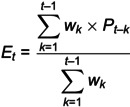 Figure 2
 Figure 3
 Figure 4
 Figure 5
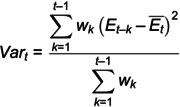 Figure 6
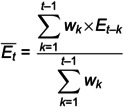 Figure 7
 Figure 8
 Figure 9
 Figure 10
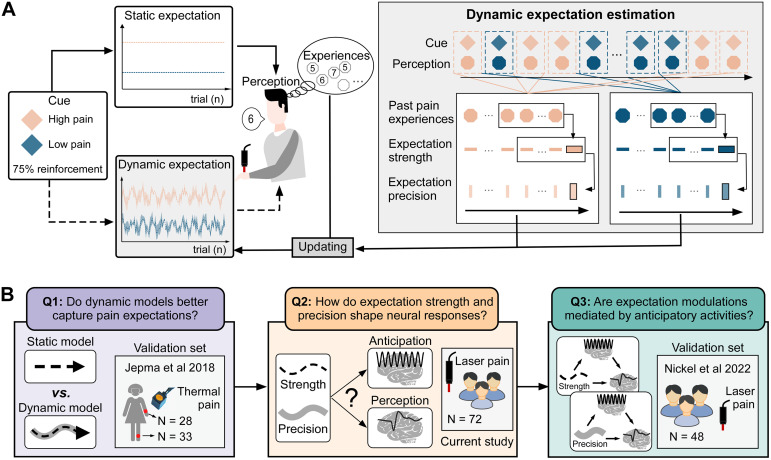 Figure 11
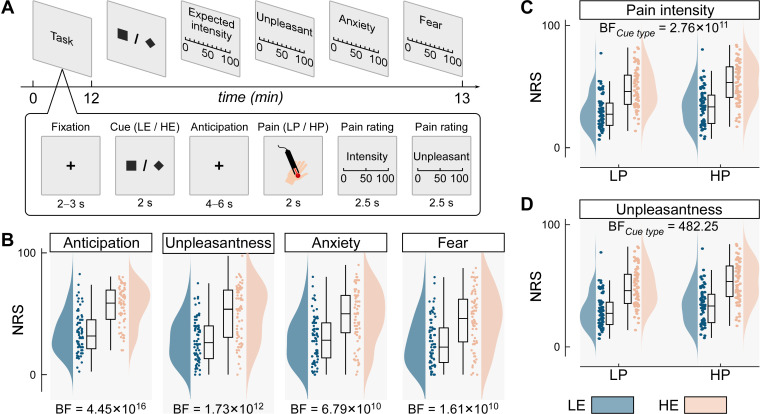 Figure 12
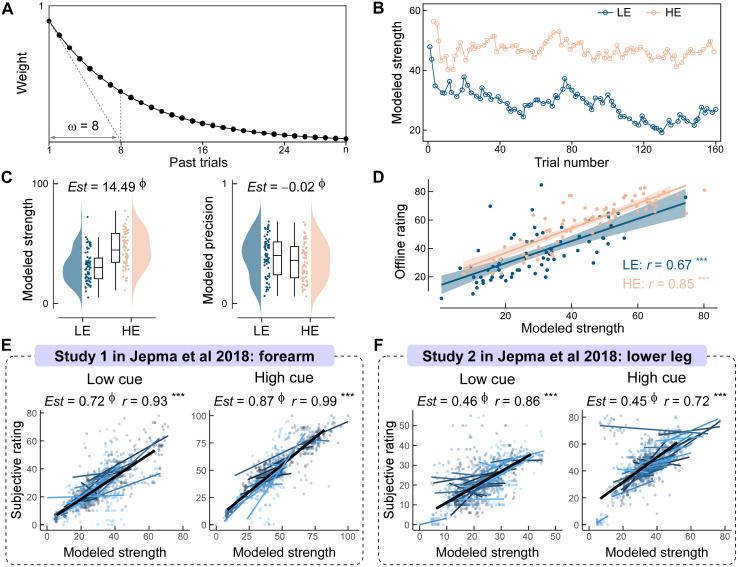 Figure 13
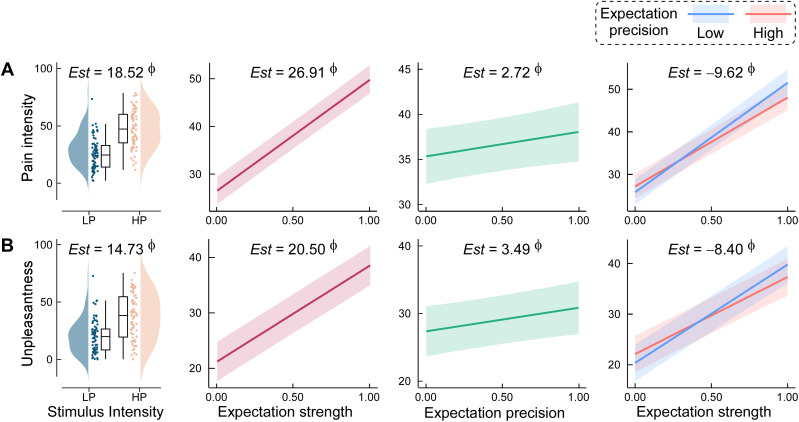 Figure 14
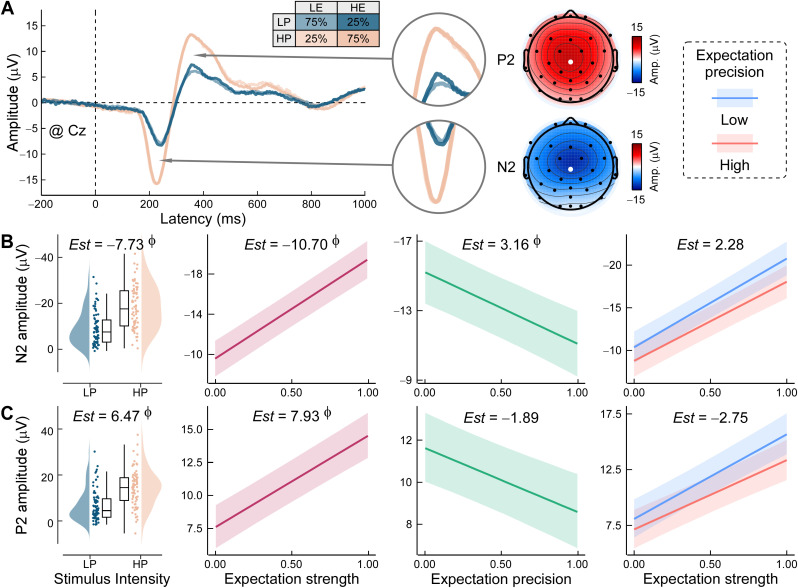 Figure 15
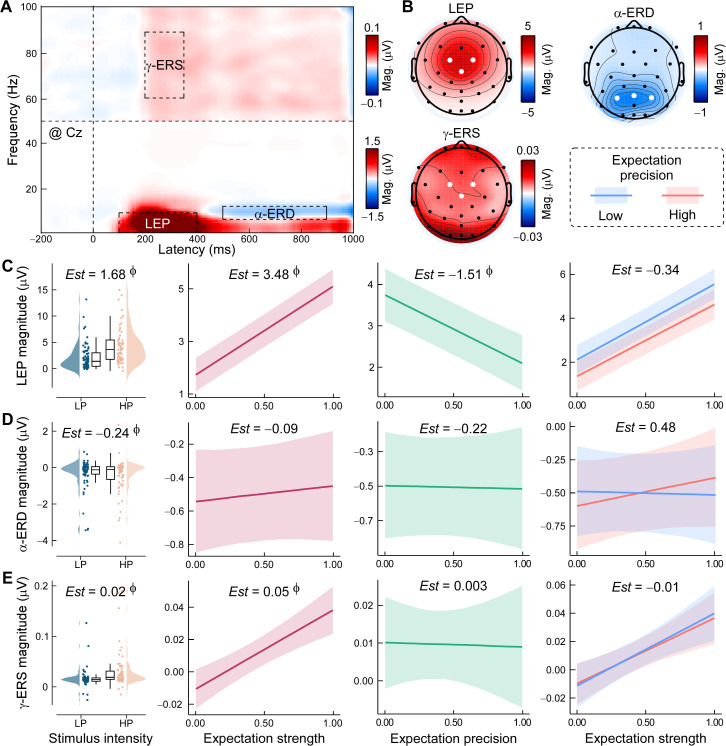 Figure 16
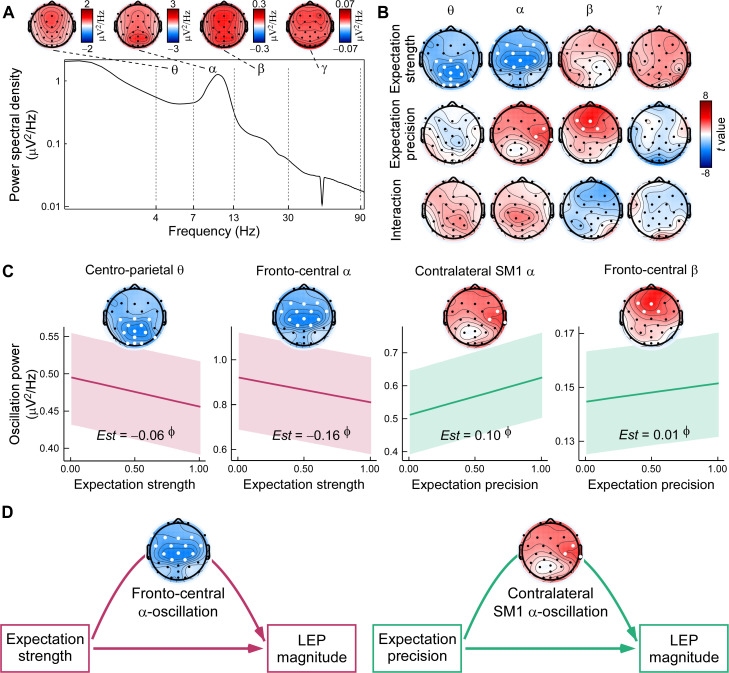 Figure 17
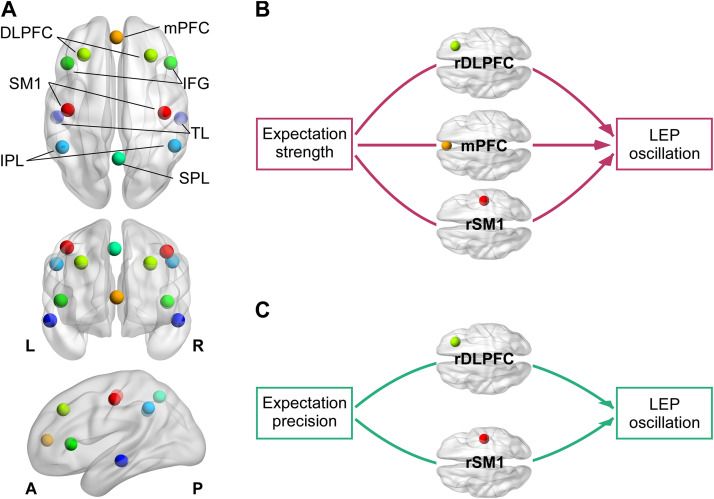 Figure 18
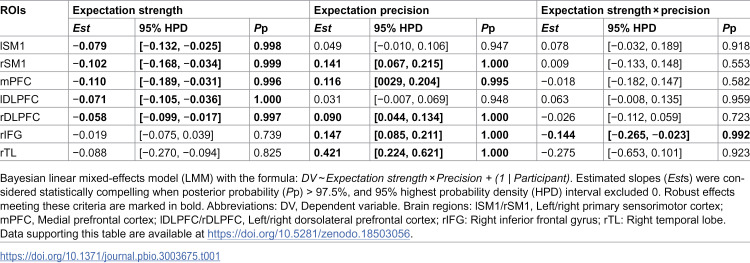 Figure 19
Peer Reviews
No public reviews on file for this paper yet. If you reviewed it on a platform where reviews are public (OpenReview, ICLR, NeurIPS, ICML), you can paste yours below so the community can read it here.
Videos
No videos yet. Explain this paper in a talk, walkthrough, or lecture? Add one.
Taxonomy
TopicsPain Mechanisms and Treatments · Neural and Behavioral Psychology Studies · Pain Management and Placebo Effect