Systemic inflammatory markers of visceral leishmaniasis treatment response in East Africa
Ayenew Addisu, Alice Bayiyana, João L. Reis Cunha, Daniel Matano, Brima M. Younis, Karen Hogg, Rebecca Wiggins, Wilson Biwott, Finnley Osuna, Christine Ichugu, Ayalew Jejaw Zeleke, Eleni Ayele, James Obondo Sande, Eltahir A. G. Khalil, Hussam M. H. Ibrahim, Mahmoud A. Mahmoud

TL;DR
This study examines how inflammatory markers change in East African patients with visceral leishmaniasis before and after treatment, finding partial recovery and potential indicators of treatment success.
Contribution
The study identifies specific inflammatory markers that change during treatment and may predict recovery or complications in East African VL patients.
Findings
Inflammatory markers like soluble TNF receptors and sCD40L changed between admission and end of treatment across four East African countries.
Haematological parameters and inflammation markers partially reverted to healthy ranges by the end of treatment.
Changes in inflammatory markers were associated with symptoms like hepatomegaly and splenomegaly.
Abstract
Visceral leishmaniasis (VL) is the most severe form of leishmaniasis, with East Africa accounting for ~70% of global burden. It primarily affects malnourished children, young adults, and HIV co-infected individuals. Clinical outcomes range from asymptomatic to fatal, with relapse mostly linked to HIV co-infection, splenomegaly, high parasite load, poor immune responses, and elevated IgG1 concentration. In rodent VL models, systemic immune and metabolic abnormalities persist at the end of the drug treatment regime. However, the immune status of VL patients in East Africa at the end of treatment is not fully understood. We conducted ImmStat@cure, a multicentre clinical study to assess clinical and immune profiles of VL patients at admission and end of treatment (EoT) in East African countries. Clinical, haematological and inflammatory markers data were collected from patients from…
Genes, proteins, chemicals, diseases, species, mutations and cell lines named across the full text — each resolved to its canonical identifier and authoritative record.
Click any figure to enlarge with its caption.
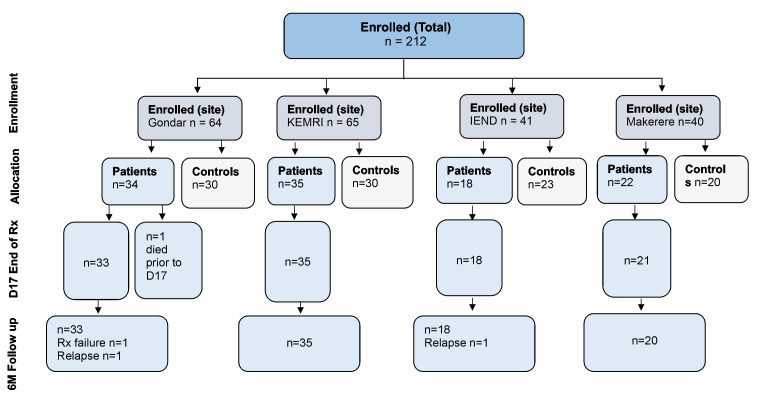 Figure 1
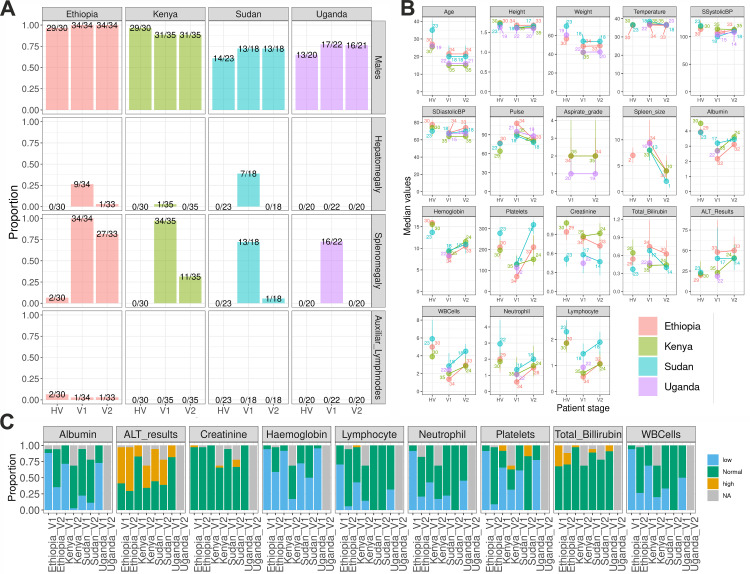 Figure 2
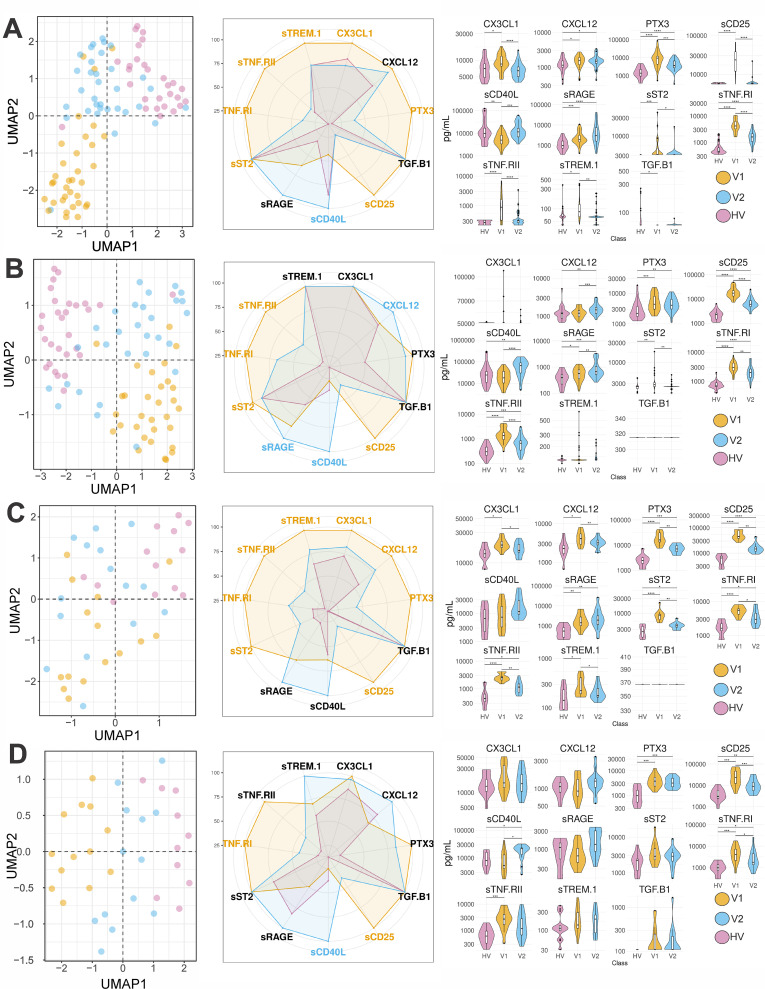 Figure 3
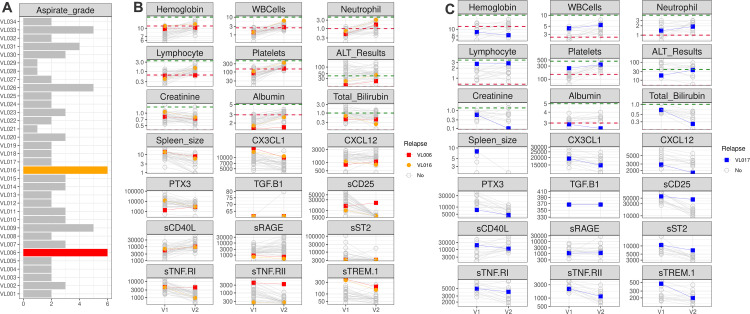 Figure 4
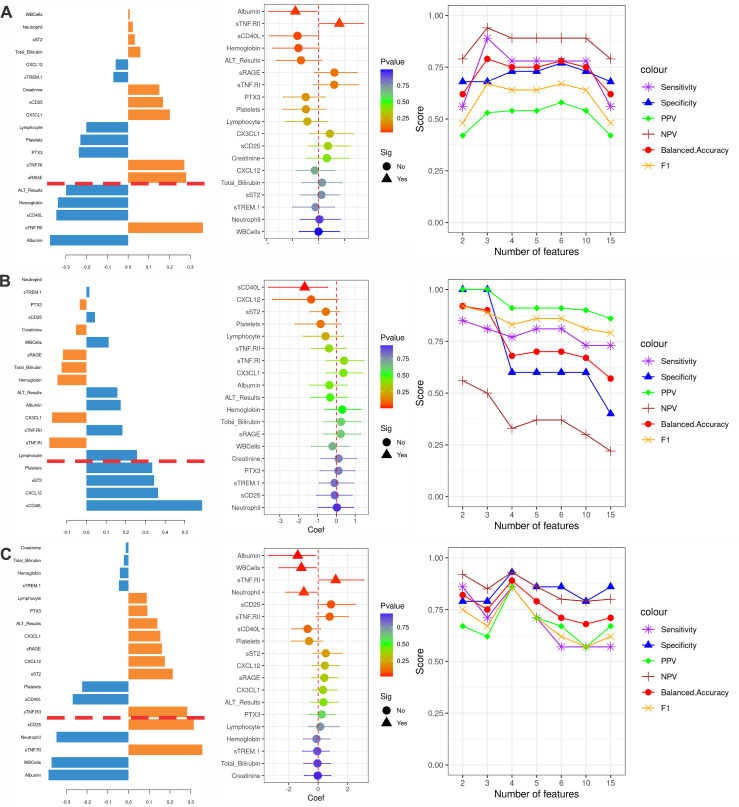 Figure 5
Peer Reviews
No public reviews on file for this paper yet. If you reviewed it on a platform where reviews are public (OpenReview, ICLR, NeurIPS, ICML), you can paste yours below so the community can read it here.
Videos
No videos yet. Explain this paper in a talk, walkthrough, or lecture? Add one.
Taxonomy
TopicsResearch on Leishmaniasis Studies · Macrophage Migration Inhibitory Factor · Cytokine Signaling Pathways and Interactions