Late Presentation of Brachial Plexus Traction Injury After Fixation of Chronic Clavicle Nonunion Mimicking Brachial Plexitis: A Case Report and Literature Review
John G Skedros, John T Cronin, Kevin B Curtis, Jessie A Montgomery, Brett W Richards, Mark A Mahan

TL;DR
A man developed nerve issues after clavicle surgery, and this case study explores whether it was due to a surgical complication or a separate nerve condition.
Contribution
This case highlights a rare iatrogenic brachial plexus injury misdiagnosed as brachial plexopathy, offering insights into surgical decision-making and long-term outcomes.
Findings
Neuromotor deficits worsened after a second clavicle surgery, suggesting iatrogenic nerve injury.
A 7-year follow-up showed recovery patterns inconsistent with typical brachial plexopathy.
The case emphasizes the importance of considering surgical complications in postoperative nerve dysfunction.
Abstract
We report the case of a healthy 56-year-old male who developed severe neuromotor deficits of his upper extremity after two surgeries for a chronic clavicle fracture nonunion. Initial reconstruction with plate fixation achieved anatomic alignment. Twelve days later, diffuse numbness and weakness developed in his ipsilateral hand. A second (and final) clavicle surgery was then performed to increase the subclavicular space, after which his neuromotor deficits dramatically worsened. Because brachial plexopathy, specifically Parsonage-Turner syndrome (PTS), was considered the most likely diagnosis, no further clavicle or brachial plexus surgery was performed, as this would likely not alter the course of this inflammatory condition. Retrospective analysis suggests that iatrogenic nerve traction injury was the most likely cause of the deficits, rather than brachial plexopathy/PTS. The initial…
Genes, proteins, chemicals, diseases, species, mutations and cell lines named across the full text — each resolved to its canonical identifier and authoritative record.
Click any figure to enlarge with its caption.
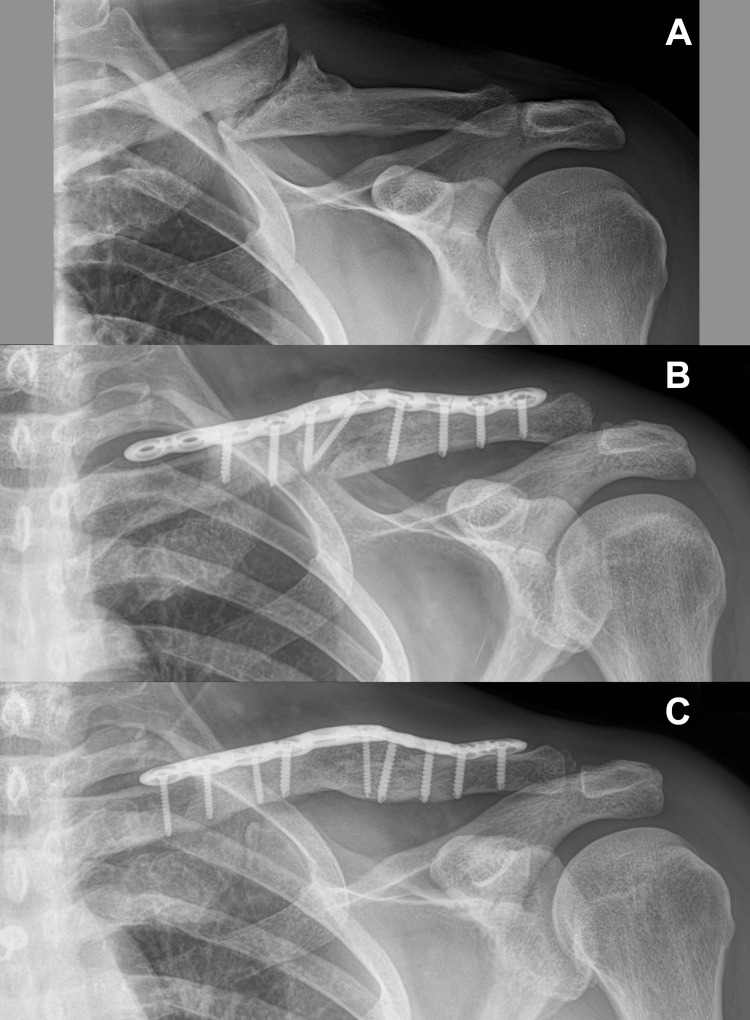 Figure 1
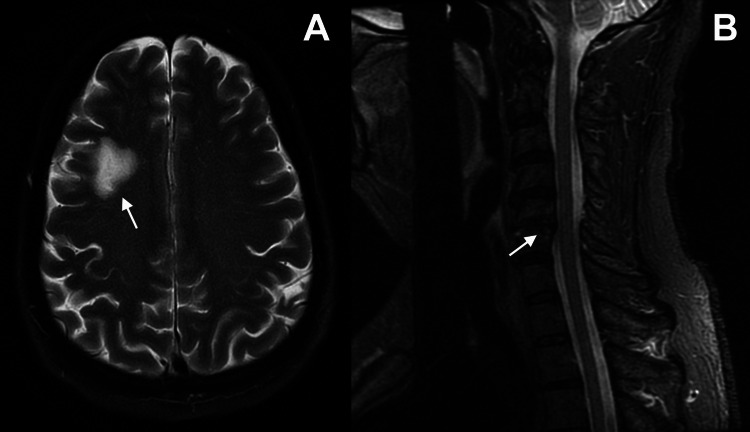 Figure 2
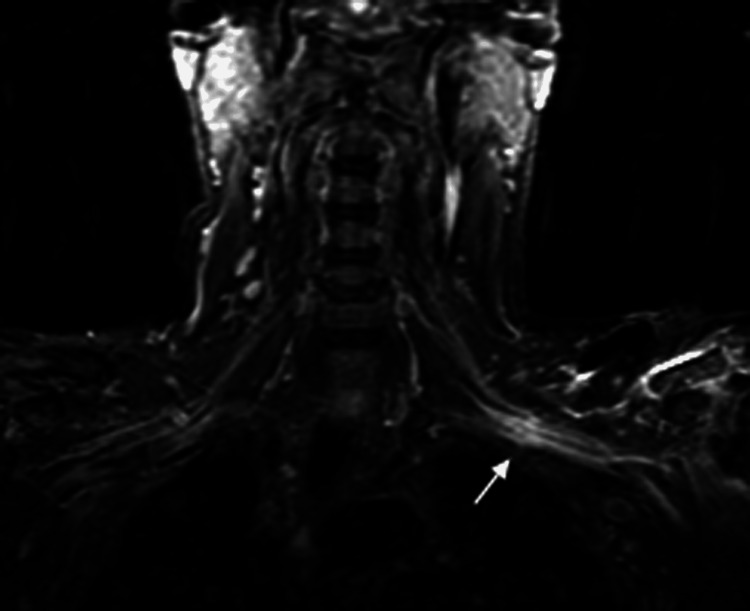 Figure 3
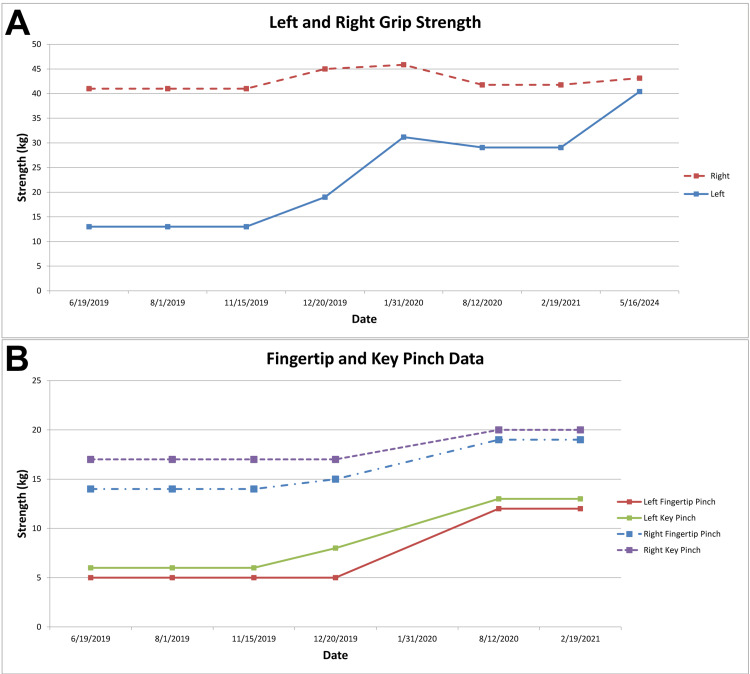 Figure 4
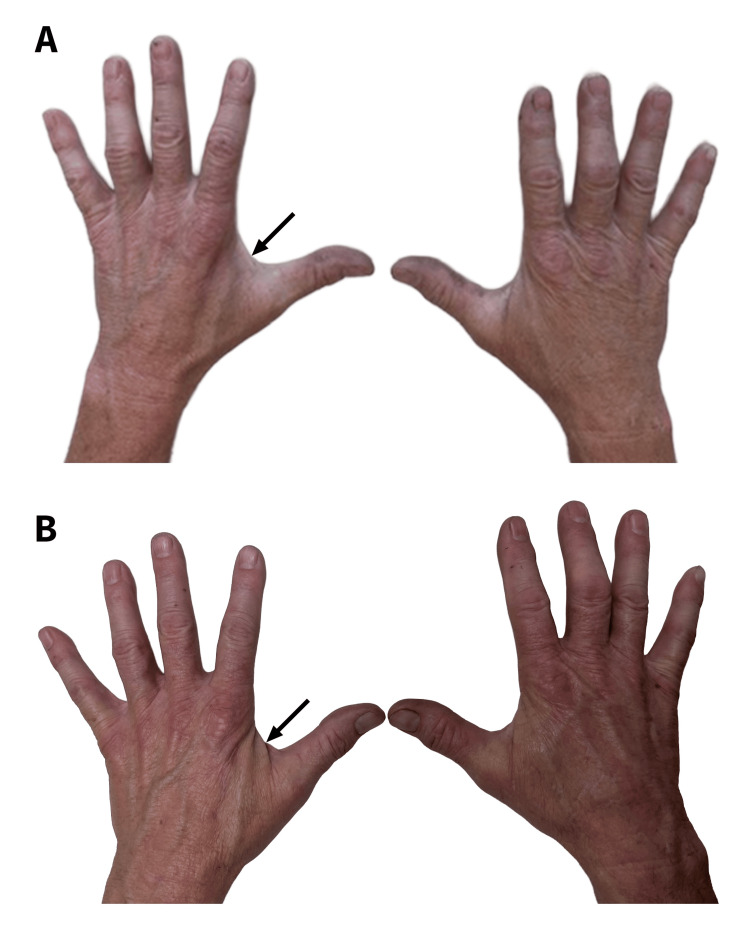 Figure 5
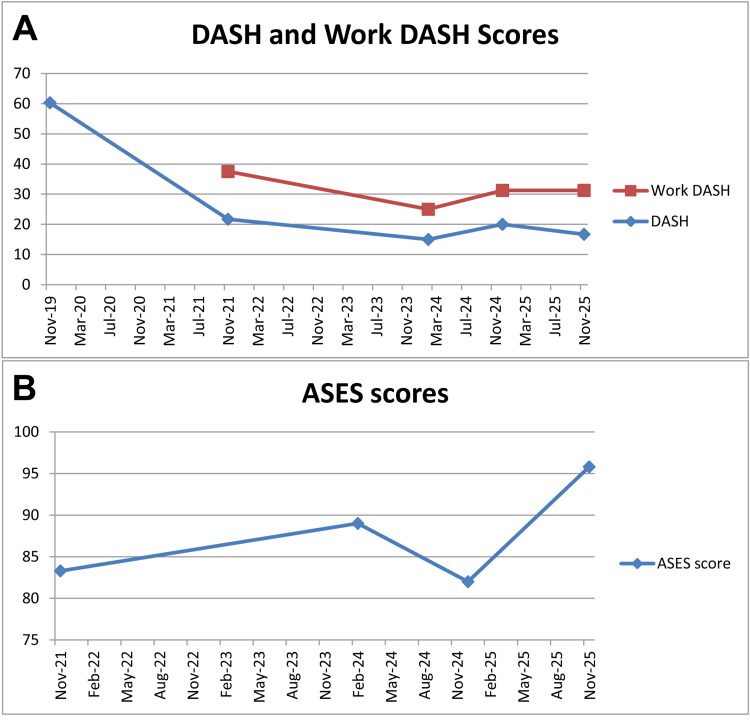 Figure 6
Peer Reviews
No public reviews on file for this paper yet. If you reviewed it on a platform where reviews are public (OpenReview, ICLR, NeurIPS, ICML), you can paste yours below so the community can read it here.
Videos
No videos yet. Explain this paper in a talk, walkthrough, or lecture? Add one.
Taxonomy
TopicsPeripheral Nerve Disorders · Nerve Injury and Rehabilitation · Shoulder and Clavicle Injuries