Tianhuang formula attenuates cardiomyocyte pyroptosis in myocardial infarction by suppressing oxidative stress and the cGAS–STING–NLRP3 axis
Meiling Yan, Yifan Chen, Guida Cai, Xi Zhang, Kunping Li, Duosheng Luo, Lexun Wang, Xianglu Rong, Jiao Guo

TL;DR
Tianhuang formula protects heart cells from dying after a heart attack by reducing stress and inflammation through specific molecular pathways.
Contribution
The study reveals that Tianhuang formula inhibits heart cell death via the cGAS–STING–NLRP3 axis and oxidative stress suppression in myocardial infarction.
Findings
THF improved cardiac function in both acute and remodeling phases of MI in mice.
THF reduced inflammation and inhibited cardiomyocyte pyroptosis via suppression of oxidative stress and the cGAS–STING–NLRP3 axis.
Key THF components showed strong binding to human Keap1 and cGAS via molecular docking.
Abstract
Myocardial infarction (MI) remains a leading cause of morbidity and mortality, driven by ischemia/reperfusion injury, excessive inflammation, and maladaptive ventricular remodeling. Although acute reperfusion strategies have improved short-term outcomes, effective interventions targeting post-infarction inflammation and structural deterioration remain limited. Tianhuang Formula (THF), a patented two-herb prescription traditionally used to promote circulation and alleviate stasis, has shown potential cardioprotective properties, yet its mechanisms in MI remain insufficiently defined. To evaluate the therapeutic effects of THF in a mouse MI model induced by left anterior descending (LAD) coronary artery ligation and elucidate its underlying molecular mechanisms. Echocardiography was performed at 3 and 28 days post-MI to assess cardiac function. Network pharmacology integrated with…
Genes, proteins, chemicals, diseases, species, mutations and cell lines named across the full text — each resolved to its canonical identifier and authoritative record.
Click any figure to enlarge with its caption.
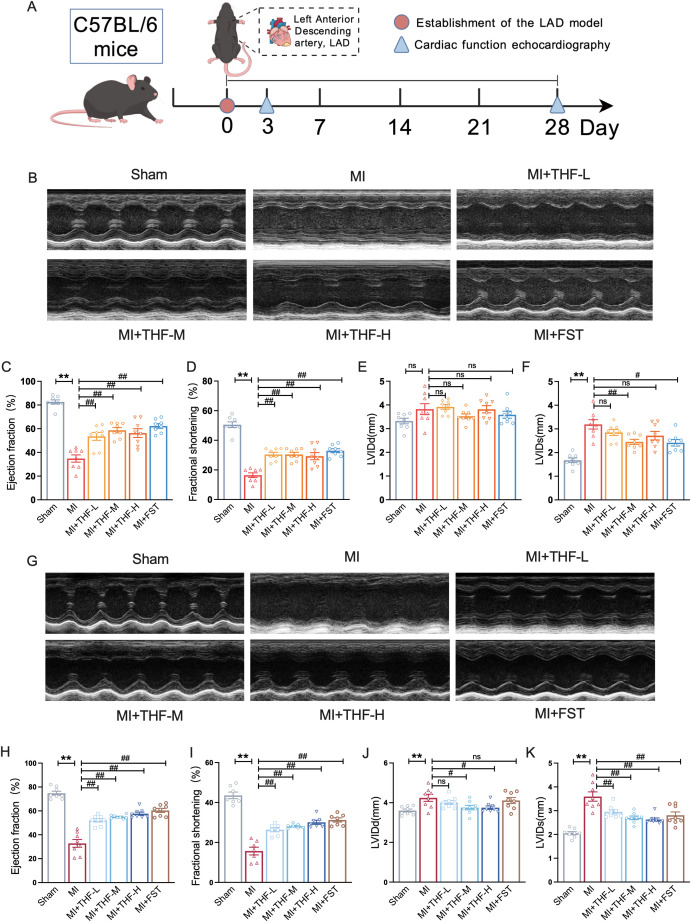 Figure 1
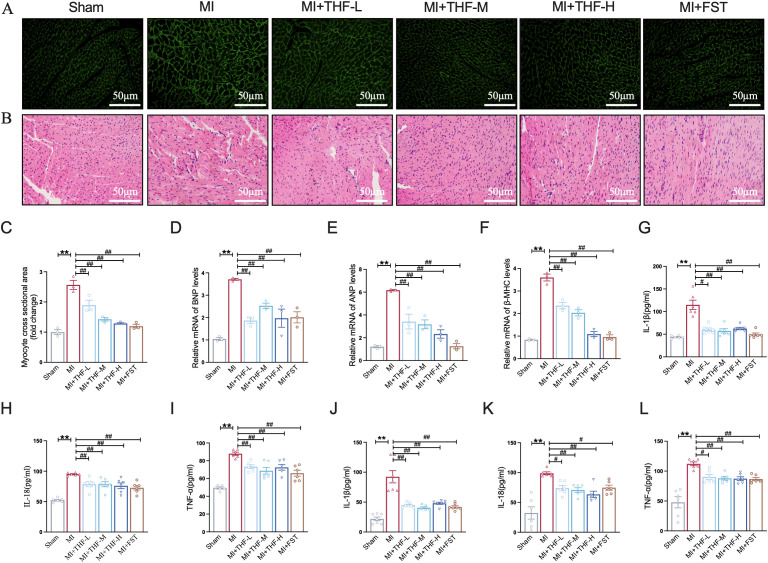 Figure 2
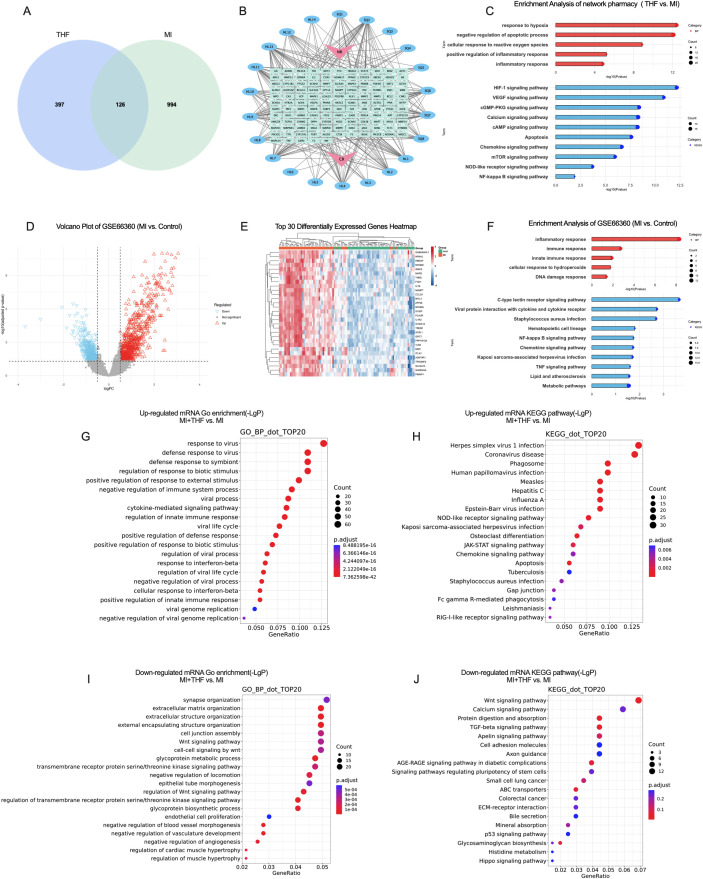 Figure 3
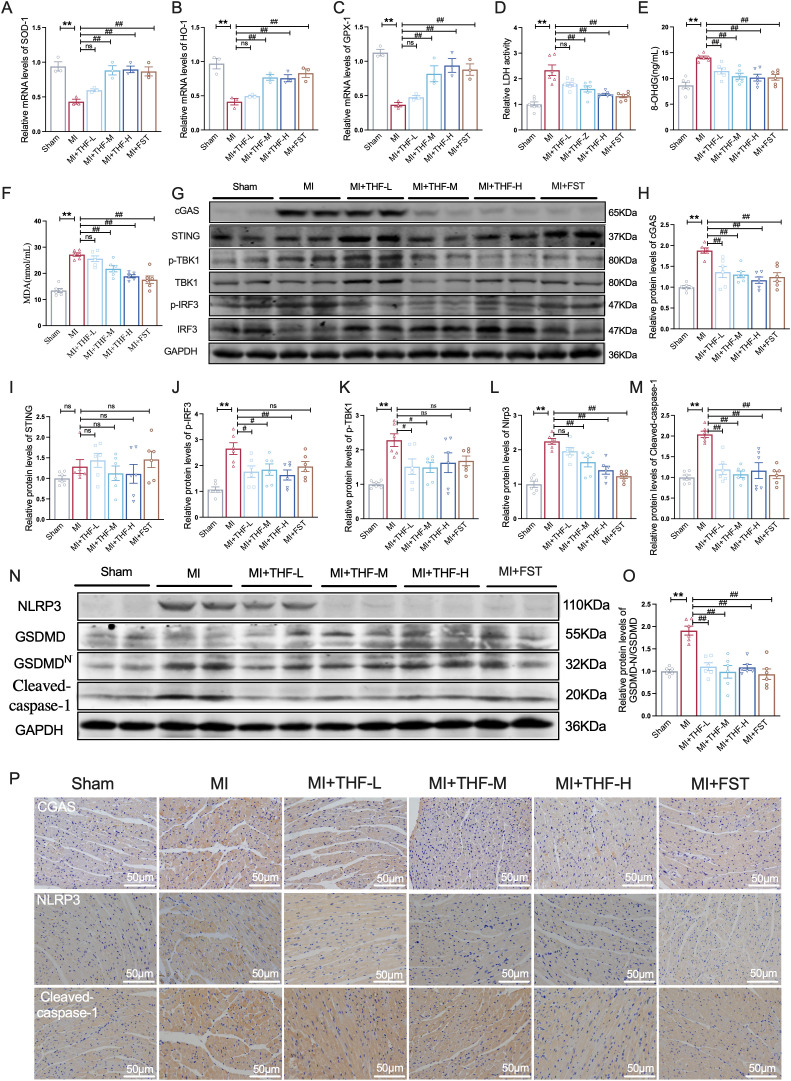 Figure 4
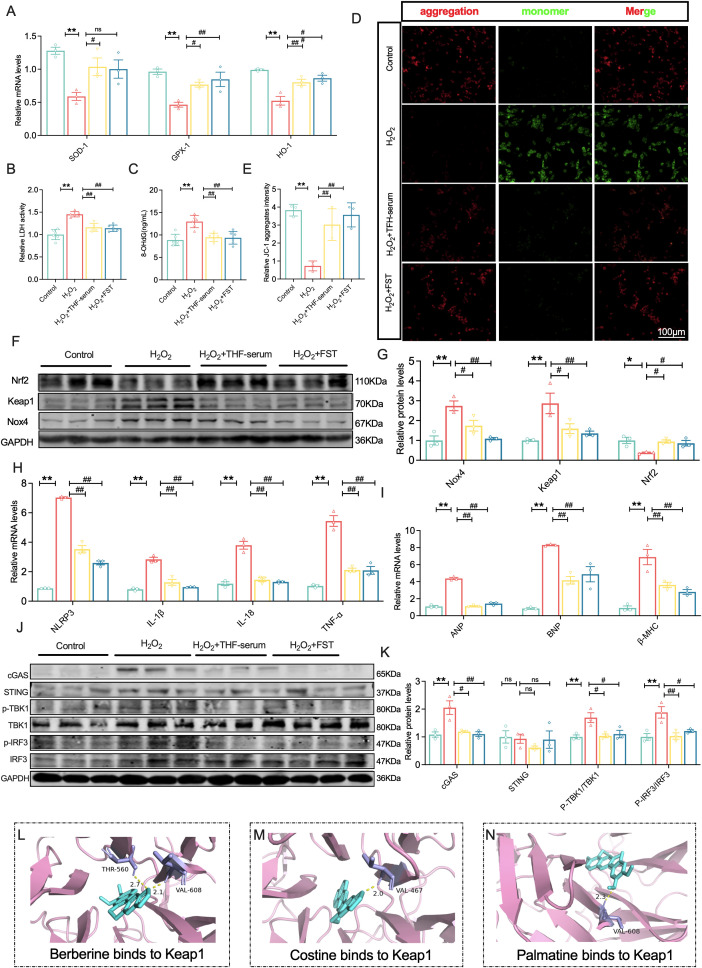 Figure 5
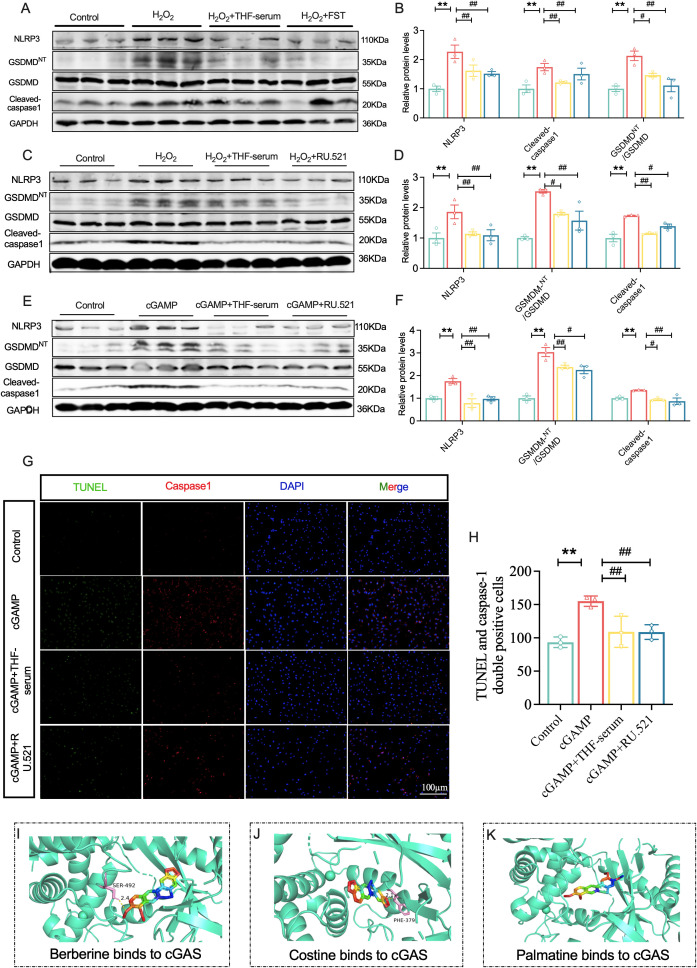 Figure 6
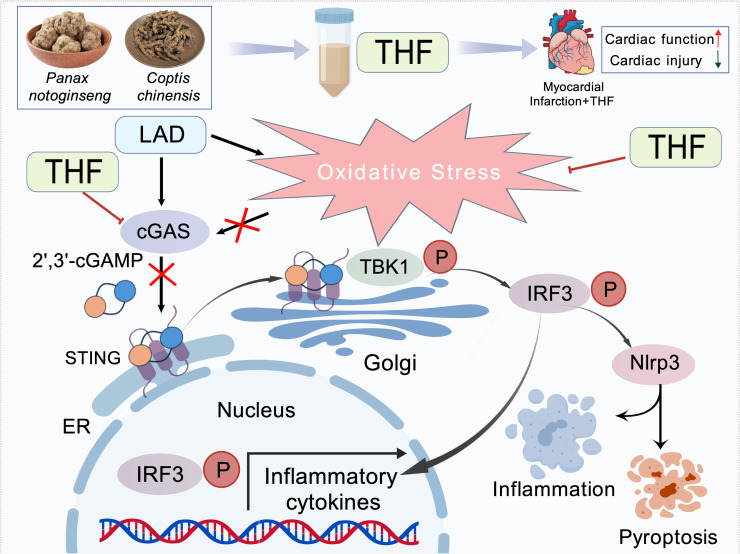 Figure 7
Peer Reviews
No public reviews on file for this paper yet. If you reviewed it on a platform where reviews are public (OpenReview, ICLR, NeurIPS, ICML), you can paste yours below so the community can read it here.
Videos
No videos yet. Explain this paper in a talk, walkthrough, or lecture? Add one.
Taxonomy
TopicsInflammasome and immune disorders · interferon and immune responses · Cardiac Fibrosis and Remodeling