An integrative analysis reveals the mechanism of plastic stabilizers inducing breast cancer
Xingfa Huo, Xueqin Duan, Xiaojuan Huang, Linyuan Xue, Lantao Zhao, Yufeng Li, Xiaochun Zhang, Na Zhou

TL;DR
This study shows that plastic stabilizers may promote breast cancer by activating specific genes linked to tumor progression.
Contribution
The study introduces a novel integrative approach combining network toxicology and biological validation to assess the carcinogenic risks of plastic stabilizers.
Findings
Plastic stabilizers bind to and activate core genes like MAPK14, PIM1, and TRDMT1 in breast cancer cells.
High expression of these genes correlates with poor prognosis in breast cancer patients.
Exposure to plastic stabilizers increases cancer cell proliferation and migration in vitro.
Abstract
Plastic stabilizers (PSs) are chemical additives that are widely used to inhibit the degradation of plastics. However, their safety concerns and potential carcinogenic risks remain unclear. This study employed network toxicology strategies to elucidate the potential toxic effects and underlying molecular mechanisms of representative PSs, including 2,6-di-tert-butylphenol (2,6-DTB), tert-butylhydroquinone (TBHQ), and 2-(2H-benzotriazol-2-yl)-4,6-di-tert-pentylphenol (UV-328) in breast cancer (BC). Herein, we identified 69 potential genes related to PSs exposure and BC, and optimized five core targets: GSK3B, MAPK14, PARP1, PIM1, and TRDMT1, through subsequent LASSO and SVM algorithms. Based on these core genes, we constructed risk score and nomogram models, both of which revealed that high expression of these five core genes predicts poor prognosis in BC patients. Additionally, molecular…
Genes, proteins, chemicals, diseases, species, mutations and cell lines named across the full text — each resolved to its canonical identifier and authoritative record.
Click any figure to enlarge with its caption.
 Figure 1
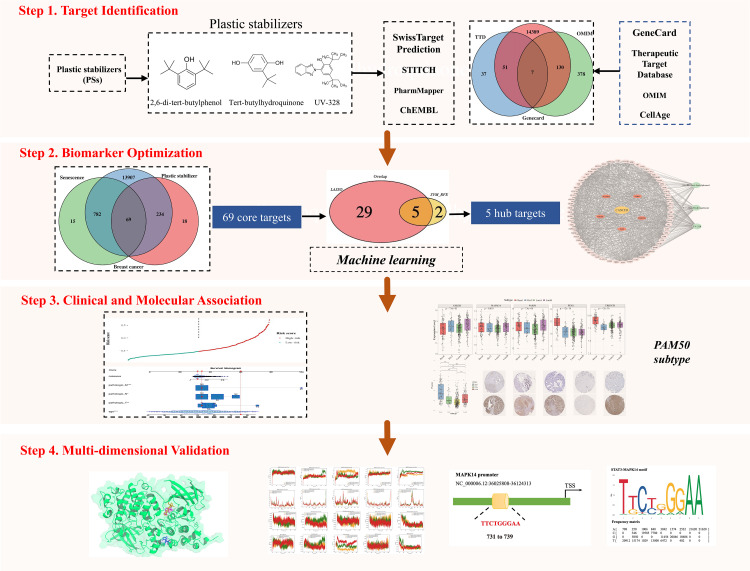 Figure 2
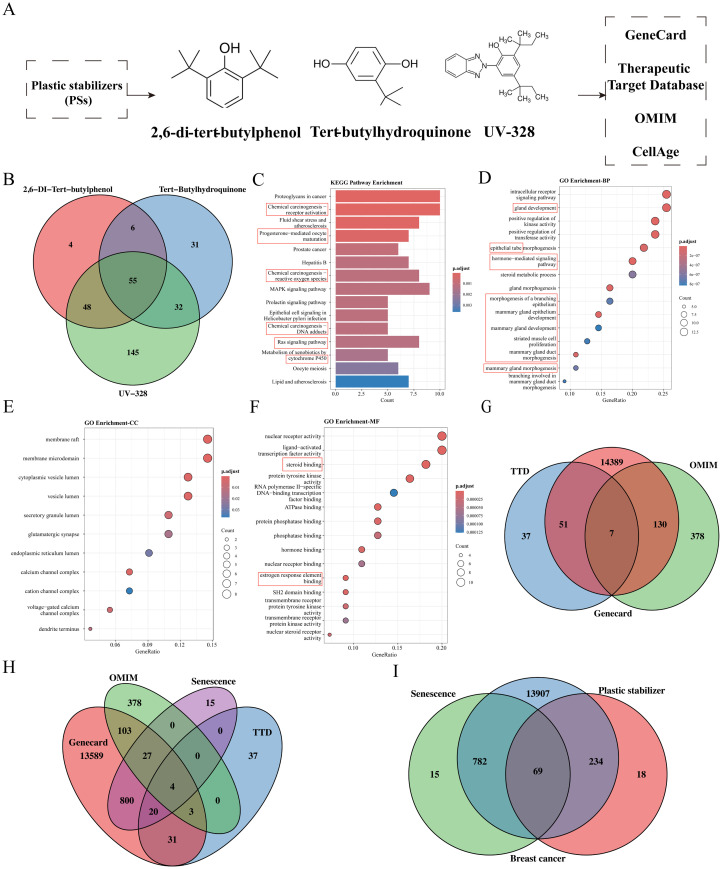 Figure 3
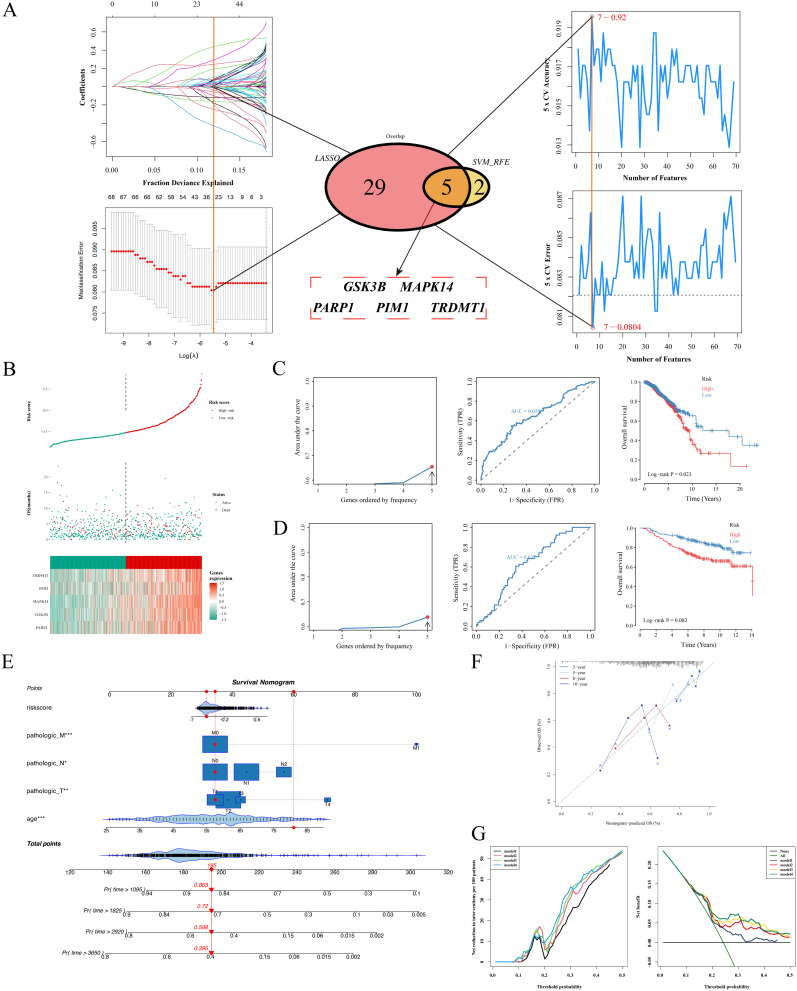 Figure 4
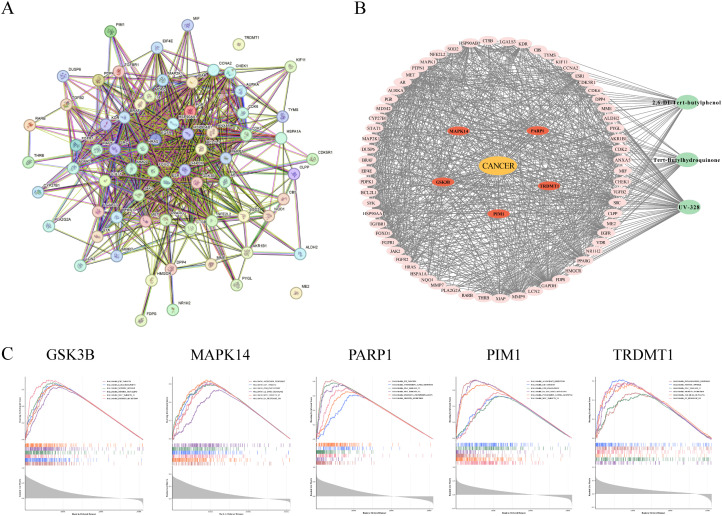 Figure 5
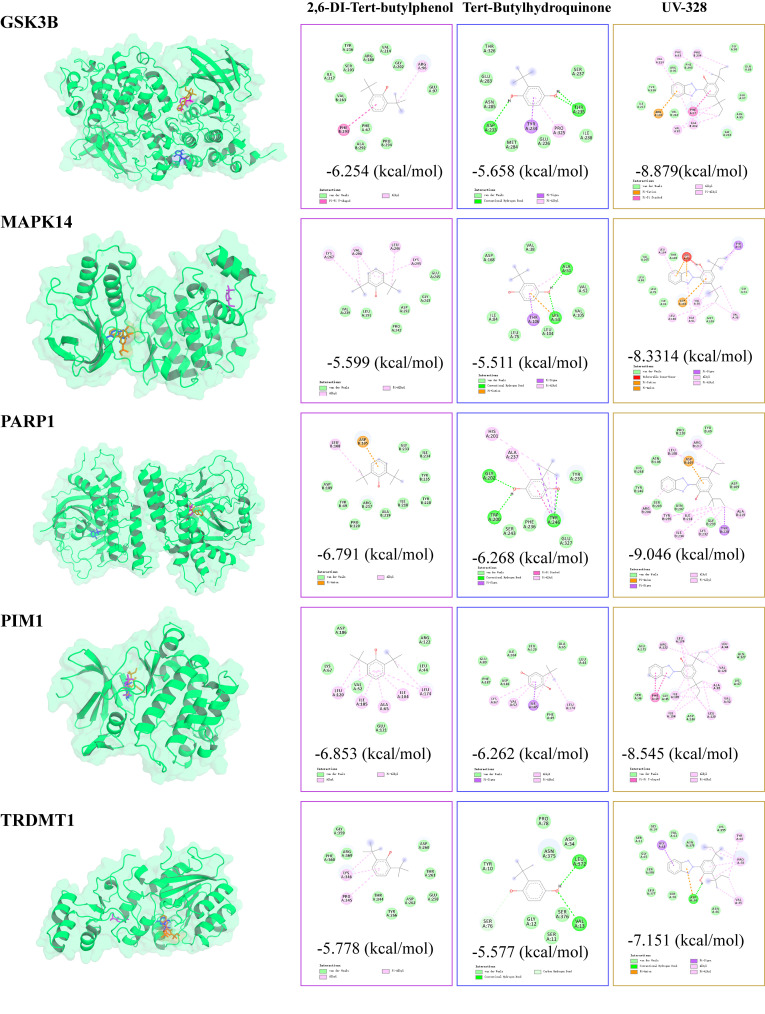 Figure 6
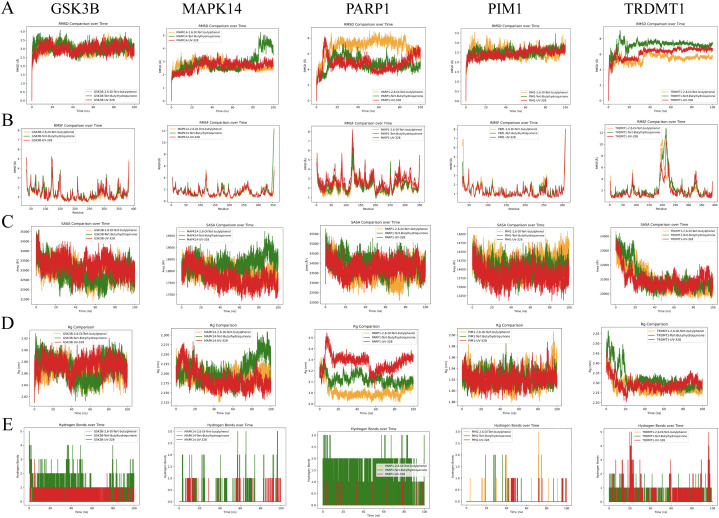 Figure 7
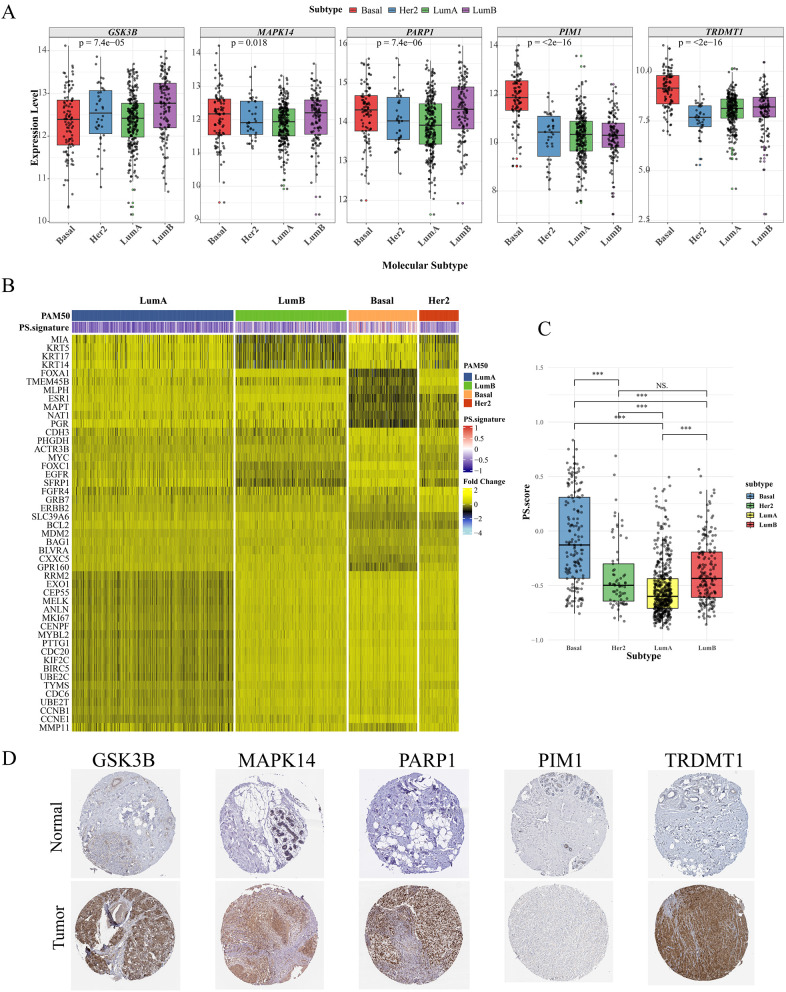 Figure 8
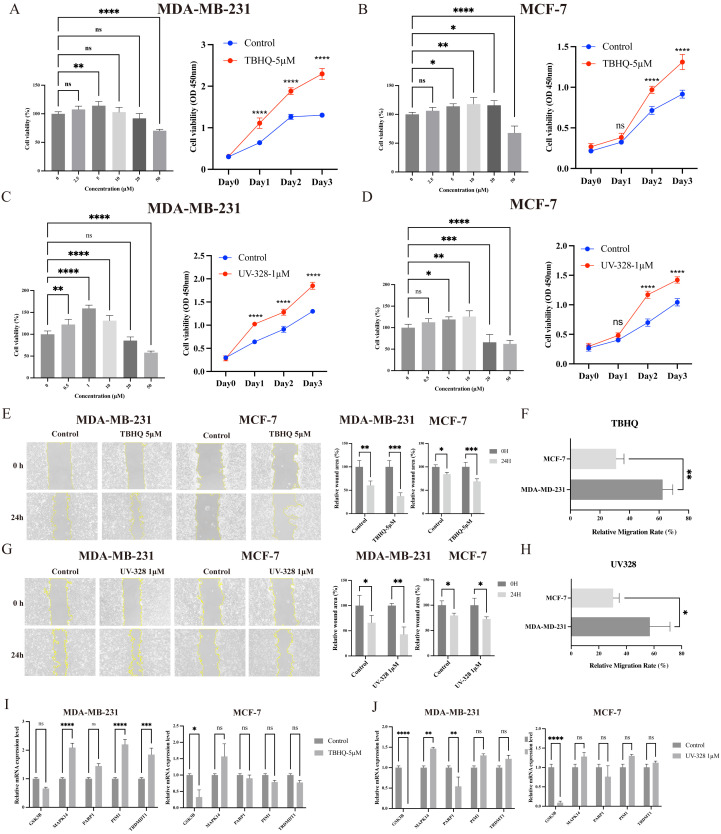 Figure 9
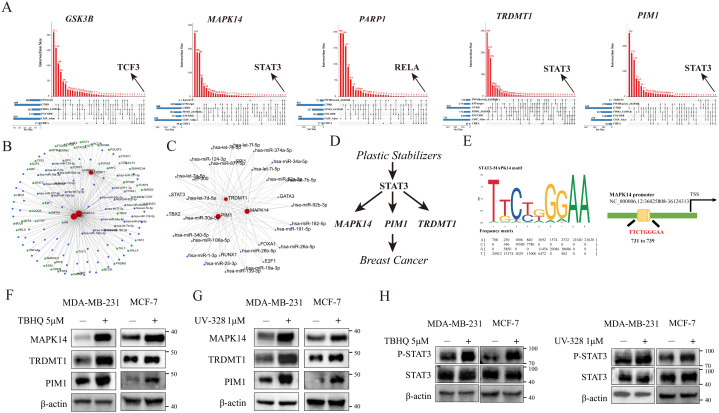 Figure 10
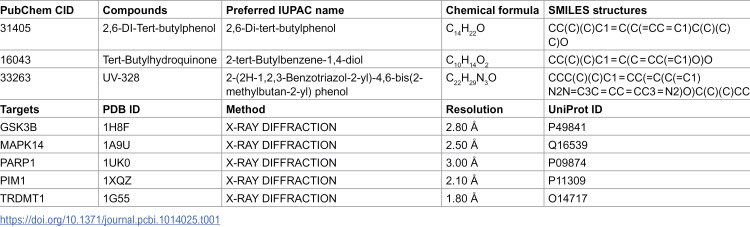 Figure 11
Peer Reviews
No public reviews on file for this paper yet. If you reviewed it on a platform where reviews are public (OpenReview, ICLR, NeurIPS, ICML), you can paste yours below so the community can read it here.
Videos
No videos yet. Explain this paper in a talk, walkthrough, or lecture? Add one.
Taxonomy
TopicsEffects and risks of endocrine disrupting chemicals · Microplastics and Plastic Pollution · Immune cells in cancer