A full belly counsels well: More stabilisation with more responsibility
Xiaoqi Sheng

TL;DR
This study shows that stable supply chains improve corporate ESG performance, especially for large and non-tech firms in China.
Contribution
It reveals how supply chain stability enhances ESG performance through reduced risk, agency costs, and financing constraints.
Findings
Supply chain stability improves ESG performance, confirmed by multiple robust methods.
The effect is stronger in large firms, non-technology-intensive firms, and those in western regions.
Stable supply chains reduce risk-taking, agency costs, and financing constraints, boosting ESG.
Abstract
This paper uses the data of Chinese A-share listed companies from 2009 to 2022 to study the impact of supply chain stability on corporate ESG performance. To study the impact and mechanism of supply chain stability on corporate ESG performance. This paper found that the improvement of supply chain stability can improve the ESG performance of firms, and this conclusion still holds after the instrumental variables method, systematic GMM method, PSM method, omitted variables test and Double Machine Learning (DML) approach, and the improvement of supply chain stability can optimise the ESG performance of firms through the channels of reducing the corporate risk-taking, reducing the agency costs, and reducing the financing constraints, and this facilitating effect is more significant in the large firms, firms with higher-standard audit supervision, firms located in western regions, and…
Genes, proteins, chemicals, diseases, species, mutations and cell lines named across the full text — each resolved to its canonical identifier and authoritative record.
Click any figure to enlarge with its caption.
 Figure 1
 Figure 2
 Figure 3
 Figure 4
 Figure 5
 Figure 6
 Figure 7
 Figure 8
 Figure 9
 Figure 10
 Figure 11
 Figure 12
 Figure 13
 Figure 14
 Figure 15
 Figure 16
 Figure 17
 Figure 18
 Figure 19
 Figure 20
 Figure 21
 Figure 22
 Figure 23
 Figure 24
 Figure 25
 Figure 26
 Figure 27
 Figure 28
 Figure 29
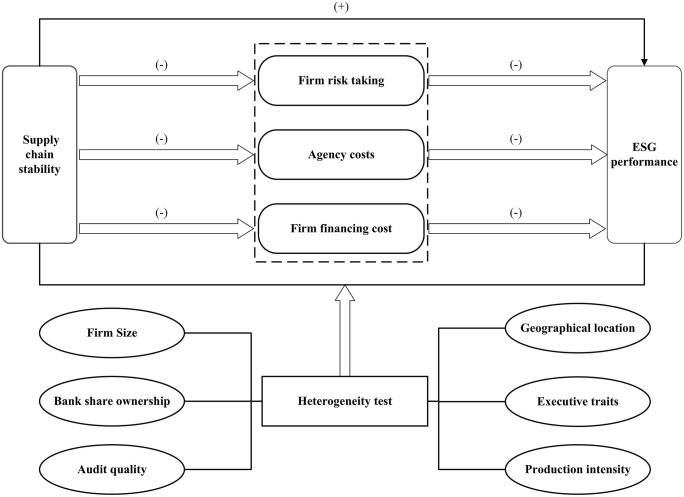 Figure 30
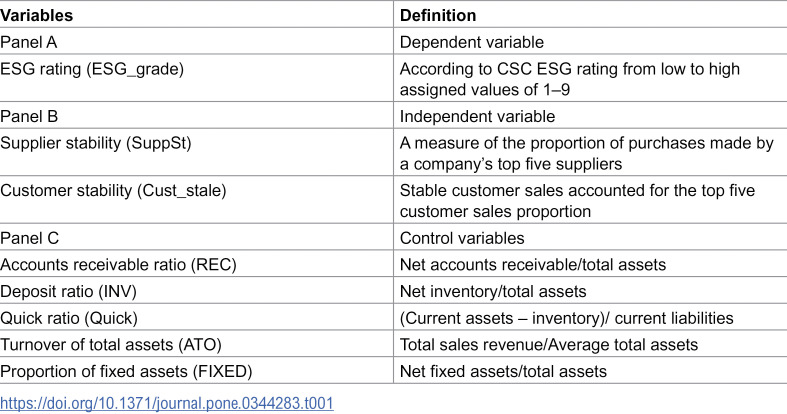 Figure 31
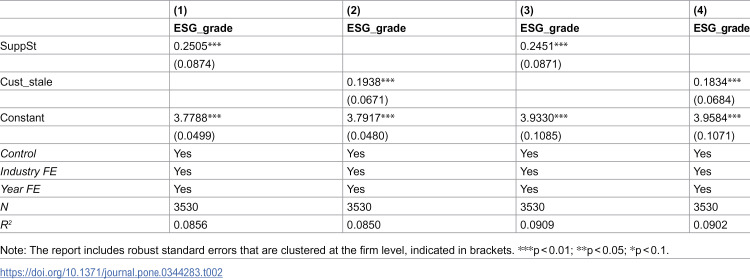 Figure 32
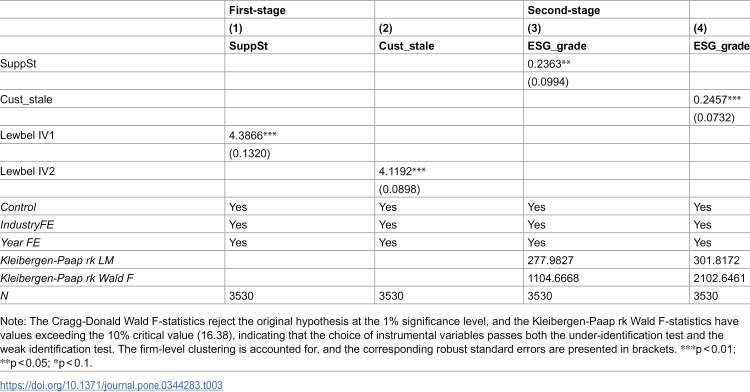 Figure 33
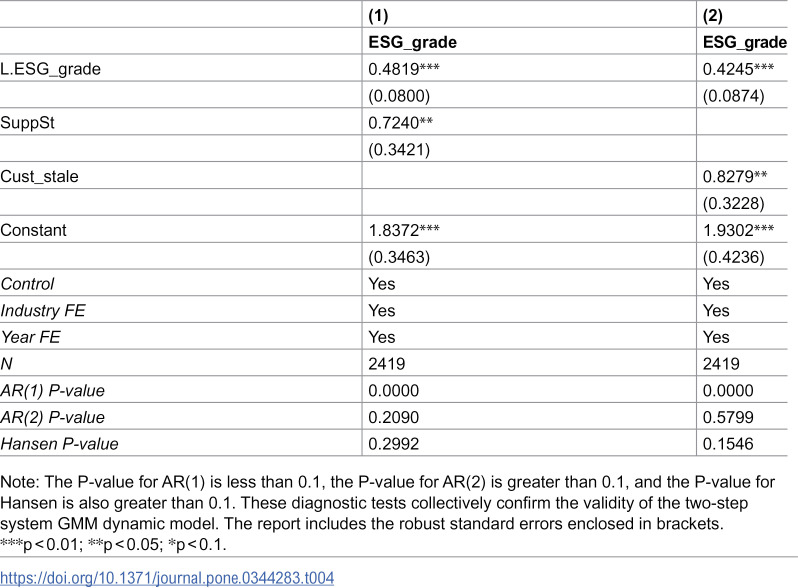 Figure 34
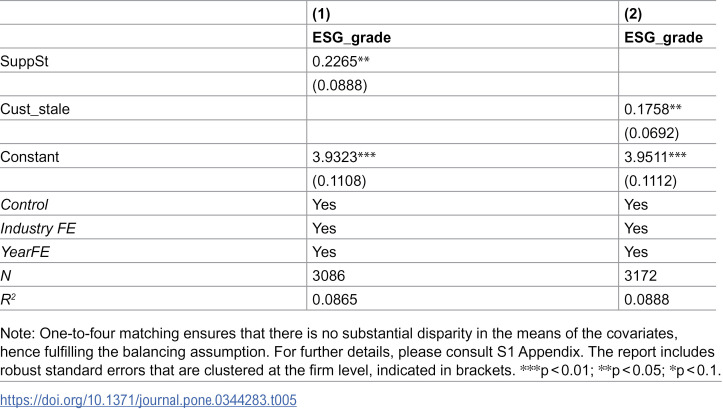 Figure 35
 Figure 36
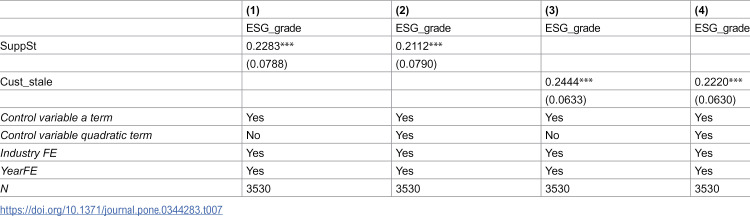 Figure 37
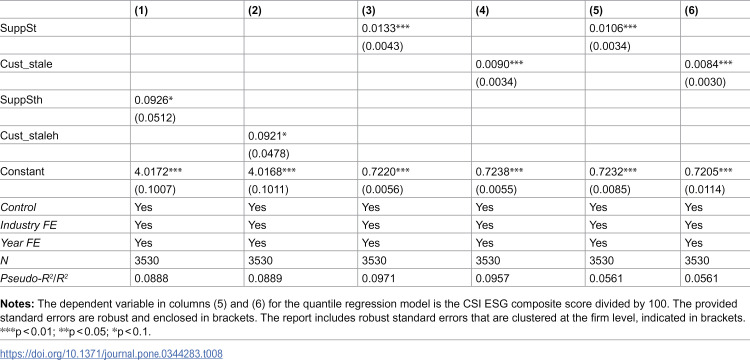 Figure 38
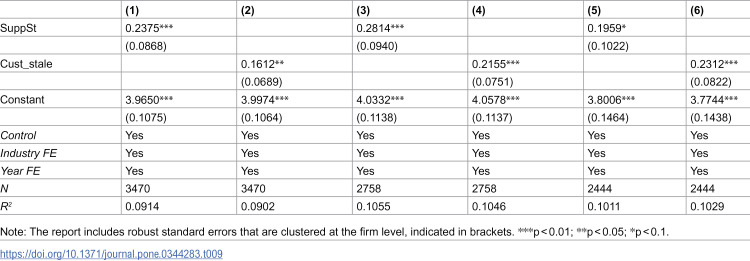 Figure 39
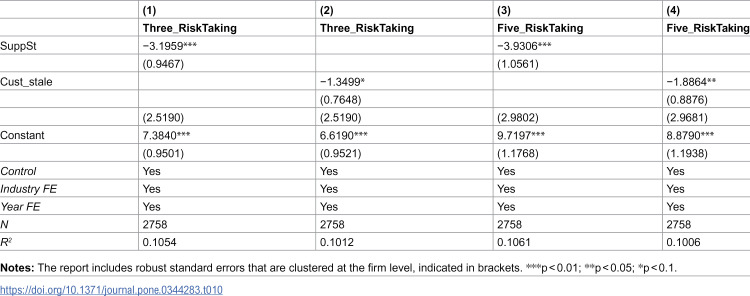 Figure 40
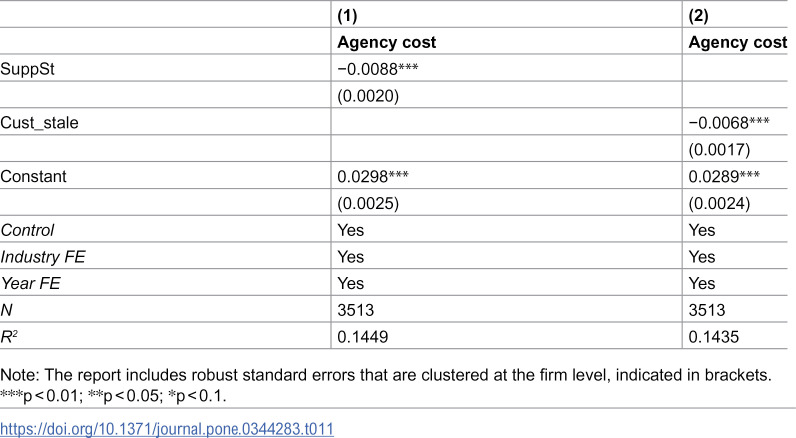 Figure 41
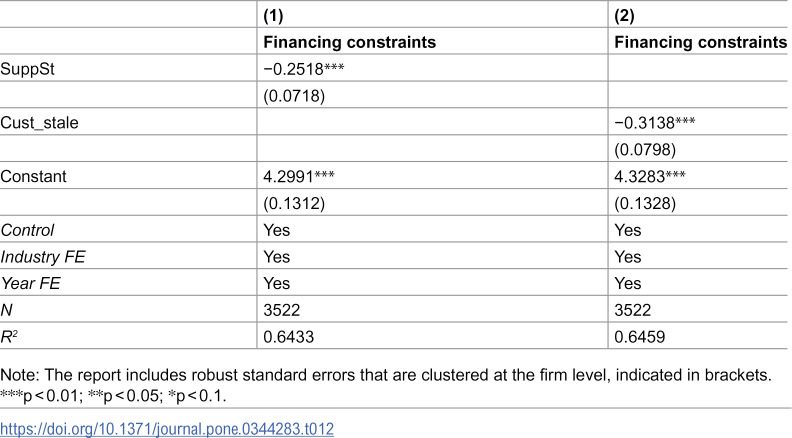 Figure 42
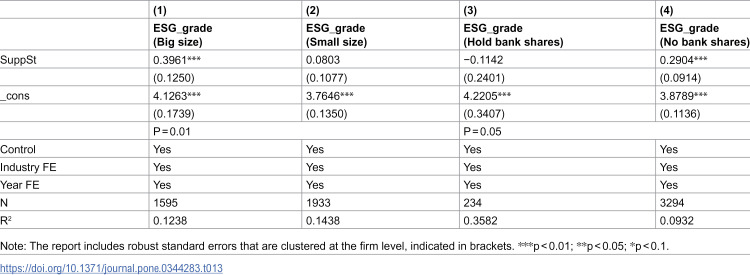 Figure 43
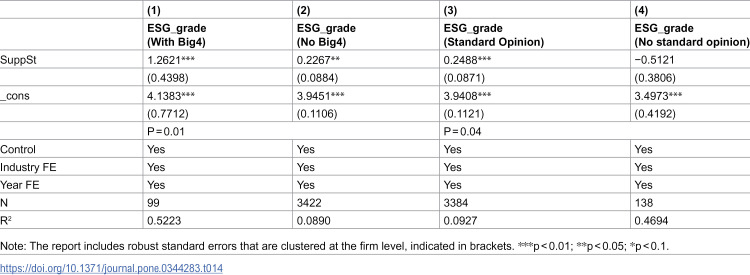 Figure 44
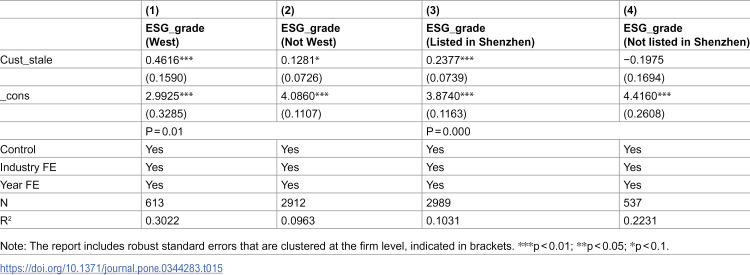 Figure 45
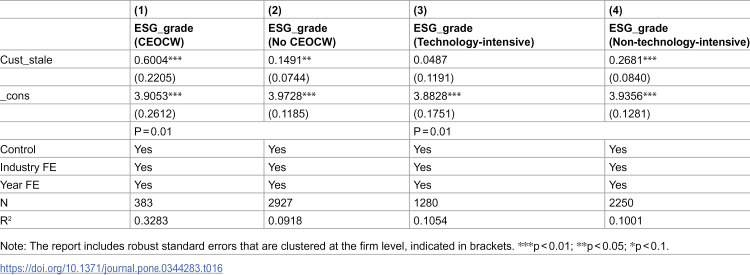 Figure 46
Peer Reviews
No public reviews on file for this paper yet. If you reviewed it on a platform where reviews are public (OpenReview, ICLR, NeurIPS, ICML), you can paste yours below so the community can read it here.
Videos
No videos yet. Explain this paper in a talk, walkthrough, or lecture? Add one.
Taxonomy
TopicsSupply Chain Resilience and Risk Management · Global trade, sustainability, and social impact · Sustainable Supply Chain Management