Configurational and chain-mediational path-ways linking natural environment perception to restorative environmental perception
Genmao Wang, Shuangquan Zhang

TL;DR
This study explores how people's perception of nature affects their restorative experiences through psychological factors like environmental preference and place attachment.
Contribution
The study identifies environmental preference as a core mechanism linking natural environment perception to restorative outcomes.
Findings
NEP enhances REP directly and indirectly through environmental preference.
A serial mediation path (NEP → EP → PA → REP) was confirmed using PLS-SEM.
fsQCA identified environmental preference as a 'core condition' for high restorative perception.
Abstract
While the link between natural environment perception (NEP) and restorative environmental perception (REP) is well-established, the specific psychological mechanisms—how environmental preference (EP) and place attachment (PA) configure this relationship—remain underexplored. This study aims to bridge this gap by examining the symmetric and asymmetric pathways translating nature perception into restorative outcomes. Analyzing survey data from 432 visitors to Zhangjiajie National Forest Park, China, we employed Partial Least Squares Structural Equation Modeling (PLS-SEM) to test serial mediation and Fuzzy-set Qualitative Comparative Analysis (fsQCA) to identify equifinal configurations. PLS-SEM results indicate that NEP enhances REP directly and indirectly through EP. Furthermore, a significant serial mediation path (NEP → EP → PA → REP) was established. Complementing these findings,…
Genes, proteins, chemicals, diseases, species, mutations and cell lines named across the full text — each resolved to its canonical identifier and authoritative record.
Click any figure to enlarge with its caption.
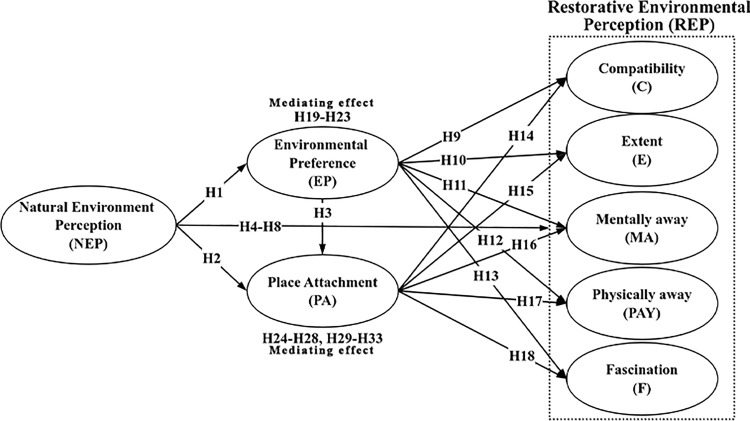 Figure 1
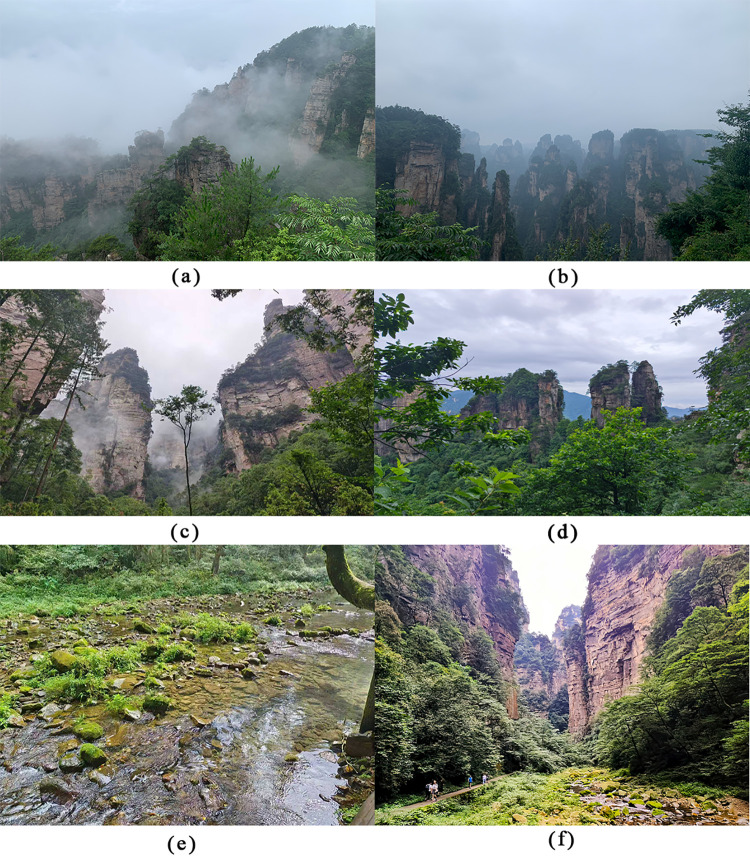 Figure 2
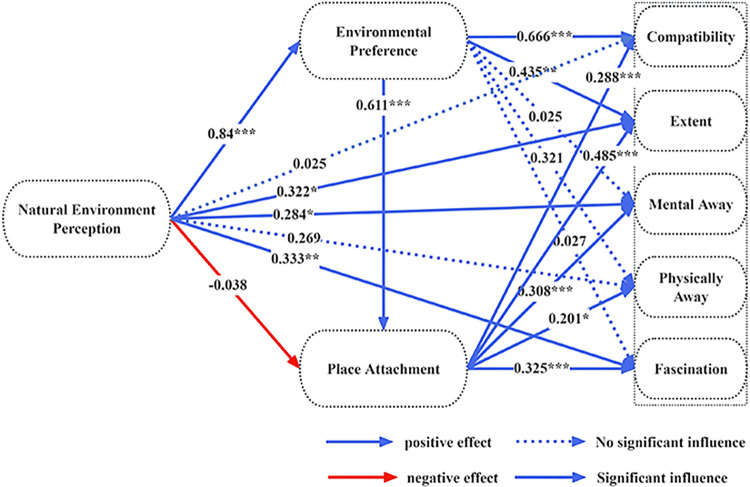 Figure 3
 Figure 4
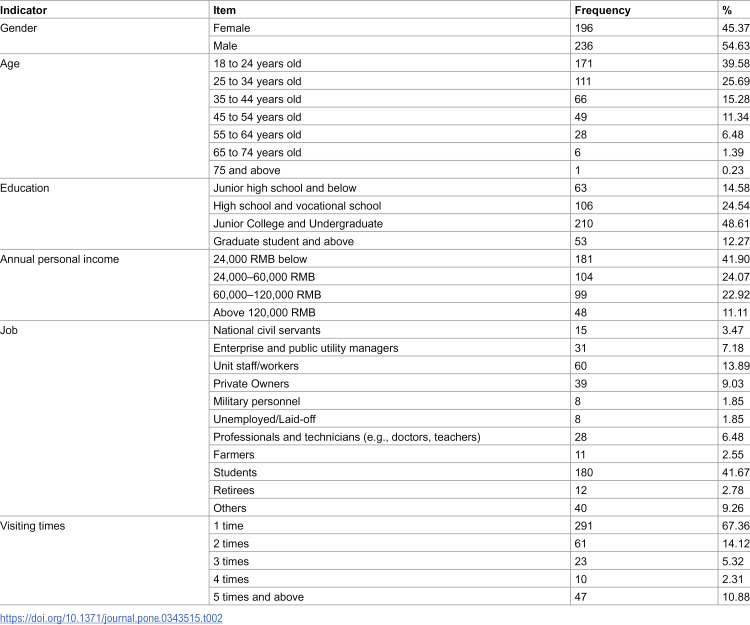 Figure 5
 Figure 6
 Figure 7
 Figure 8
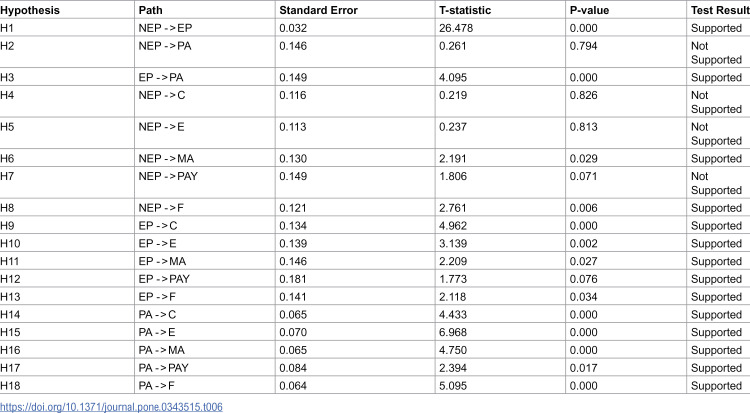 Figure 9
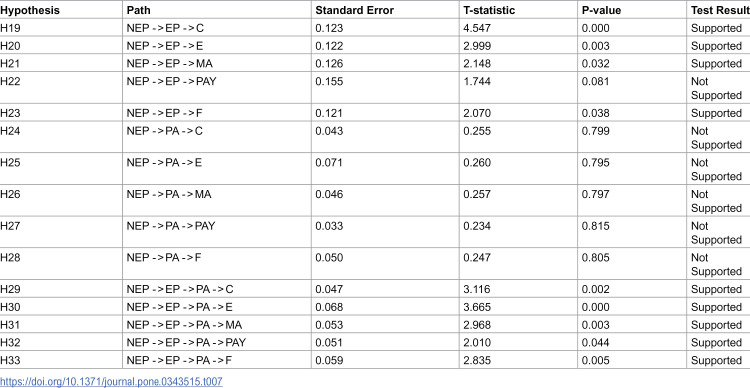 Figure 10
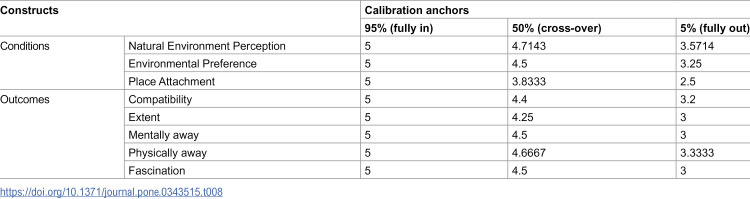 Figure 11
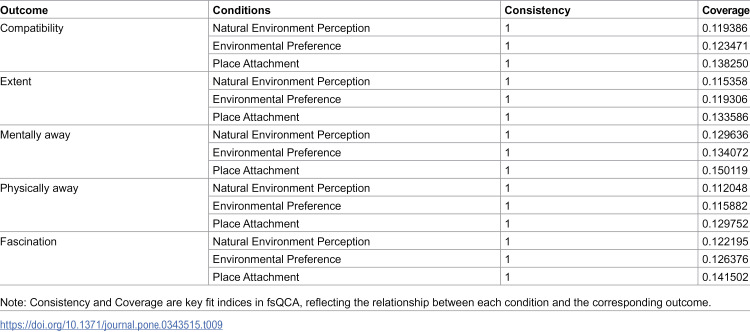 Figure 12
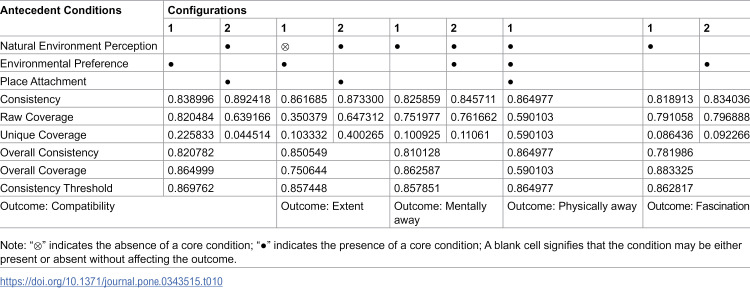 Figure 13
Peer Reviews
No public reviews on file for this paper yet. If you reviewed it on a platform where reviews are public (OpenReview, ICLR, NeurIPS, ICML), you can paste yours below so the community can read it here.
Videos
No videos yet. Explain this paper in a talk, walkthrough, or lecture? Add one.
Taxonomy
TopicsUrban Green Space and Health · Place Attachment and Urban Studies · Diverse Aspects of Tourism Research