“Opening the Box to Explore the Contents”: A study on the design elements of museum cultural and creative blind boxes based on consumer preferences – Taking the Macao Museum as an example
Xuanrui Huang, Dequan Zhou, Qian Li, Haitong Ye, Haowen Ke, Anfeng Xu

TL;DR
This study explores how to design museum-themed blind boxes that better match consumer preferences, using a model based on product value, design, and cultural identity.
Contribution
A novel design decision-making model for museum cultural products using consumer preferences and multi-criteria analysis.
Findings
A systematic model with 12 key design criteria was developed using the Fuzzy Delphi Method.
Two design practices aligned with consumer preferences were successfully implemented using IPA.
The model promotes better alignment between cultural products and consumer needs.
Abstract
This study adopts a consumer preference-driven approach and employs a mixed-methods research methodology to construct a systematic design decision-making model. By integrating literature review analysis, online review data mining, and screening, the study identifies preliminary key criteria for the design of museum-themed blind box cultural and creative products. Subsequently, the Fuzzy Delphi Method is applied to select the final 12 key design criteria, encompassing three dimensions: product value and experience, design aesthetics and craftsmanship, and cultural drivers and identity. The study uses museums in the Macau region as a case study and combines the Analytic Hierarchy Process to calculate the weighting ratios of each criterion. Based on the decision-making model and the weighting values of its internal elements, two design practices for blind box-style cultural and creative…
Genes, proteins, chemicals, diseases, species, mutations and cell lines named across the full text — each resolved to its canonical identifier and authoritative record.
Click any figure to enlarge with its caption.
 Figure 1
 Figure 2
 Figure 3
 Figure 4
 Figure 5
 Figure 6
 Figure 7
 Figure 8
 Figure 9
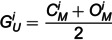 Figure 10
 Figure 11
 Figure 12
 Figure 13
 Figure 14
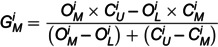 Figure 15
 Figure 16
 Figure 17
 Figure 18
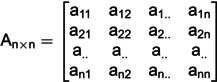 Figure 19
 Figure 20
 Figure 21
 Figure 22
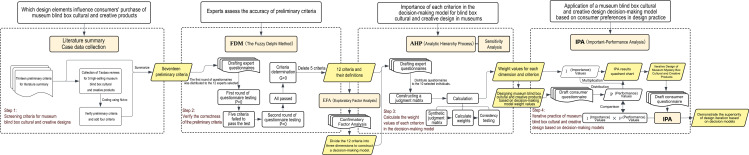 Figure 23
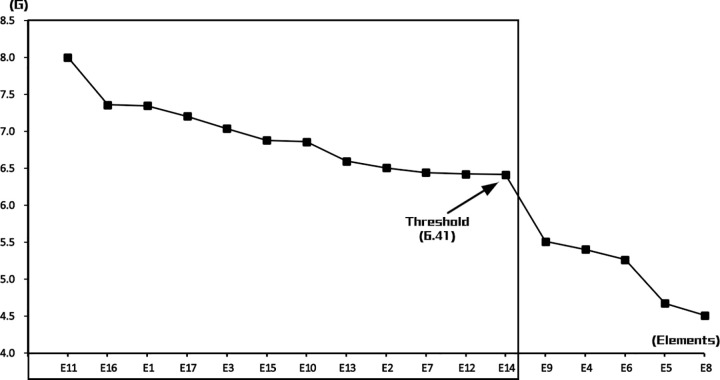 Figure 24
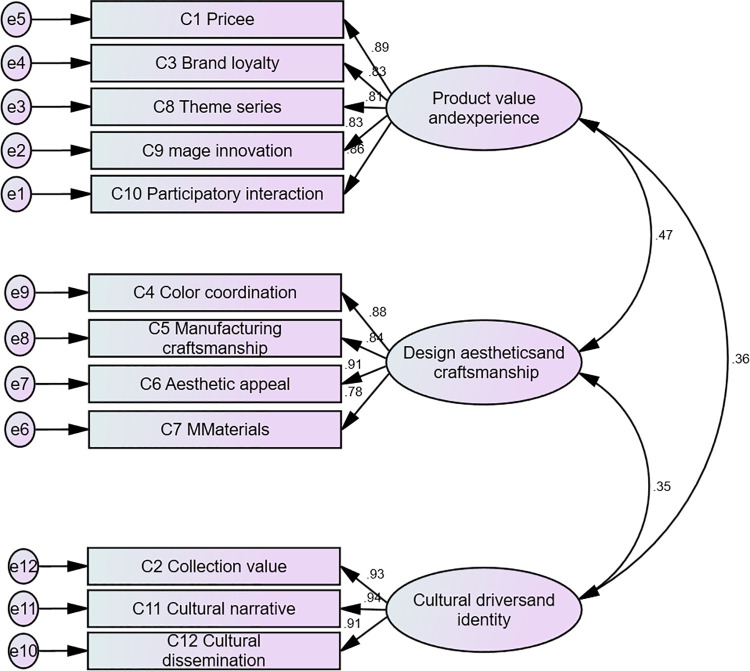 Figure 25
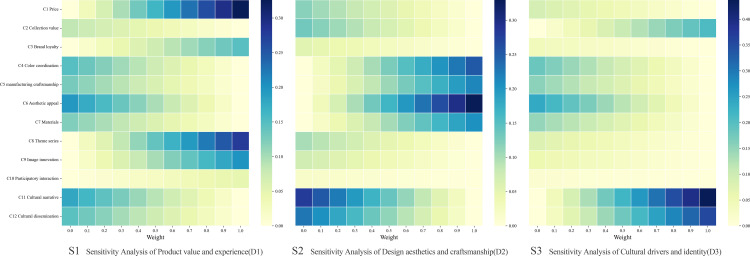 Figure 26
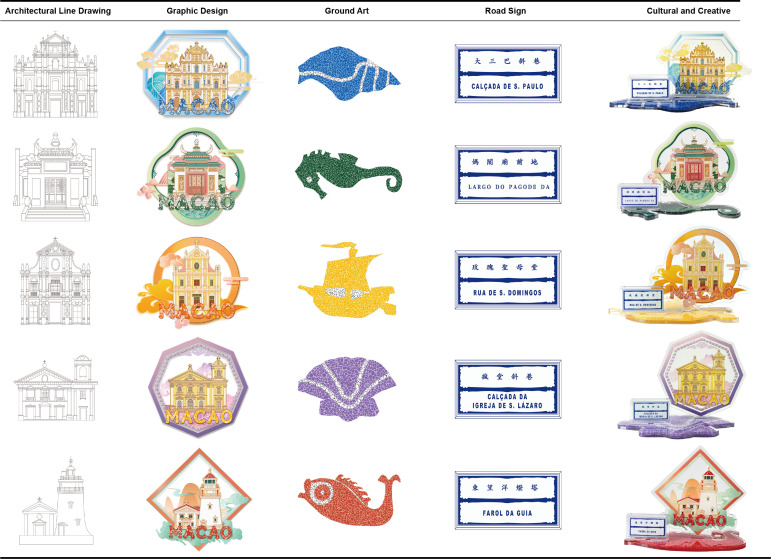 Figure 27
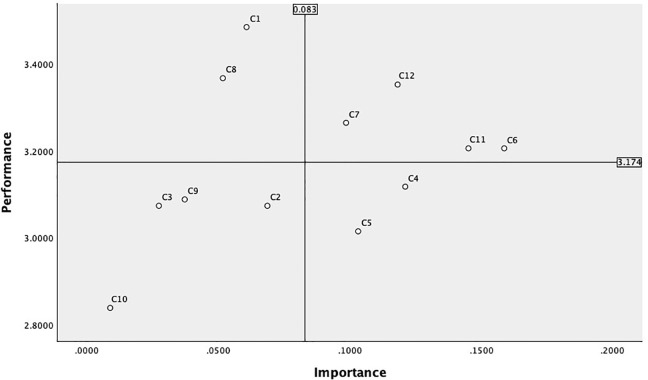 Figure 28
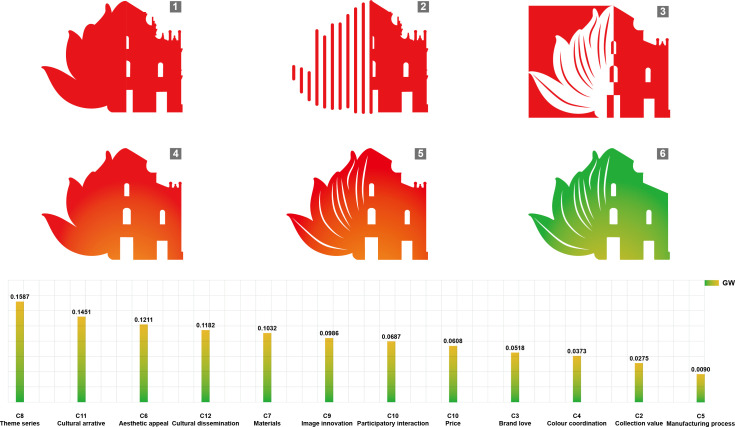 Figure 29
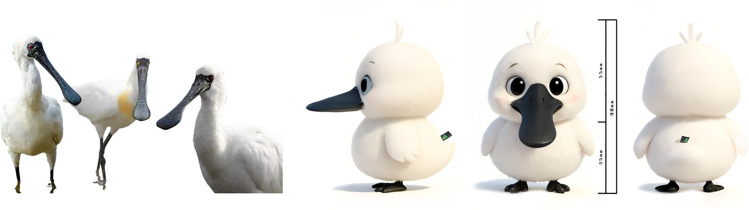 Figure 30
 Figure 31
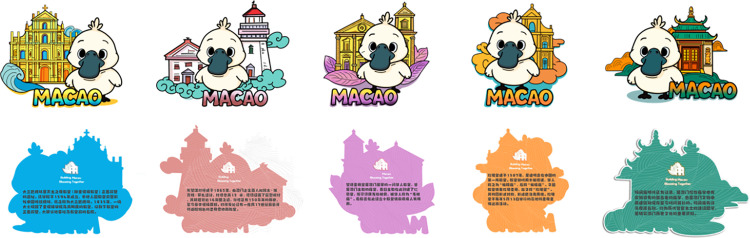 Figure 32
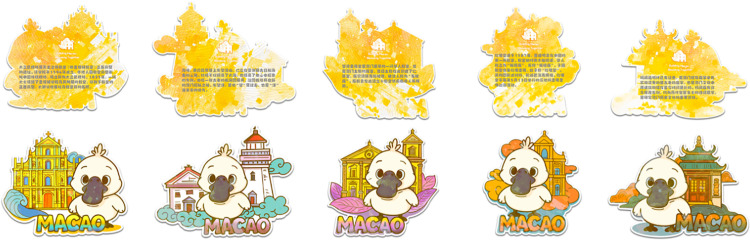 Figure 33
 Figure 34
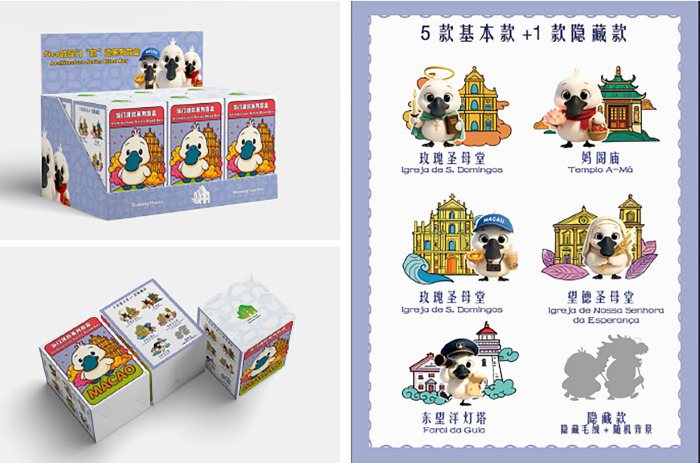 Figure 35
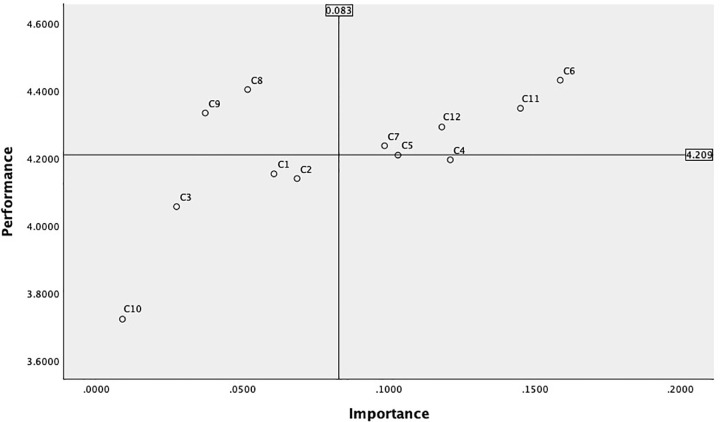 Figure 36
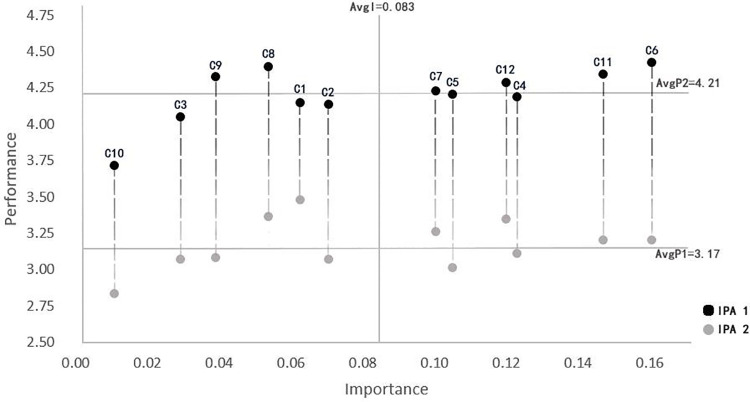 Figure 37
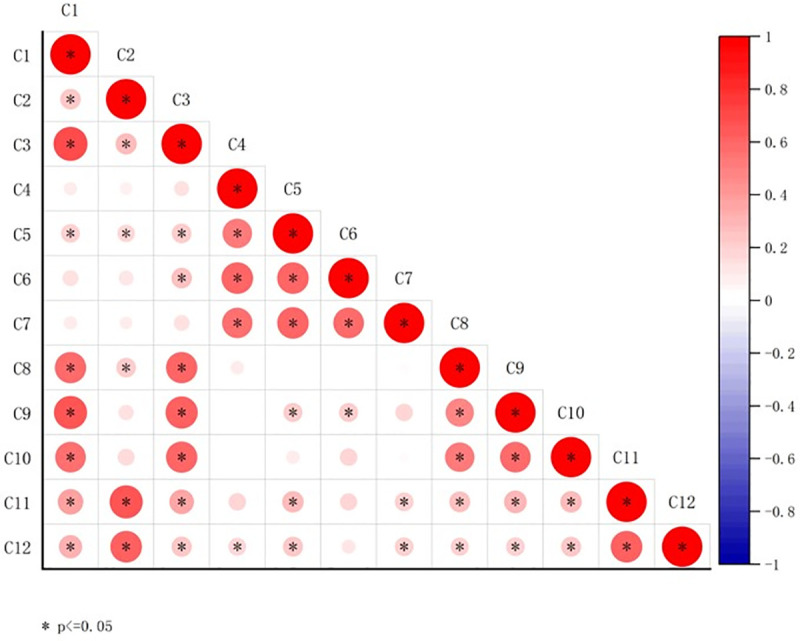 Figure 38
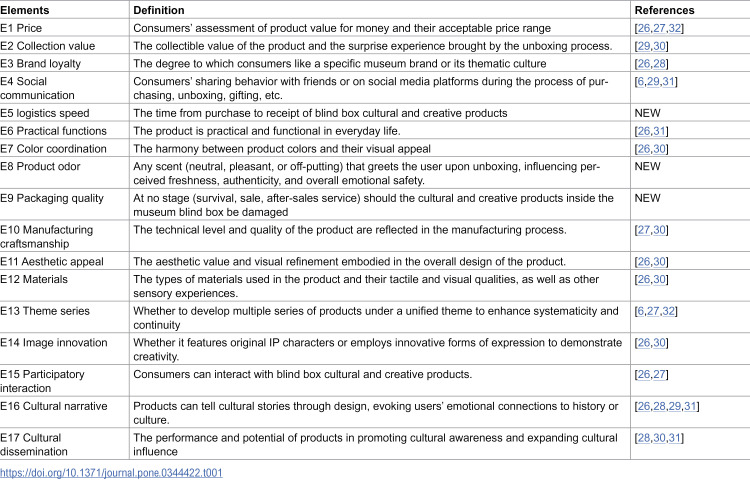 Figure 39
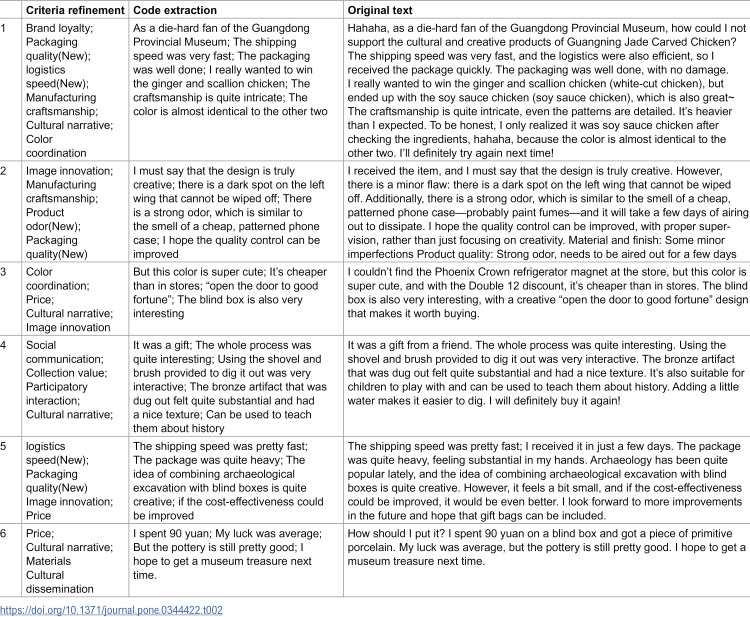 Figure 40
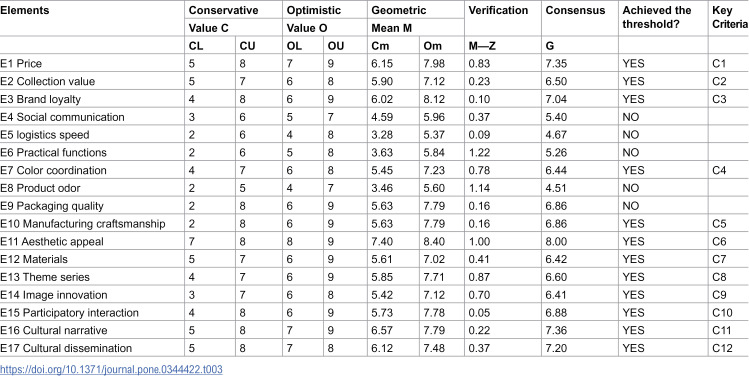 Figure 41
 Figure 42
 Figure 43
 Figure 44
 Figure 45
 Figure 46
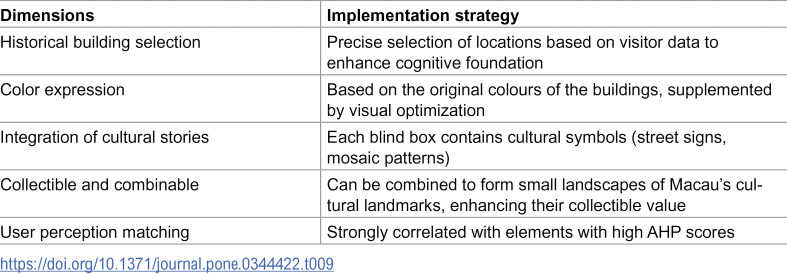 Figure 47
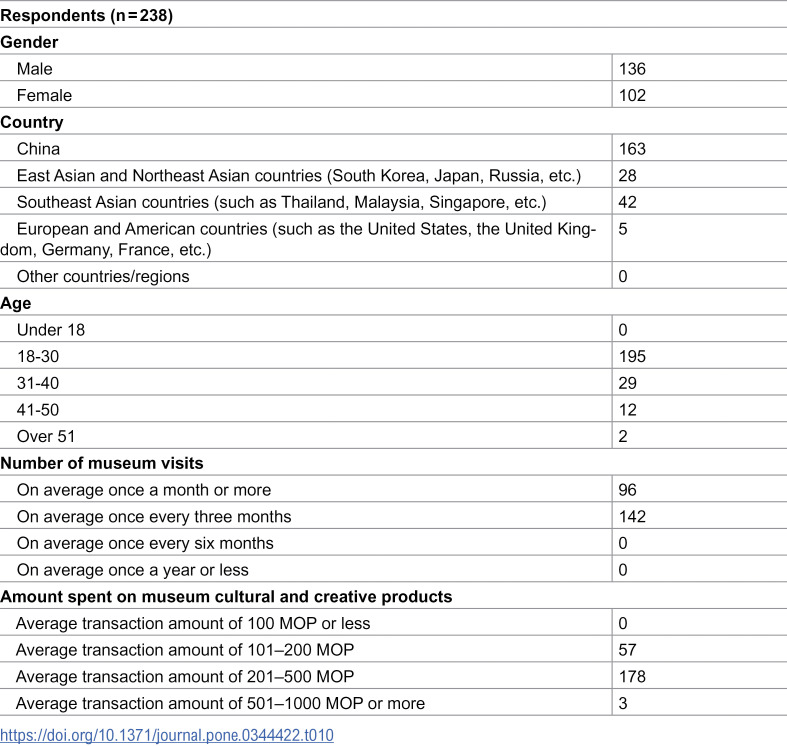 Figure 48
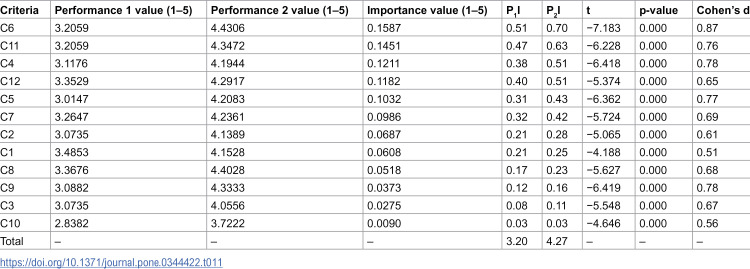 Figure 49
Peer Reviews
No public reviews on file for this paper yet. If you reviewed it on a platform where reviews are public (OpenReview, ICLR, NeurIPS, ICML), you can paste yours below so the community can read it here.
Videos
No videos yet. Explain this paper in a talk, walkthrough, or lecture? Add one.
Taxonomy
TopicsMuseums and Cultural Heritage · Cultural Heritage Management and Preservation · Innovative Human-Technology Interaction