Composition optimization of mastic in recycled asphalt mixtures based on pavement performance
Xiaohui Li, Zhanghong Liu, Kaimin Fu, Kai Zhang, Maomao Chen

TL;DR
This study optimizes the composition of asphalt mastic in recycled mixtures to improve pavement performance and reduce environmental impact.
Contribution
The study identifies optimal mastic parameters and their effects on mechanical performance in recycled asphalt mixtures.
Findings
An asphalt mastic with a mineral filler–binder ratio of 1.4, FRAP–fine aggregate ratio of 50:50, and K value of 0.65 achieves optimal mechanical performance.
The mineral filler–binder ratio is the dominant factor affecting mastic performance (p < 0.001).
Mixtures with a 75:25 coarse aggregate-to-asphalt mastic ratio showed 35% higher dynamic stability and 28% higher fracture toughness.
Abstract
Due to the depletion of natural sand and gravel resources and increasing environmental restrictions, the utilization of recycled asphalt pavement materials (RAP) has become a critical approach to mitigate the consumption of natural aggregates and reduce carbon emissions in highway construction. The performance of RAP-containing asphalt mixtures is closely associated with the properties of asphalt mastic, which consists of fine RAP (FRAP), fine natural aggregates, mineral filler, and asphalt binder. However, the interactions among these components, namely fine aggregate gradation (calculated via K value), mineral filler–binder ratio, and FRAP–fine aggregate ratio, are not yet fully understood, limiting the informed design of asphalt mastic. This study aims to investigate the compositional characteristics of asphalt mastic and propose an optimized gradation suitable for engineering…
Genes, proteins, chemicals, diseases, species, mutations and cell lines named across the full text — each resolved to its canonical identifier and authoritative record.
Click any figure to enlarge with its caption.
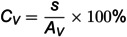 Figure 1
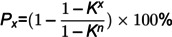 Figure 2
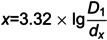 Figure 3
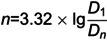 Figure 4
 Figure 5
 Figure 6
 Figure 7
 Figure 8
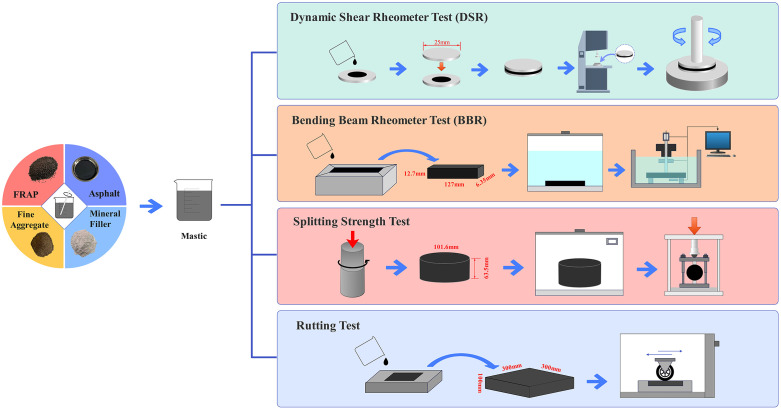 Figure 9
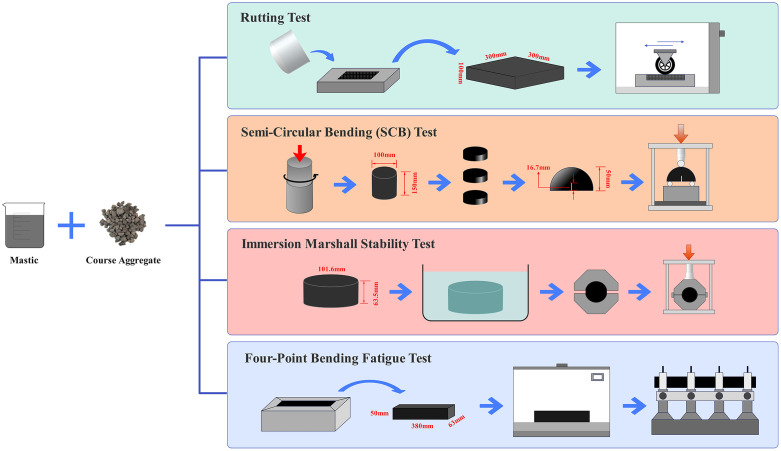 Figure 10
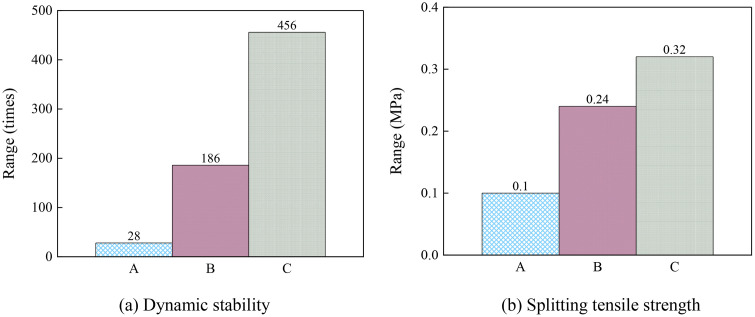 Figure 11
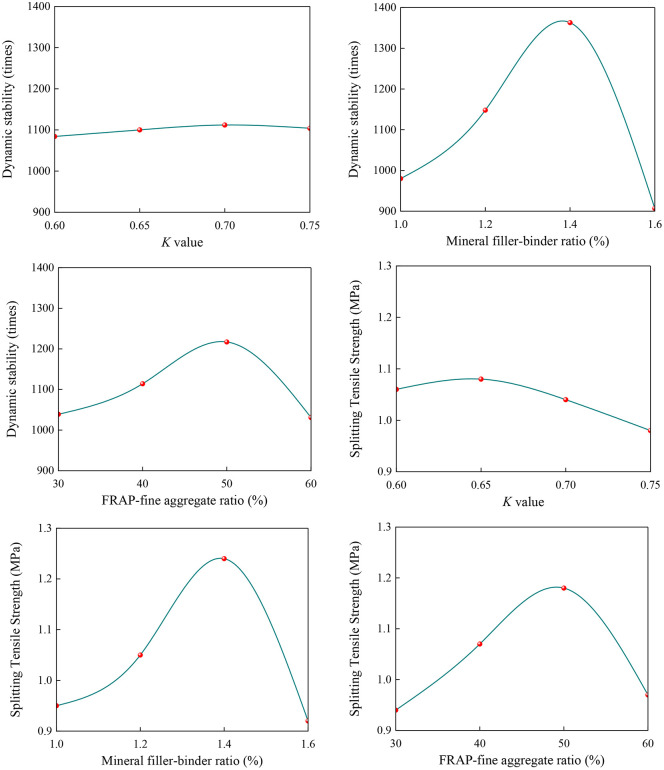 Figure 12
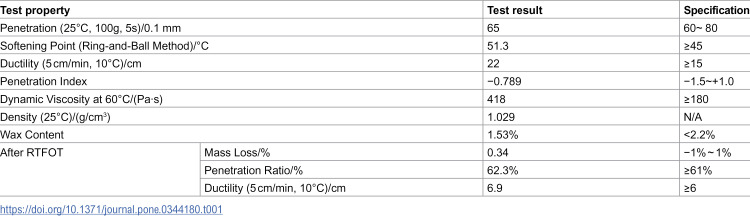 Figure 13
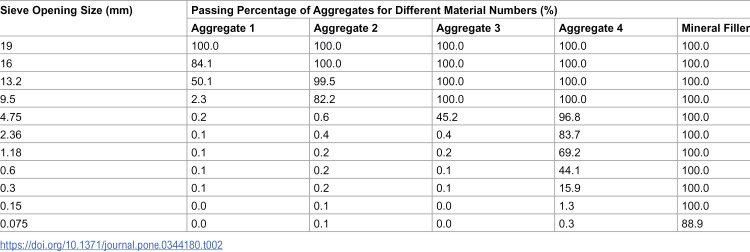 Figure 14
 Figure 15
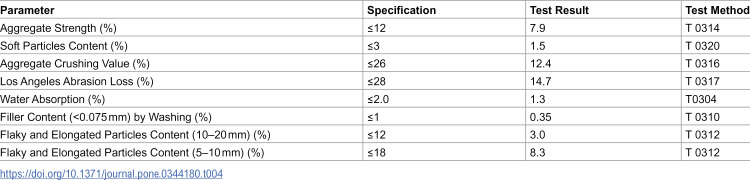 Figure 16
 Figure 17
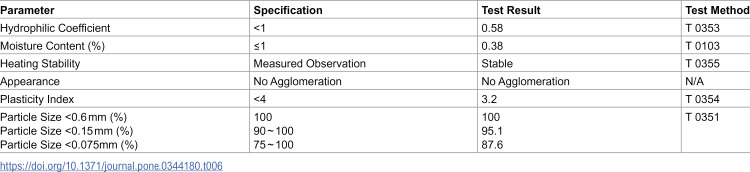 Figure 18
 Figure 19
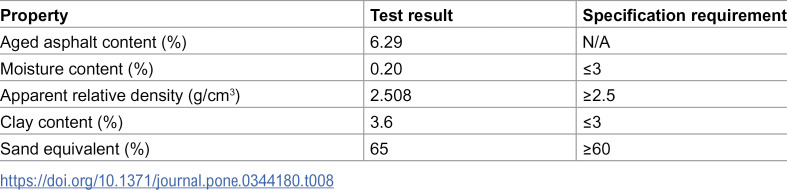 Figure 20
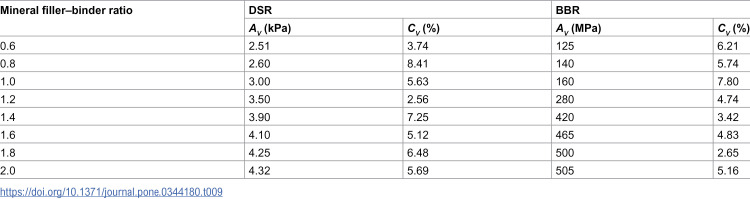 Figure 21
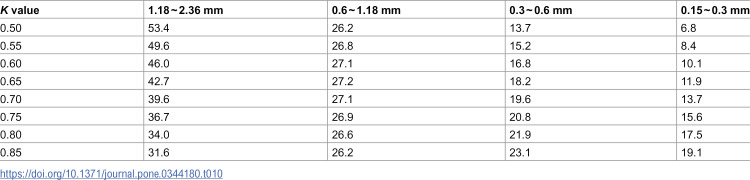 Figure 22
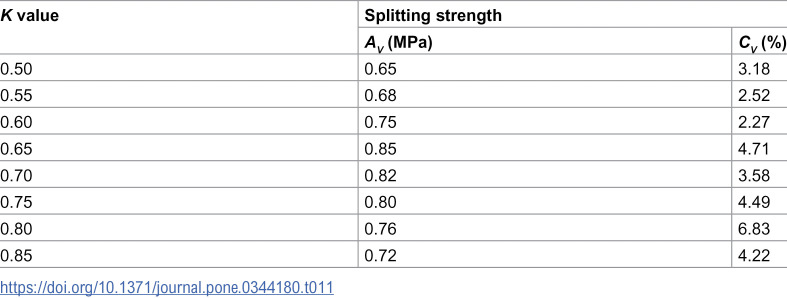 Figure 23
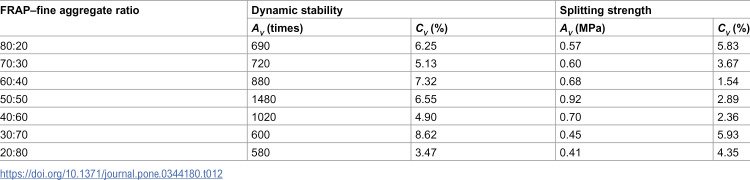 Figure 24
 Figure 25
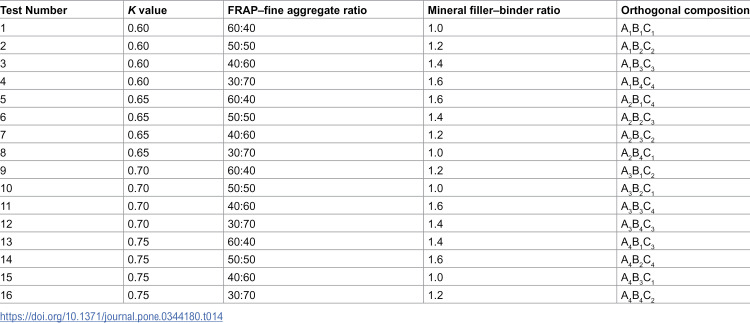 Figure 26
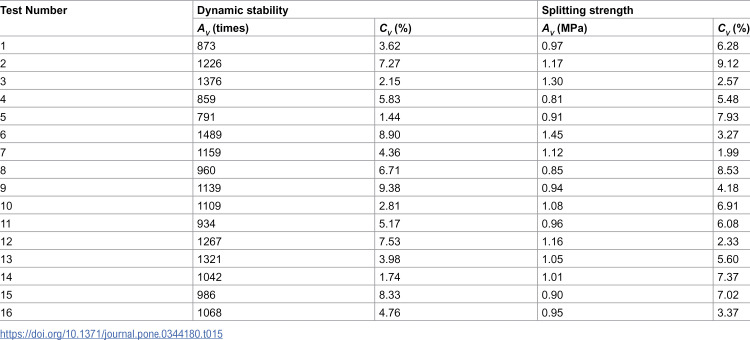 Figure 27
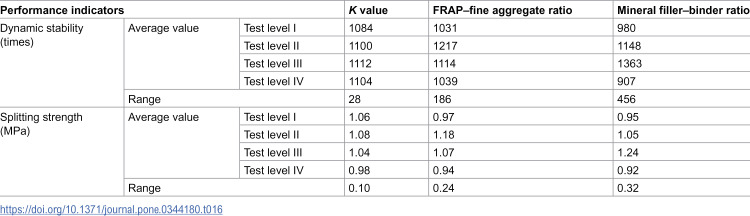 Figure 28
 Figure 29
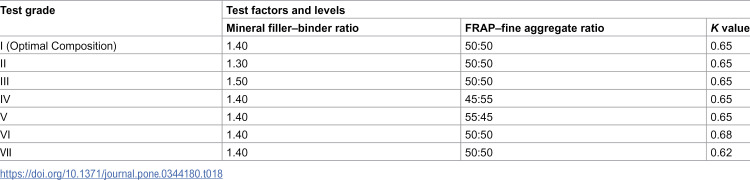 Figure 30
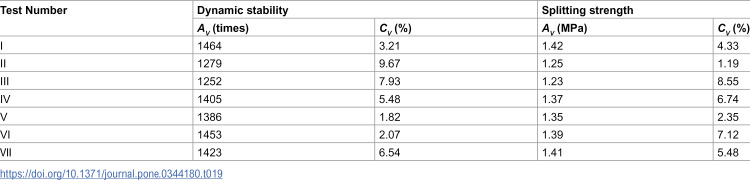 Figure 31
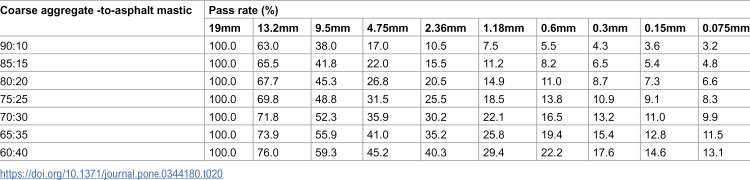 Figure 32
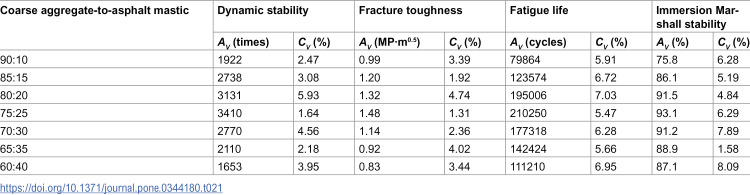 Figure 33
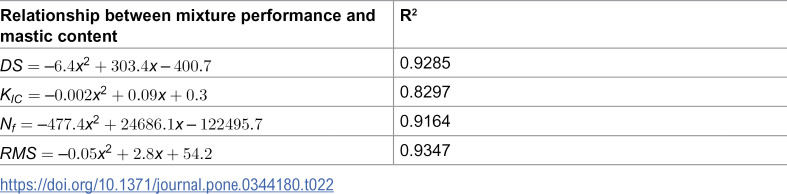 Figure 34
 Figure 35
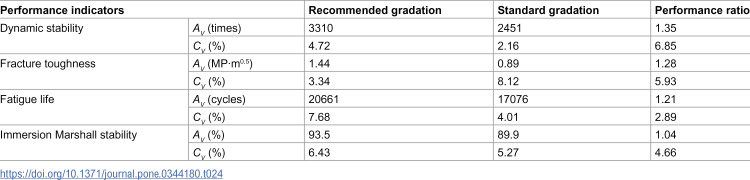 Figure 36
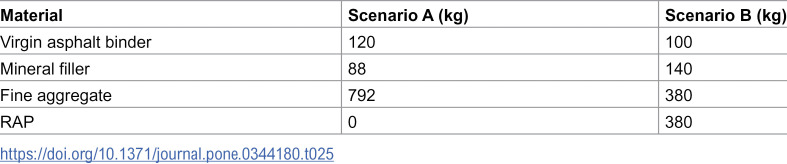 Figure 37
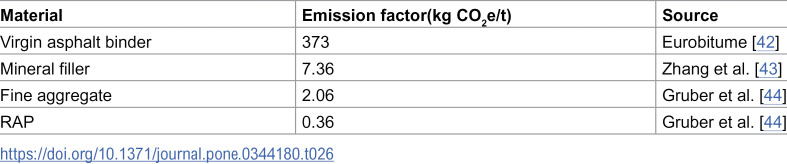 Figure 38
 Figure 39
Peer Reviews
No public reviews on file for this paper yet. If you reviewed it on a platform where reviews are public (OpenReview, ICLR, NeurIPS, ICML), you can paste yours below so the community can read it here.
Videos
No videos yet. Explain this paper in a talk, walkthrough, or lecture? Add one.
Taxonomy
TopicsAsphalt Pavement Performance Evaluation · Geotechnical Engineering and Soil Stabilization · Infrastructure Maintenance and Monitoring