Molecular-based detection of Ehrlichia spp. in stray dogs-infesting Rhipicephalus ticks in high-altitude of northern Pakistan
Abdul Majid, Muhammad Numan, Hadia Tila, Iram Liaqat, Mohibullah Shah, Zhihua Sun, Abid Ali, Mashal M. Almutairi

TL;DR
This study detects Ehrlichia spp. in ticks infesting stray dogs in northern Pakistan, highlighting a potential zoonotic health risk.
Contribution
The study reports the molecular detection of Ehrlichia spp. in Rhipicephalus ticks from stray dogs in a high-altitude region of Pakistan.
Findings
Rhipicephalus ticks infesting dogs were found to carry Ehrlichia spp., with high prevalence observed.
Two tick species, Rhipicephalus haemaphysaloides and Rhipicephalus sp., were identified using molecular methods.
Ehrlichia minasensis and another Ehrlichia spp. were detected in ticks, showing close phylogenetic relationships.
Abstract
Although ticks are recognized as carriers of zoonotic pathogens, the risks of tick-borne infections associated with dogs have received limited attention. The close interaction between humans and dogs increases the zoonotic potential of pathogens, increasing the urgency of addressing this overlooked vector-borne health risk, especially in developing regions. This study sought to identify tick-borne zoonotic pathogens by collecting ticks from dogs and screening for Ehrlichia species, a group known to pose significant yet often neglected health risks to both humans and animals, particularly in the northern area of Khyber Pakhtunkhwa (KP), Pakistan. Ticks were collected from dogs in the Mardan and Dir Lower districts of Pakistan from June 2024 to May 2025. The collected ticks were morphologically identified and processed for molecular identification using 16S ribosomal DNA (16S rDNA) and…
Genes, proteins, chemicals, diseases, species, mutations and cell lines named across the full text — each resolved to its canonical identifier and authoritative record.
Click any figure to enlarge with its caption.
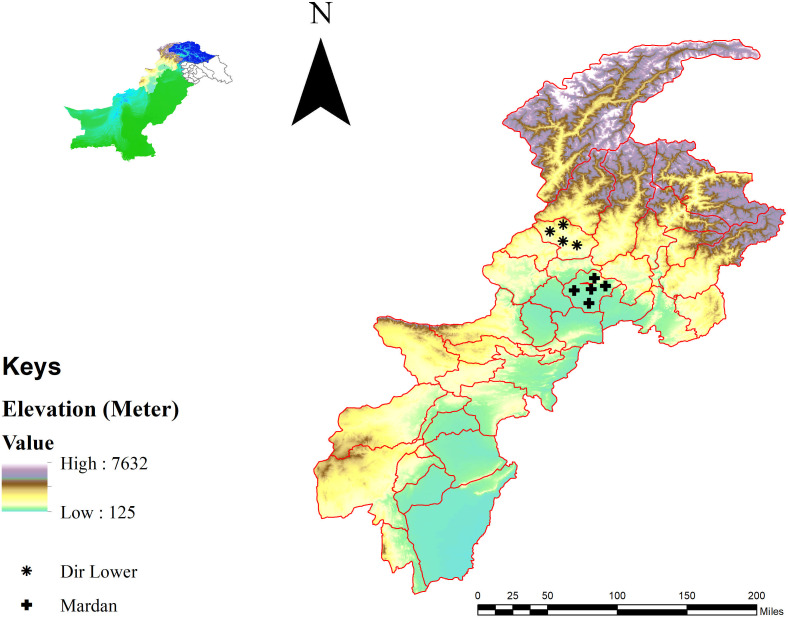 Figure 1
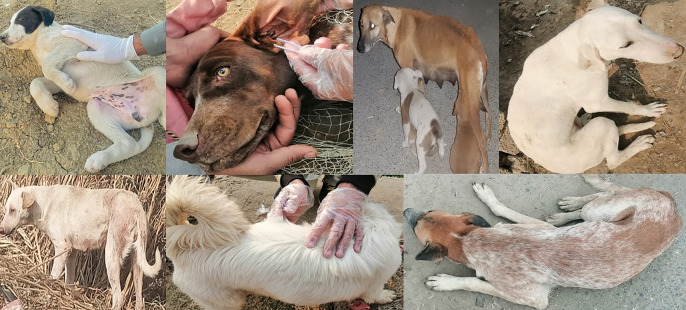 Figure 2
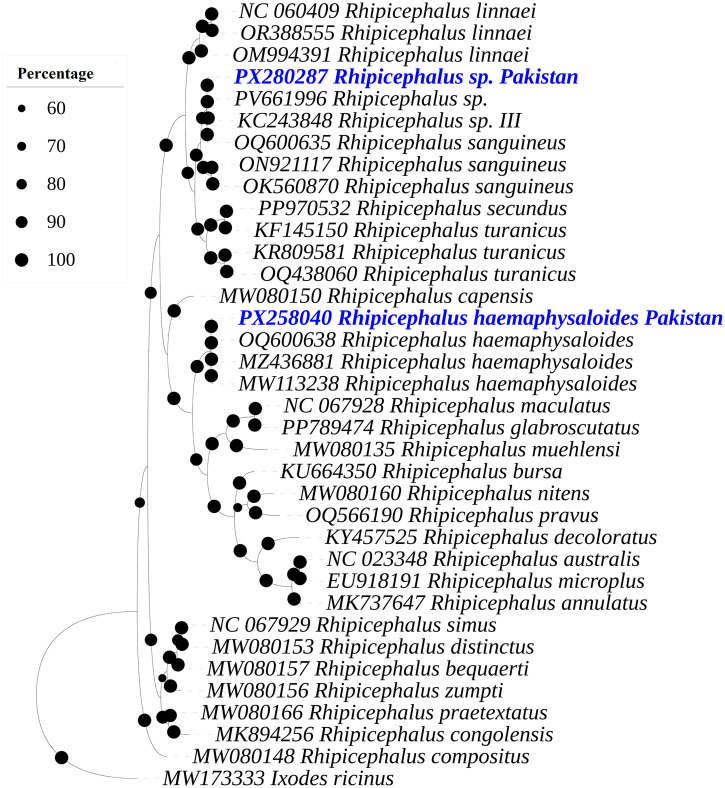 Figure 3
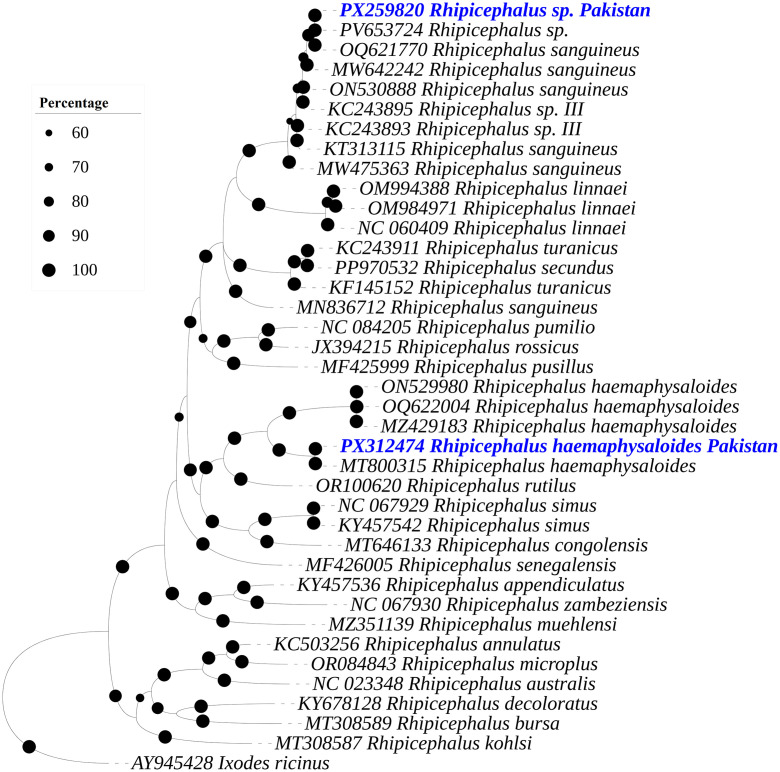 Figure 4
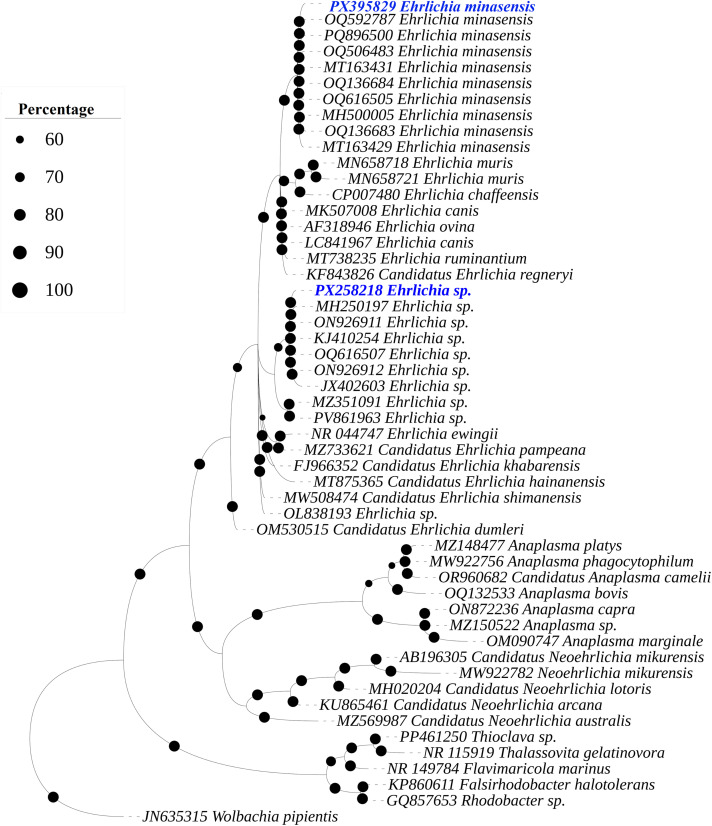 Figure 5
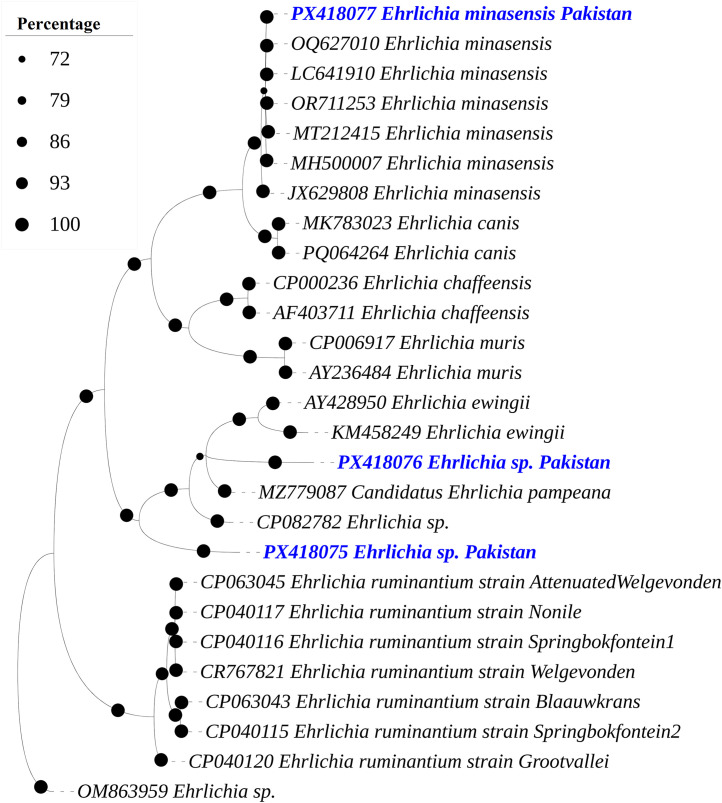 Figure 6
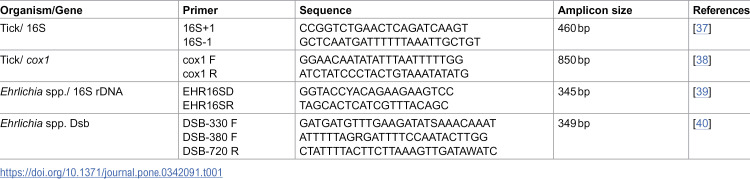 Figure 7
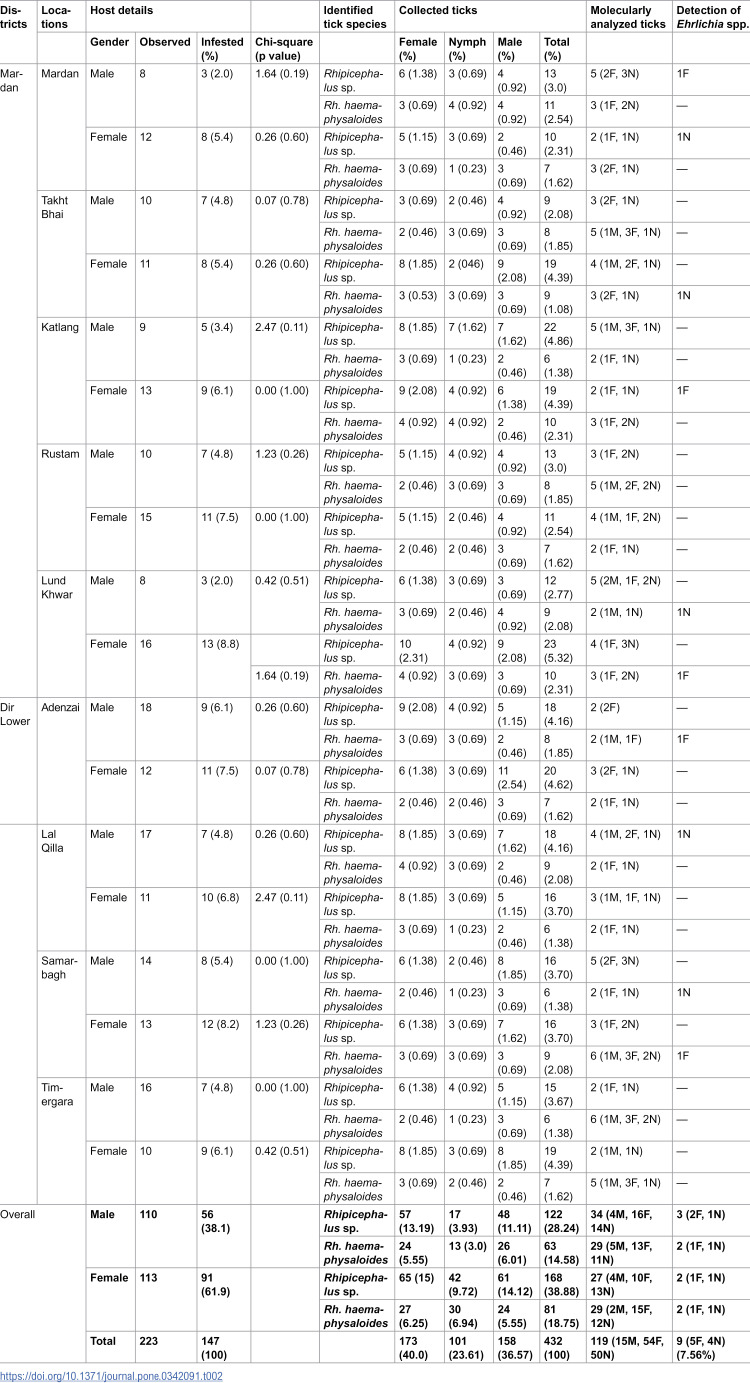 Figure 8
Peer Reviews
No public reviews on file for this paper yet. If you reviewed it on a platform where reviews are public (OpenReview, ICLR, NeurIPS, ICML), you can paste yours below so the community can read it here.
Videos
No videos yet. Explain this paper in a talk, walkthrough, or lecture? Add one.
Taxonomy
TopicsVector-borne infectious diseases · Zoonotic diseases and public health · Viral Infections and Vectors