The use of humanure for cereal production under conventional and regenerative farming models - findings from a three-year grassland-to-arable transition
Katie Allen, Effie Papargyropoulou, Ruth Wade, Barbara Evans, Paulo Pagliari, Paulo Pagliari, Paulo Pagliari, Paulo Pagliari

TL;DR
This study explores using humanure as a fertilizer in cereal farming, finding it boosts yields and soil health, especially under regenerative practices.
Contribution
The study provides the first long-term field trial on humanure's effects under conventional and regenerative farming systems.
Findings
Humanure increased cereal yields compared to control, with higher effects under regenerative management.
Regenerative practices improved soil structure and organic matter more than conventional methods.
Humanure elevated phosphorus and potassium levels without exceeding safe limits.
Abstract
Humanure (human excrement recycled for agricultural use) offers a low-cost, simple treatment option for dry sanitation systems, and a promising organic amendment for crop production. However, no long-term studies have evaluated its impacts under different land management approaches. This study presents findings from a three-year field trial (2021–2024) in West Yorkshire, UK, assessing the effects of humanure on cereal crop yield and soil properties under conventional and regenerative farming practices of a former grassland. The experiment used a semi-randomised block design with two management regimes (conventional and regenerative) and three fertilisation treatments (control, synthetic fertiliser, and humanure), each replicated three times. Crop results showed that humanure increased crop yields compared to the control, demonstrating a fertilisation effect, which was more pronounced…
Genes, proteins, chemicals, diseases, species, mutations and cell lines named across the full text — each resolved to its canonical identifier and authoritative record.
Click any figure to enlarge with its caption.
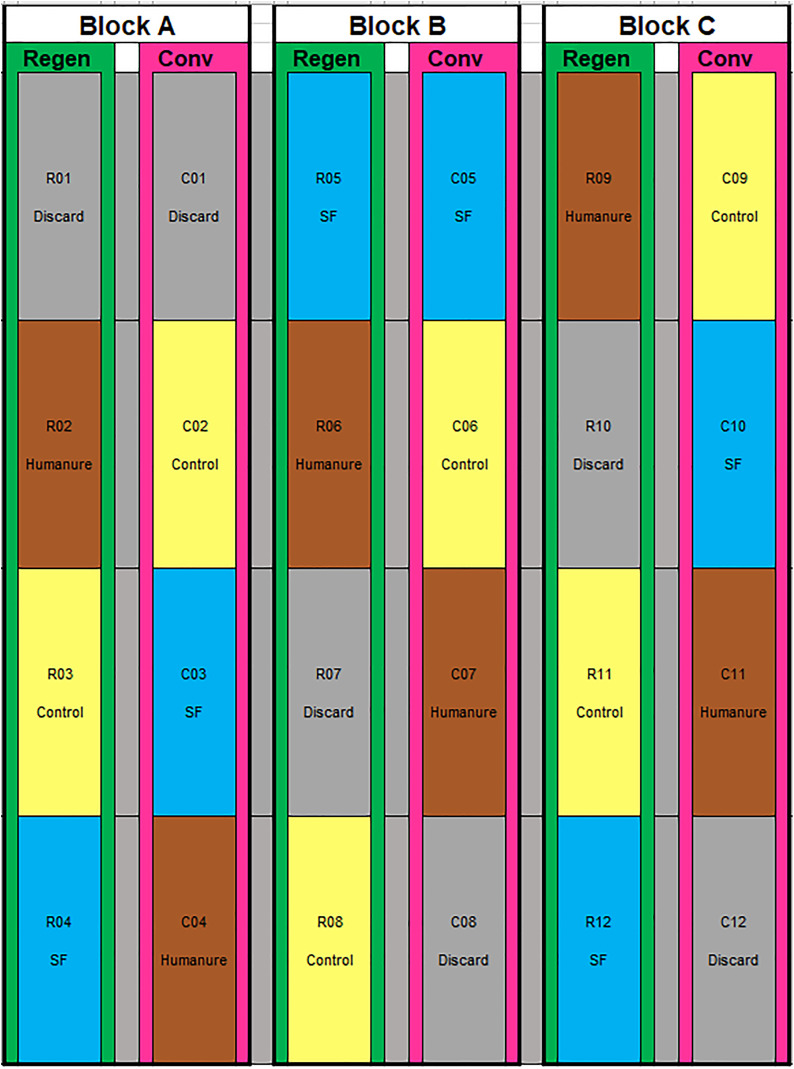 Figure 1
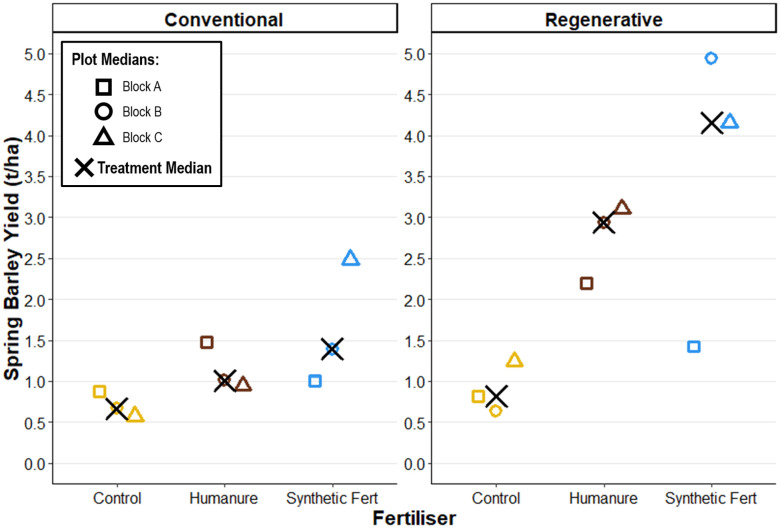 Figure 2
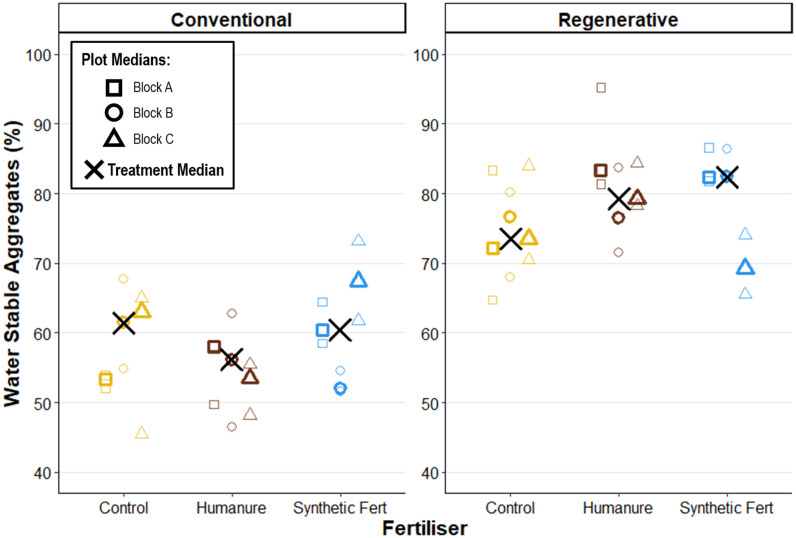 Figure 3
 Figure 4
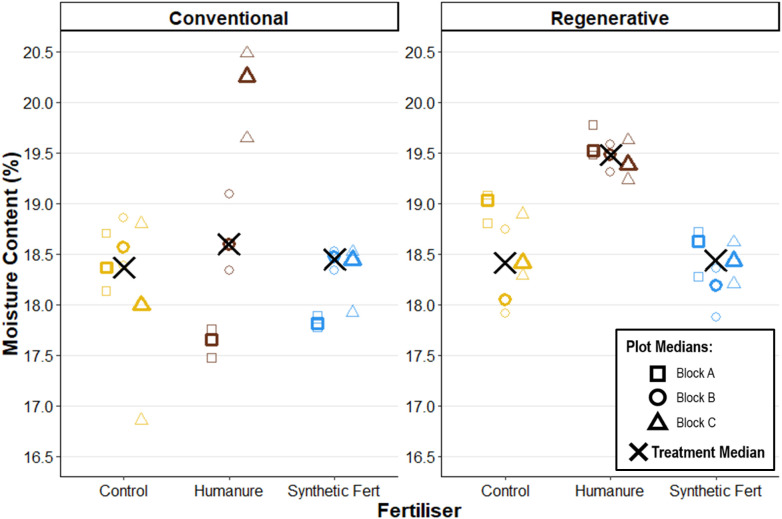 Figure 5
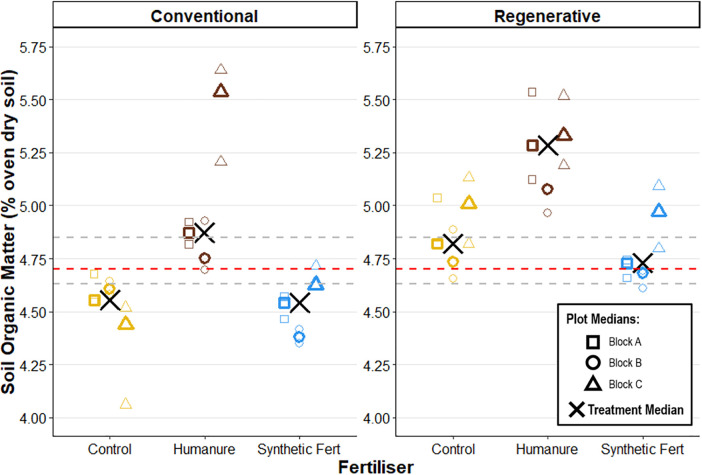 Figure 6
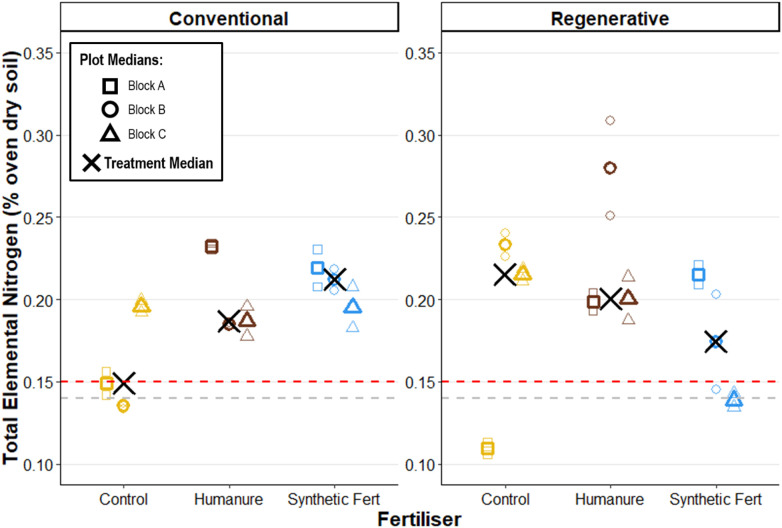 Figure 7
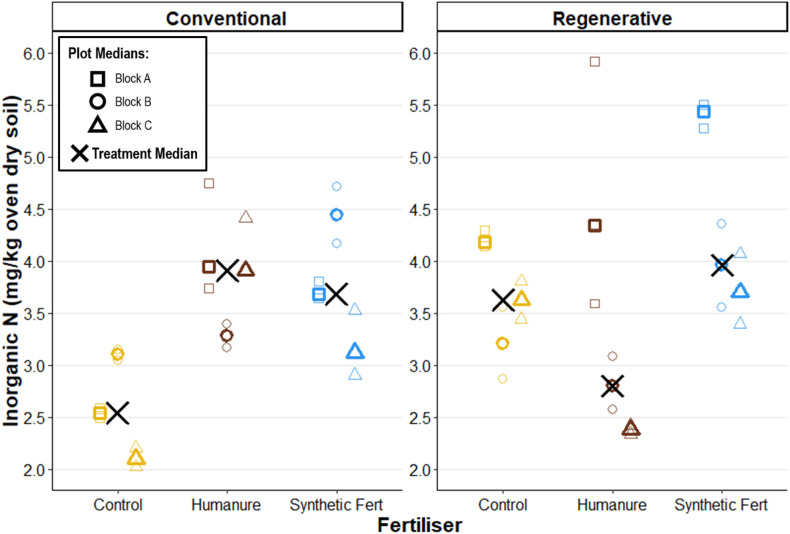 Figure 8
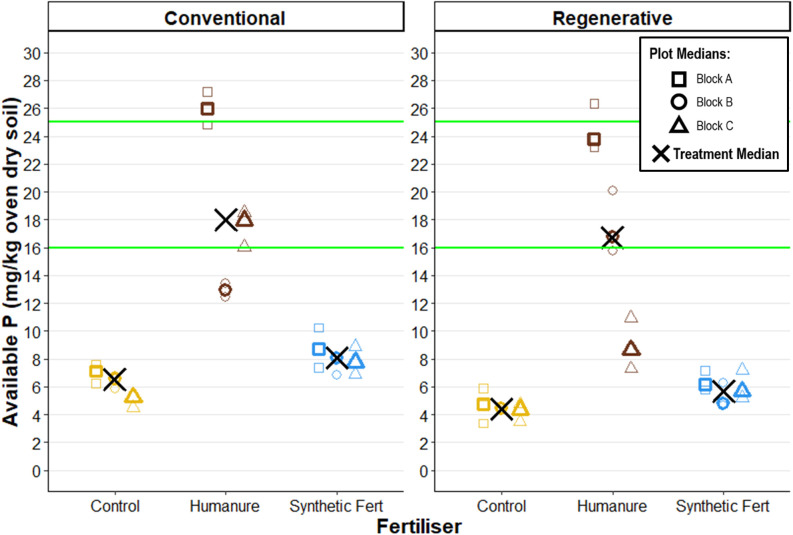 Figure 9
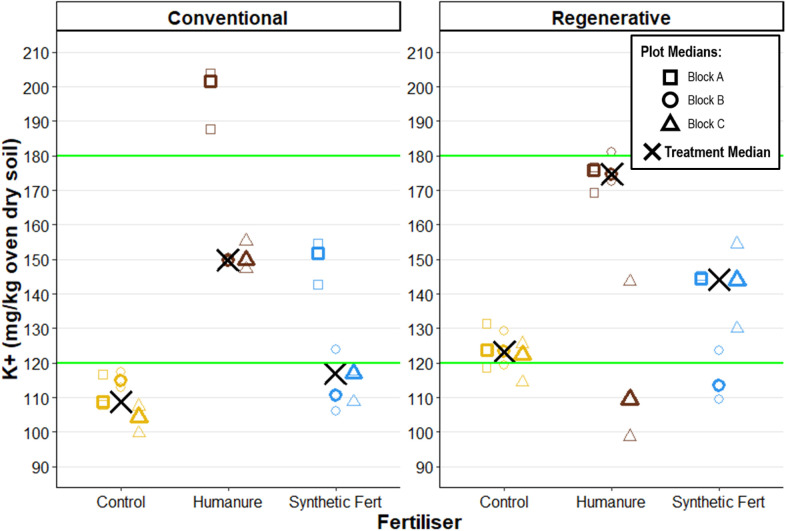 Figure 10
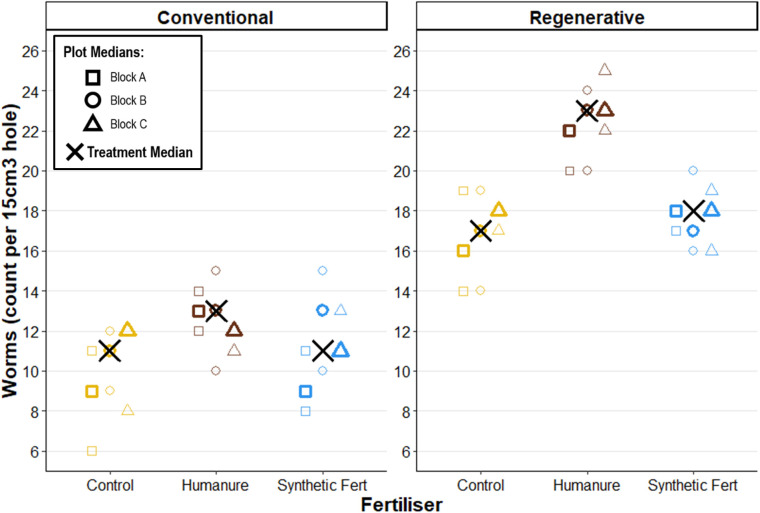 Figure 11
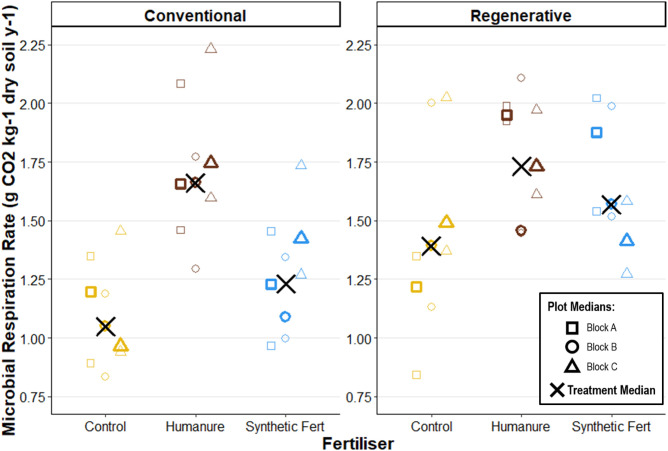 Figure 12
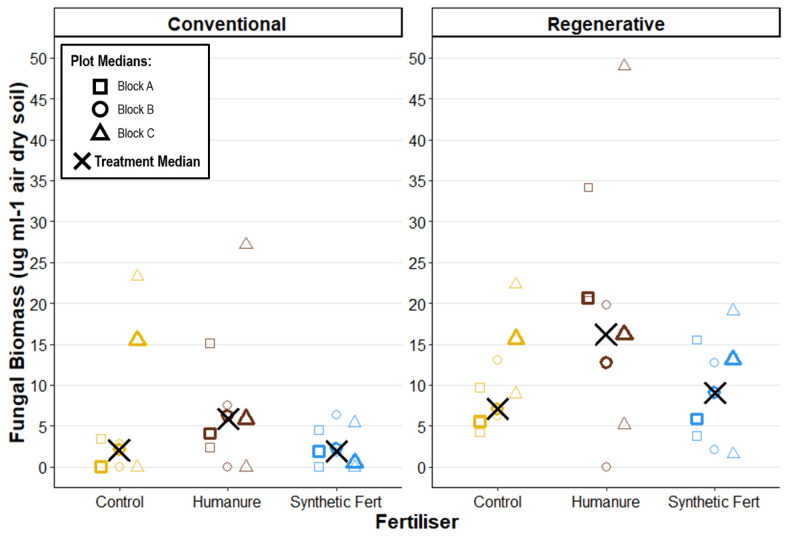 Figure 13
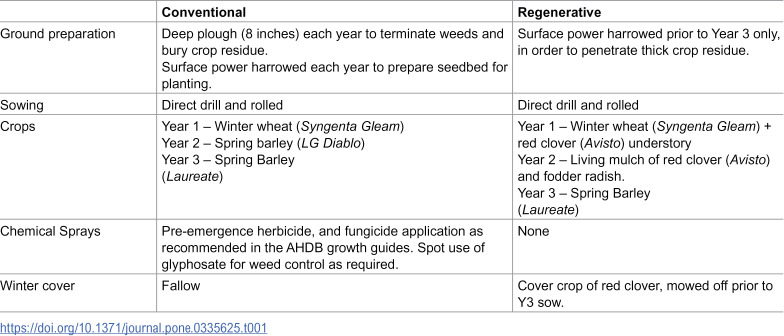 Figure 14
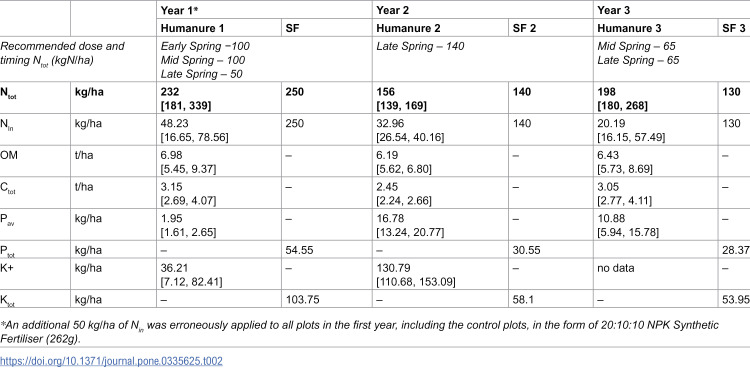 Figure 15
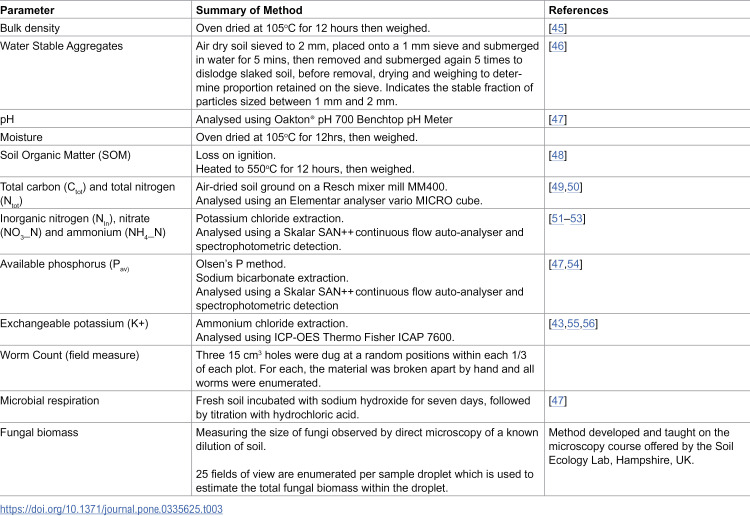 Figure 16
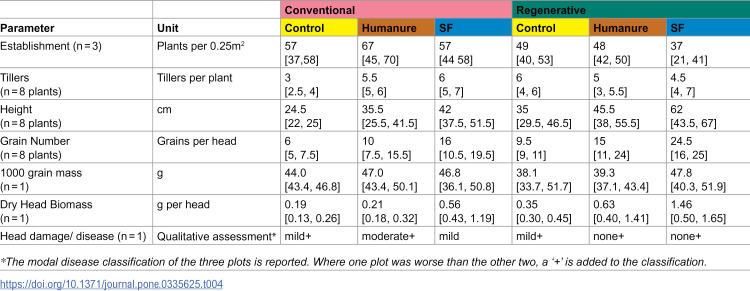 Figure 17
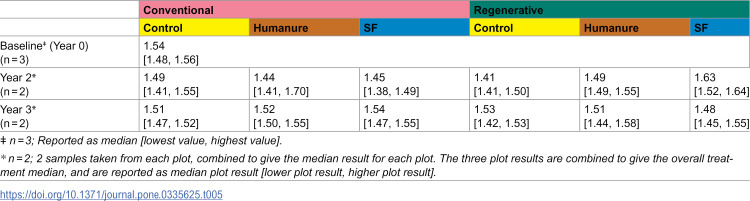 Figure 18
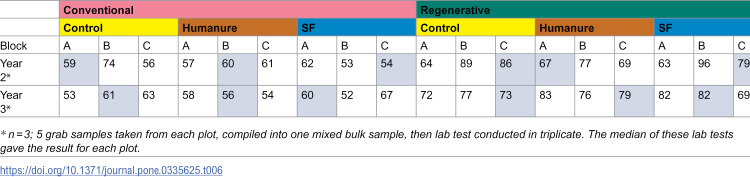 Figure 19
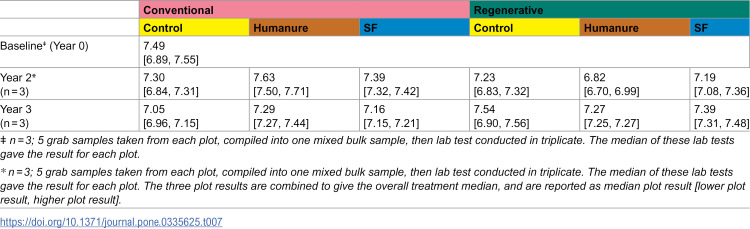 Figure 20
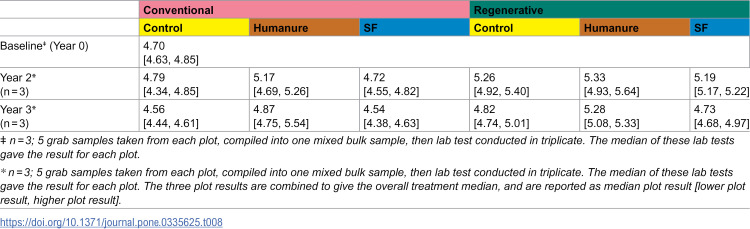 Figure 21
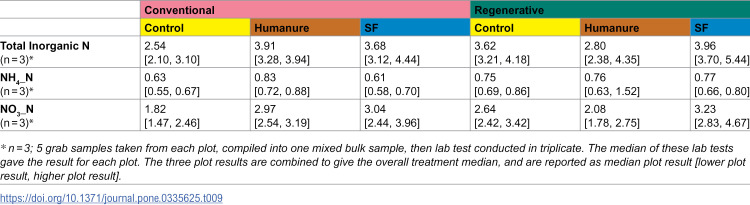 Figure 22
Peer Reviews
No public reviews on file for this paper yet. If you reviewed it on a platform where reviews are public (OpenReview, ICLR, NeurIPS, ICML), you can paste yours below so the community can read it here.
Videos
No videos yet. Explain this paper in a talk, walkthrough, or lecture? Add one.
Taxonomy
TopicsWastewater Treatment and Reuse · Urban Agriculture and Sustainability · Constructed Wetlands for Wastewater Treatment