Differential modulation of haematopoietic and oxidative injury by PARP-1 and ATR kinase inhibition in a murine model of acute irradiation
Baydaa Taher Sih, Hesham M.H. Zakaly, Hesham M.H. Zakaly, Hesham M.H. Zakaly, Hesham M.H. Zakaly

TL;DR
This study shows that giving PARP inhibitors after radiation exposure helps protect mice from blood and oxidative damage, while ATR inhibitors do not.
Contribution
The study demonstrates the differential protective effects of post-exposure PARP-1 and ATR kinase inhibition in acute radiation injury.
Findings
PARP inhibition after radiation reduced anemia and white blood cell loss in mice.
PARP inhibitors increased antioxidant activity and reduced DNA damage.
ATR kinase inhibitors showed no protective effects after radiation exposure.
Abstract
Temporal Modulation of Acute Radiation Injury by Post-Exposure PARP-1 versus ATR Kinase Inhibition. PARP-1 and ATR inhibitors have been employed as radiosensitizers in cancer therapy. In addition to this, there is little evidence about the role of these chemicals after a dose of radiation, specifically in relation to reducing damage to healthy cells rather than increasing it. The goal of this study was to determine if PARP-1 or ATR kinase inhibitors, when delayed administered, could decrease the severity of the condition caused by an acute dose of radiation and compare the impact of PARP-1 and ATR inhibitors. Mice of the C57BL/6 strain were subjected to a total body irradiation dose of 2.5 Gy γ-rays. In each experiment, thirty minutes following exposure to IR, either the PARP inhibitor, olaparib at 50 mg/kg or the ATR kinase inhibitor VE-821 at 25 mg/kg was injected intraperitoneally…
Genes, proteins, chemicals, diseases, species, mutations and cell lines named across the full text — each resolved to its canonical identifier and authoritative record.
Click any figure to enlarge with its caption.
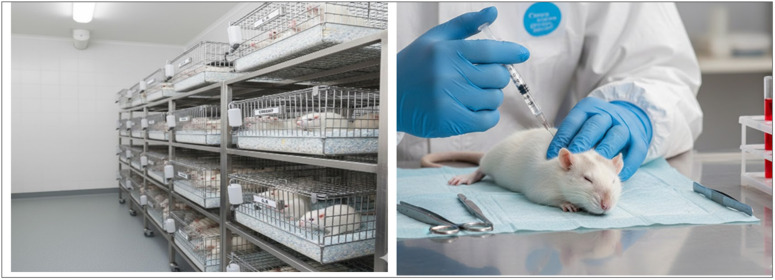 Figure 1
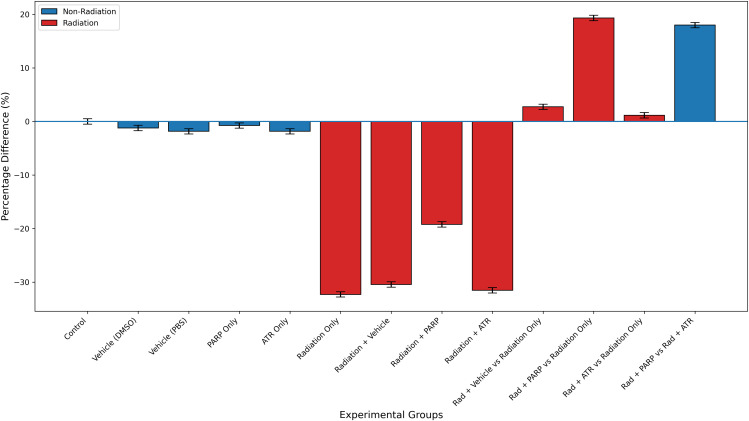 Figure 2
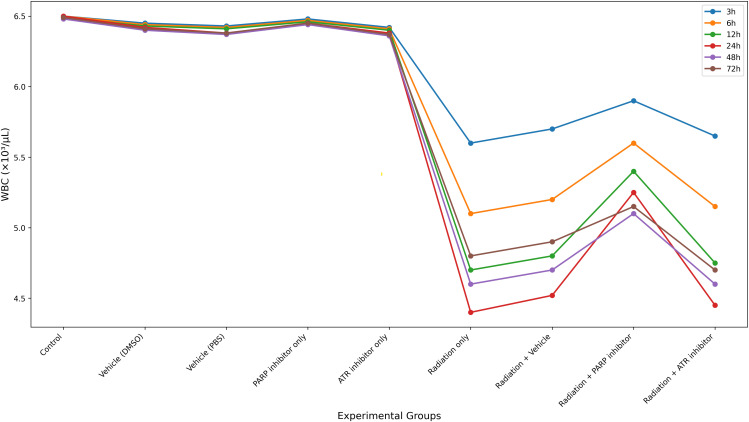 Figure 3
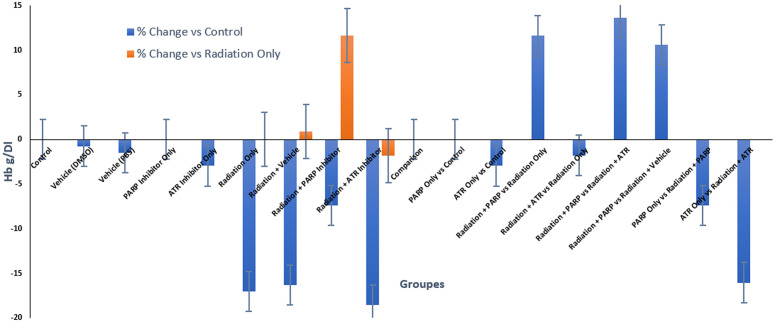 Figure 4
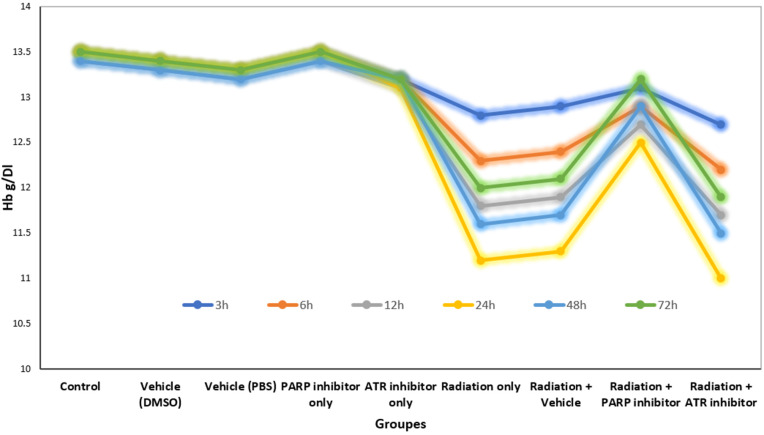 Figure 5
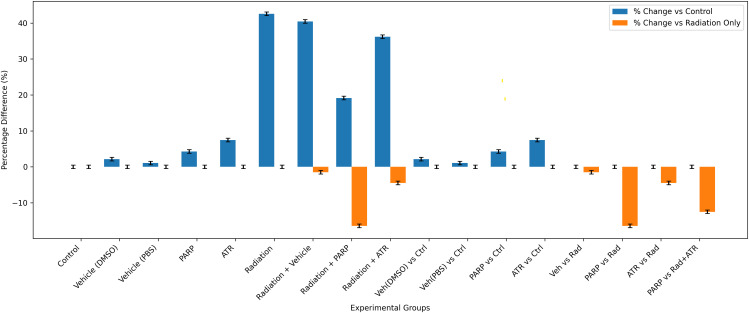 Figure 6
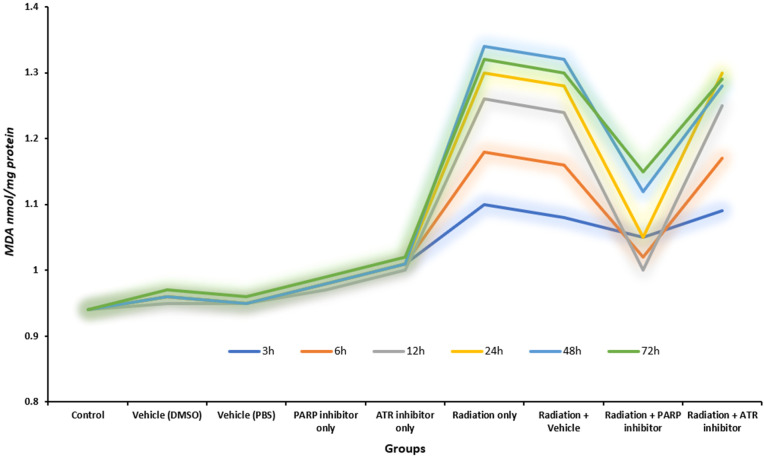 Figure 7
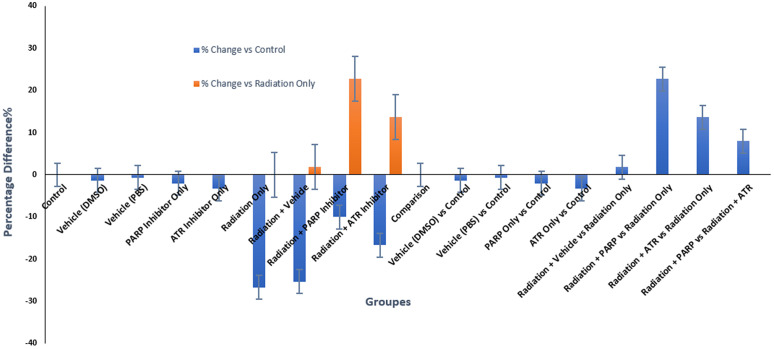 Figure 8
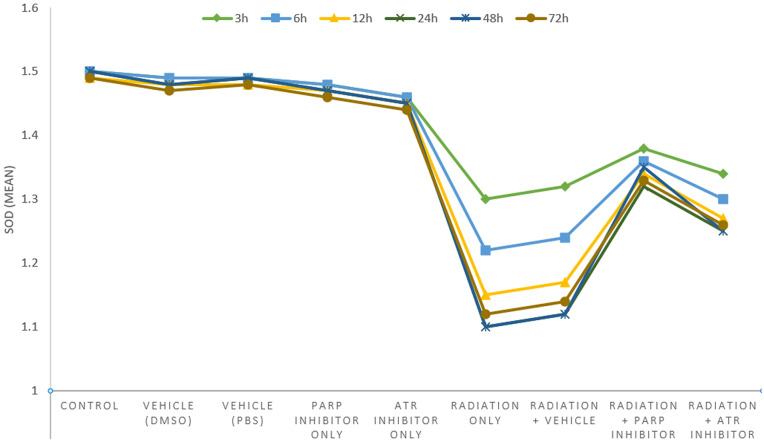 Figure 9
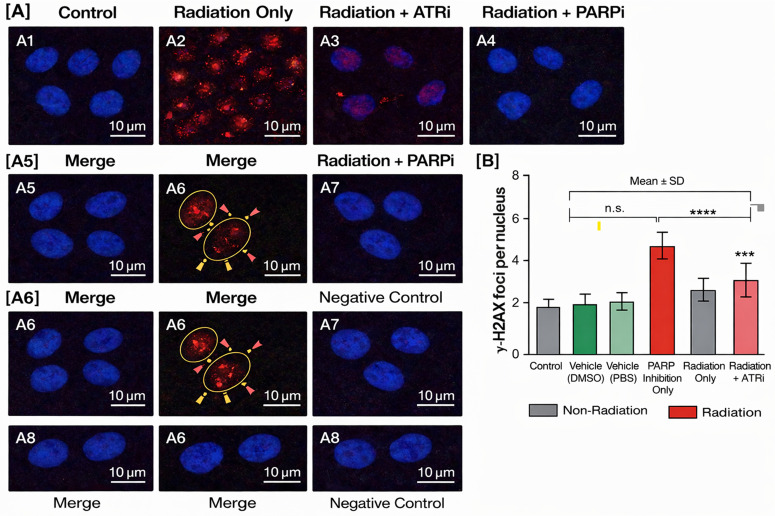 Figure 10
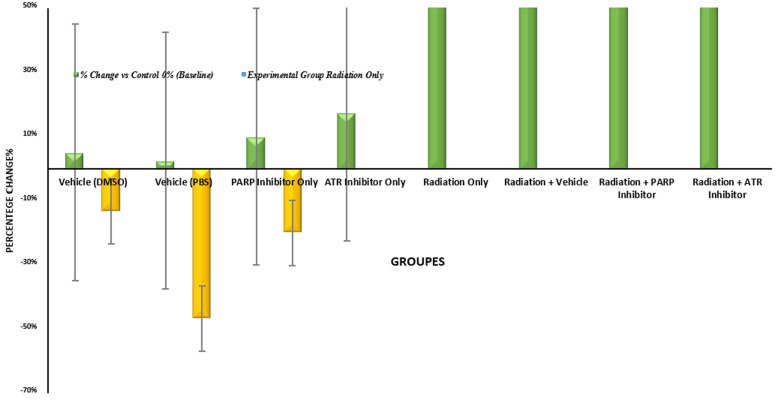 Figure 11
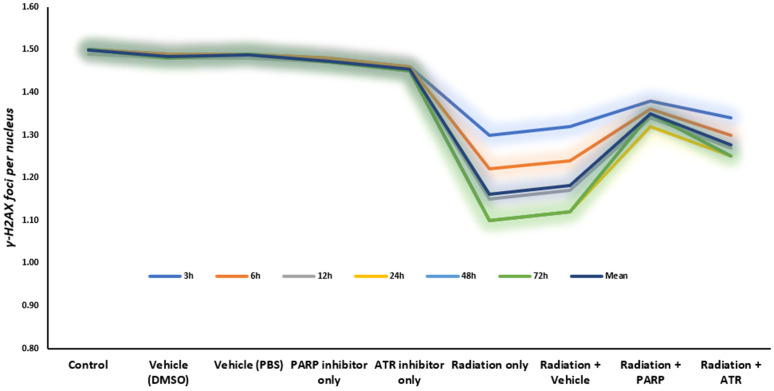 Figure 12
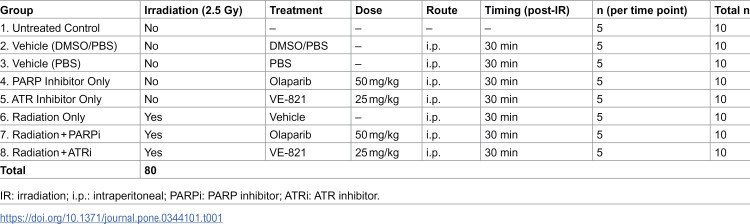 Figure 13
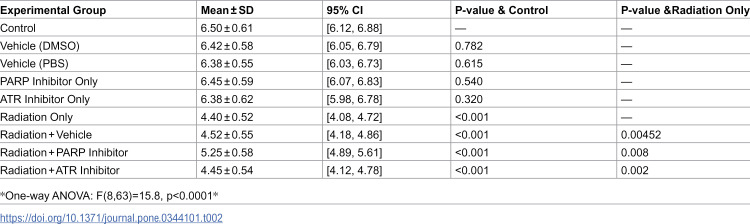 Figure 14
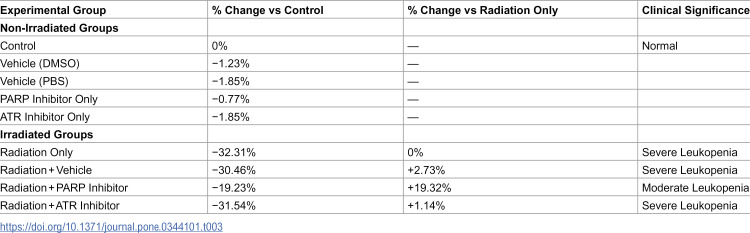 Figure 15
 Figure 16
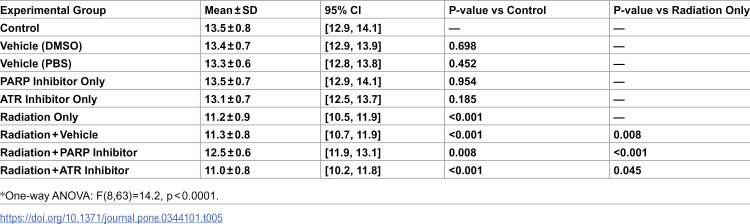 Figure 17
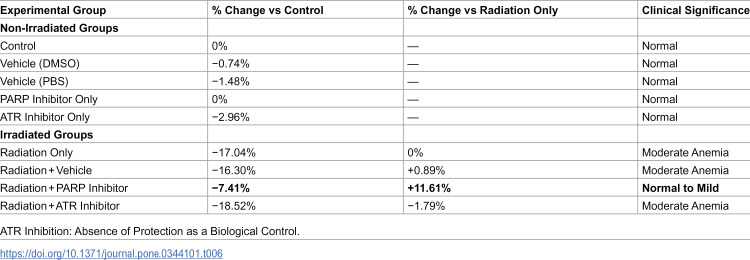 Figure 18
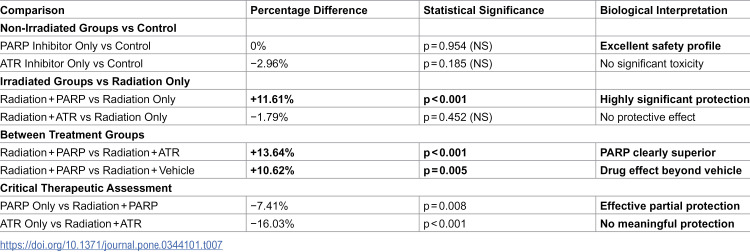 Figure 19
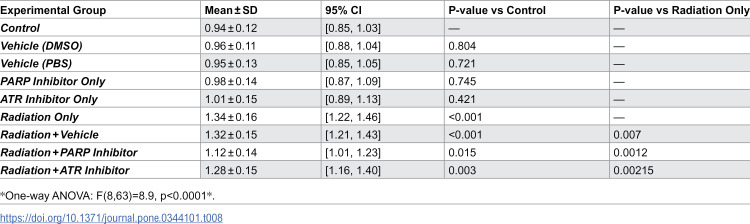 Figure 20
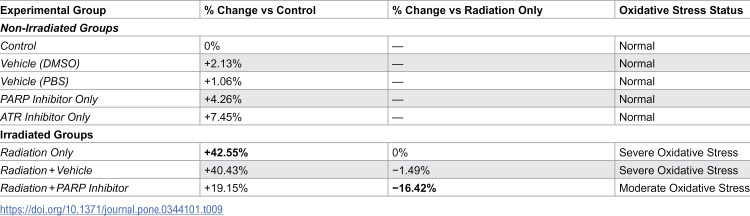 Figure 21
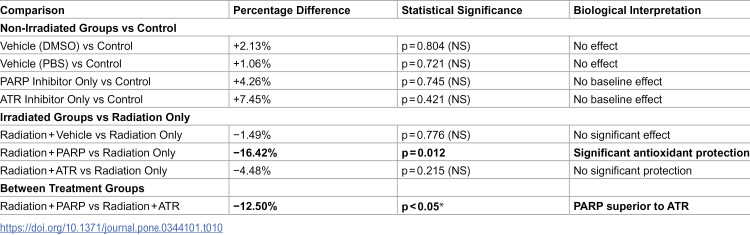 Figure 22
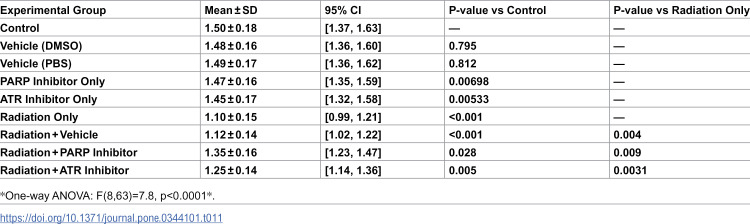 Figure 23
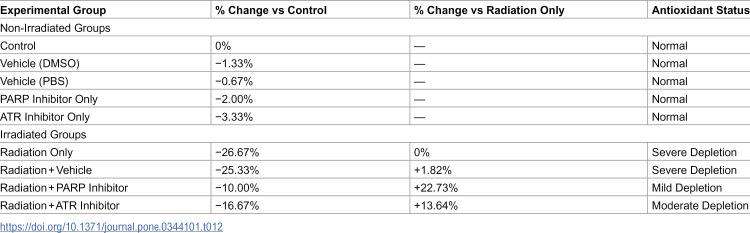 Figure 24
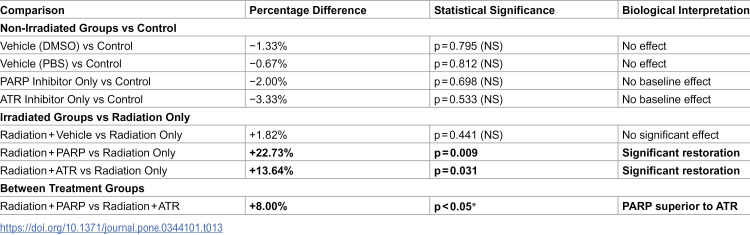 Figure 25
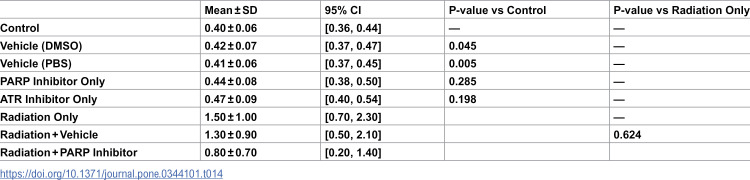 Figure 26
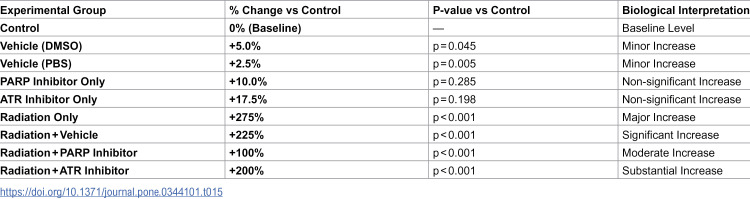 Figure 27
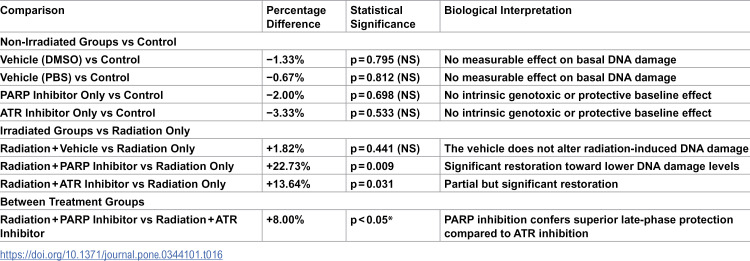 Figure 28
Peer Reviews
No public reviews on file for this paper yet. If you reviewed it on a platform where reviews are public (OpenReview, ICLR, NeurIPS, ICML), you can paste yours below so the community can read it here.
Videos
No videos yet. Explain this paper in a talk, walkthrough, or lecture? Add one.
Taxonomy
TopicsPARP inhibition in cancer therapy · DNA Repair Mechanisms · Effects of Radiation Exposure