APP Deficiency Ameliorates FAD Presenilin 1 F105C and A246E Mutations-induced Mitochondrial Dysfunction in Human Cortical Neurons
Yu-Hsin Yen, Fang Yuan, Daijiao Tang, Jing-Fang Luo, Chen Ming, Phil-Jun Kang, Huanxing Su, Cheong-Meng Chong, Su-Chun Zhang

TL;DR
Reducing APP levels helps fix mitochondrial problems caused by FAD-linked PS1 mutations in human brain cells.
Contribution
The study shows APP deficiency can alleviate PS1 mutation-induced mitochondrial dysfunction in human cortical neurons.
Findings
Mitochondrial dysfunction is a key pathway altered in sporadic AD cortex.
APP knockout reduces mitochondrial defects and AD-related phenotypes in PS1 mutant neurons.
Findings highlight APP's role in linking PS1 mutations to mitochondrial dysfunction in AD.
Abstract
Mitochondrial dysfunction is widely regarded as a central and early feature of Alzheimer's disease (AD) pathology. Prior studies suggest that the accumulation of amyloid precursor protein (APP) within mitochondria contributes to this dysfunction. Mutations in presenilin-1 (PS1), which account for most cases of early-onset familial AD (FAD), have also been shown to impair mitochondrial function. In this study, we investigated how APP influences PS1 mutation-induced mitochondrial dysfunction in human cortical neurons derived from patient induced pluripotent stem cells (iPSCs). We analyzed transcriptomic and proteomic datasets from postmortem sporadic AD cortex to identify key dysregulated pathways. To functionally interrogate selected mechanisms, we established a panel of CRISPR/Cas9-engineered human iPSC lines, including PS1 mutant lines (PS1+/F105C and PS1+/A246E), an APP knockout…
Genes, proteins, chemicals, diseases, species, mutations and cell lines named across the full text — each resolved to its canonical identifier and authoritative record.
Click any figure to enlarge with its caption.
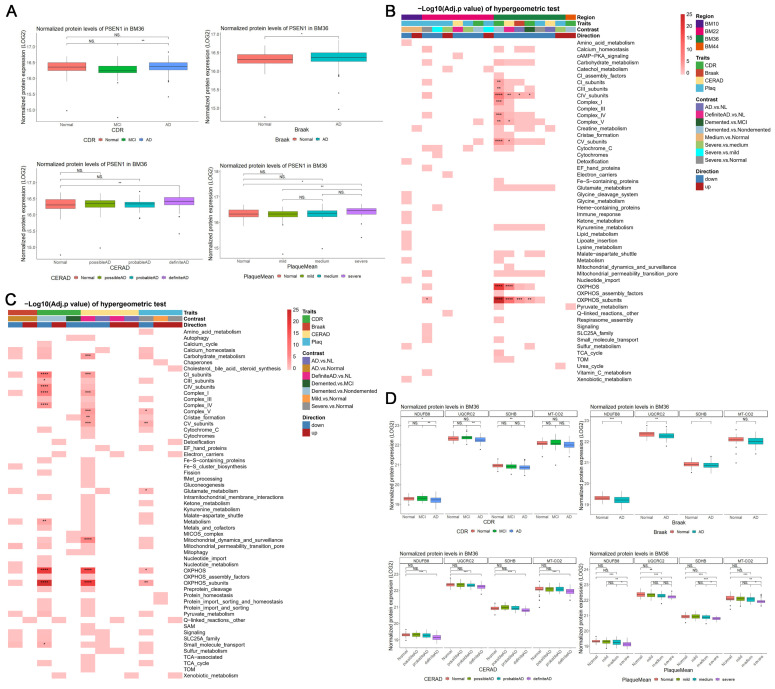 Figure 1
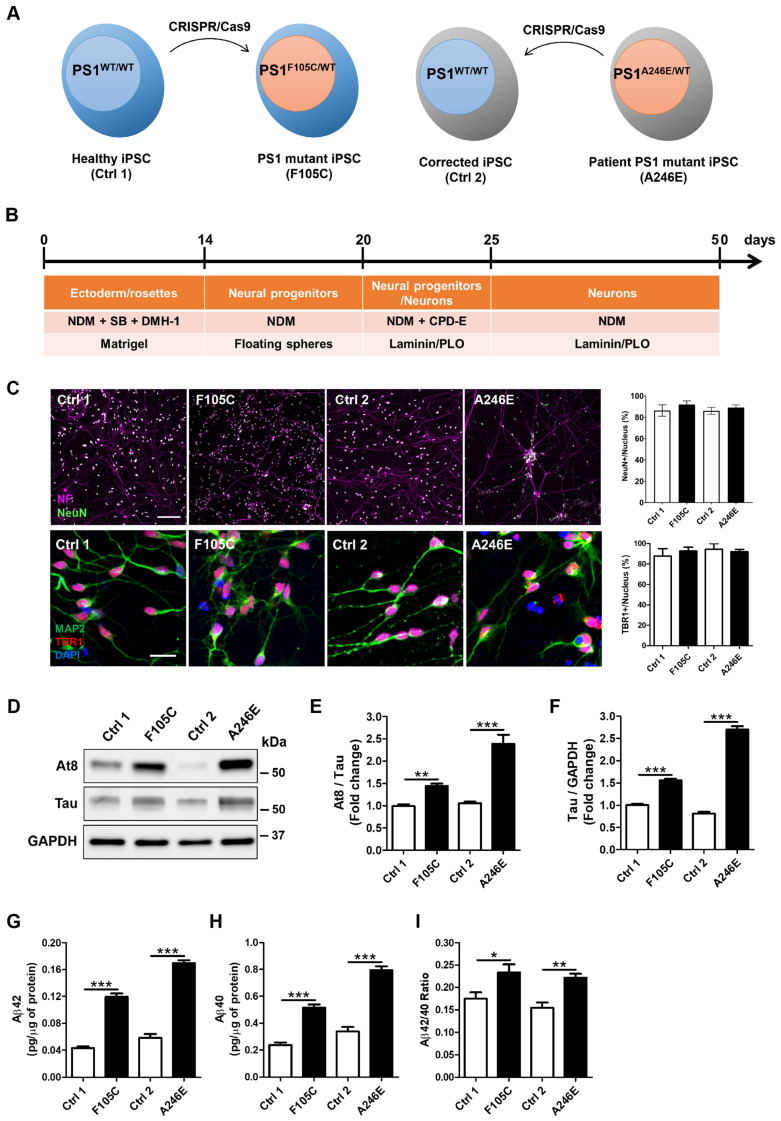 Figure 2
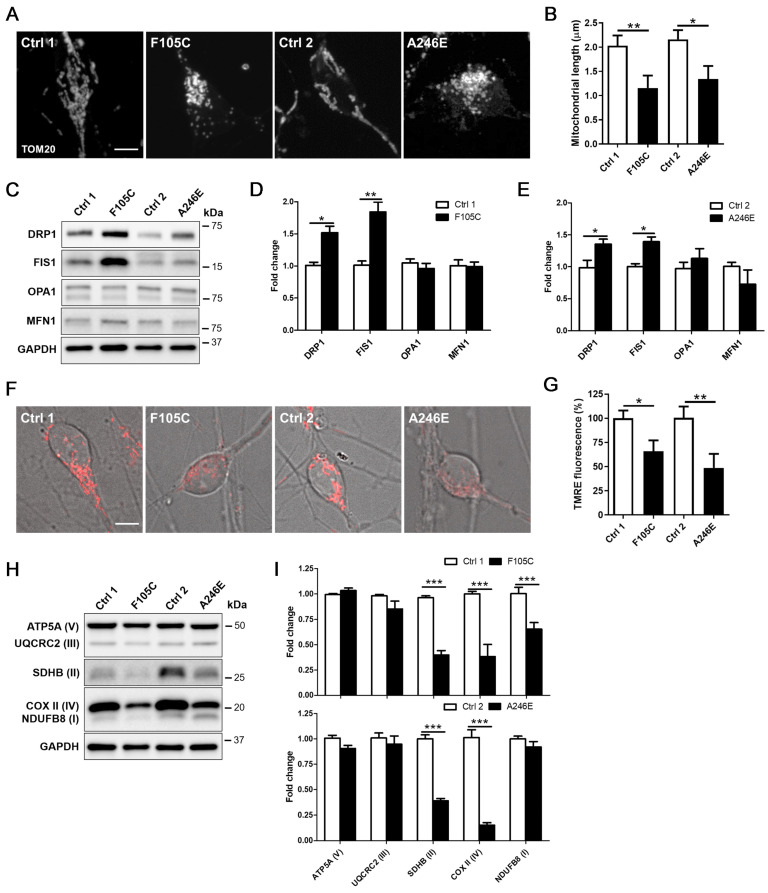 Figure 3
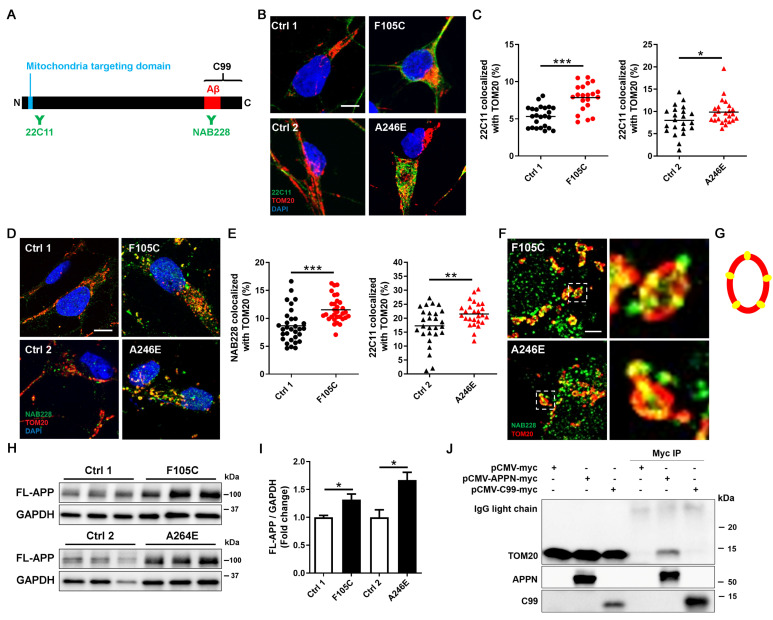 Figure 4
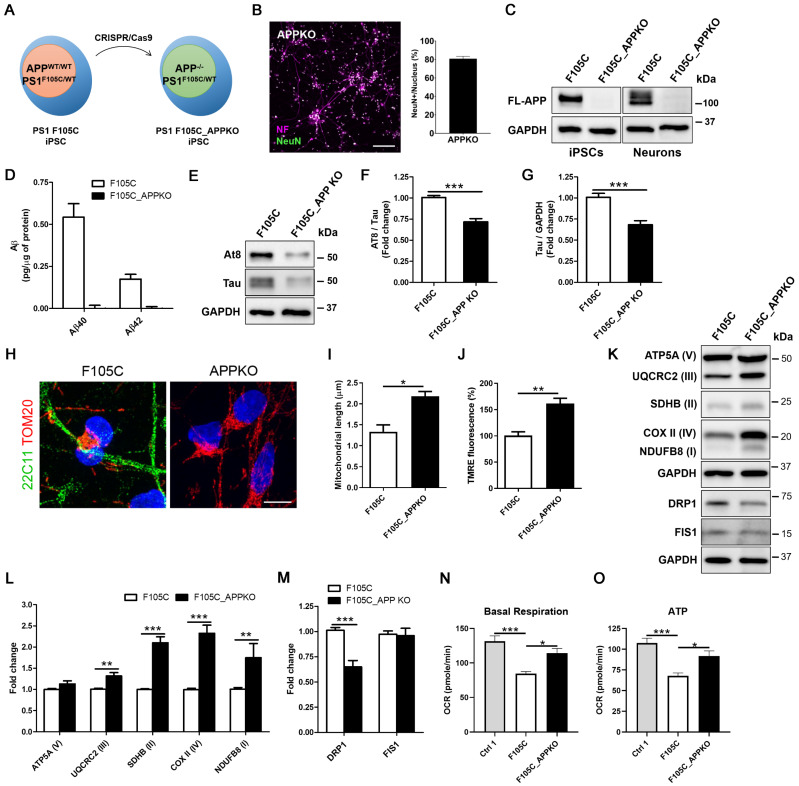 Figure 5
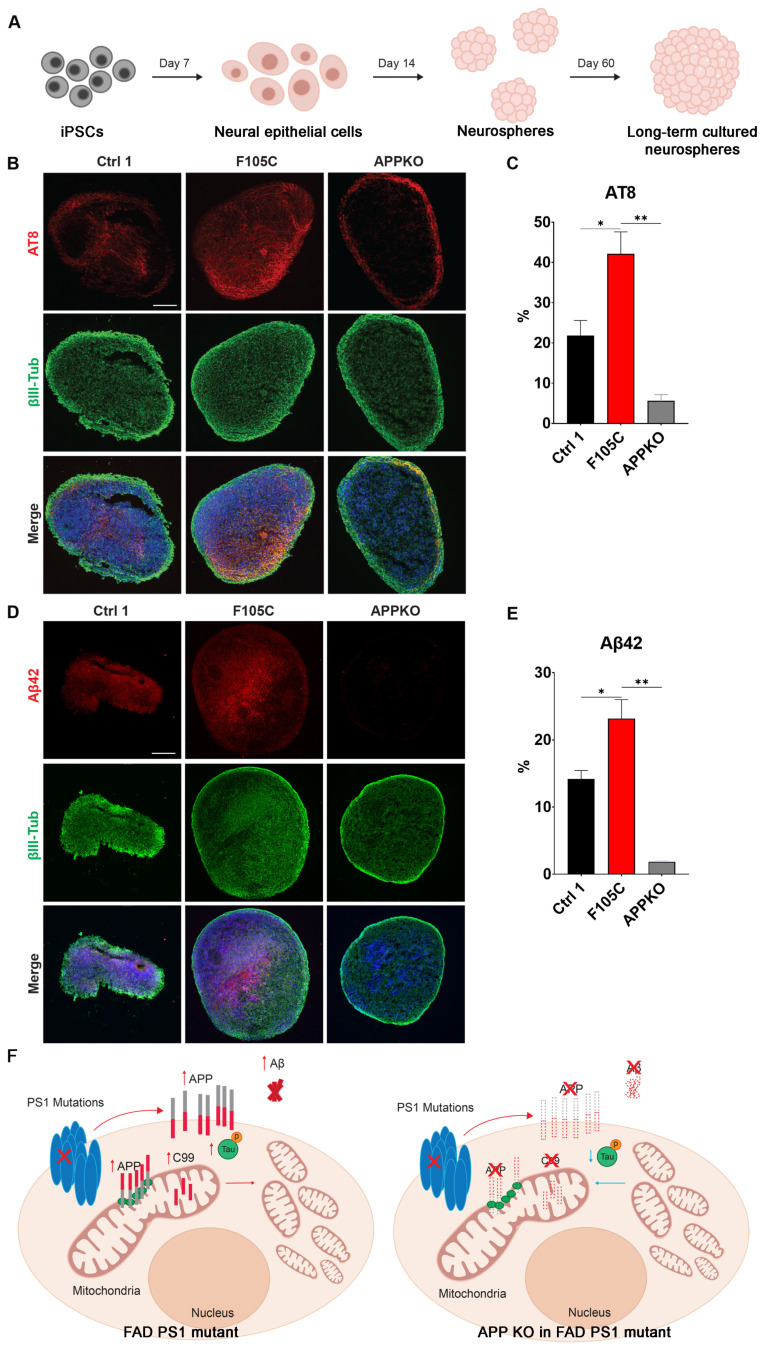 Figure 6
Peer Reviews
No public reviews on file for this paper yet. If you reviewed it on a platform where reviews are public (OpenReview, ICLR, NeurIPS, ICML), you can paste yours below so the community can read it here.
Videos
No videos yet. Explain this paper in a talk, walkthrough, or lecture? Add one.
Taxonomy
TopicsHereditary Neurological Disorders · Mitochondrial Function and Pathology · Cellular transport and secretion