Gut Microbiota-driven Tryptophan Metabolism Towards the Indole Pathway Mediates Schisandra Chinensis Polysaccharide's Alleviation of Ulcerative Colitis and Comorbid Depression via Aryl Hydrocarbon Receptor
Jiuba Zhang, Shuai Yan, Ting Gao, Mingxuan Li, Yu Li, Lin Li, De Ji, Zhenhua Bian, Wei Huang, Jinjun Hou, Tulin Lu, Lianlin Su

TL;DR
A new Schisandra chinensis polysaccharide helps treat ulcerative colitis and related depression by altering gut bacteria and tryptophan metabolism through the aryl hydrocarbon receptor.
Contribution
A novel low-molecular-weight Schisandra chinensis polysaccharide is shown to alleviate UC and comorbid depression via microbiota-driven tryptophan metabolism and AhR activation.
Findings
SCP reduces colonic inflammation and depression-like behaviors in UC mice by repairing gut and blood-brain barriers.
SCP redirects tryptophan metabolism toward indole production and away from the pro-inflammatory kynurenine pathway.
Indole-3-propionic acid, a product of SCP's action, mediates anti-inflammatory effects via AhR activation in both colon and hippocampus.
Abstract
Patients with ulcerative colitis (UC) exhibit heightened depression risk, linked to microbiota-gut-brain axis dysfunction. This study isolated a novel low-molecular-weight Schisandra chinensis polysaccharide (SCP) that ameliorated UC and comorbid depression by remodeling gut microbiota, redirecting tryptophan (Trp) metabolism toward the indole pathway, and activating aryl hydrocarbon receptor (AhR). Structurally, SCP features a →4)-α-D-Glcp backbone with O-6 branched chains. In dextran sulfate sodium-induced UC mice, SCP mitigated colonic inflammation, restored intestinal barrier integrity, and improved depression-like behaviors by repairing blood-brain barrier, reducing neuroinflammation, preserving hippocampal neurons, and modulating synaptic plasticity. Multi-omics revealed SCP enriched beneficial microbiota (e.g., Limosilactobacillus reuteri) and rebalanced Trp metabolism along the…
Genes, proteins, chemicals, diseases, species, mutations and cell lines named across the full text — each resolved to its canonical identifier and authoritative record.
Click any figure to enlarge with its caption.
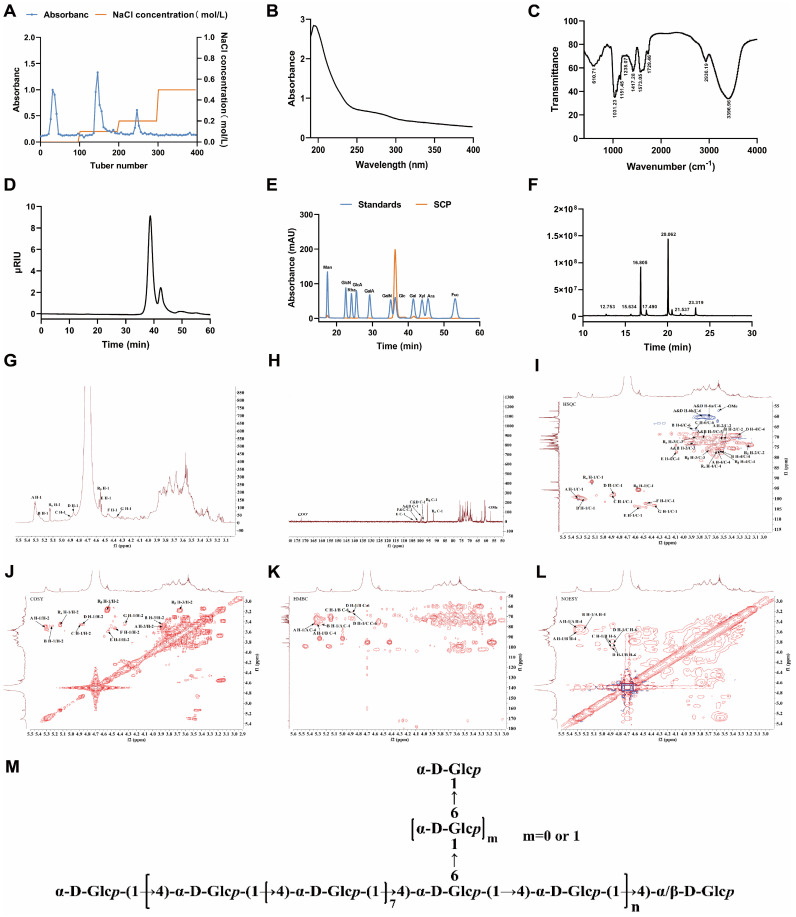 Figure 1
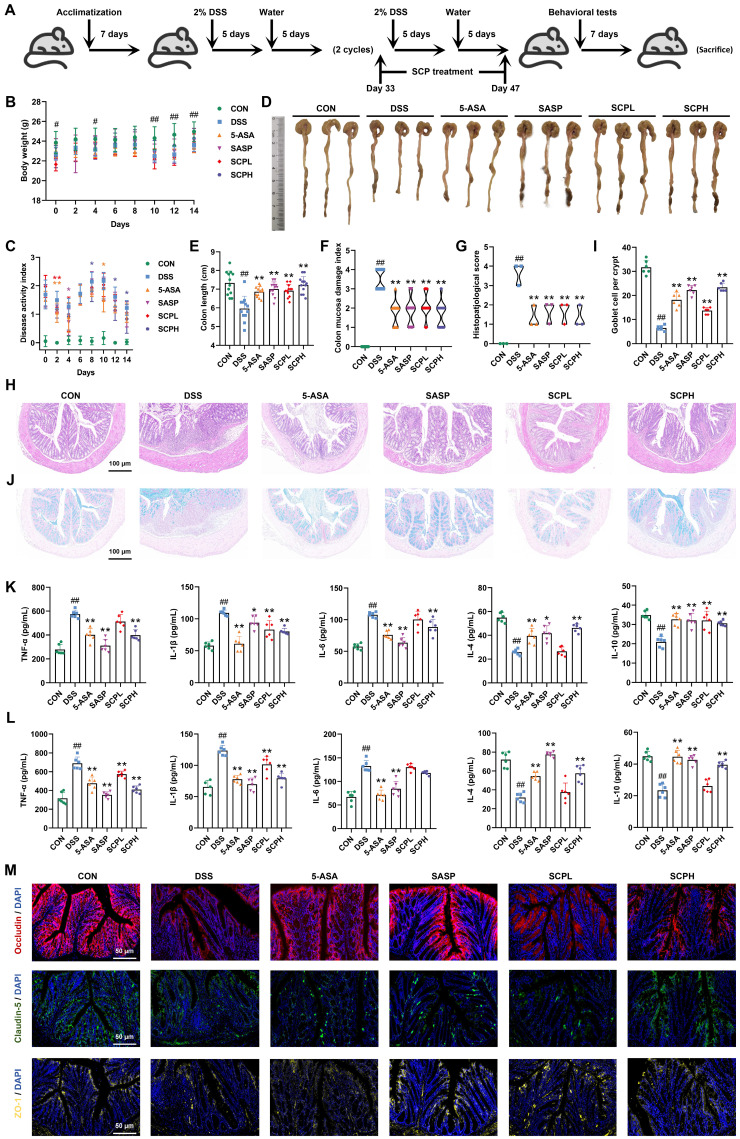 Figure 2
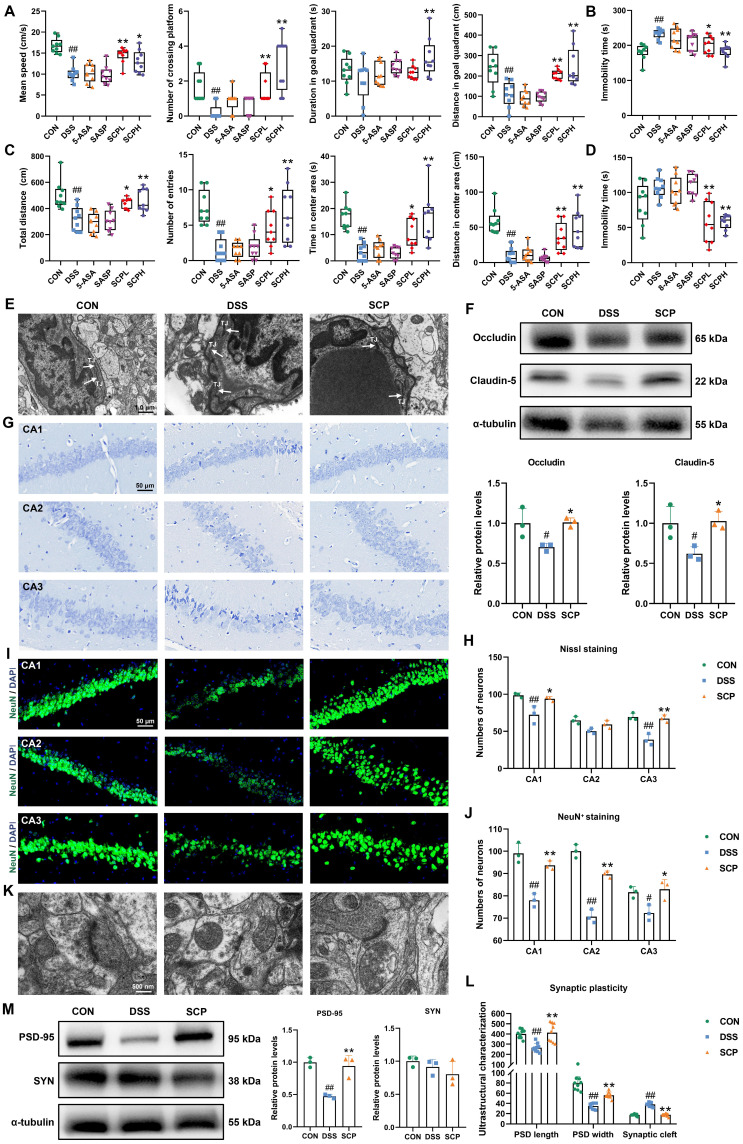 Figure 3
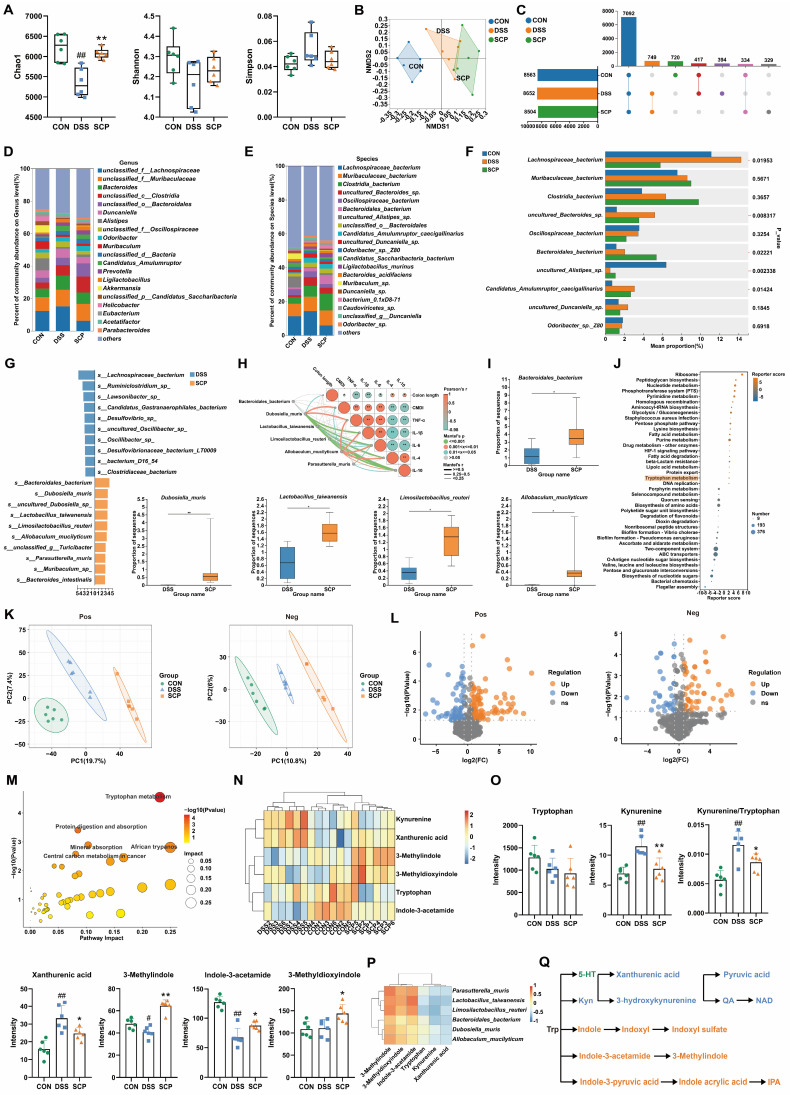 Figure 4
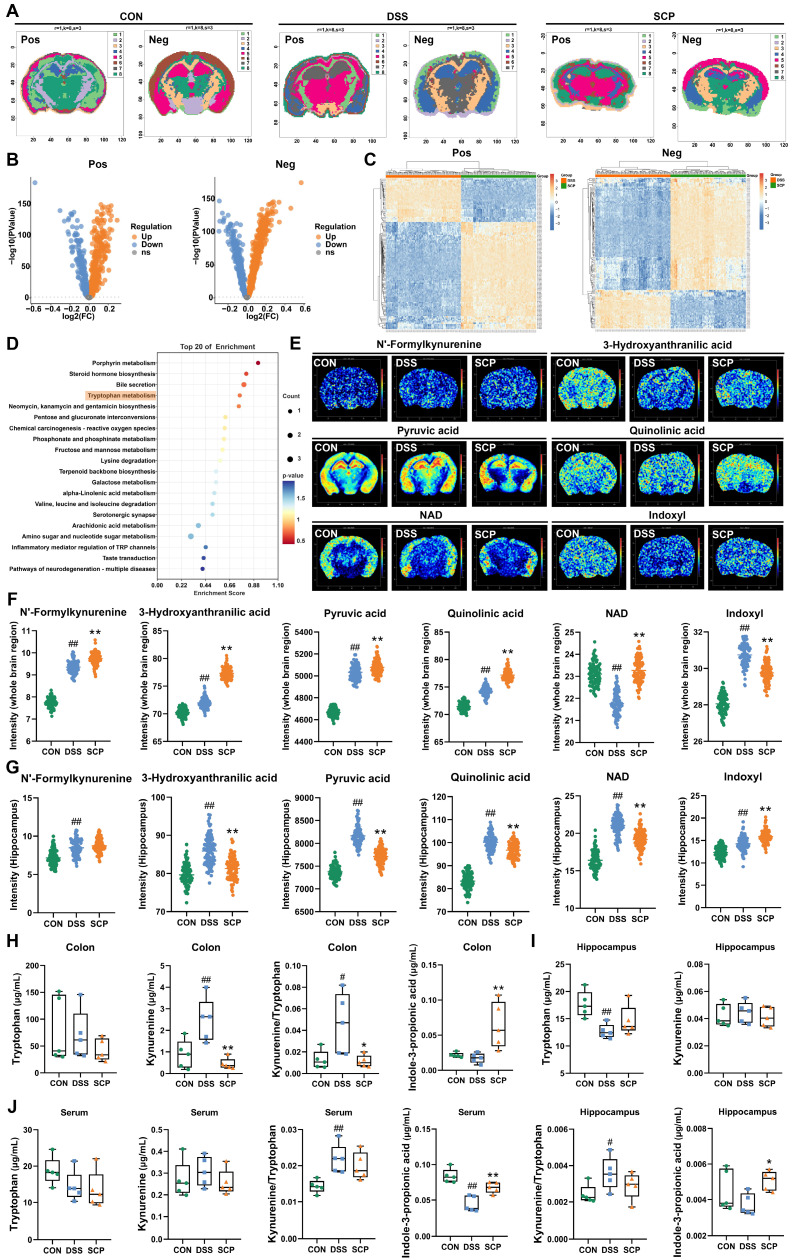 Figure 5
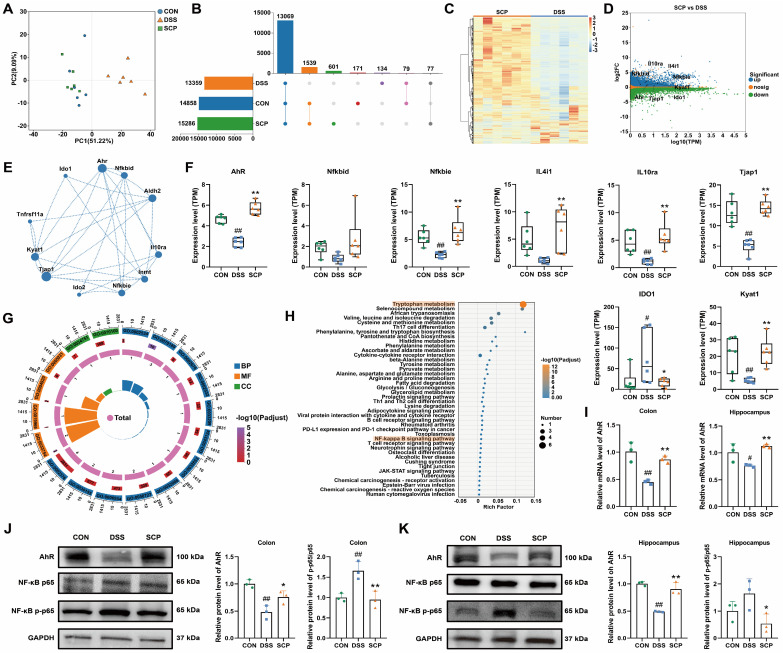 Figure 6
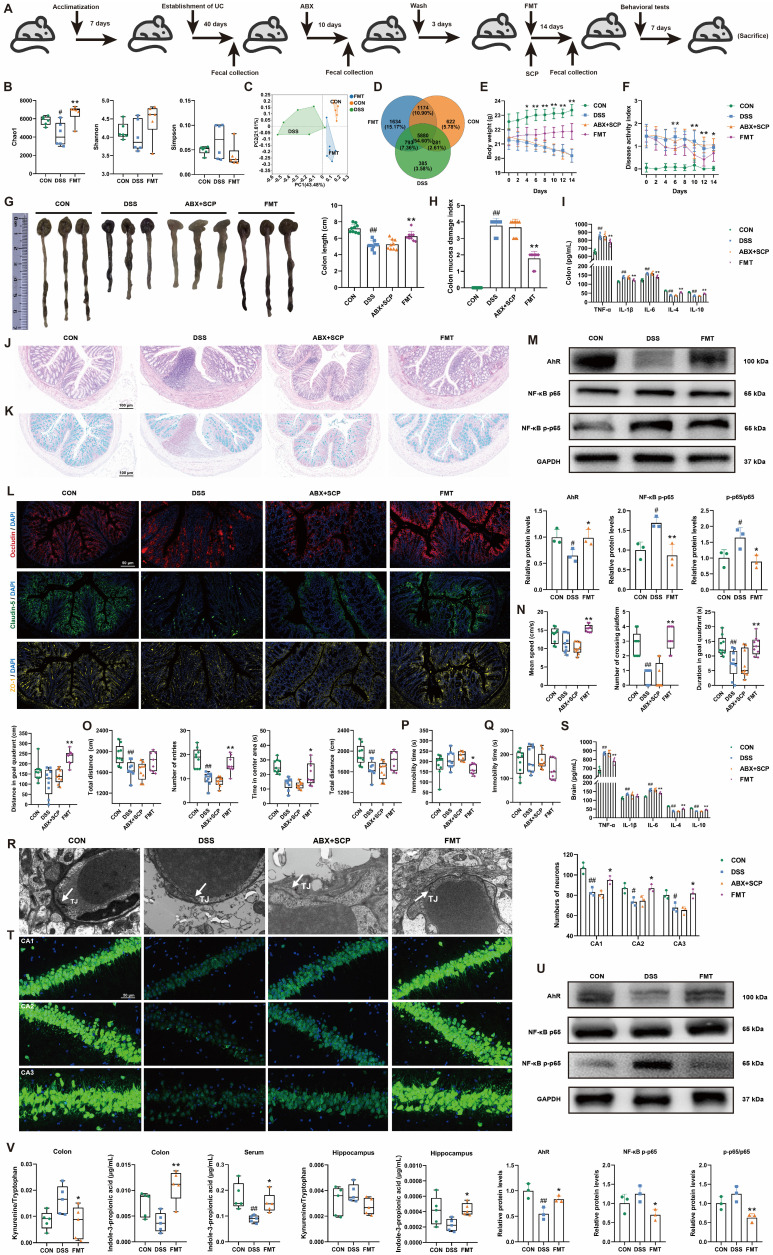 Figure 7
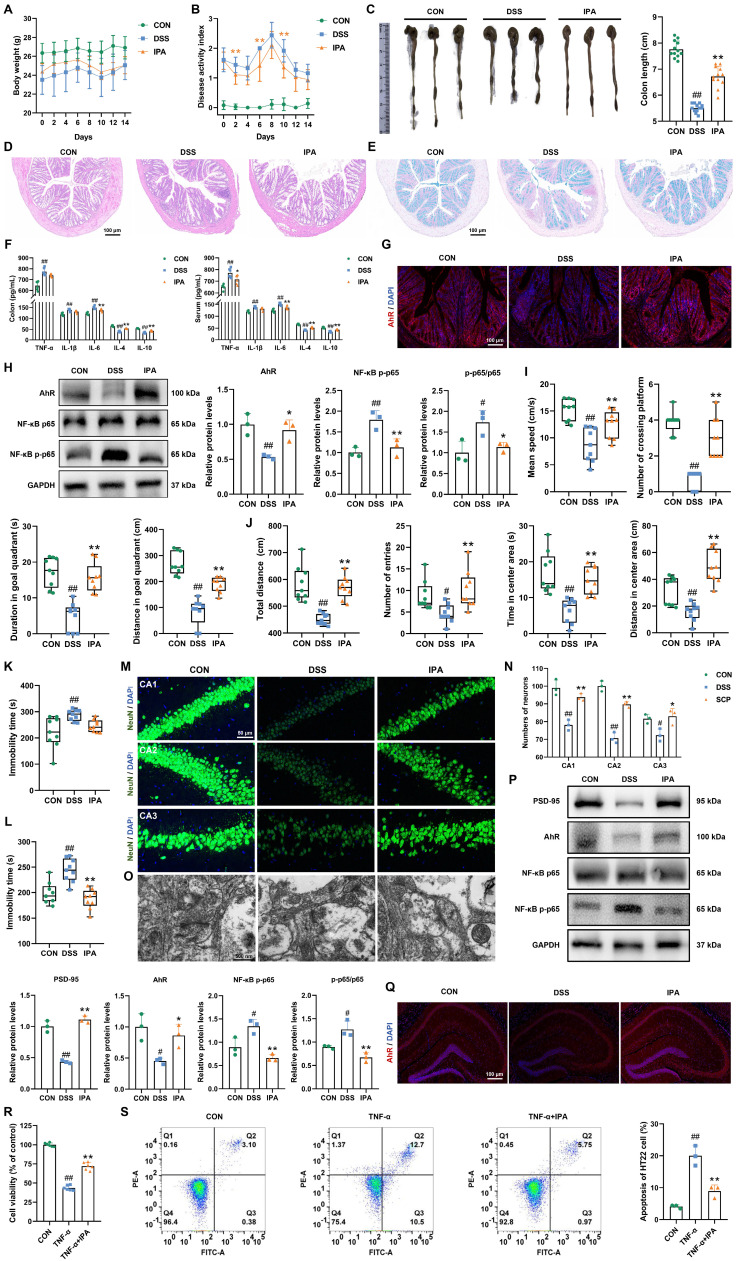 Figure 8
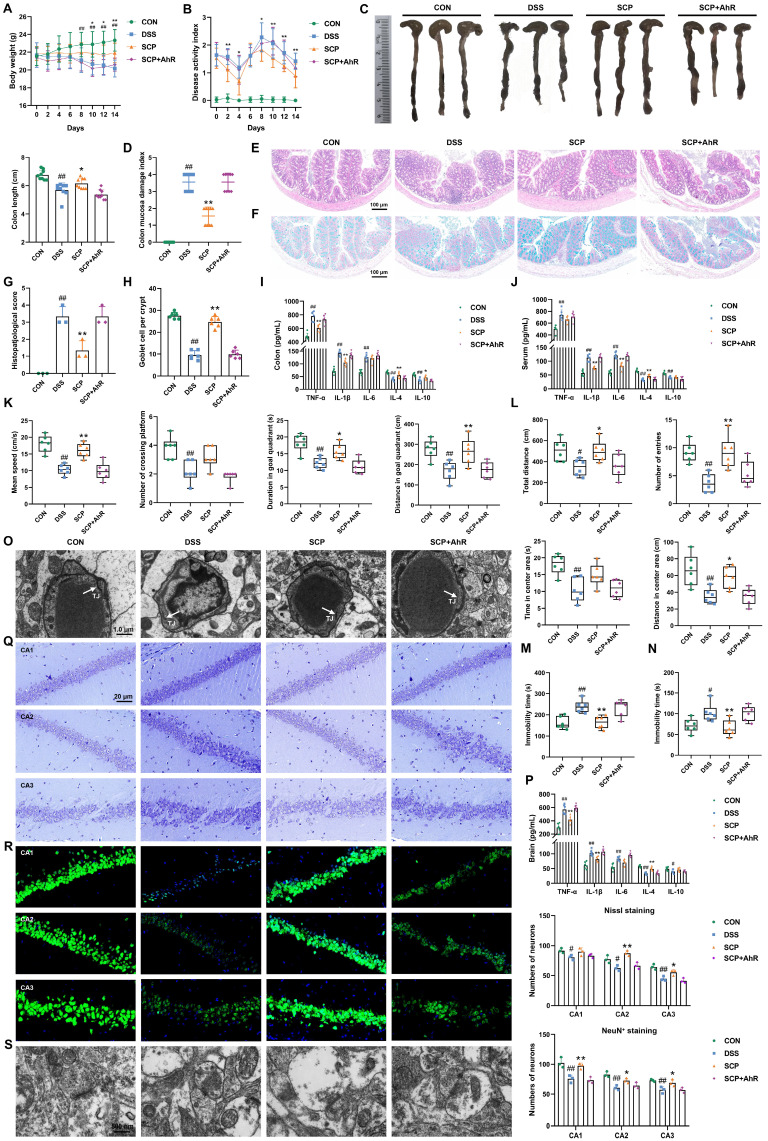 Figure 9
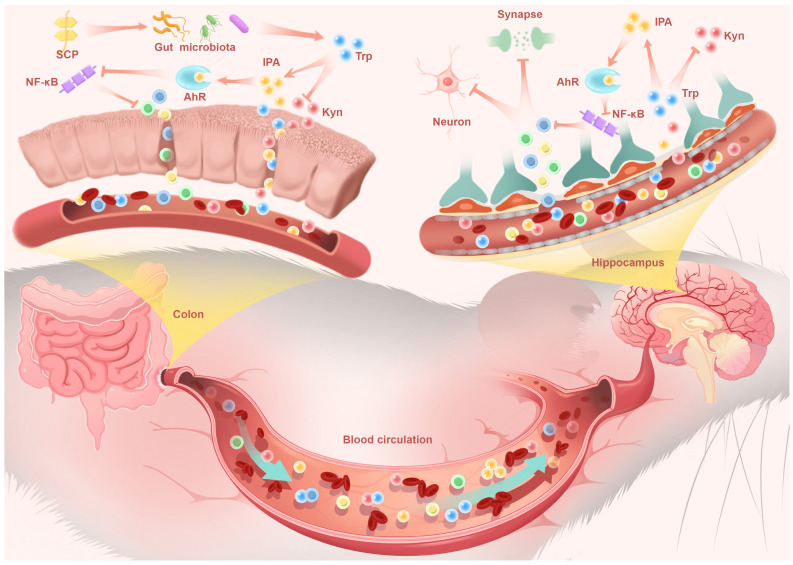 Figure 10
Peer Reviews
No public reviews on file for this paper yet. If you reviewed it on a platform where reviews are public (OpenReview, ICLR, NeurIPS, ICML), you can paste yours below so the community can read it here.
Videos
No videos yet. Explain this paper in a talk, walkthrough, or lecture? Add one.
Taxonomy
TopicsTryptophan and brain disorders · Gut microbiota and health · Plant-derived Lignans Synthesis and Bioactivity