Length-dependent quantum interference and high thermoelectric response ferrocene-modified OPE wires
Alaa A. Al-Jobory, Sameer Nawaf, Colin Lambert, Ali Ismael

TL;DR
This paper studies how the length of ferrocene-modified molecular wires affects their electronic properties, revealing quantum interference and high thermoelectric potential.
Contribution
The study demonstrates odd–even parity effects in quantum interference and high thermoelectric performance in ferrocene-OPE molecular wires.
Findings
Odd-numbered ferrocene units show destructive quantum interference with transmission dips in the HOMO–LUMO gap.
Even-numbered units exhibit constructive quantum interference with efficient long-range tunneling (β ≈ 1.1 nm−1).
The structures achieve high Seebeck coefficients exceeding 250 µV K−1, indicating strong thermoelectric potential.
Abstract
We present a study of the length-dependent charge transport properties of a homologous series of oligo(phenylene–ethynylene) (OPE) molecular wires integrated with ferrocene units (Fe 1–Fe 5). Theoretical analysis reveals a coherent, length-dependent transport mechanism governed by quantum interference, with a distinct odd–even parity effect. Molecules with an odd number of ferrocene units exhibit a characteristic transmission dip within the HOMO–LUMO gap, a signature of destructive quantum interference (DQI), while even-numbered molecules show constructive quantum interference (CQI). This demonstrates that the interference behaviour is a holistic property of the full molecular length, not merely of the ferrocene core. The series exhibits efficient long-range tunneling, with a decay constant of β ≈ 1.1 nm−1 over lengths from 1.98 to 3.47 nm. Furthermore, these structures also possess…
Genes, proteins, chemicals, diseases, species, mutations and cell lines named across the full text — each resolved to its canonical identifier and authoritative record.
Click any figure to enlarge with its caption.
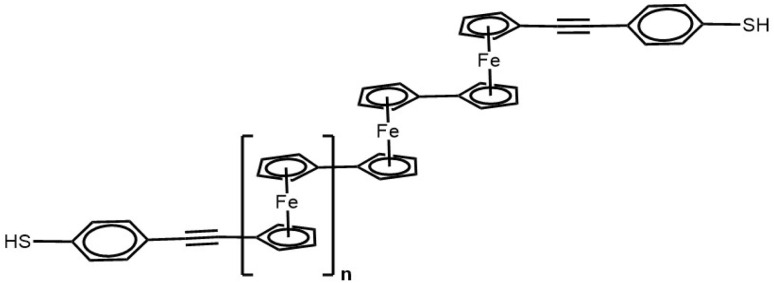 Figure 1
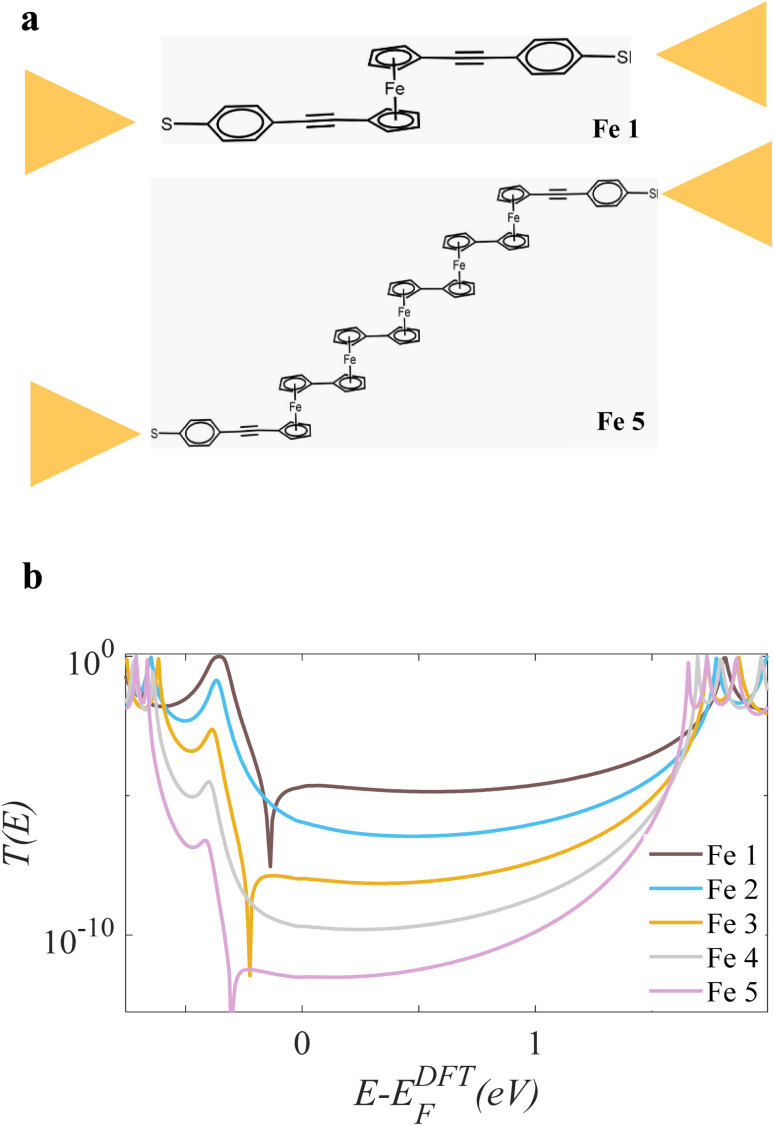 Figure 2
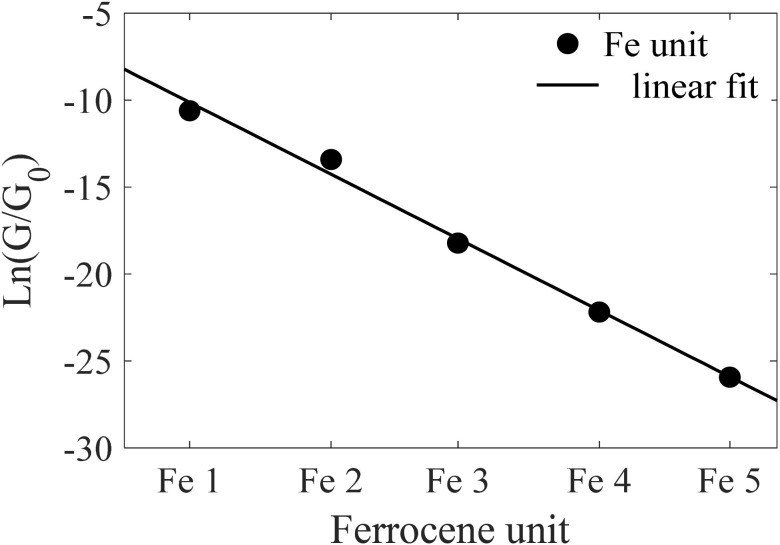 Figure 3
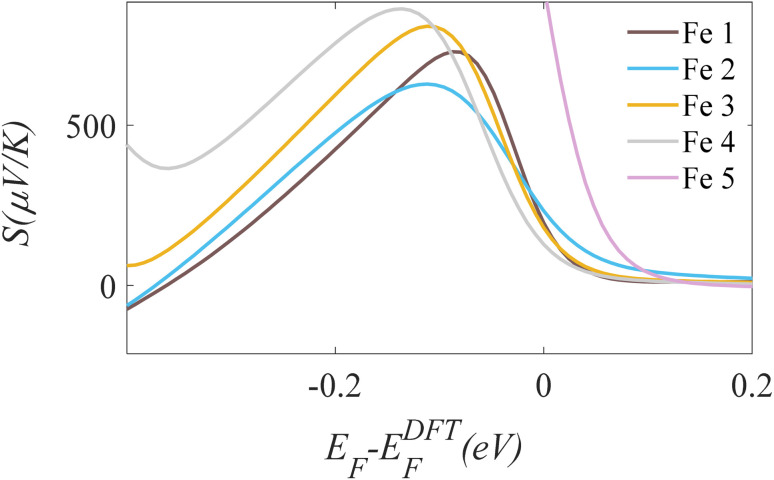 Figure 4
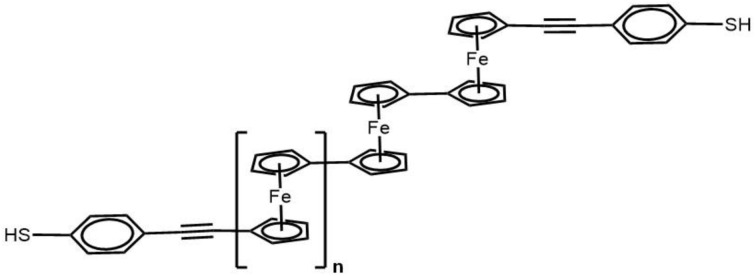 Figure 5
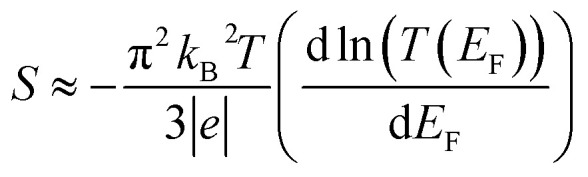 Figure 6
Peer Reviews
No public reviews on file for this paper yet. If you reviewed it on a platform where reviews are public (OpenReview, ICLR, NeurIPS, ICML), you can paste yours below so the community can read it here.
Videos
No videos yet. Explain this paper in a talk, walkthrough, or lecture? Add one.
Taxonomy
TopicsMolecular Junctions and Nanostructures · Magnetism in coordination complexes · Organic and Molecular Conductors Research