Lithic Miniaturization Provides a Signature of an MIS4‐3 Southern Dispersal of Homo sapiens
Ceri Shipton

TL;DR
The paper proposes that small stone tools, or lithic miniaturization, mark the southern migration of Homo sapiens around 50,000 years ago.
Contribution
It introduces lithic miniaturization as a potential archaeological signature of a southern dispersal of Homo sapiens.
Findings
Lithic miniaturization appears in southern regions around 50 ka and is linked to behaviors like bow-and-arrow hunting.
It is found in coastal east Africa at 68 ka and southwestern Asia at 55 ka, associated with laminar blade technology.
These behaviors may have given Homo sapiens a competitive advantage over other hominins and earlier dispersals.
Abstract
Fossil and artefactual evidence shows Homo sapiens in Eurasia well before 75 ka. However, genetic evidence suggests all extant non‐African populations derive almost all of their ancestry from a dispersal that only diverged in the last 60–50 ka. In northern Eurasia, the Upper Paleolithic with its laminar blade knapping provides an archeological signature of this dispersal, but no equivalent is yet established for southern Asia, Wallacea, and Sahul. This paper suggests that lithic miniaturization may provide such a signature as it appears across these southern regions from around 50 ka. It can be traced back to the southwestern edge of Asia at 55 ka, and then coastal east Africa at 68 ka. In both these cases it is also associated with laminar blade technology. Lithic miniaturization is implicated in behaviors including bow‐and‐arrow hunting, compound tools, hair‐shaving, and…
Genes, proteins, chemicals, diseases, species, mutations and cell lines named across the full text — each resolved to its canonical identifier and authoritative record.
Click any figure to enlarge with its caption.
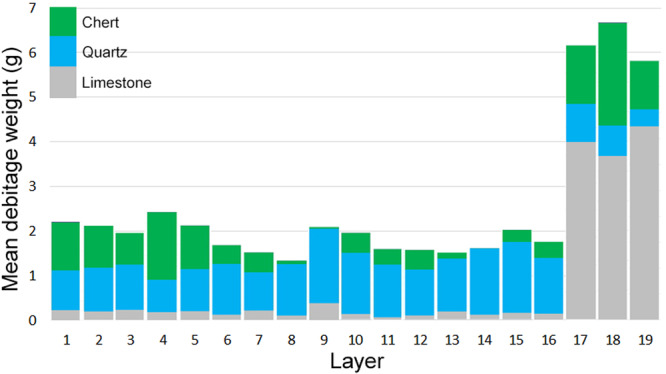 Figure 1
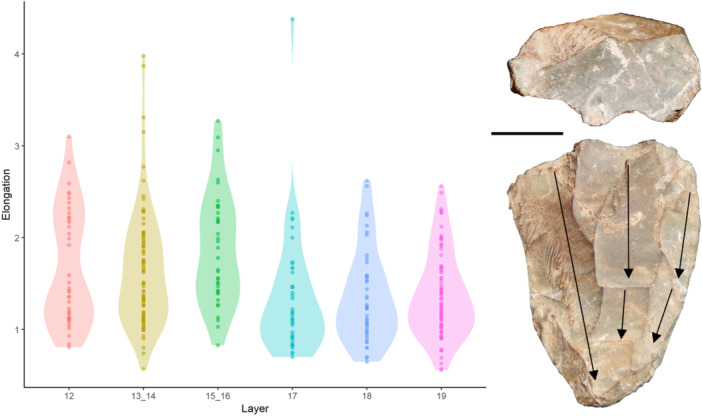 Figure 2
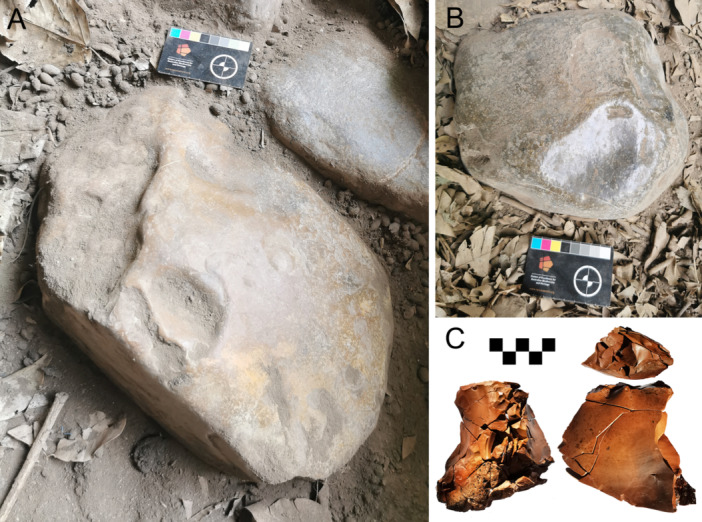 Figure 3
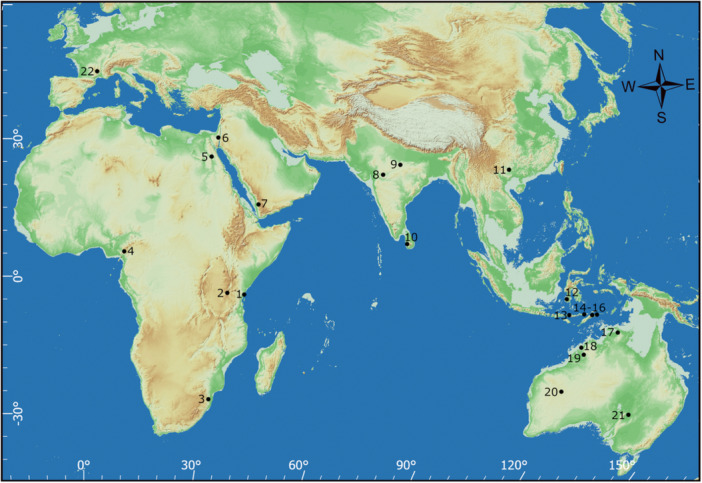 Figure 4
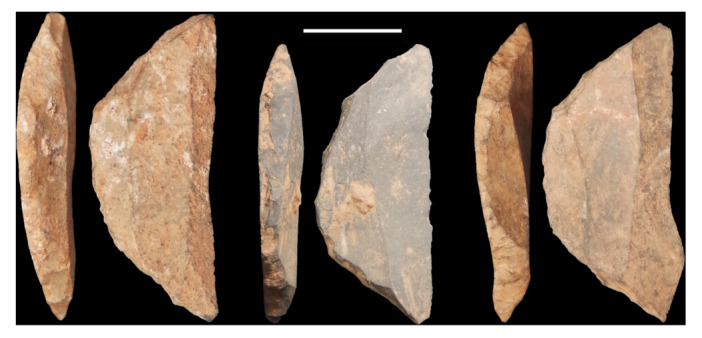 Figure 5
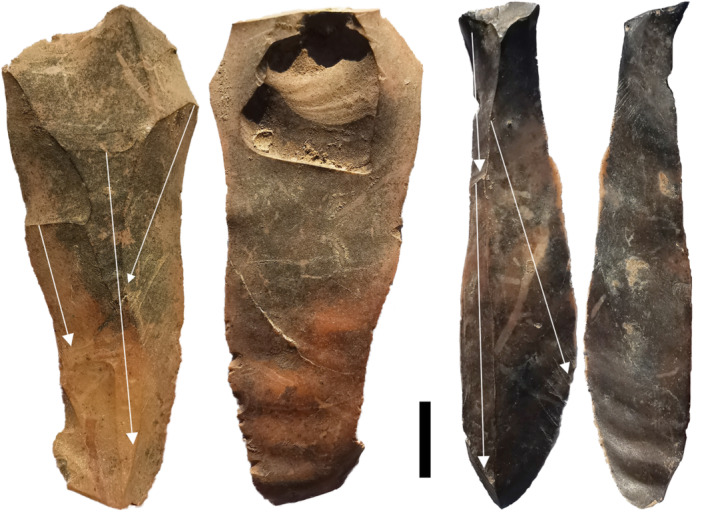 Figure 6
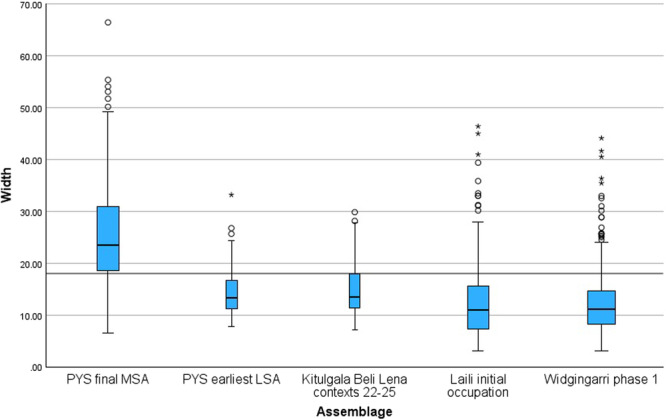 Figure 7
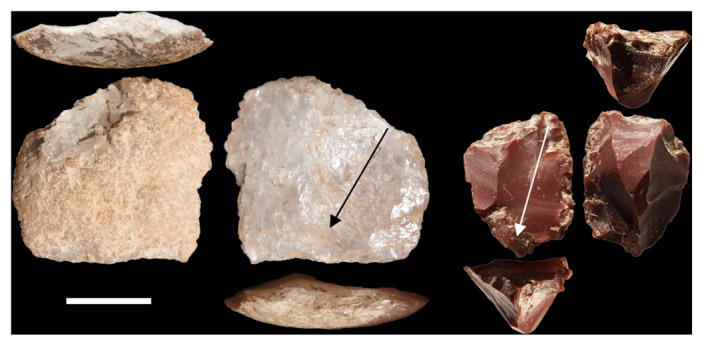 Figure 8
Peer Reviews
No public reviews on file for this paper yet. If you reviewed it on a platform where reviews are public (OpenReview, ICLR, NeurIPS, ICML), you can paste yours below so the community can read it here.
Videos
No videos yet. Explain this paper in a talk, walkthrough, or lecture? Add one.
Taxonomy
TopicsPleistocene-Era Hominins and Archaeology · Primate Behavior and Ecology · Archaeology and ancient environmental studies