Neutrophil extracellular traps prime the ZBP1-cGAS sensor complex, triggering necroptosis and inflammatory injury in acute pancreatitis
Haoyu Zhang, Zheng Wang, Jiongdi Lu, Jie Li, Yuchen Jia, Xiaozhou Xie, Yixuan Ding, Feng Cao, Fei Li

TL;DR
This study shows how neutrophil extracellular traps worsen pancreatic inflammation through a DNA-sensing complex, offering new treatment possibilities for severe acute pancreatitis.
Contribution
The study identifies the mtDNA-ZBP1-cGAS axis as a novel mechanism linking NETs to necroptosis and inflammation in acute pancreatitis.
Findings
NETs correlate with SAP severity and pharmacological inhibition reduces pancreatic injury and acinar cell death.
NETs activate the ZBP1-cGAS complex via mtDNA, triggering necroptosis and inflammation.
Cyclosporine A suppresses mtDNA release and mitigates NETs-induced pancreatic injury.
Abstract
Severe acute pancreatitis (SAP) involves dynamic interactions between immune dysregulation and inflammatory infiltration. Although elevated levels of neutrophil extracellular traps (NETs) are associated with SAP, the downstream mechanisms by which NETs exacerbate the inflammatory injury remain unclear. In this study, we demonstrate that NETs levels positively correlate with SAP severity, and pharmacological inhibition of NETs reduces pancreatic injury, and acinar cell death. Mechanistically, NETs activate the ZBP1-cGAS complex via mitochondrial DNA (mtDNA), triggering downstream necroptosis and inflammatory pathways, thereby driving pancreatic inflammatory injury. Specifically, NETs induce mitochondrial damage in acinar cells, leading to cytosolic accumulation of mtDNA. This recruits ZBP1 to form a complex with cGAS dependent on the RHIM domain, wherein ZBP1 stabilizes Z-form mtDNA and…
Genes, proteins, chemicals, diseases, species, mutations and cell lines named across the full text — each resolved to its canonical identifier and authoritative record.
Click any figure to enlarge with its caption.
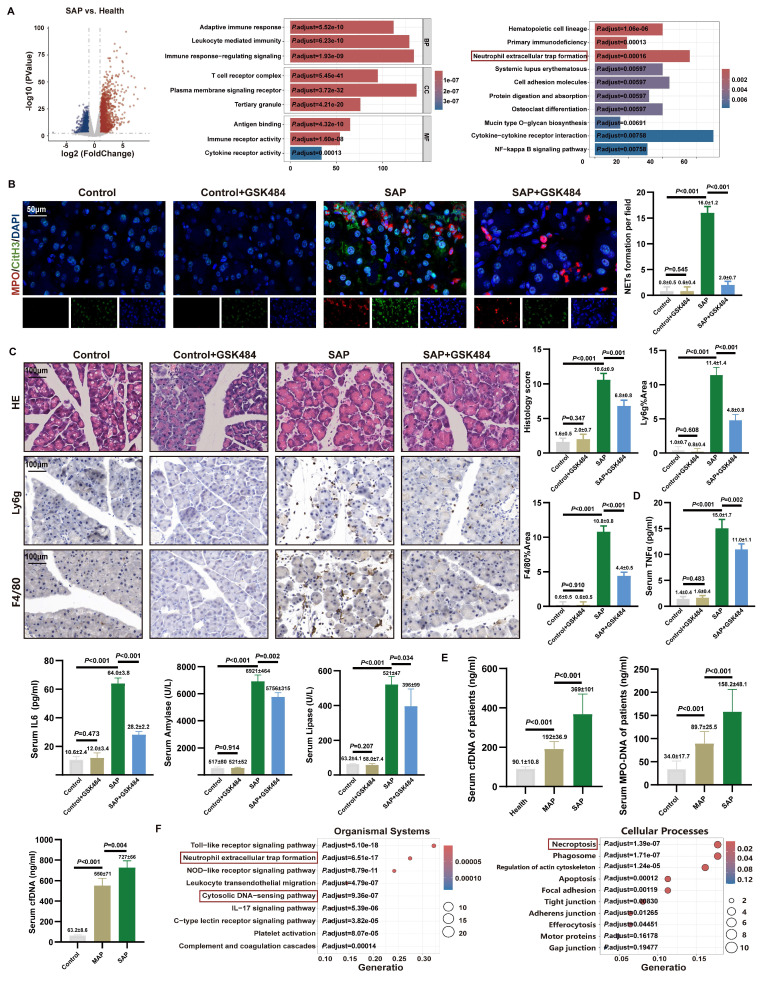 Figure 1
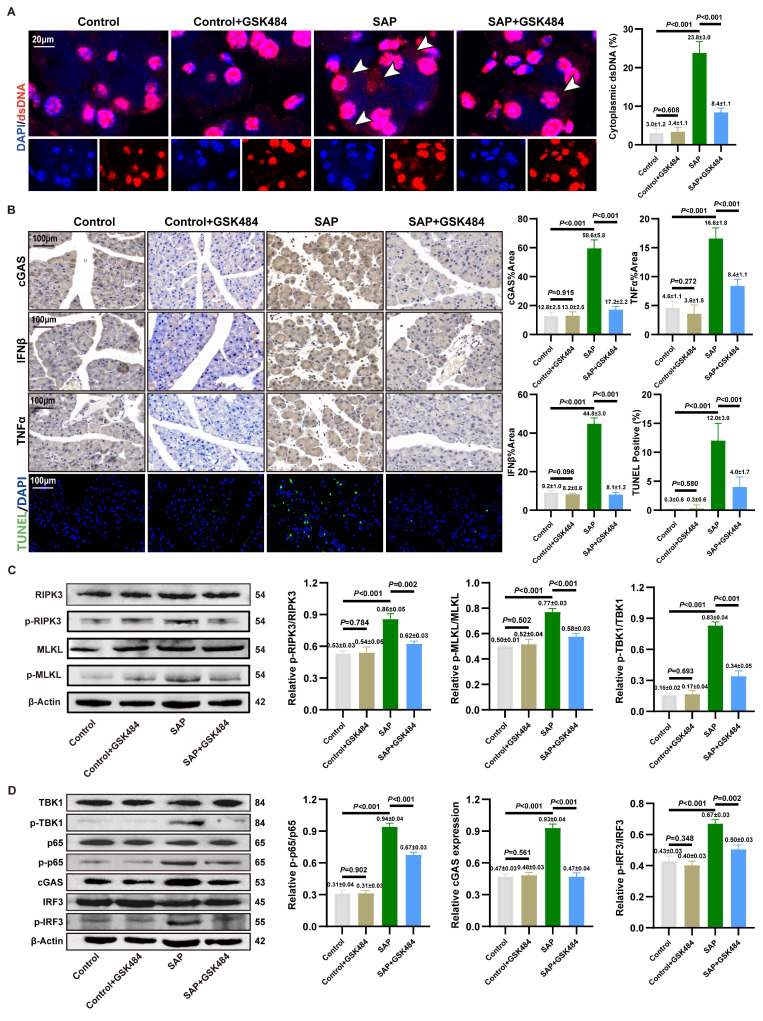 Figure 2
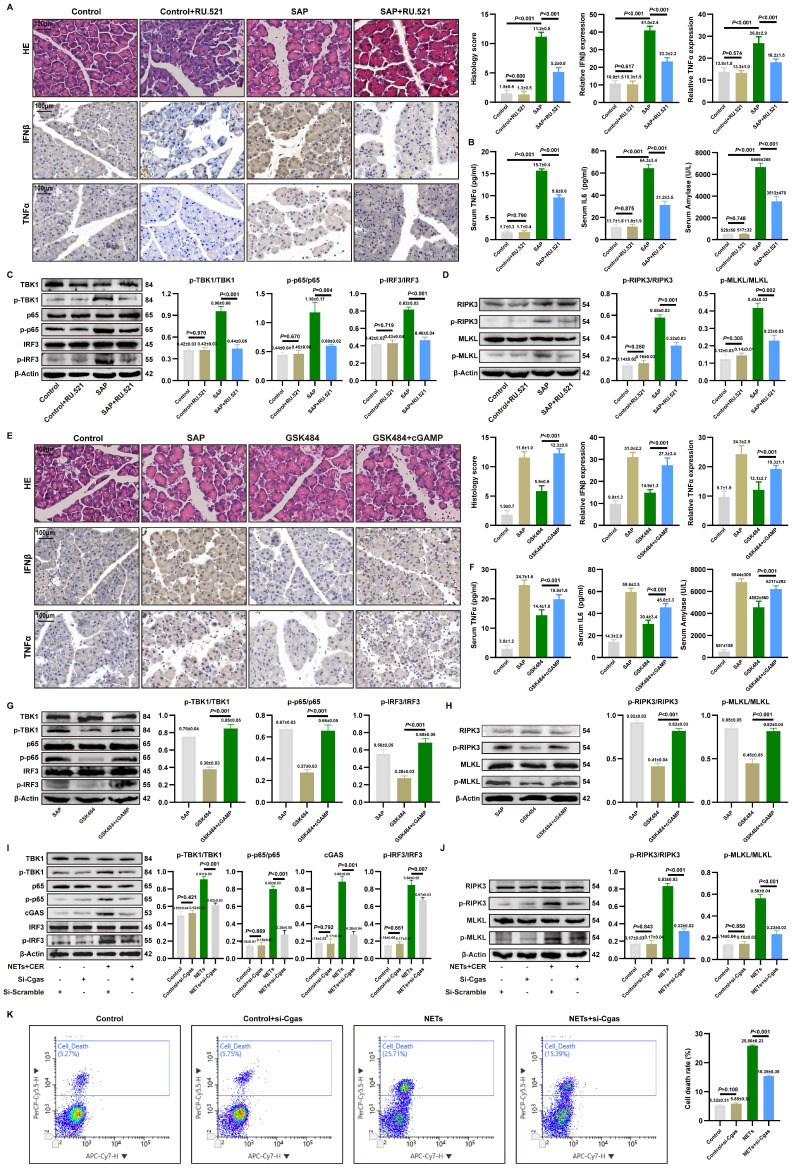 Figure 3
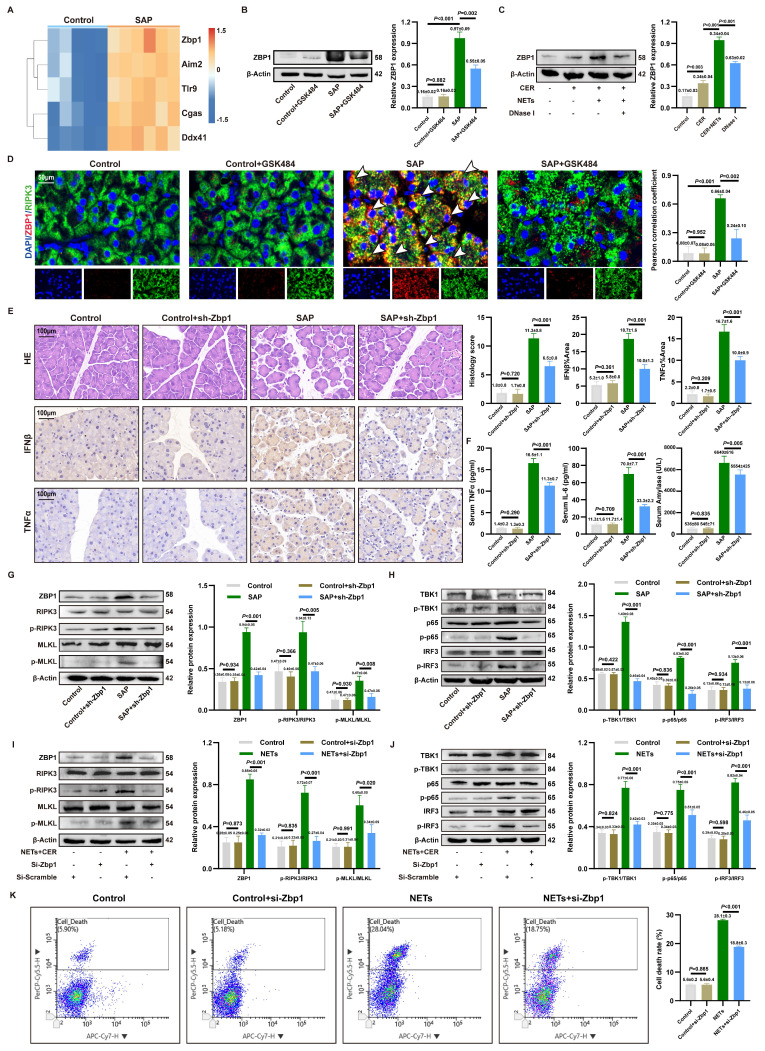 Figure 4
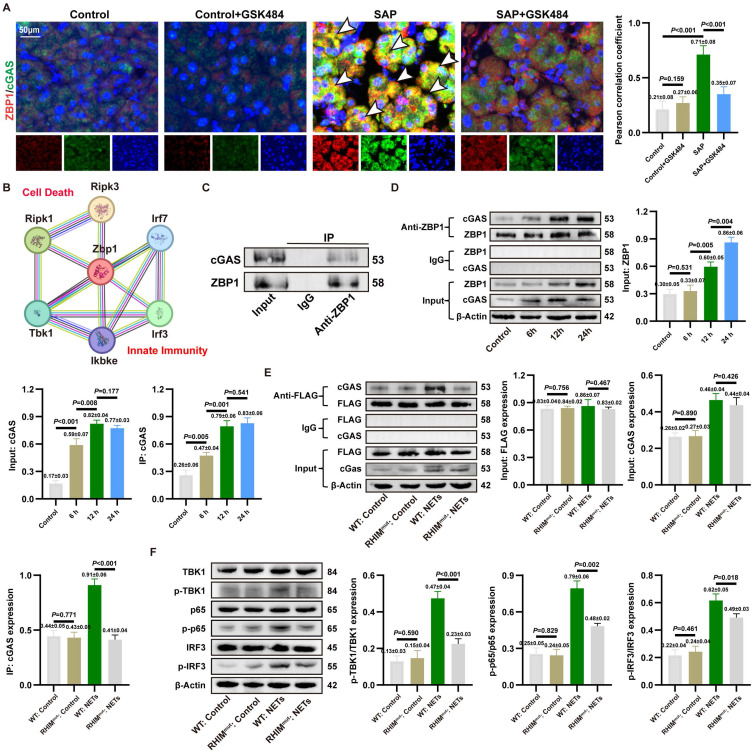 Figure 5
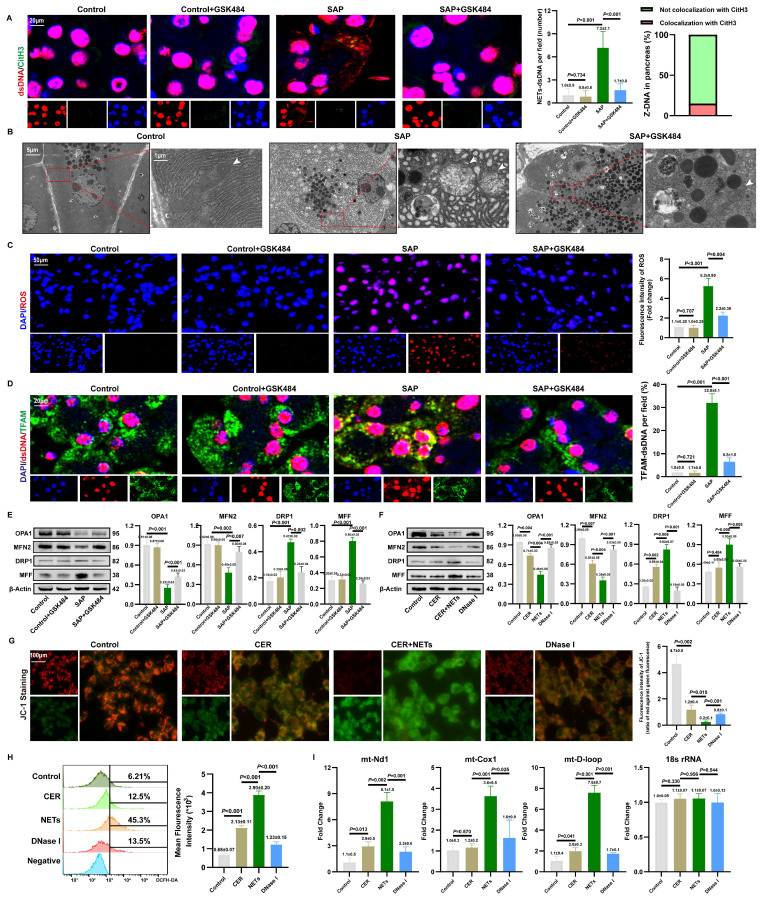 Figure 6
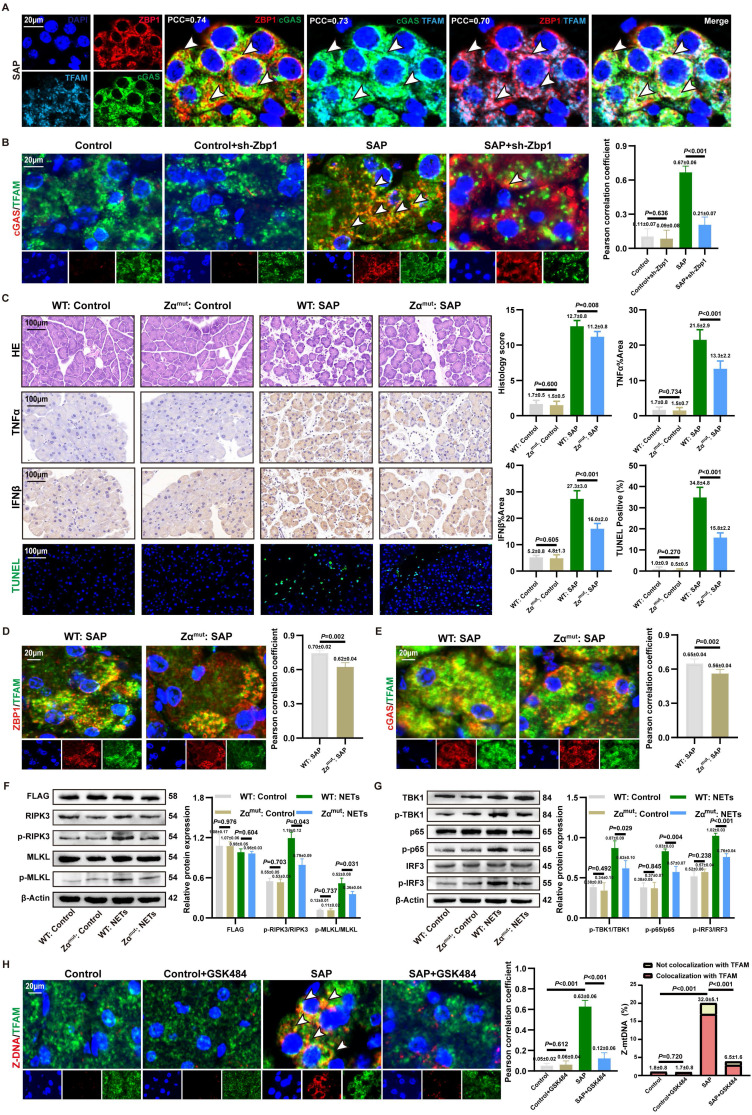 Figure 7
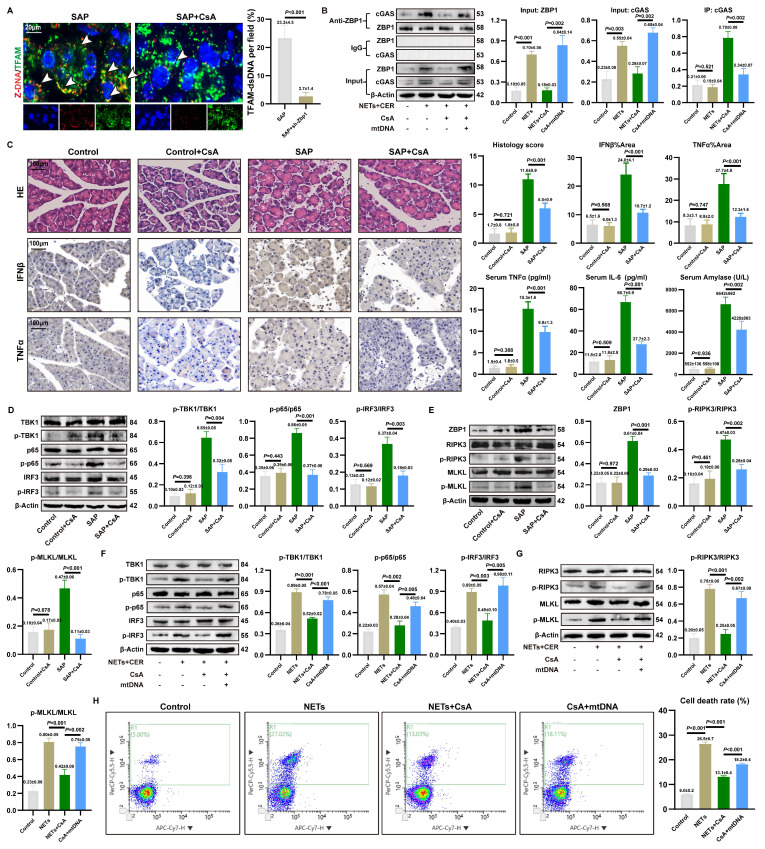 Figure 8
Peer Reviews
No public reviews on file for this paper yet. If you reviewed it on a platform where reviews are public (OpenReview, ICLR, NeurIPS, ICML), you can paste yours below so the community can read it here.
Videos
No videos yet. Explain this paper in a talk, walkthrough, or lecture? Add one.
Taxonomy
TopicsNeutrophil, Myeloperoxidase and Oxidative Mechanisms · Phagocytosis and Immune Regulation · Cell death mechanisms and regulation