Targeting Macrophage-to-Myofibroblast Transition Mitigates Progression from Inflammation to Fibrosis in Rosacea
Chengqian Chen, Peiru Wang, Yajing Cao, Dongbin Sung, Yutong Yang, Jin Yang, Jia Liu, Yu Yan, Zhijie Ruan, Jie Dong, Jia Yan, Qihang Chang, Chunying Li, Xiaojing Liu, Xiuli Wang, Qingyu Zeng

TL;DR
This study shows that macrophages in rosacea can transform into myofibroblasts, causing fibrosis, and identifies a natural compound that may help treat the condition.
Contribution
The study identifies macrophage-to-myofibroblast transition (MMT) as a novel driver of fibrosis in rosacea and proposes Bruceine A as a dual-acting therapeutic candidate.
Findings
Macrophages in rosacea acquire myofibroblast-like features through MMT, contributing to fibrotic remodeling.
Bruceine A suppresses fibrotic remodeling by targeting STAT3 palmitoylation and reducing MMT.
Macrophage depletion alleviates fibrotic remodeling in LL37-induced mouse models.
Abstract
Rosacea is a globally prevalent chronic inflammatory skin disorder that markedly impairs quality of life, yet treatment options are limited. A characteristic feature of rosacea is macrophage infiltration, whose role in disease pathogenesis remains incompletely understood beyond inflammation; here, we identify their contribution to fibrotic remodeling through macrophage-to-myofibroblast transition (MMT). Serum proteomics revealed that TGF-β1 was prominently elevated in rosacea patients. Moreover, single-cell RNA sequencing (scRNA-seq), spatial transcriptomics (ST), and histological staining of skin biopsies demonstrated that fibrotic remodeling was already evident at inflammation-dominant stages, with macrophages progressively acquiring myofibroblast-like features through MMT. These observations were recapitulated in LL37-induced mouse models by scRNA-seq and ST, further validated by…
Genes, proteins, chemicals, diseases, species, mutations and cell lines named across the full text — each resolved to its canonical identifier and authoritative record.
Click any figure to enlarge with its caption.
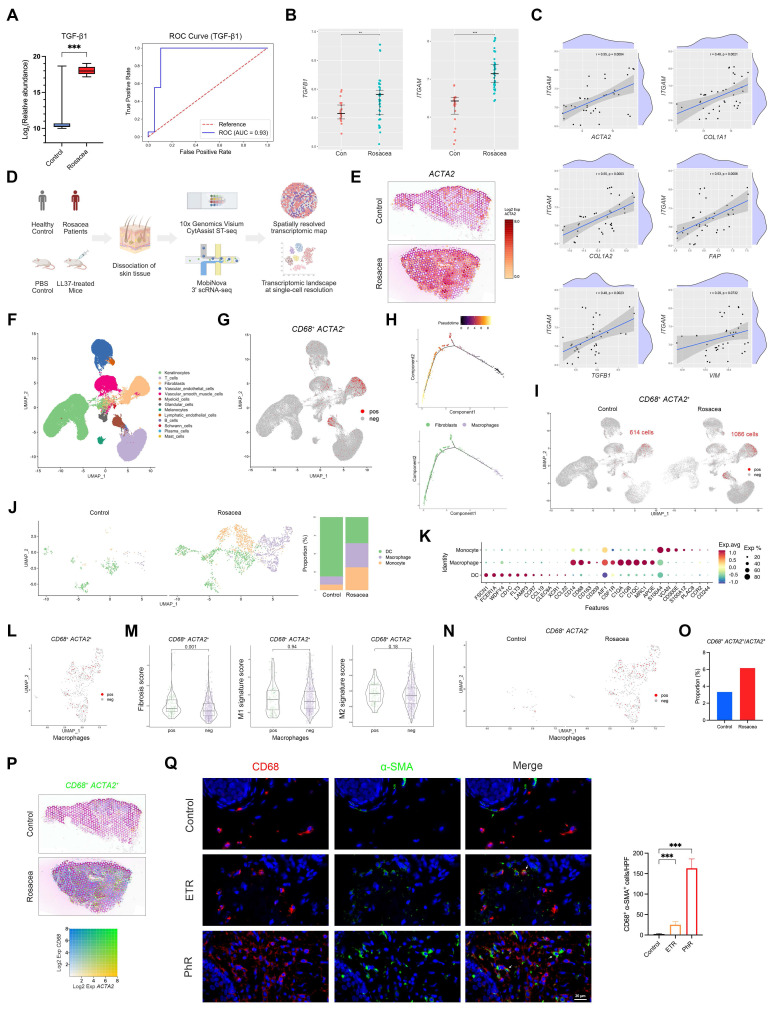 Figure 1
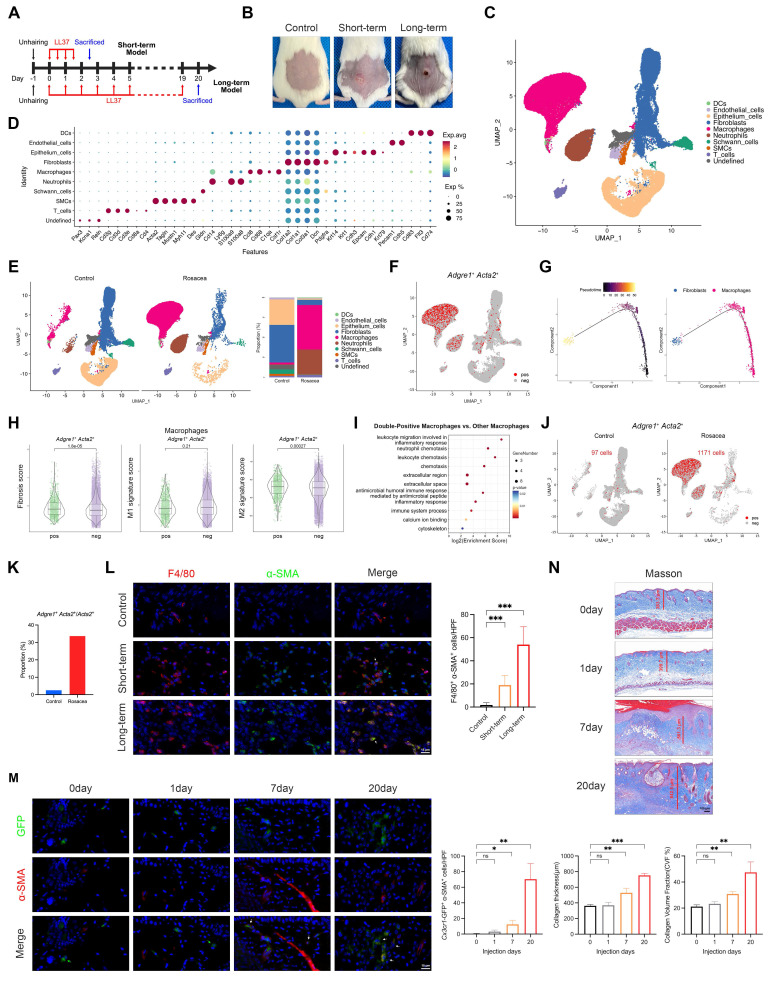 Figure 2
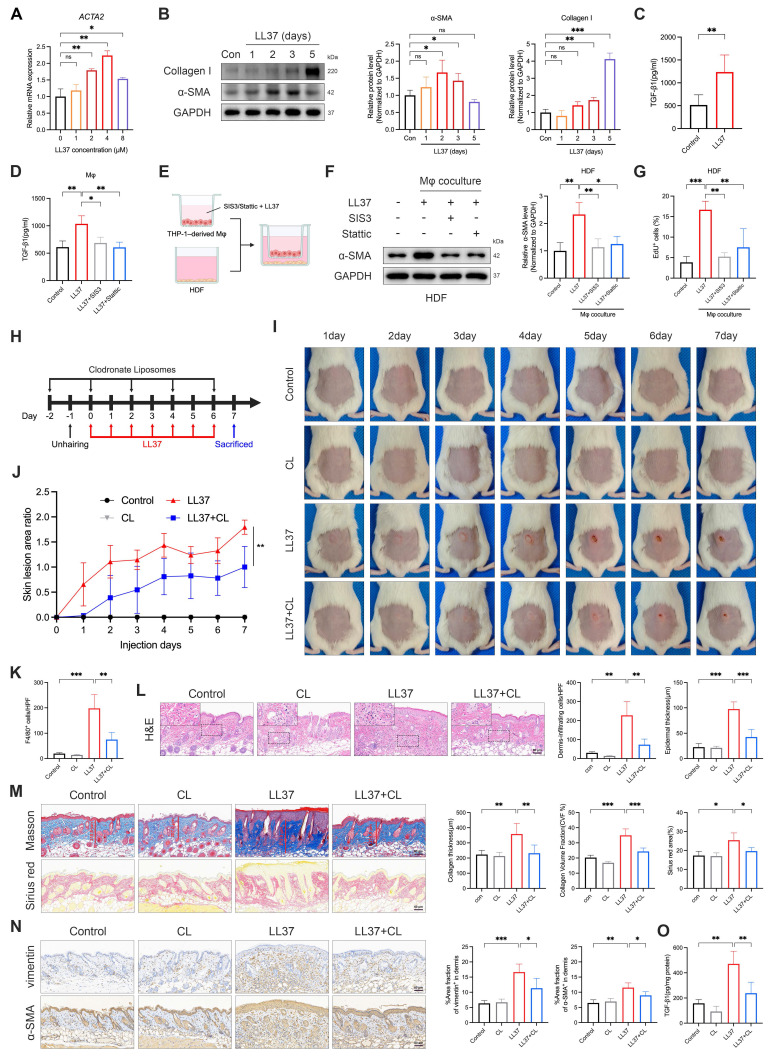 Figure 3
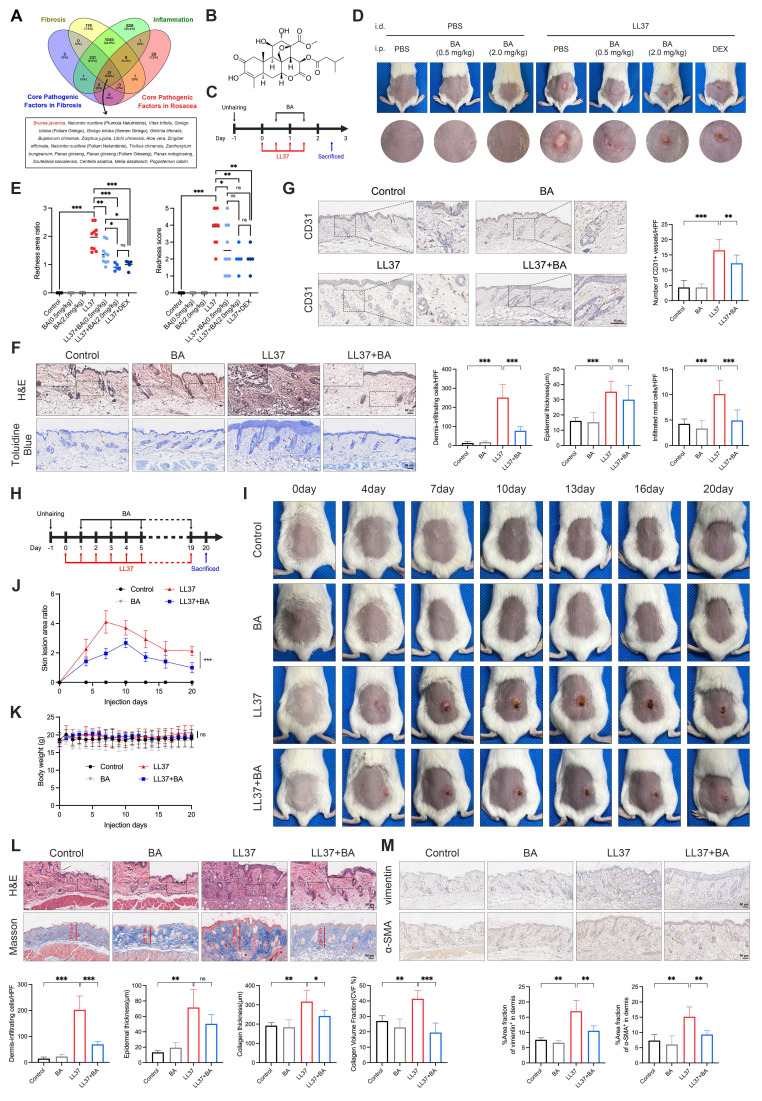 Figure 4
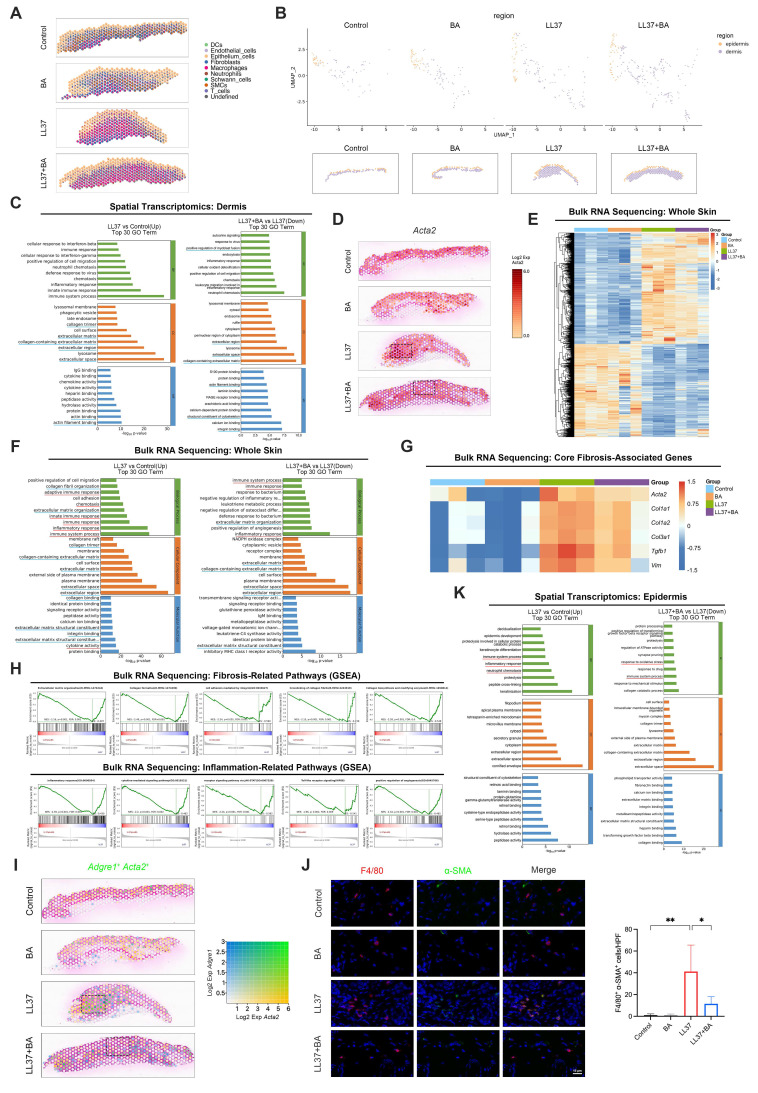 Figure 5
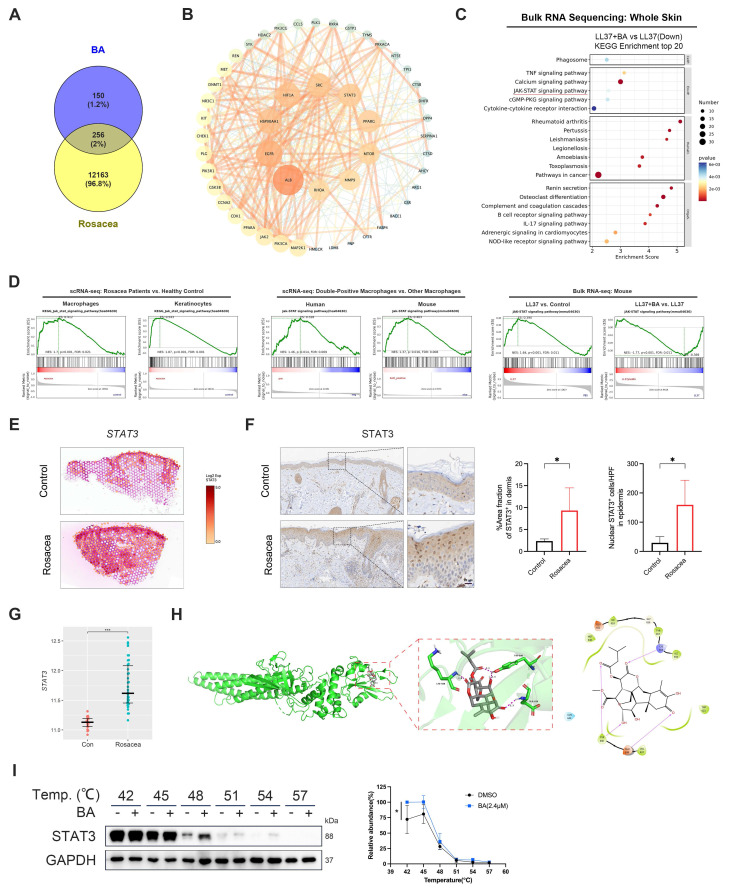 Figure 6
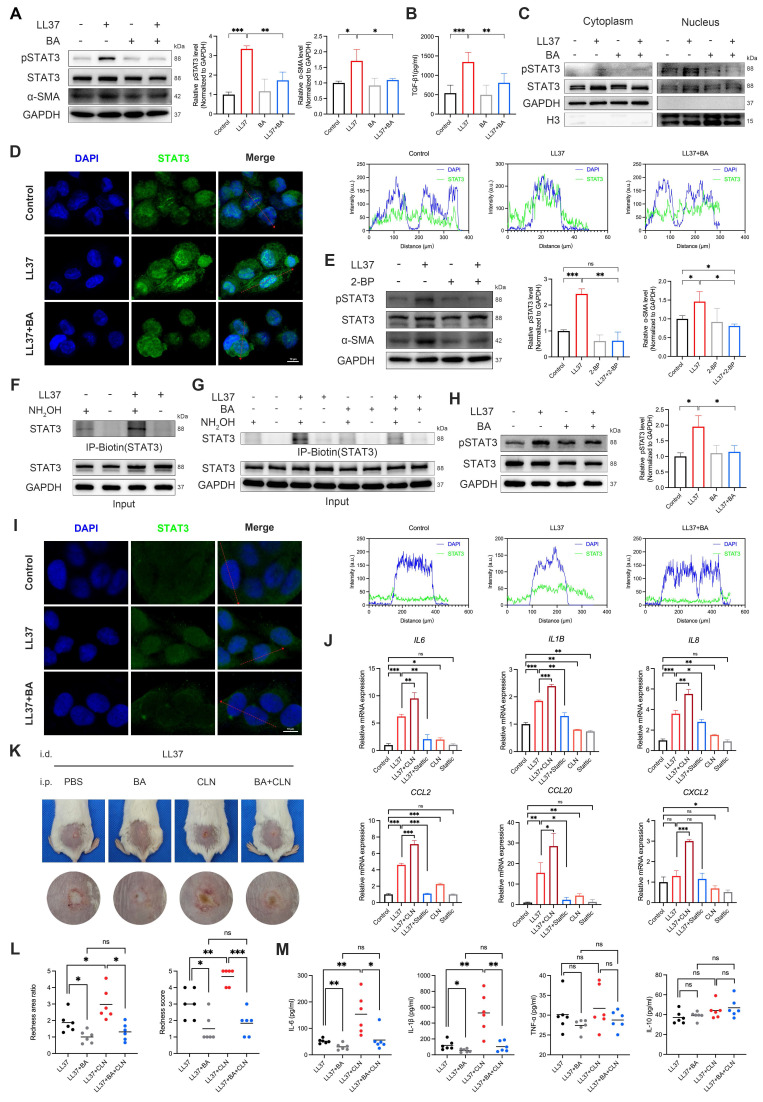 Figure 7
Peer Reviews
No public reviews on file for this paper yet. If you reviewed it on a platform where reviews are public (OpenReview, ICLR, NeurIPS, ICML), you can paste yours below so the community can read it here.
Videos
No videos yet. Explain this paper in a talk, walkthrough, or lecture? Add one.
Taxonomy
TopicsAcne and Rosacea Treatments and Effects · Pharmacological Effects of Natural Compounds · Endoplasmic Reticulum Stress and Disease