Advanced Characterization and Rejuvenation of End‐Of‐Life Lithium‐Ion Anodes: Toward the Development of a Green Upcycling Route
Luke Sweeney, Alexander T. Sargent, Yuhang Dai, Shangwei Zhou, Jianuo Chen, Francesco Iacoviello, Rhodri Jervis, Phoebe K. Allan, Peter R. Slater, Charles Monroe, Paul A. Anderson, Paul R. Shearing, Wenjia Du

TL;DR
This study shows a green method to rejuvenate old EV battery anodes using water and ascorbic acid, avoiding complex recycling processes and improving battery performance.
Contribution
A sustainable, solvent-based regeneration method for end-of-life lithium-ion anodes is proposed and validated.
Findings
DI water effectively removes surface impurities and enhances anode regeneration performance.
Rejuvenated anodes showed stable discharge capacities of ∼2.65 mAh/cm2 over 20 cycles, outperforming unused and end-of-life anodes.
X-ray imaging and simulations provided insights into microstructural changes and rejuvenation effectiveness.
Abstract
The limited duty cycles of EV batteries necessitate robust end‐of‐life strategies to prevent landfilling and enable responsible resource management. Recycling remains the ultimate fate for battery waste, yet current hydrometallurgical practices rely on often lengthy and energy‐intensive methods, which provide a major incentive for the development of cost‐effective, shorter‐loop regeneration routes to recycle end‐of‐life electrodes. This proof‐of‐concept study investigates the efficacy of deionized (DI) water and ascorbic acid (AA) in recovering entire spent anode systems from retired EV batteries without delamination and re‐manufacture. Multi‐modal characterization techniques were used to evaluate electrochemical, physicochemical, and morphological changes before and after treatment. High‐resolution X‐ray tomography and image‐based simulations were used to quantify the microstructural…
Genes, proteins, chemicals, diseases, species, mutations and cell lines named across the full text — each resolved to its canonical identifier and authoritative record.
Click any figure to enlarge with its caption.
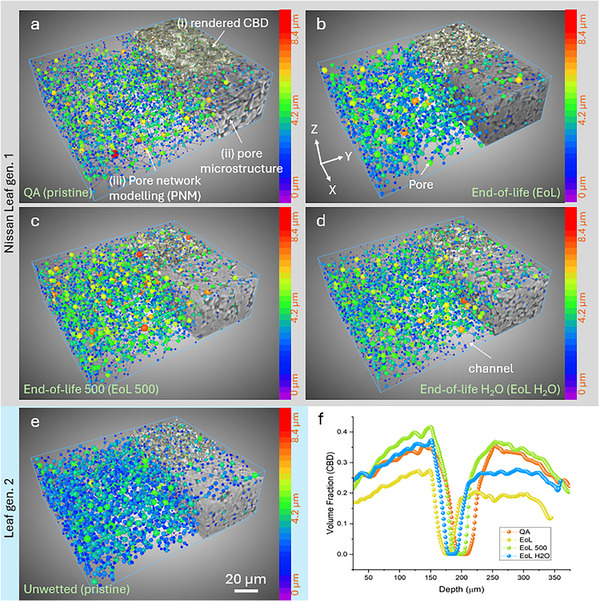 Figure 1
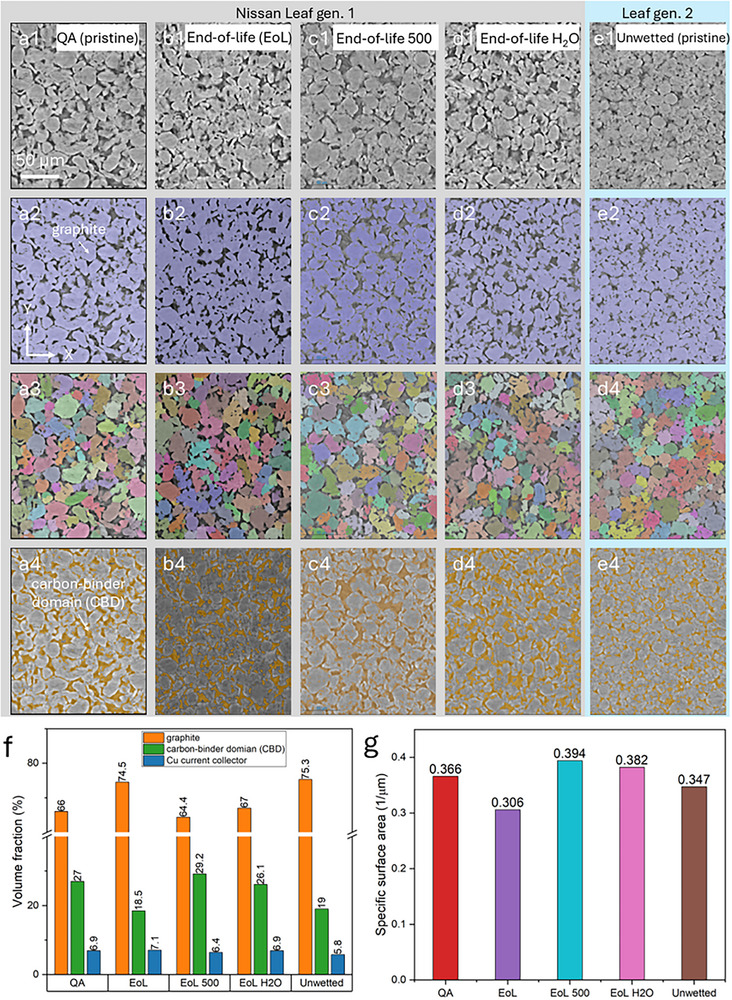 Figure 2
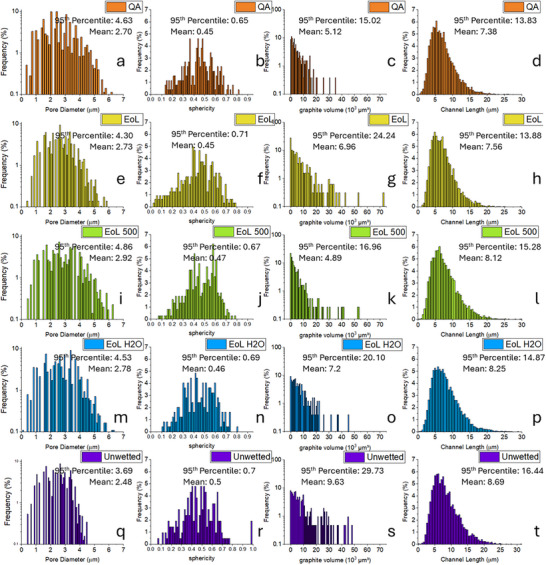 Figure 3
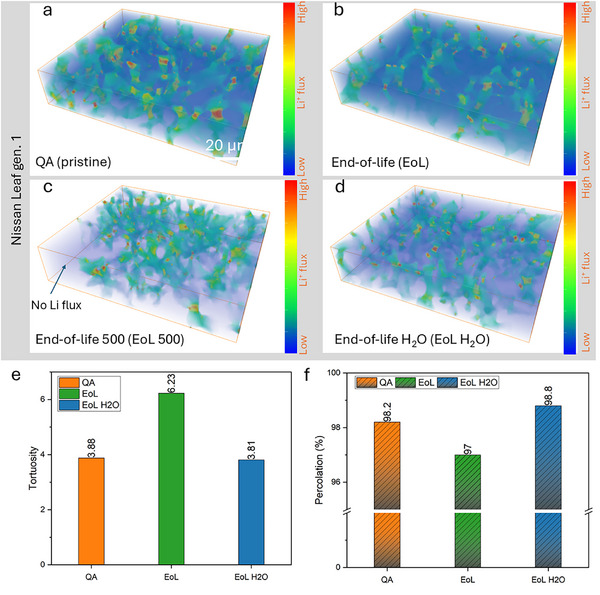 Figure 4
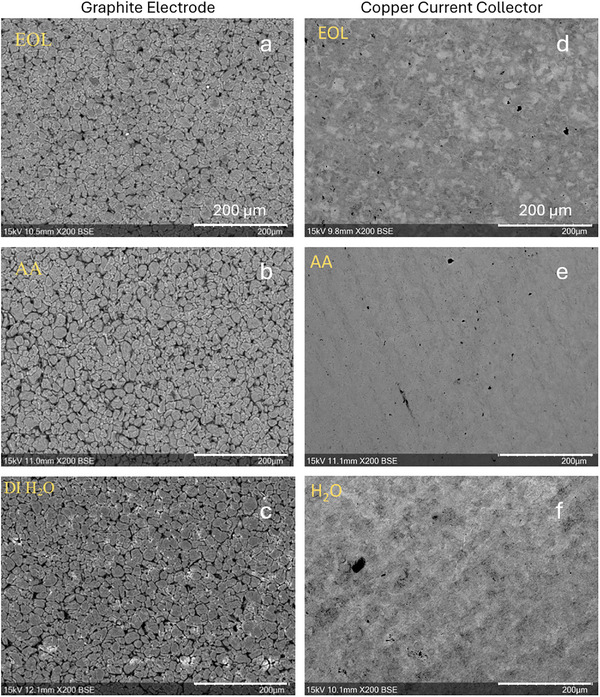 Figure 5
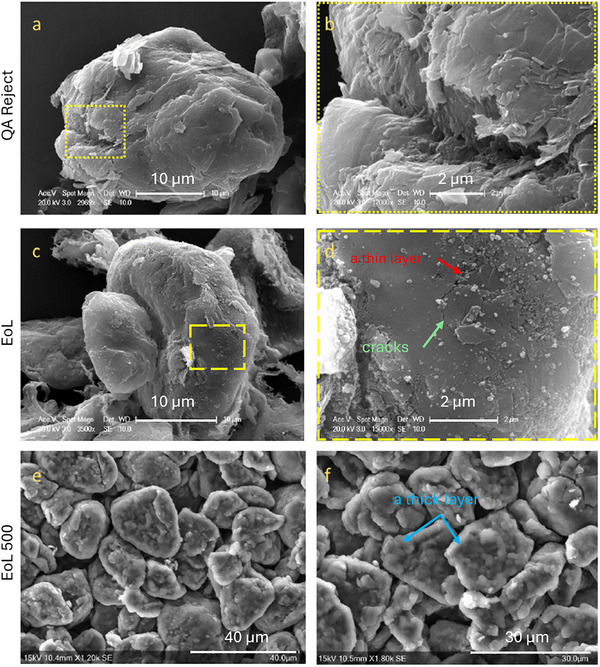 Figure 6
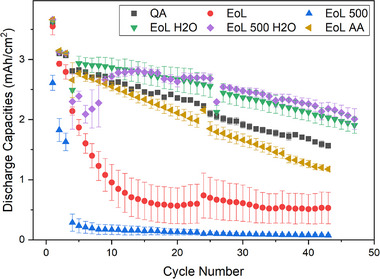 Figure 7
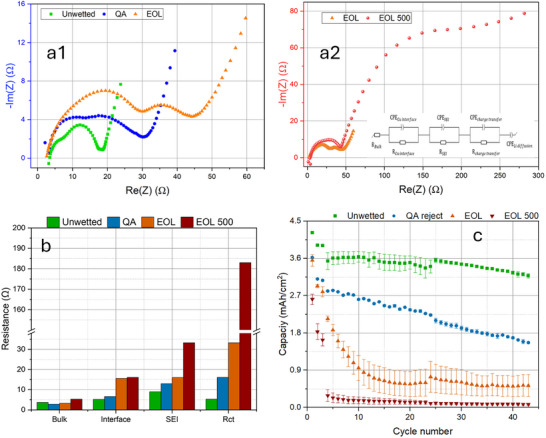 Figure 8
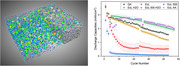 Figure 9
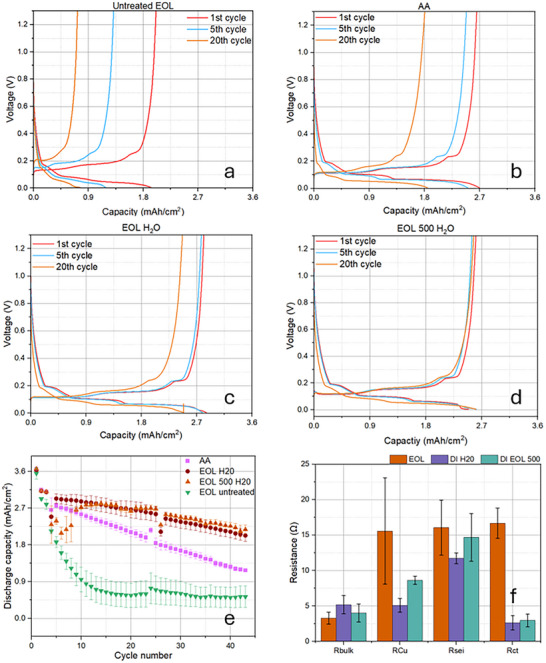 Figure 10
Peer Reviews
No public reviews on file for this paper yet. If you reviewed it on a platform where reviews are public (OpenReview, ICLR, NeurIPS, ICML), you can paste yours below so the community can read it here.
Videos
No videos yet. Explain this paper in a talk, walkthrough, or lecture? Add one.
Taxonomy
TopicsExtraction and Separation Processes · Advancements in Battery Materials · Advanced Battery Technologies Research