Metabolic Adaptation of CD8⁺ T Cells Limits the Efficacy of Fatty Acid Oxidation Inhibition in Type 1 Diabetes
Manuel Salzmann, Laura Boccuni, Patrizia Gibler, Mira Brekalo, Tamara S. Trimmel, Elena T. Pichler, Patrick Haider, Julia L. Blesch, Christian Hengstenberg, Michael B. Fischer, Bruno K. Podesser, Remi J. Creusot, Julia B. Kral-Pointner, Philipp J. Hohensinner

TL;DR
This study shows that the drug trimetazidine temporarily improves outcomes in a mouse model of type 1 diabetes by inhibiting fatty acid oxidation in immune cells, but metabolic adaptation limits its long-term effectiveness.
Contribution
The study reveals a novel evasion mechanism involving CPT1A upregulation in CD8⁺ T cells in response to fatty acid oxidation inhibition.
Findings
Trimetazidine delayed T1D progression and reduced islet infiltration in NOD mice.
Prolonged TMZ treatment induced compensatory CPT1A upregulation in CD8⁺ T cells.
Single-cell RNA sequencing showed improved pancreatic health and reduced stress-responsive cells.
Abstract
Type 1 Diabetes Mellitus (T1D) is an organ-specific autoimmune disease characterized by persistent hyperglycemia due to immune-mediated destruction of pancreatic islet β-cells. Targeting immune cell metabolism has emerged as a promising therapeutic strategy. We investigated whether the fatty acid oxidation (FAO) inhibitor trimetazidine (TMZ), one of only three approved drugs directly targeting cellular metabolism, can restrain autoreactive immunity and delay T1D in non-obese diabetic mice (NOD). TMZ enhanced mitochondrial membrane potential, suppressed FAO, and curtailed activation and proliferation of human CD8+ T cells. In dysglycemic NOD mice, a clinically approved dose of TMZ delayed progression to T1D, reduced mean glycemia, and decreased islet CD4⁺/CD8⁺ infiltration. Single-cell RNA sequencing revealed depletion of FAO-high, stress-responsive cells and mitochondrially active…
Genes, proteins, chemicals, diseases, species, mutations and cell lines named across the full text — each resolved to its canonical identifier and authoritative record.
Click any figure to enlarge with its caption.
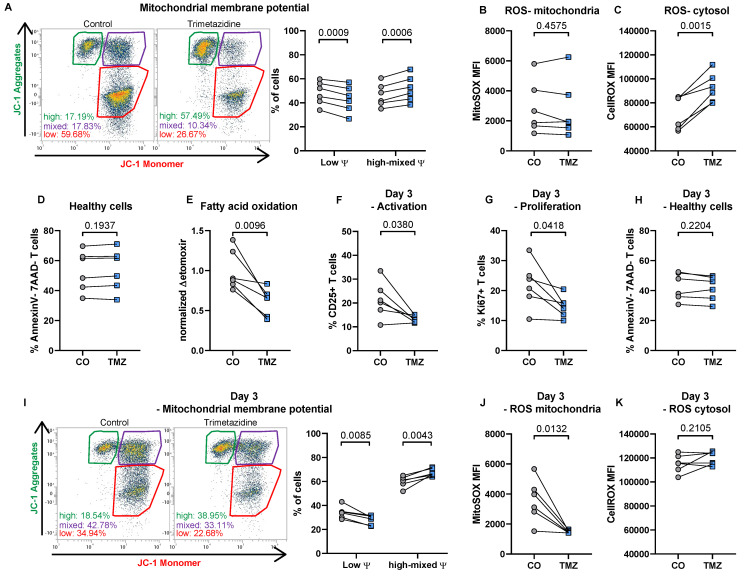 Figure 1
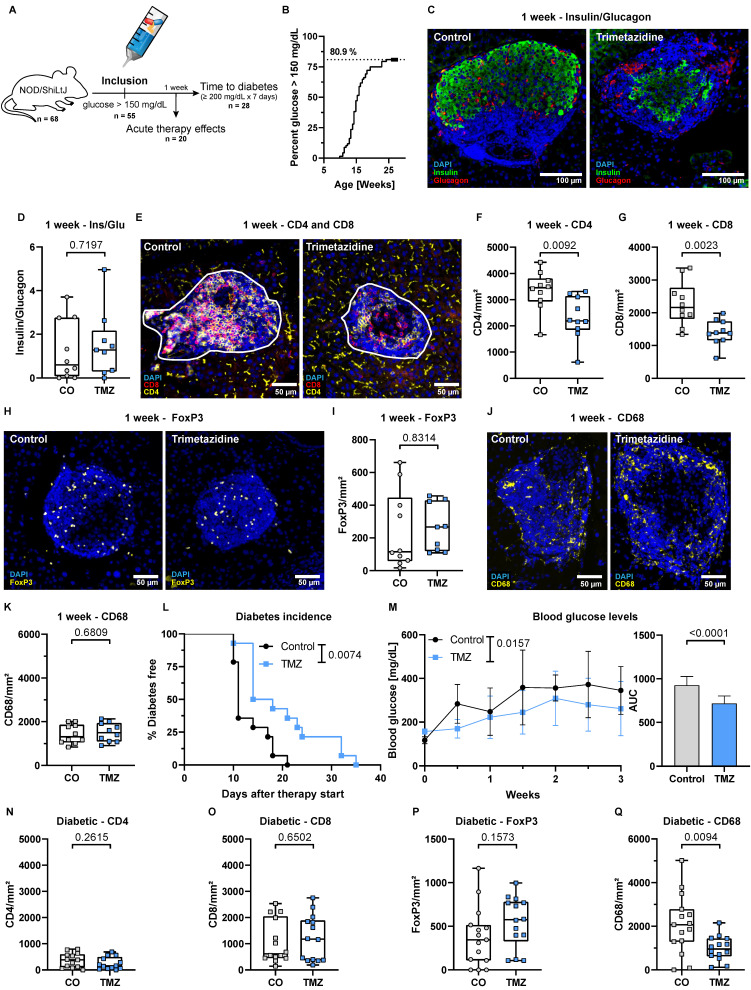 Figure 2
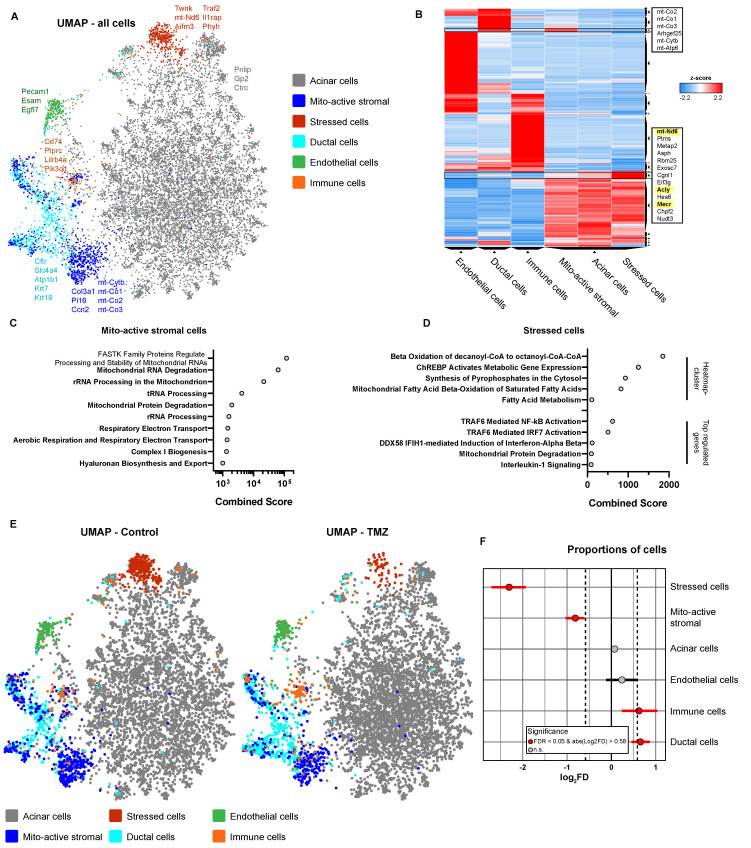 Figure 3
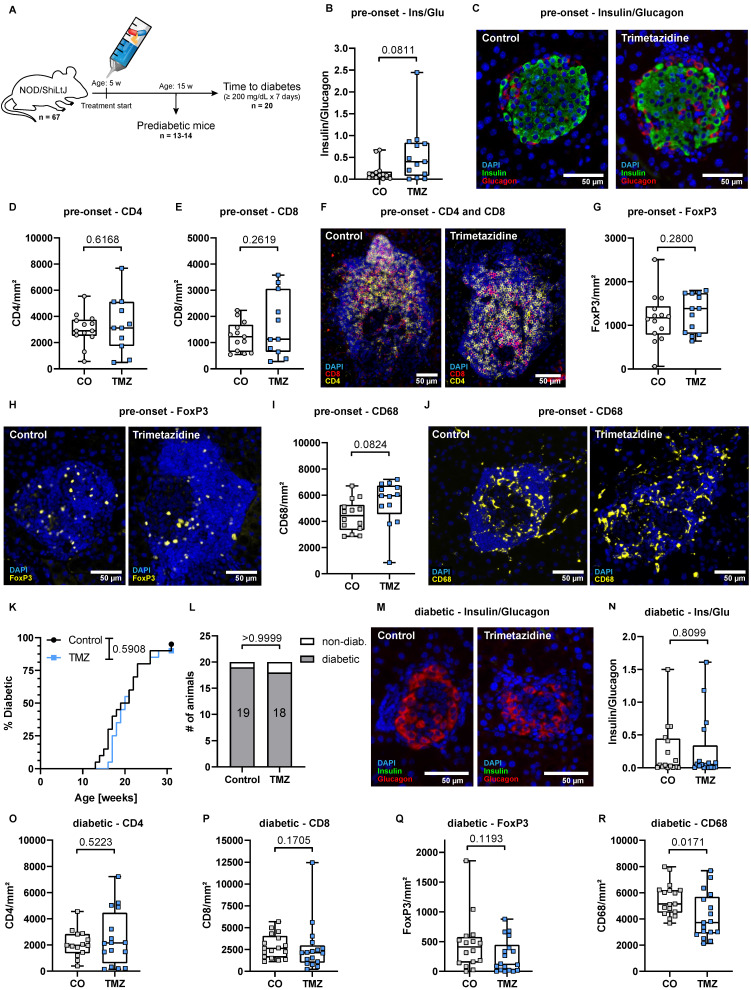 Figure 4
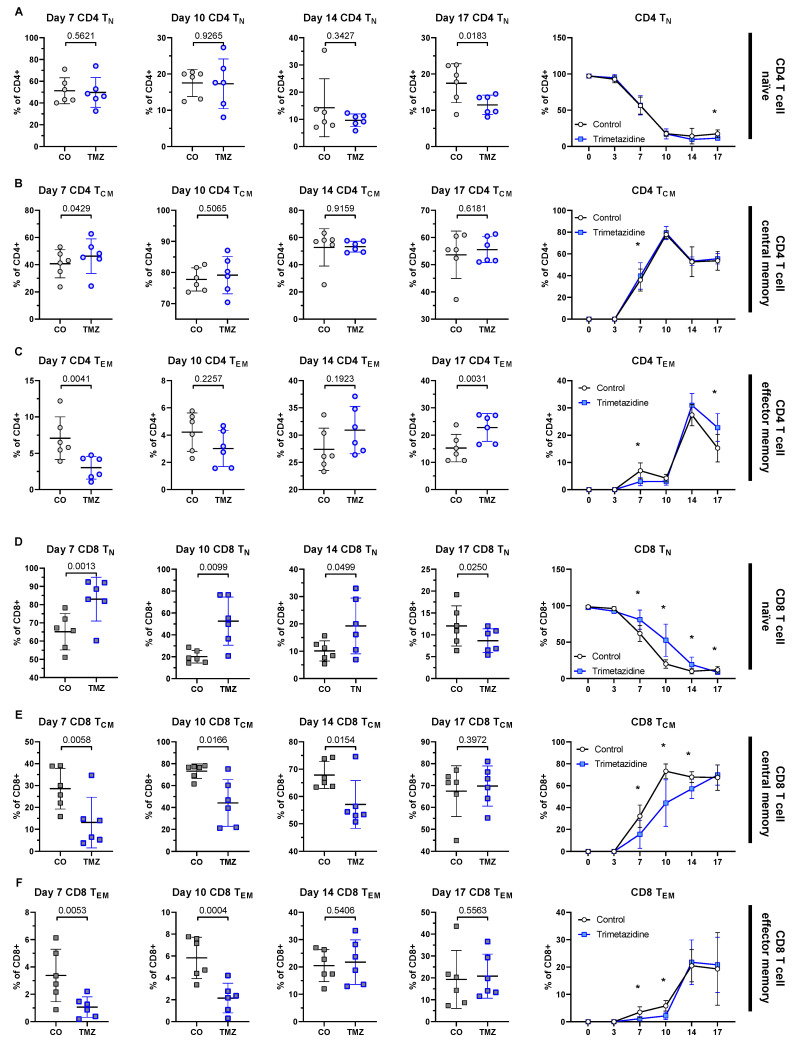 Figure 5
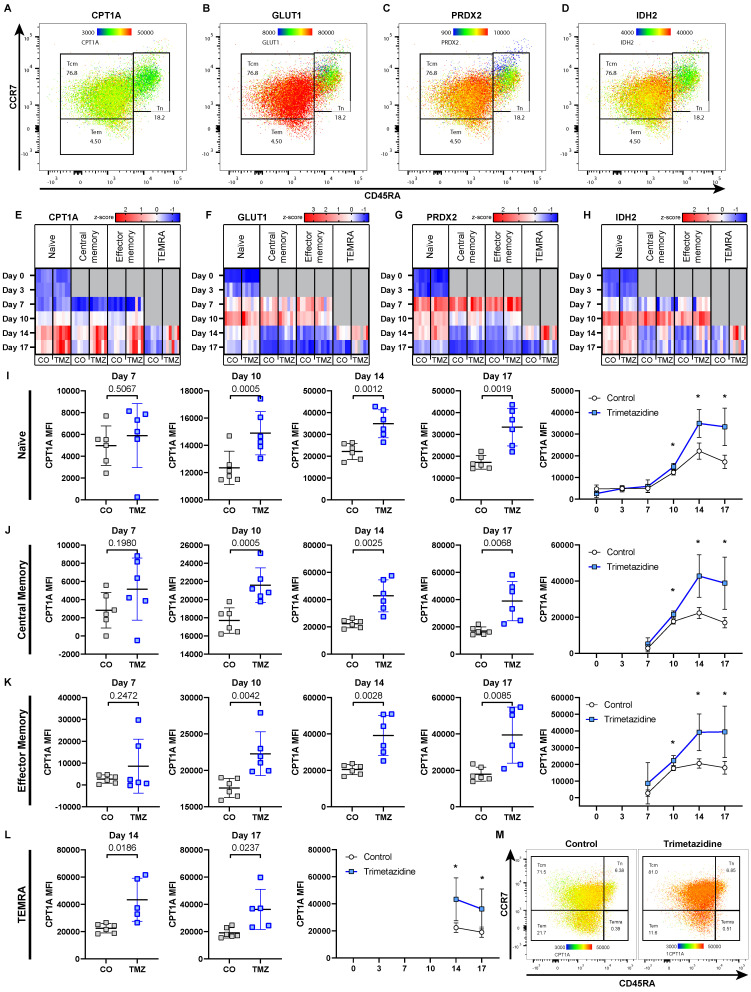 Figure 6
Peer Reviews
No public reviews on file for this paper yet. If you reviewed it on a platform where reviews are public (OpenReview, ICLR, NeurIPS, ICML), you can paste yours below so the community can read it here.
Videos
No videos yet. Explain this paper in a talk, walkthrough, or lecture? Add one.
Taxonomy
TopicsDiabetes and associated disorders · Pancreatic function and diabetes · Adipokines, Inflammation, and Metabolic Diseases