Triptonide-mediated PTGS2 Inhibition Induces Autophagic Cell Death to Suppress the Progression of Triple-negative Breast Cancer and Epithelial Ovarian Cancer
Kunxiang Gong, Kai Song, Haotian Wang, Linye Li, Xiaomin Sun, Lingling Sun, Wenbo Hao, Zhe-Sheng Chen, Yinger Huang

TL;DR
Triptonide, a natural compound, inhibits the growth of triple-negative breast and ovarian cancers by targeting PTGS2 and inducing cell death.
Contribution
Triptonide is identified as a novel antitumor agent that induces autophagic cell death via PTGS2 inhibition.
Findings
Triptonide represses tumor cell proliferation in multiple models of TNBC and EOC.
Triptonide binds to PTGS2 and promotes its degradation via NEDD4-mediated ubiquitination.
PTGS2 downregulation by triptonide inhibits JAK/STAT3/c-Myc signaling and induces autophagic cell death.
Abstract
Triple-negative breast cancer (TNBC) and epithelial ovarian cancer (EOC) pose notable threats to the health of women. Given the poor prognosis associated with TNBC and EOC, new therapeutic agents must be explored urgently. Here, we identified triptonide (TN), a natural compound derived from the traditional Chinese herb Tripterygium wilfordii, as a potent antitumor agent. A series of functional assays showed that TN represses proliferation in TNBC and EOC cell lines, cell-derived xenograft, and patient-derived organoid models. Through molecular docking, molecular dynamics simulation, surface plasmon resonance, cell thermal shift assay, and drug affinity reaction target stability assays, we pinpointed PTGS2 as a direct target of TN. Mechanistically, TN binds to His-207 in PTGS2 and induces proteasome degradation of PTGS2 through recruiting E3 ubiquitin-protein ligase NEDD4. TN-induced…
Genes, proteins, chemicals, diseases, species, mutations and cell lines named across the full text — each resolved to its canonical identifier and authoritative record.
Click any figure to enlarge with its caption.
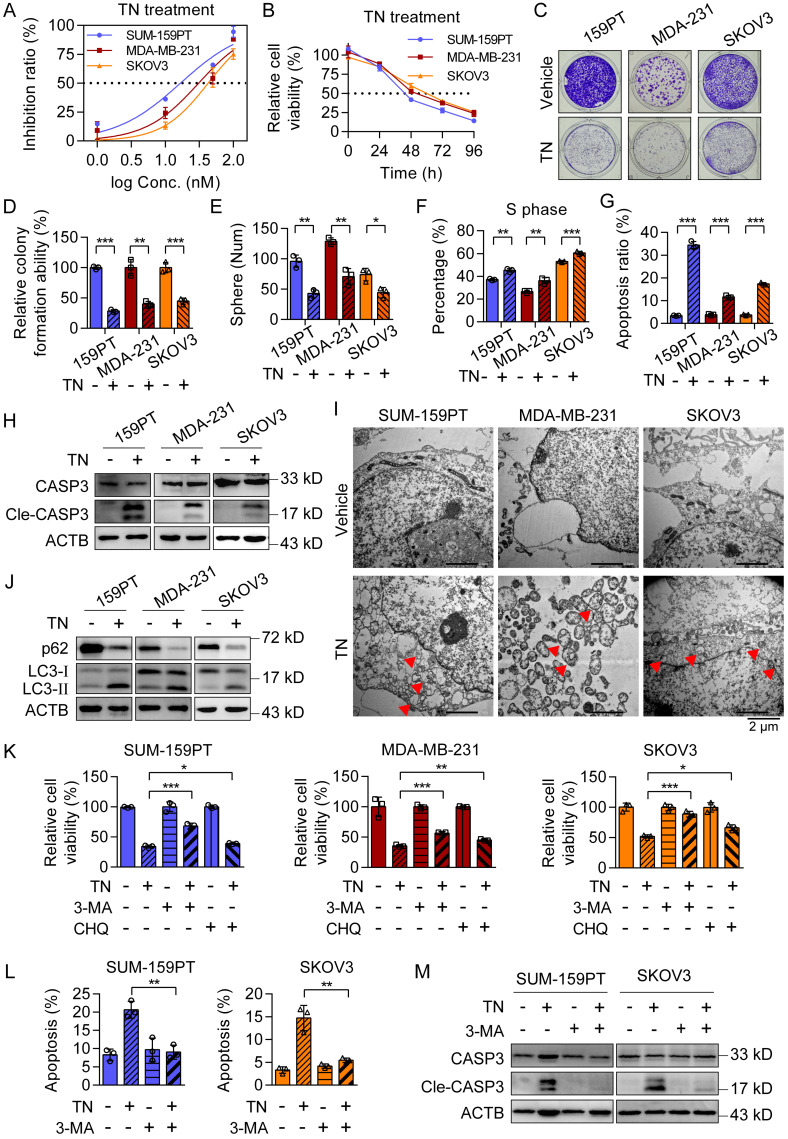 Figure 1
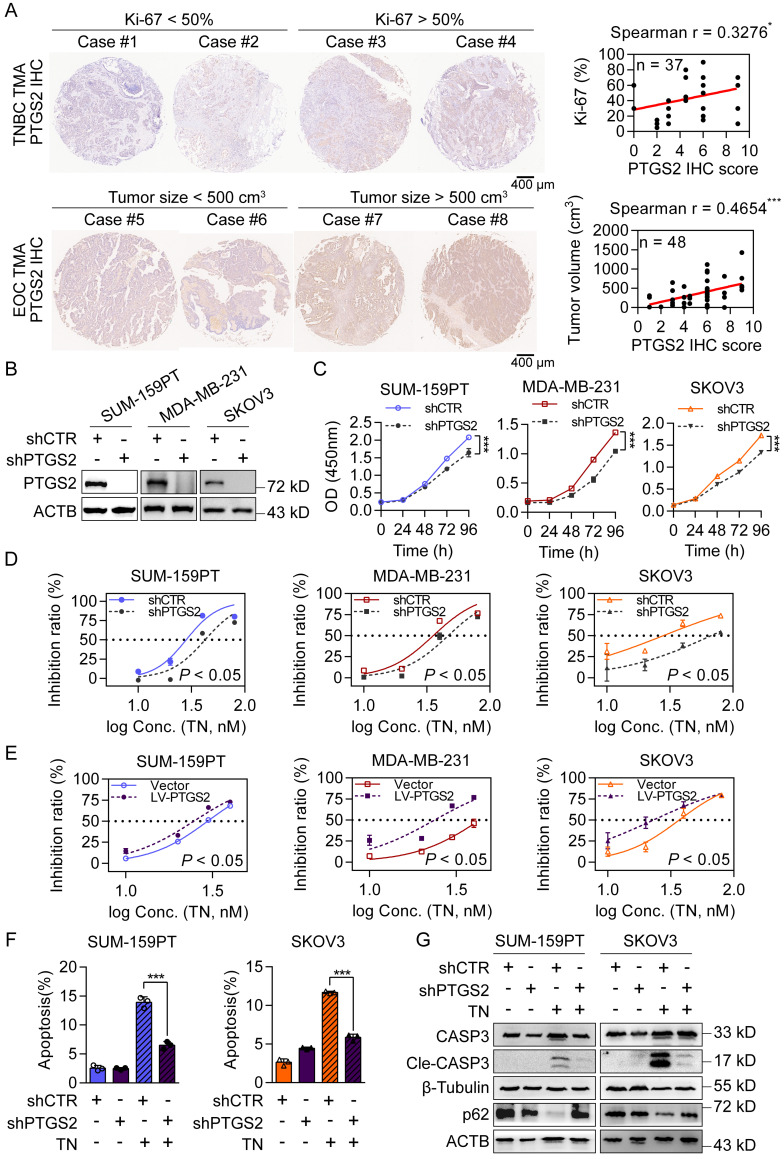 Figure 2
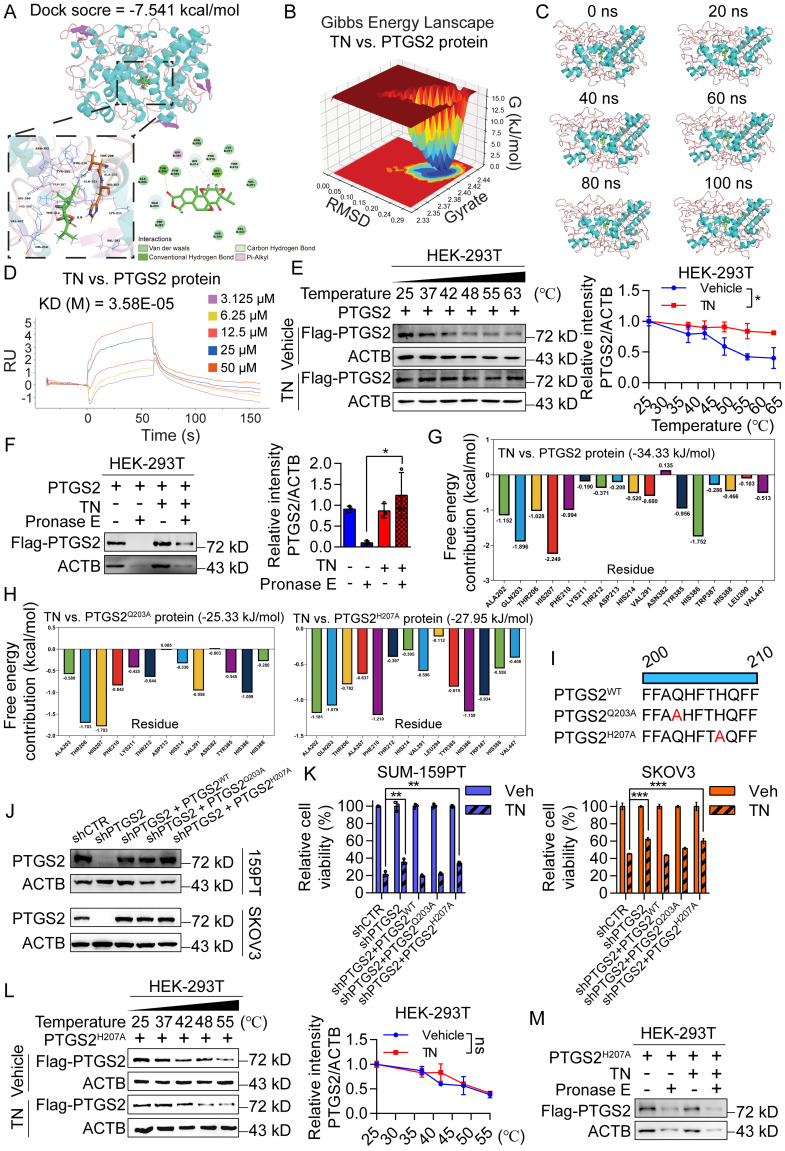 Figure 3
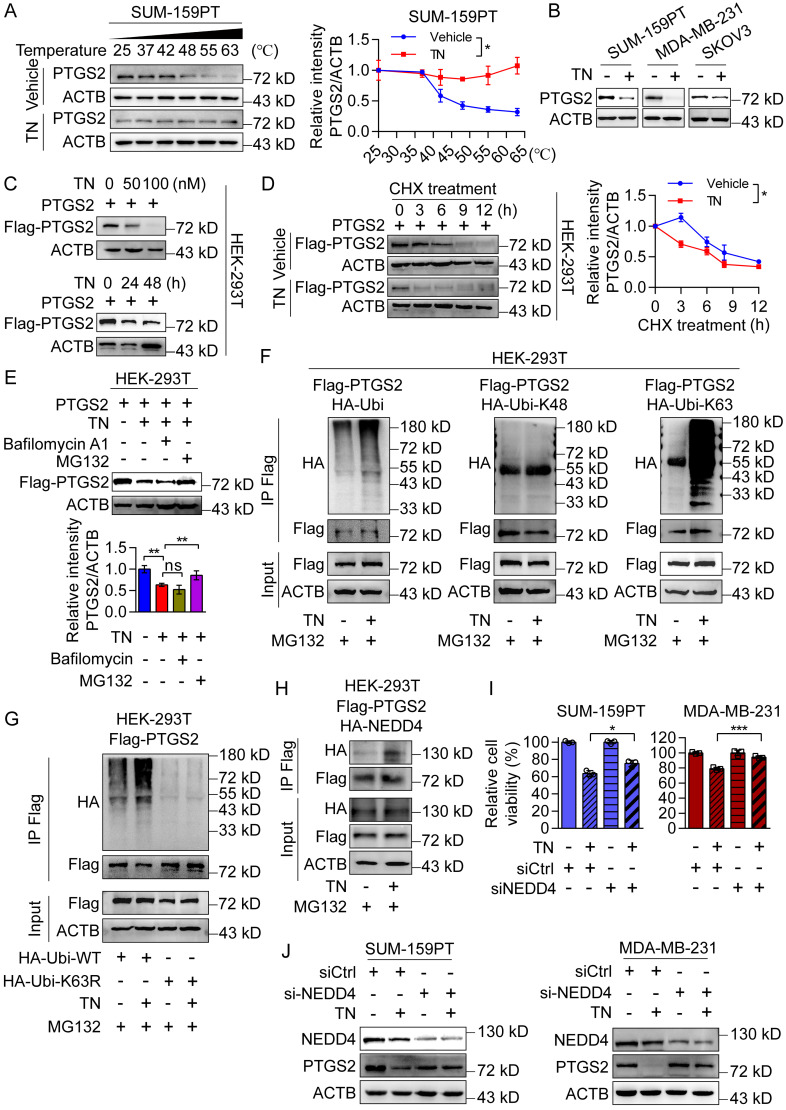 Figure 4
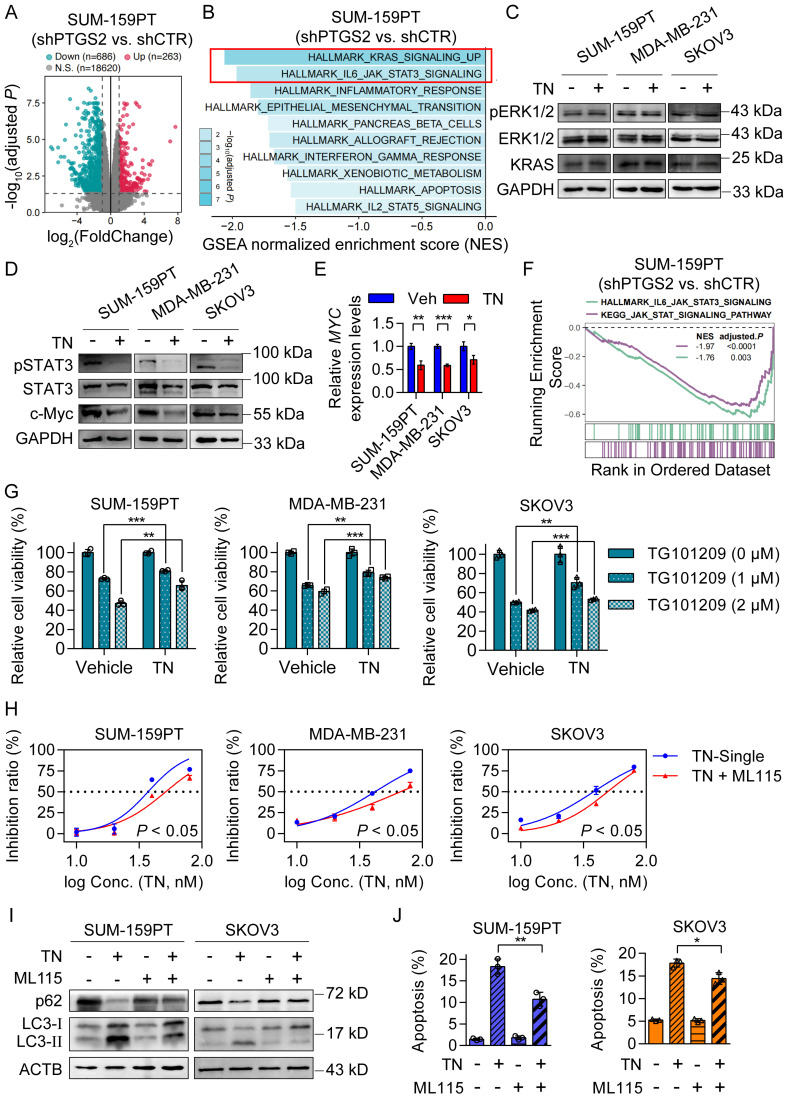 Figure 5
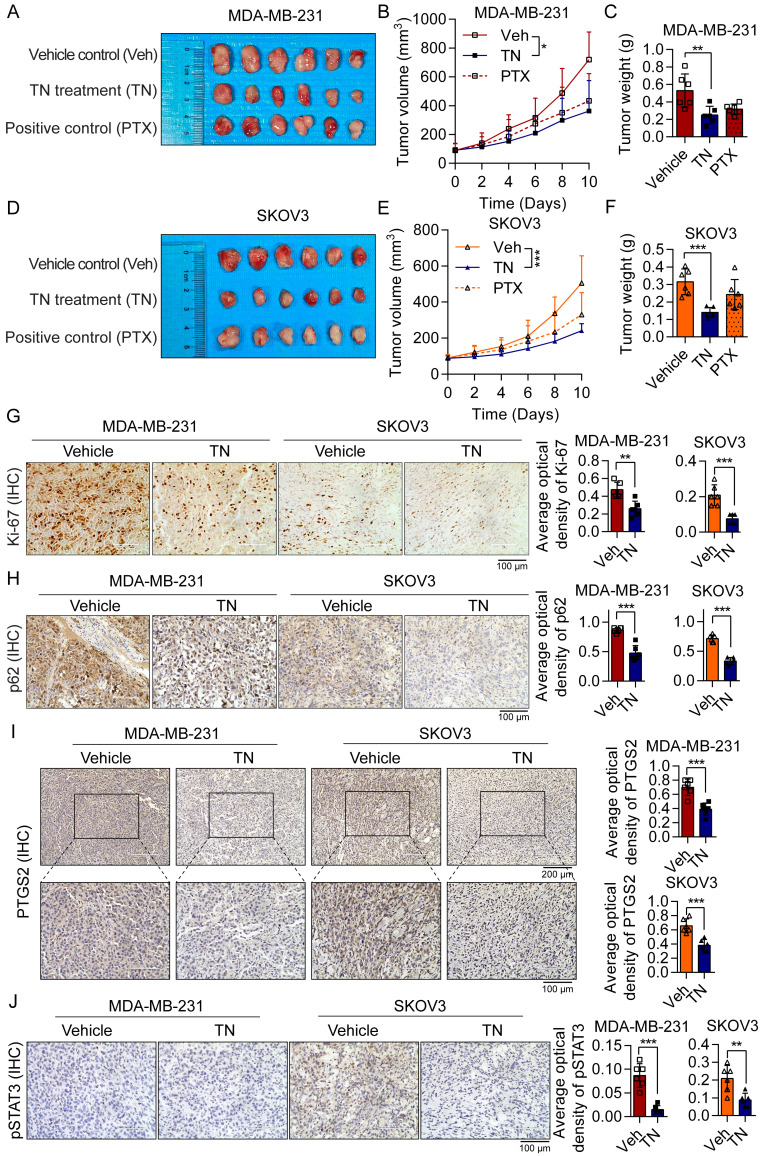 Figure 6
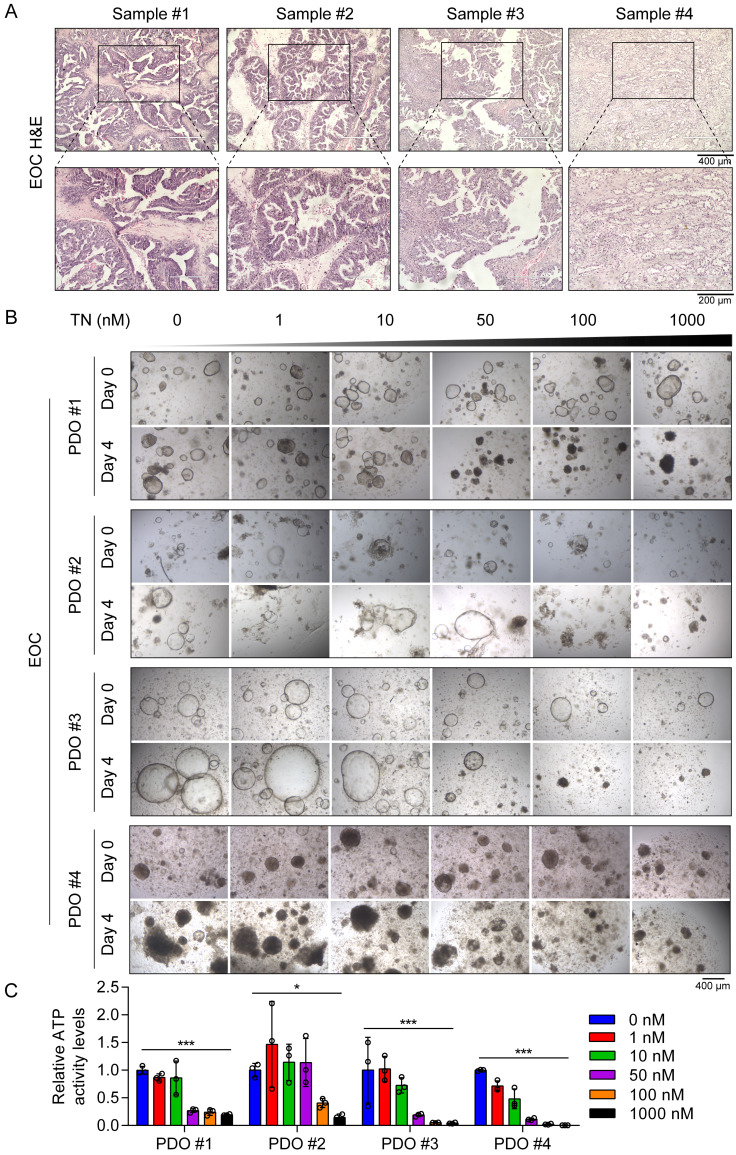 Figure 7
Peer Reviews
No public reviews on file for this paper yet. If you reviewed it on a platform where reviews are public (OpenReview, ICLR, NeurIPS, ICML), you can paste yours below so the community can read it here.
Videos
No videos yet. Explain this paper in a talk, walkthrough, or lecture? Add one.
Taxonomy
TopicsNatural Compounds in Disease Treatment · Autophagy in Disease and Therapy · Cell death mechanisms and regulation