Assessing the nutritional value and health risks of special low‑protein foods: narrative review
Maryam Ziadlou, Anita MacDonald

TL;DR
This paper reviews low-protein foods used for metabolic disorders, highlighting their benefits and potential health risks, and suggests natural alternatives to improve nutrition.
Contribution
The paper proposes exploring natural plant-based alternatives to enhance the nutritional quality and health outcomes of low-protein foods.
Findings
SLPFs are crucial for managing inherited amino acid disorders but may cause gut dysbiosis and cardio-metabolic risks.
Natural plant sources could improve SLPFs' nutritional quality and reduce adverse effects.
Hydrocolloid fibers in SLPFs may suppress gut microbiota and contribute to obesity.
Abstract
Special low-protein foods (SLPFs) are essential for patients with disorders of inherited amino acid metabolism that require lifelong dietary protein restriction to prevent severe neurocognitive effects and even death. Conditions such as phenylketonuria (PKU), tyrosinemia (TYR), maple syrup urine disease (MSUD), homocystinuria (HCU), and urea cycle disorders (UCD) depend on these foods to support metabolic control and dietary adherence. SLPFs provide satiety, energy, and help prevent catabolism, but their nutritional composition poses challenges. Most SLPFs are formulated using isolated starches as the primary macronutrient base. Hydrocolloid fibers are commonly added to improve texture, consistency, shelf life, and water or gas retention. These ingredients form the backbone of SLPFs production and are consistently used across different regions worldwide, reflecting a standardized…
Genes, proteins, chemicals, diseases, species, mutations and cell lines named across the full text — each resolved to its canonical identifier and authoritative record.
Click any figure to enlarge with its caption.
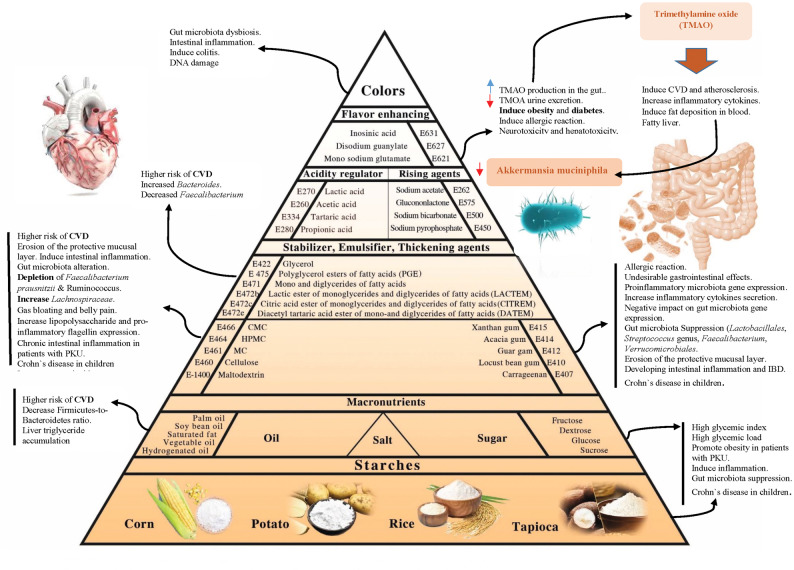 Figure 1
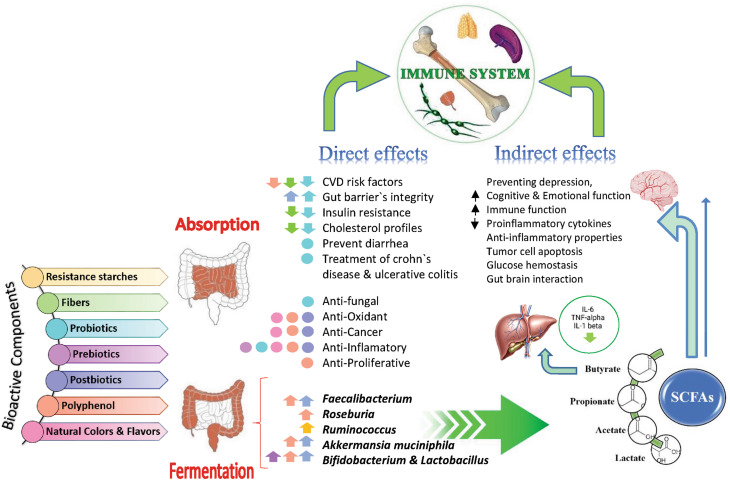 Figure 2
Peer Reviews
No public reviews on file for this paper yet. If you reviewed it on a platform where reviews are public (OpenReview, ICLR, NeurIPS, ICML), you can paste yours below so the community can read it here.
Videos
No videos yet. Explain this paper in a talk, walkthrough, or lecture? Add one.
Taxonomy
TopicsConsumer Attitudes and Food Labeling · Food composition and properties · Protein Hydrolysis and Bioactive Peptides