A Pilot Feasibility Study of a Home Tablet-Based Neurorehabilitation Program and Serial Brain Vital Sign Monitoring for Survivors of Pediatric Cerebral Malaria
Sarah J. Macoun, Jessica M. Silverman, Philippe R. Brunet, Jessica M. Lewis, Edith Kafoteka, Thereza Ziba, Eric D. Kirby, Joshua Ighalo, Ryan C. N. D’Arcy, Nicole O’Brien

TL;DR
A home-based neurorehabilitation program and brain monitoring system were found feasible and acceptable for children recovering from cerebral malaria in Africa.
Contribution
This study demonstrates the feasibility of using a tablet-based neurorehabilitation program and ERP monitoring for cognitive recovery in pediatric cerebral malaria survivors.
Findings
The Dino Island program and Brain Vital Signs system were feasible and easy to implement in home settings.
Low attrition rates and positive family feedback indicated high acceptability of the interventions.
Parent reports showed positive behavioral changes in children following the program.
Abstract
Lasting sequelae are identified in 50% of child survivors of cerebral malaria (CM). Rehabilitation options in malaria-endemic regions are scarce and largely focused on physical deficits, leaving children without support for cognitive recovery. Effective and accessible interventions are vital for improving outcomes. Furthermore, the assessment of brain function and recovery after CM is dependent on behavior-based tests that are time-consuming and require substantial training to administer. Objective, easy-to-use alternatives may be impactful. Children aged 3–12 years who had survived CM were recruited. Participants underwent a 6-month in-home, tablet-based neurorehabilitation program called Dino Island (DI). Participants also underwent serial assessments of brain health that were conducted by measuring event-related potentials (ERPs) using the Brain Vital Signs system. The feasibility,…
Genes, proteins, chemicals, diseases, species, mutations and cell lines named across the full text — each resolved to its canonical identifier and authoritative record.
Click any figure to enlarge with its caption.
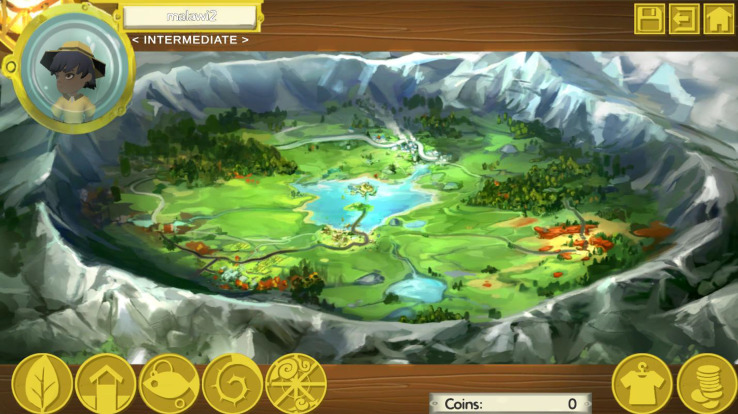 Figure 1
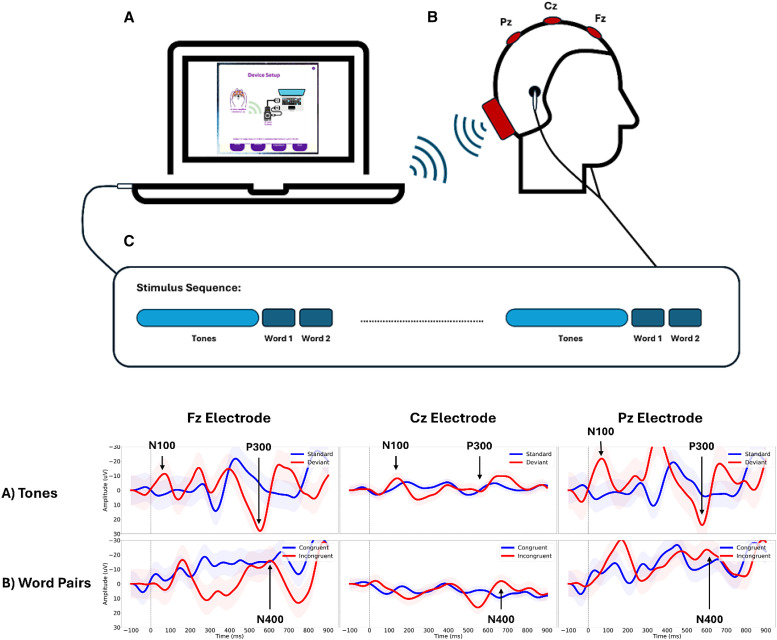 Figure 2
Peer Reviews
No public reviews on file for this paper yet. If you reviewed it on a platform where reviews are public (OpenReview, ICLR, NeurIPS, ICML), you can paste yours below so the community can read it here.
Videos
No videos yet. Explain this paper in a talk, walkthrough, or lecture? Add one.
Taxonomy
TopicsMalaria Research and Control · Epilepsy research and treatment · Mosquito-borne diseases and control