Protective PLCG2 variants associate with a delayed onset of Alzheimer’s disease among heterozygous APOE ε4 carriers
Heli Jeskanen, Sami Heikkinen, Inka Kervinen, Jenni Lehtisalo, Tiia Ngandu, Roosa-Maria Willman, Jessica Rosa, Dorit Hoffmann, Ville Leinonen, Annakaisa Haapasalo, Mari Takalo, Henna Martiskainen, Mikko Hiltunen

TL;DR
A protective PLCG2 gene variant delays Alzheimer’s onset in people with a specific APOE gene form, suggesting a potential therapeutic target.
Contribution
Identifies PLCG2 variants as protective against Alzheimer’s in APOE ε4 carriers and links them to elevated ghrelin levels.
Findings
PLCG2-P522R and PLCG2-3’UTR variants delay Alzheimer’s onset in APOE ε4 carriers.
PLCG2-P522R carriers have higher plasma ghrelin levels.
TREM2-R62H variant is linked to earlier Alzheimer’s onset in APOE ε4 carriers.
Abstract
The PLCG2-P522R variant, which encodes a mildly hyperactive form of the PLCγ2 enzyme, has been identified as a protective genetic factor against Alzheimer’s disease (AD). Many recently discovered AD-associated microglial risk genes converge on the TREM2-PLCγ2 signaling pathway, emphasizing the importance of characterizing this signaling pathway to uncover potential therapeutic targets and biomarkers. In this study, we investigated the effects of AD-associated PLCG2 and TREM2 variants, particularly in individuals carrying the APOE ε4 allele, and explored plasma biomarker profiles associated with these variants. Using genotype and clinical endpoint data from the FinnGen genomic research project, we conducted Kaplan–Meier survival analyses and Cox proportional hazards models to assess the ages of onset for AD, anxiety, and type 2 diabetes. The key findings were replicated in the UK…
Genes, proteins, chemicals, diseases, species, mutations and cell lines named across the full text — each resolved to its canonical identifier and authoritative record.
Click any figure to enlarge with its caption.
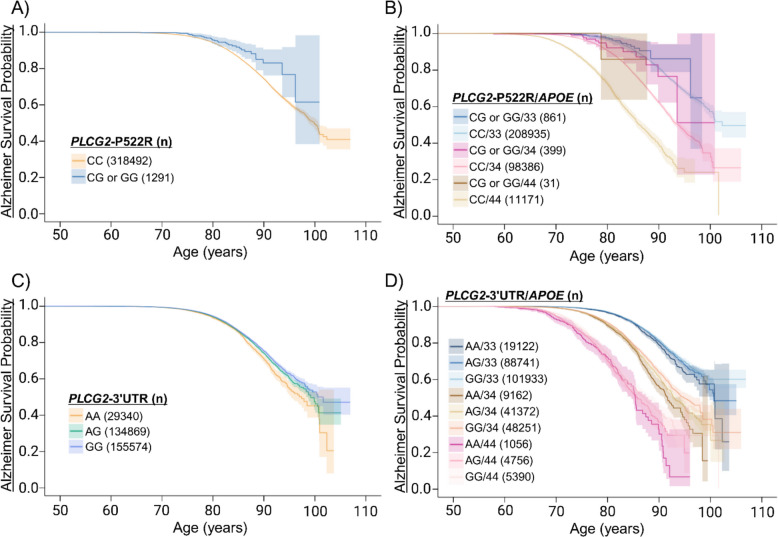 Figure 1
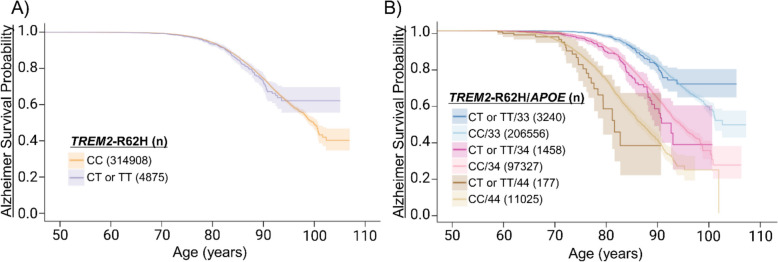 Figure 2
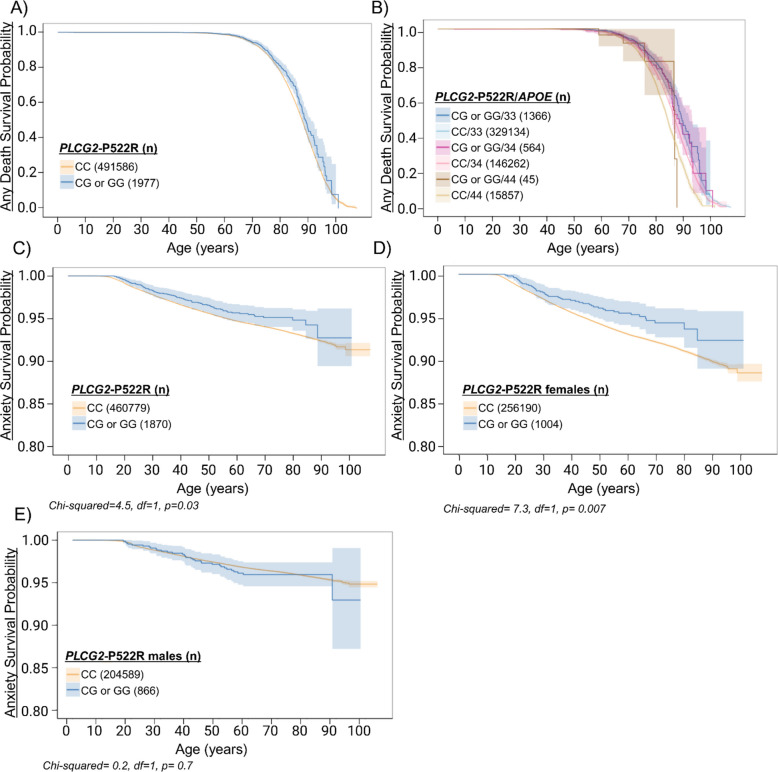 Figure 3
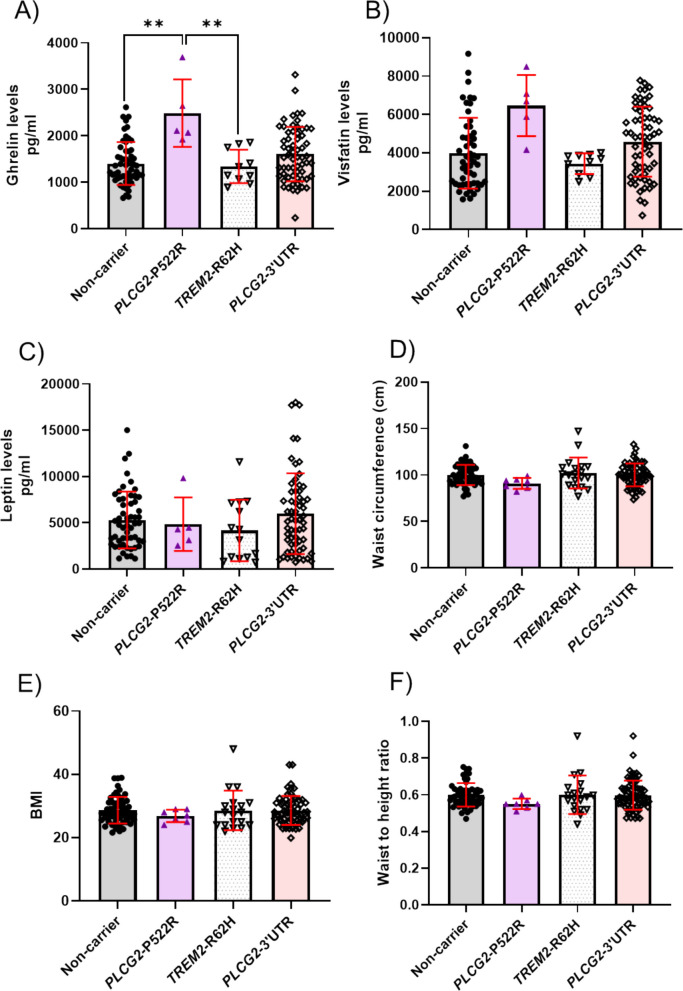 Figure 4
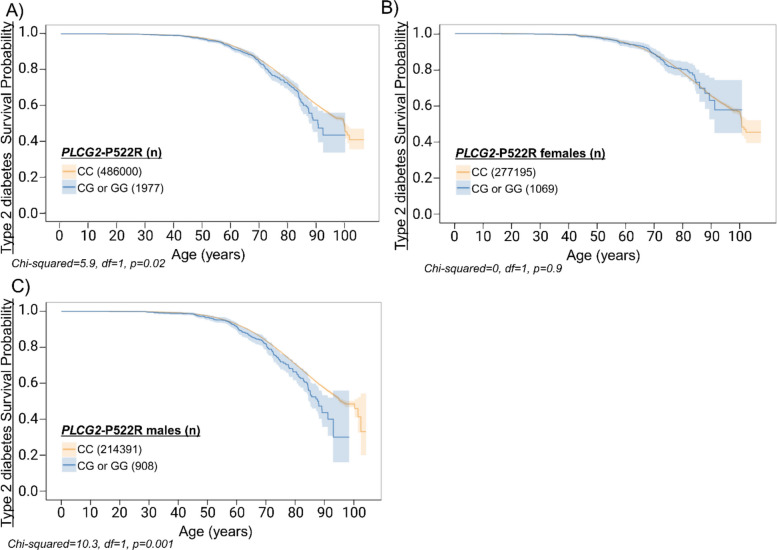 Figure 5
Peer Reviews
No public reviews on file for this paper yet. If you reviewed it on a platform where reviews are public (OpenReview, ICLR, NeurIPS, ICML), you can paste yours below so the community can read it here.
Videos
No videos yet. Explain this paper in a talk, walkthrough, or lecture? Add one.
Taxonomy
TopicsNeuroinflammation and Neurodegeneration Mechanisms · Alzheimer's disease research and treatments · Neurogenesis and neuroplasticity mechanisms