Sex- and mouse strain-related differences in body weight gain, composition of the gut microbiota, and levels of selected metabolites in response to a Western-style diet
Katarzyna Unrug-Bielawska, Monika Dziełak, Zuzanna Sandowska-Markiewicz, Magdalena Piątkowska, Paweł Czarnowski, Krzysztof Goryca, Natalia Zeber-Lubecka, Michalina Dąbrowska, Aneta Bałabas, Małgorzata Statkiewicz, Izabela Rumieńczyk, Kazimiera Pyśniak, Urszula Wójcik-Trechcińska

TL;DR
This study shows how sex, mouse strain, and diet affect weight gain, gut bacteria, and metabolites in mice, with implications for obesity research.
Contribution
The study reveals sex- and strain-specific effects of a Western diet on gut microbiota and metabolites in Mtarc1/2-deficient mice.
Findings
GAN diet increased body weight in all mice, while WD increased it in most except Mtarc2-KO females.
C57BL6/NTac mice showed the most significant weight gain on WD or GAN diets.
Diet and sex influenced gut microbiota and metabolite levels differently across mouse strains.
Abstract
Recent studies reveal an association between the mitochondrial Amidoxime Reducing Component (MTARC) 1 and 2 proteins and metabolism in Mtarc1/2-deficient mice that are resistant to diet-induced obesity; however, the impact of Mtarc1/2 knockout (KO) on the gut microbiota and metabolome has not been explored in the context of sex and diet. To compare the effects of a Western diet (WD) or a Novel Gubra Amylin NASH (GAN) diet on body weight gain, and on the composition of the gut microbiome and metabolome, between the background mouse strain and male and female Mtarc1- or Mtarc2-KO mice. Seventy-two 8-week-old male and female mice from each strain were fed a WD or a corresponding control normal diet (ND/WD), or a GAN diet or a corresponding control normal diet (ND/GAN), for 16 weeks. Fecal samples were collected at the beginning and end of the experiments, and 16 S rRNA-based microbiota…
Genes, proteins, chemicals, diseases, species, mutations and cell lines named across the full text — each resolved to its canonical identifier and authoritative record.
Click any figure to enlarge with its caption.
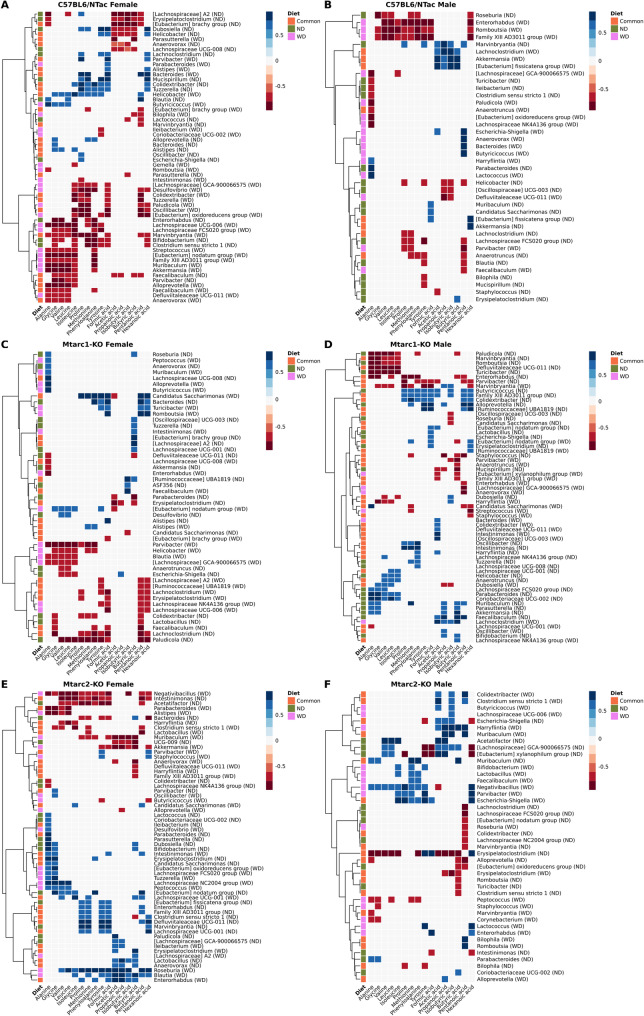 Figure 10
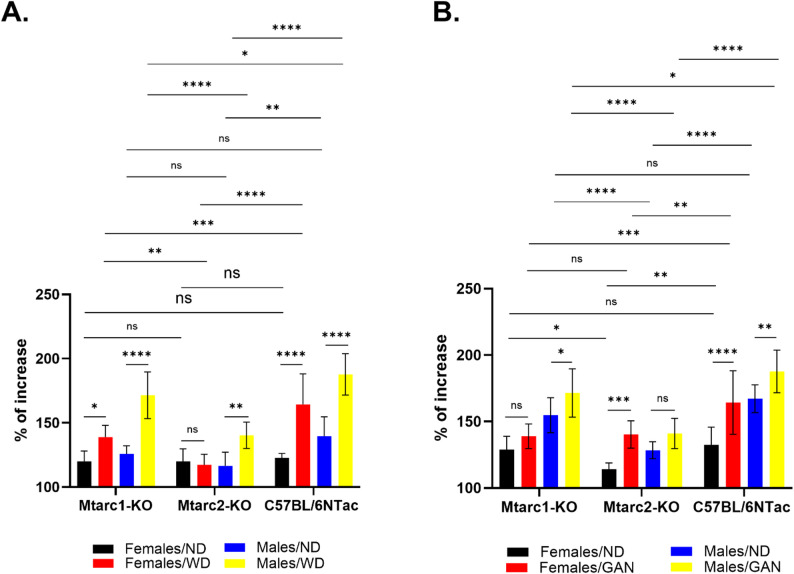 Figure 1
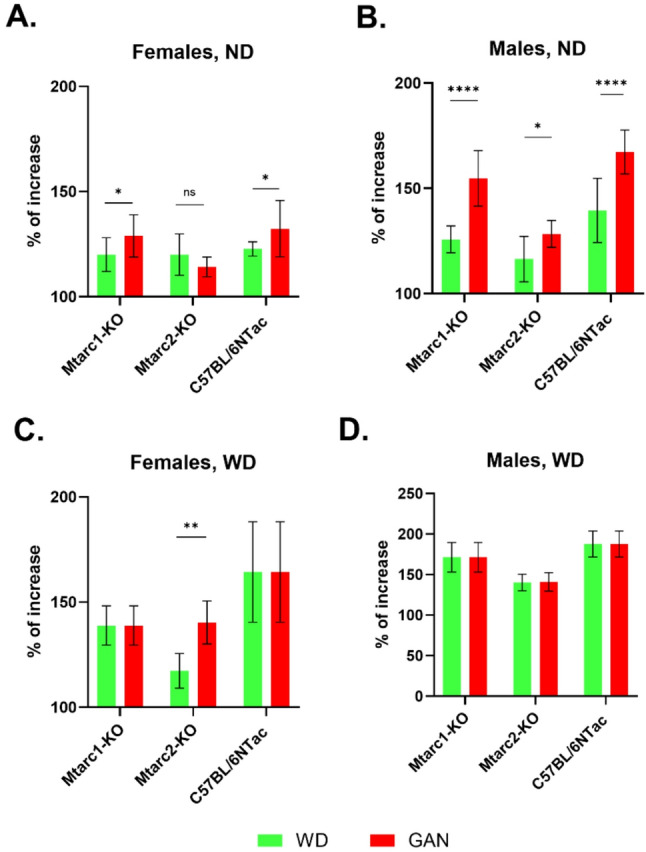 Figure 2
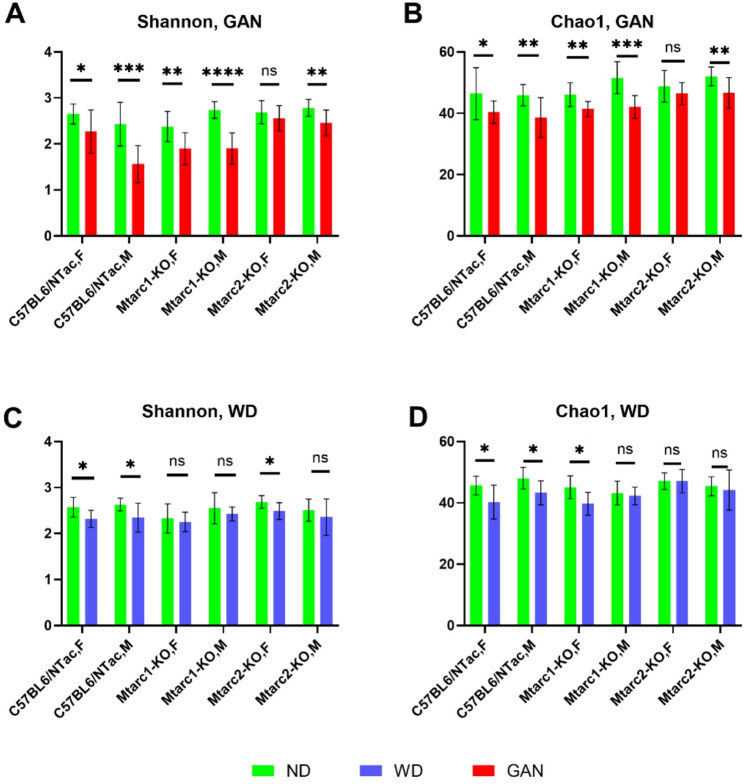 Figure 3
 Figure 4
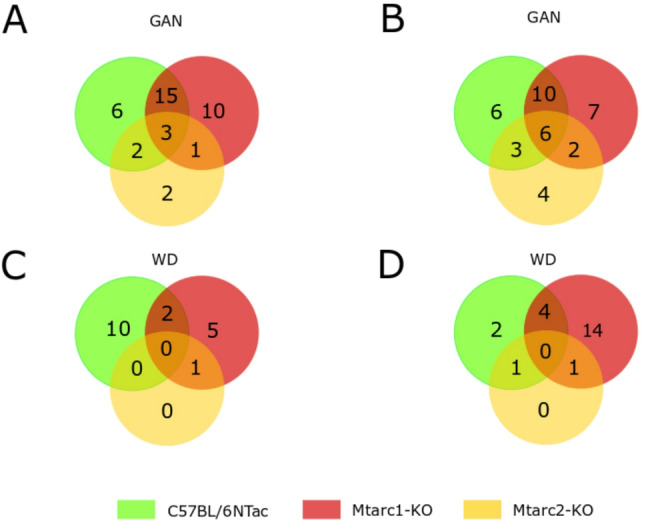 Figure 5
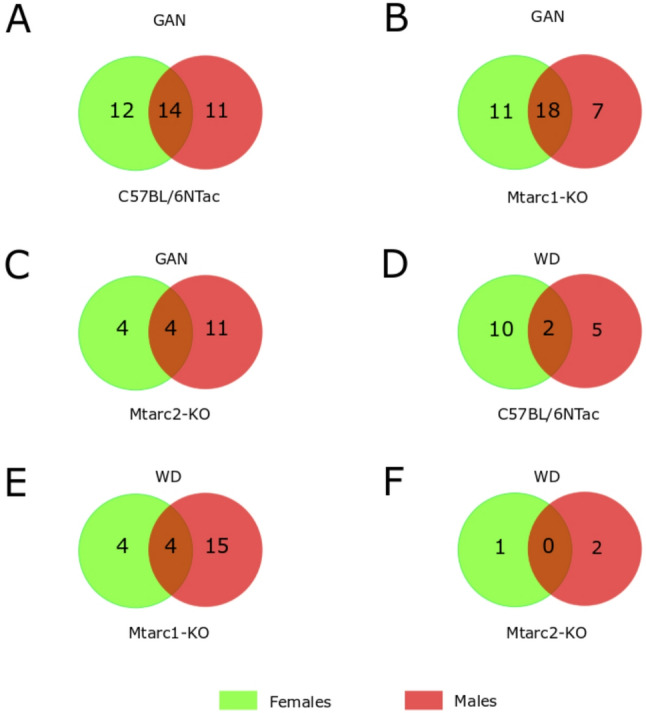 Figure 6
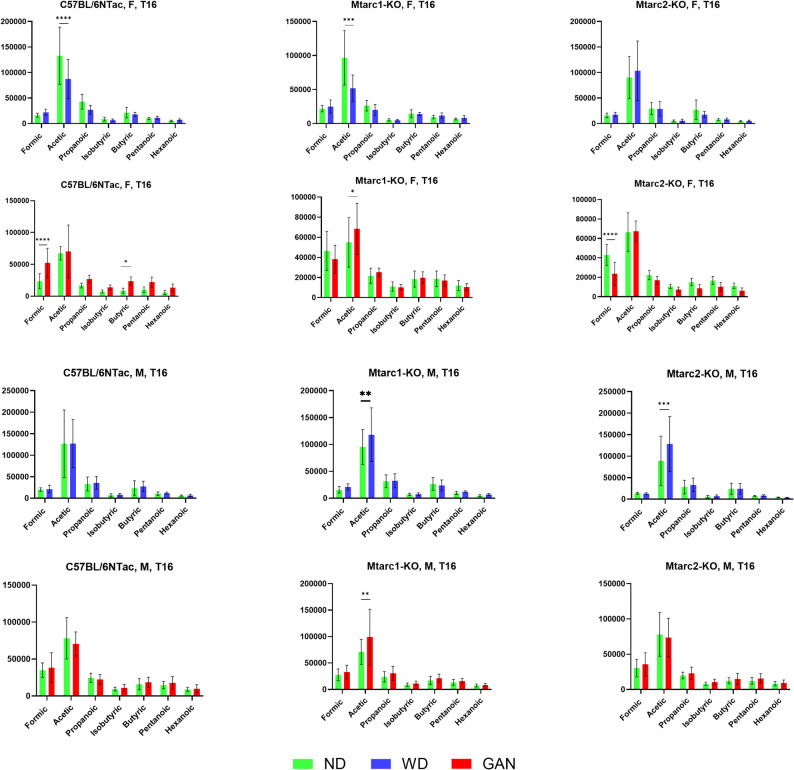 Figure 7
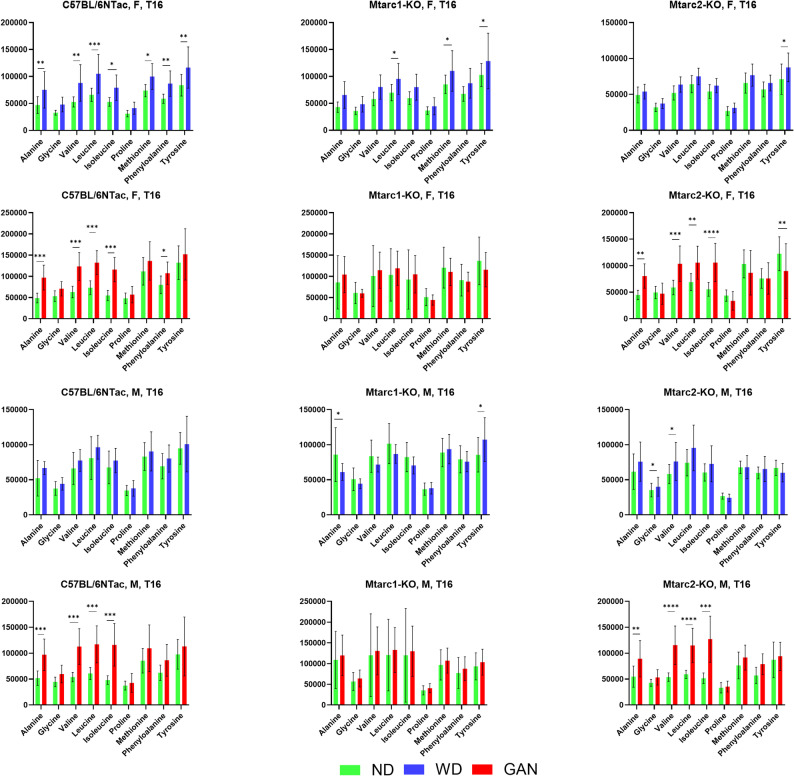 Figure 8
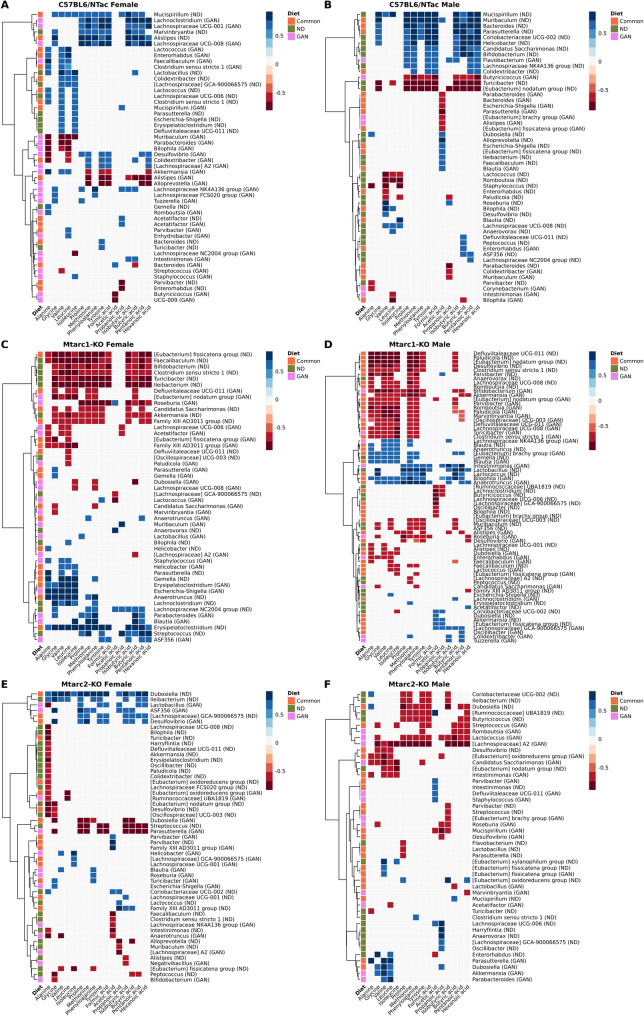 Figure 9
Peer Reviews
No public reviews on file for this paper yet. If you reviewed it on a platform where reviews are public (OpenReview, ICLR, NeurIPS, ICML), you can paste yours below so the community can read it here.
Videos
No videos yet. Explain this paper in a talk, walkthrough, or lecture? Add one.
Taxonomy
TopicsMetabolism and Genetic Disorders · Gut microbiota and health · Peroxisome Proliferator-Activated Receptors