The effect of self-selected versus standardised warm-ups on kayak ergometer performance in Hungarian elite kayakers: a randomized controlled crossover trial
Emese Trájer, Péter Katona, Brigitta Kovács, Ádám Suskó, Márton Rakovics, Tímea Kováts

TL;DR
This study compared different warm-up strategies for elite kayakers and found that self-selected warm-ups were well-liked and effective when not causing high lactate levels.
Contribution
The study introduces a comparison of self-selected and structured warm-ups in elite kayaking, emphasizing athlete preference and performance outcomes.
Findings
Interval warm-ups produced the highest average power output in a 2-minute kayak ergometer test.
Self-selected warm-ups were rated most favorably by athletes and did not significantly differ in performance from interval warm-ups.
High pre-trial blood lactate levels were strongly linked to reduced performance, regardless of warm-up type.
Abstract
Warm-up strategies play a crucial role in enhancing athletic performance and preventing injuries, yet the optimal warm-up protocol for sprint kayaking remains unclear. This study compared the effects of four different warm-up approaches—interval, increasing intensity, continuous, and self-selected—on performance in a 2-minute maximal kayak ergometer test among eleven elite male sprint kayakers. Each participant completed all warm-up types in a randomized order, followed by a 2-minute all-out time trial. Performance power output, heart rate, blood lactate levels, and subjective ratings of the warm-ups were measured. Results showed that the interval warm-up produced the highest average power output, significantly outperforming the increasing intensity warm-up. However, performance after the self-selected warm-up was not significantly different from the interval warm-up, and athletes…
Genes, proteins, chemicals, diseases, species, mutations and cell lines named across the full text — each resolved to its canonical identifier and authoritative record.
Click any figure to enlarge with its caption.
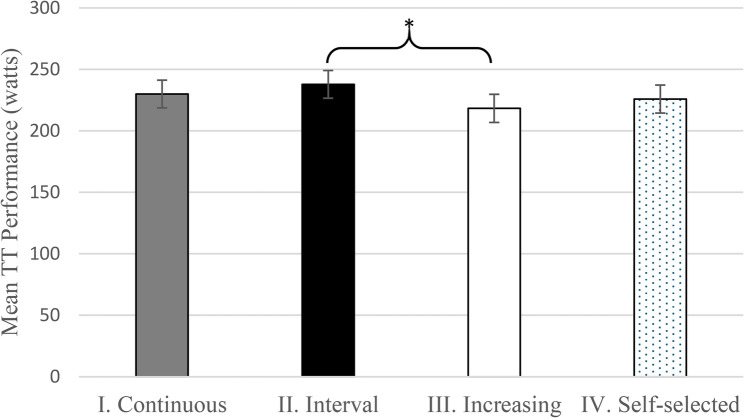 Figure 1
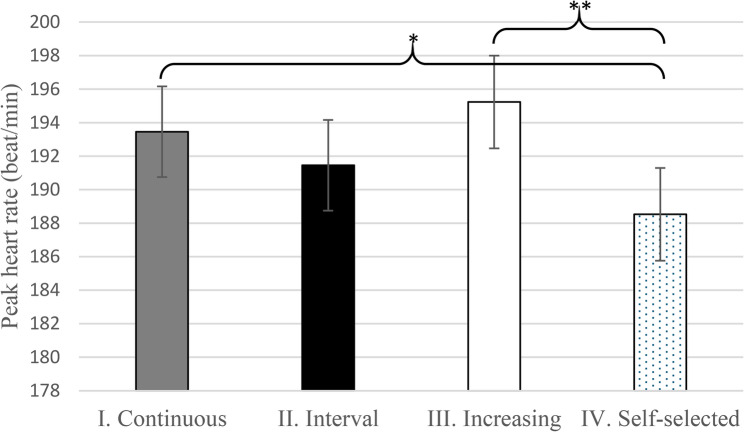 Figure 2
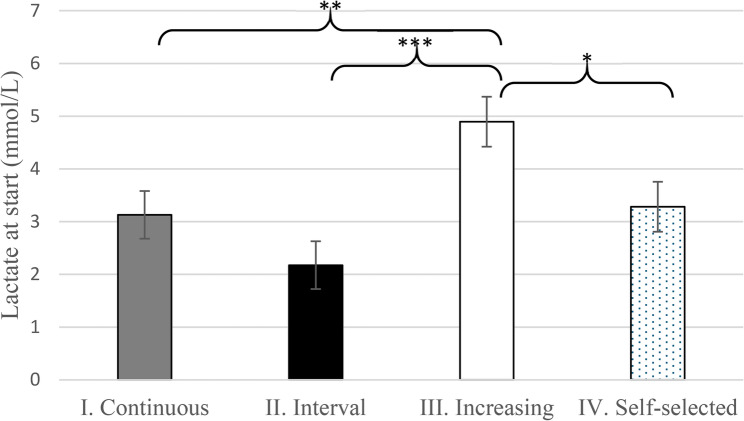 Figure 3
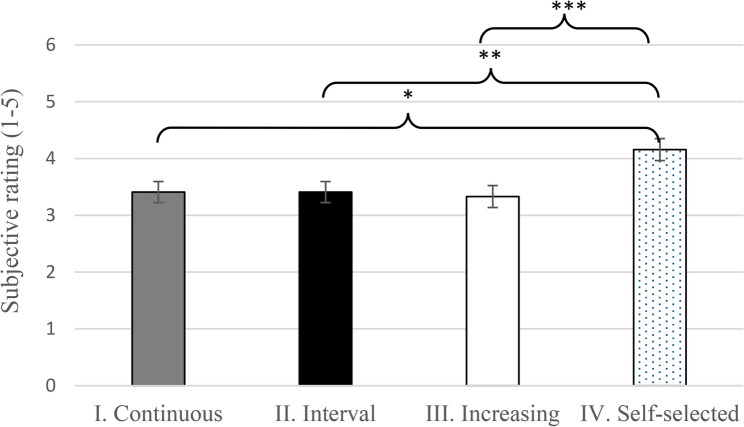 Figure 4
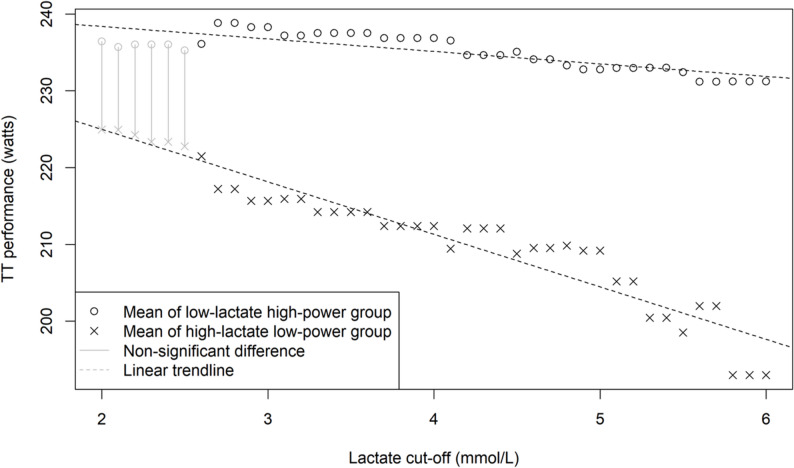 Figure 5
Peer Reviews
No public reviews on file for this paper yet. If you reviewed it on a platform where reviews are public (OpenReview, ICLR, NeurIPS, ICML), you can paste yours below so the community can read it here.
Videos
No videos yet. Explain this paper in a talk, walkthrough, or lecture? Add one.
Taxonomy
TopicsSports Performance and Training · Exercise and Physiological Responses · Sports injuries and prevention