Oxytocin in infants with Prader-Willi syndrome to improve dysphagia and disease trajectory
Maithe Tauber, Gwenaelle Diene, Pascale Fichaux-Bourin, Graziella Pinto, Iva Gueorguieva, Marc Nicolino, Rachel Reynaud, Delphine Bernoux, Veronique Beauloye, Elin Malek Abrahimians, Cordula Kiewert, Pierre Payoux, Sophie Cabal, Catherine Molinas, Melanie Glattard

TL;DR
This study shows that oxytocin treatment in infants with Prader-Willi syndrome improves swallowing and leads to better long-term outcomes.
Contribution
First demonstration of oxytocin's positive effect on swallowing and long-term disease trajectory in infants with Prader-Willi syndrome.
Findings
Oxytocin improved swallowing function in infants with Prader-Willi syndrome compared to placebo.
OT-exposed infants showed better motor, adaptive, and behavioral outcomes at 3 years of age.
Oxytocin was well tolerated and showed long-term safety in treated infants.
Abstract
Prader-Willi syndrome (PWS) is a genetic neurodevelopmental disorder with a characteristic trajectory. Infants display hypotonia, poor social and feeding skills, and high risk of choking, which have been shown to improve after oxytocin (OT) treatment. Our aim is to demonstrate the efficacy of intranasal OT treatment administered in the postnatal critical period on infant feeding skills and document its long-term effects. We enrolled 52 infants with PWS (median age 2.2 months) in a European double-blind randomized placebo-controlled study. Infants were randomly assigned in a 1:1 ratio to either 4 IU/day of OT or placebo for a 4-week evaluation of efficacy. A second randomization in each group was performed. Infants in the placebo group were randomized into 4 weeks of OT followed by 4 weeks of placebo or 8 consecutive weeks of OT. Those in the OT group were randomized into additional 4…
Genes, proteins, chemicals, diseases, species, mutations and cell lines named across the full text — each resolved to its canonical identifier and authoritative record.
Click any figure to enlarge with its caption.
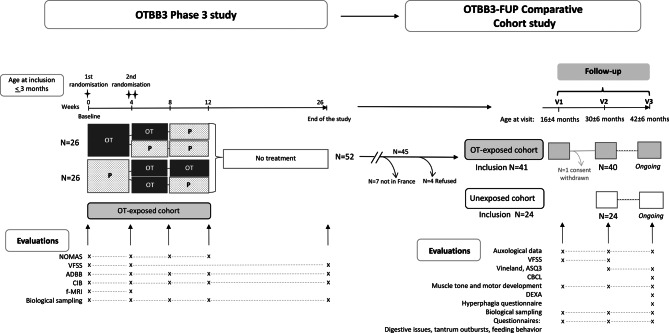 Figure 1
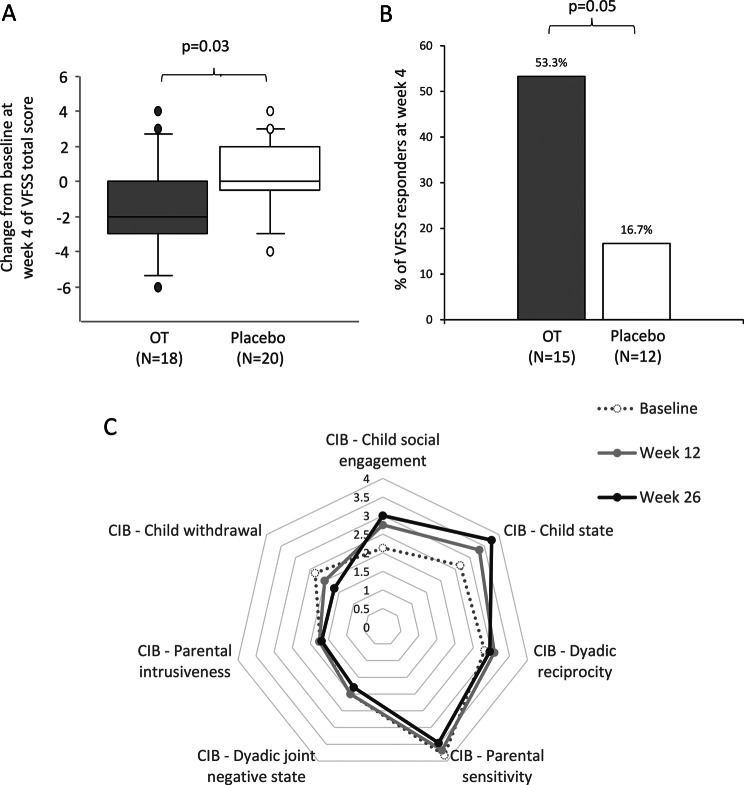 Figure 2
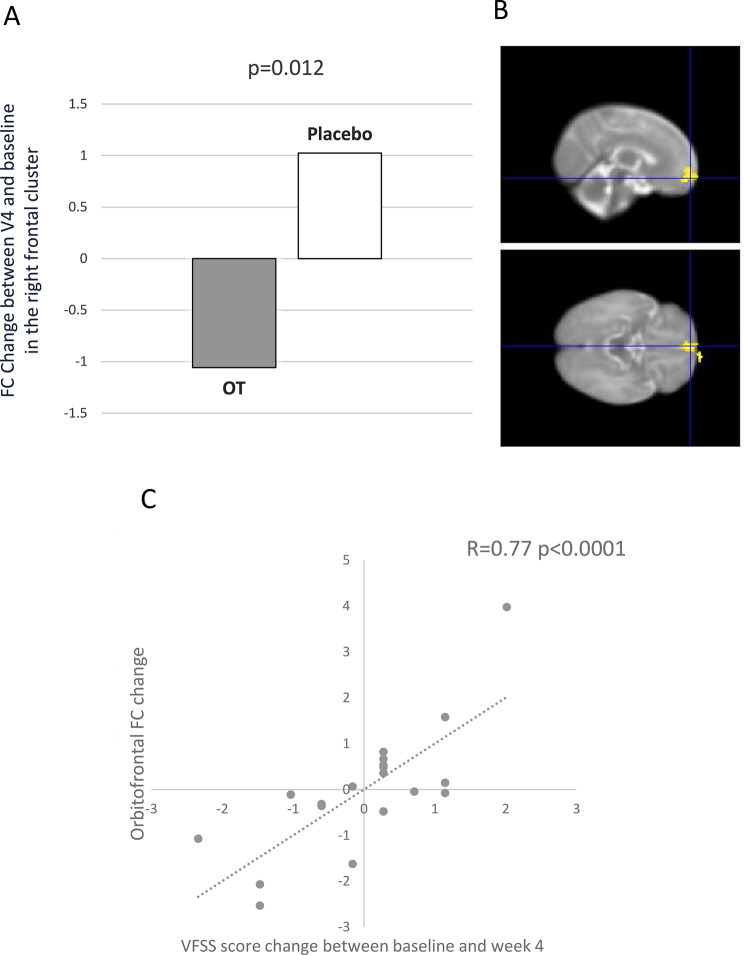 Figure 3
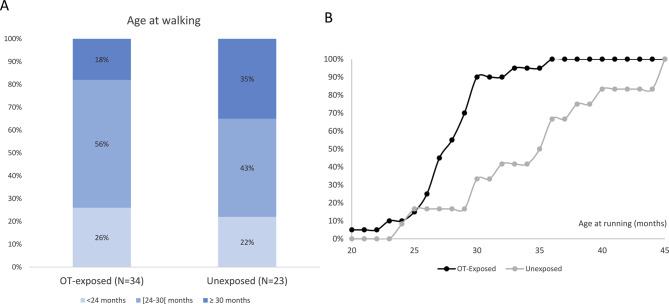 Figure 4
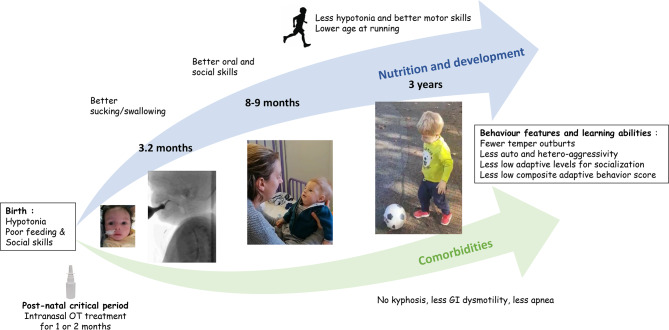 Figure 5
Peer Reviews
No public reviews on file for this paper yet. If you reviewed it on a platform where reviews are public (OpenReview, ICLR, NeurIPS, ICML), you can paste yours below so the community can read it here.
Videos
No videos yet. Explain this paper in a talk, walkthrough, or lecture? Add one.
Taxonomy
TopicsGenetic Syndromes and Imprinting · Neurogenetic and Muscular Disorders Research · Child Nutrition and Feeding Issues