Optimized New Shengmai Powder suppresses ferroptosis in ischemic cardiomyocytes via cGMP-PKG signalling
Zeyu Zhang, Zhihua Yang, Zhuangzhuang Jia, Yuwei Song, Liuli Guo, Shuai Wang, Xianliang Wang, Jingyuan Mao

TL;DR
This study shows how a modern version of a traditional Chinese medicine protects heart cells from a type of cell death called ferroptosis, using a specific signaling pathway.
Contribution
The study identifies the cGMP–PKG signaling pathway as a key mechanism through which Optimized New Shengmai Powder suppresses ferroptosis in ischemic cardiomyocytes.
Findings
ONSMP improves cell viability and reduces iron accumulation and lipid peroxidation in ischemic cardiomyocytes.
The cGMP–PKG signaling pathway is activated by ONSMP and contributes to its anti-ferroptotic effects.
Baicalin and Kaempferide are identified as bioactive constituents that may mediate these effects.
Abstract
Shengmai Powder is a classic Traditional Chinese Medicine formula that has been used for centuries to manage cardiovascular diseases characterized by “Qi–Yin deficiency with blood stasis.” Optimized New Shengmai Powder (ONSMP), a modern refinement of this formula, has shown clinical efficacy in improving cardiac function in patients with ischemic heart failure. Although our previous studies have demonstrated pronounced cardioprotective effects of ONSMP in preclinical models, the underlying molecular mechanisms—particularly those regulating cardiomyocyte death—remain incompletely understood at the cellular level. Clarifying these mechanisms is essential to bridge traditional therapeutic practice with contemporary scientific validation and to substantiate the clinical utility of ONSMP with modern mechanistic evidence. This study elucidates the molecular mechanisms by which ONSMP inhibits…
Genes, proteins, chemicals, diseases, species, mutations and cell lines named across the full text — each resolved to its canonical identifier and authoritative record.
Click any figure to enlarge with its caption.
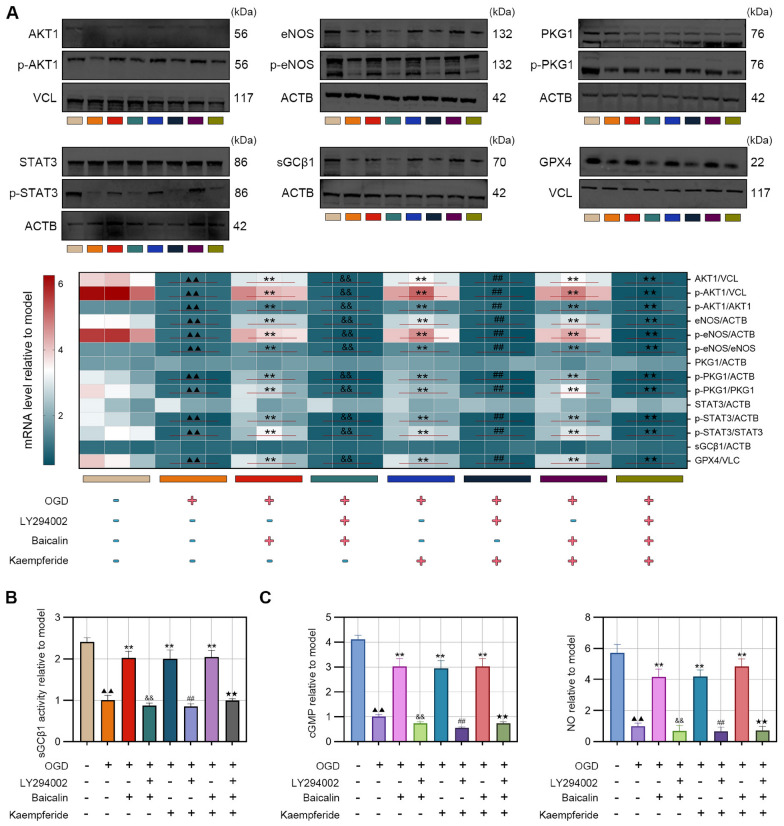 Figure 10
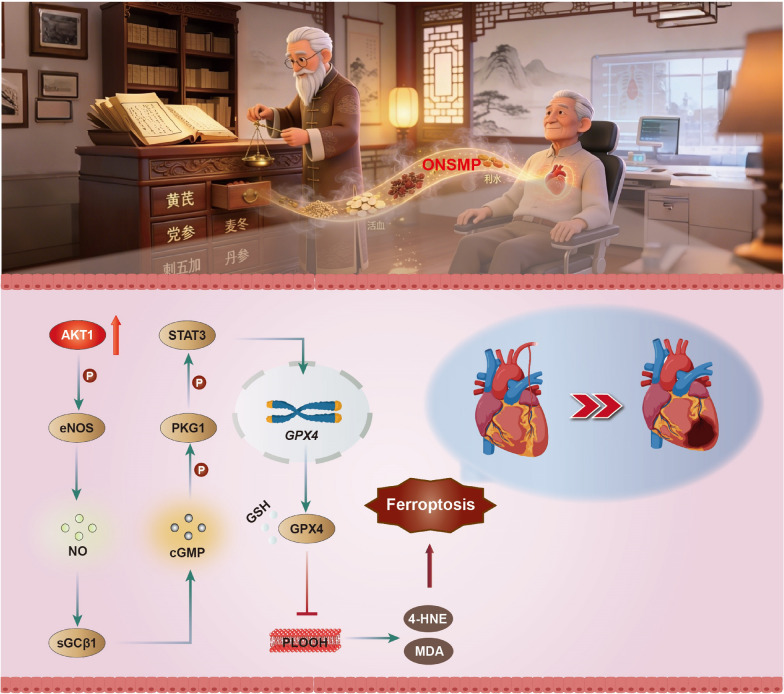 Figure 11
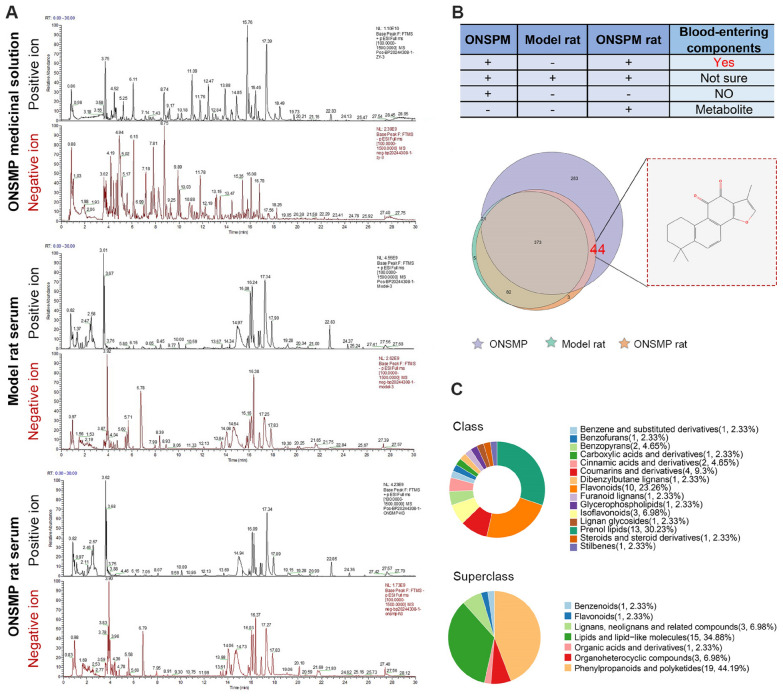 Figure 1
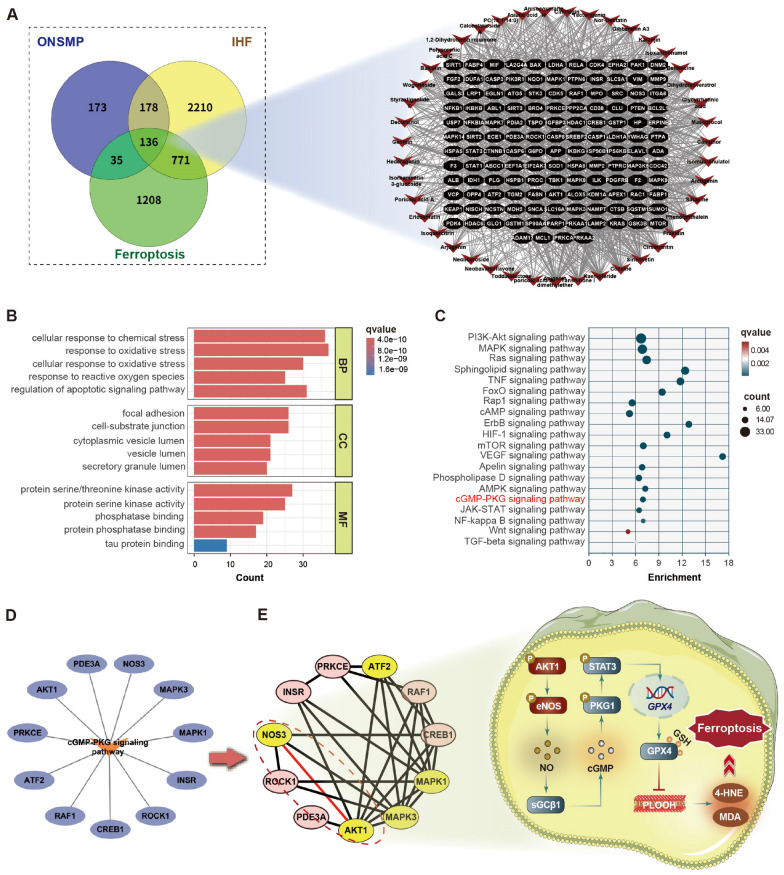 Figure 2
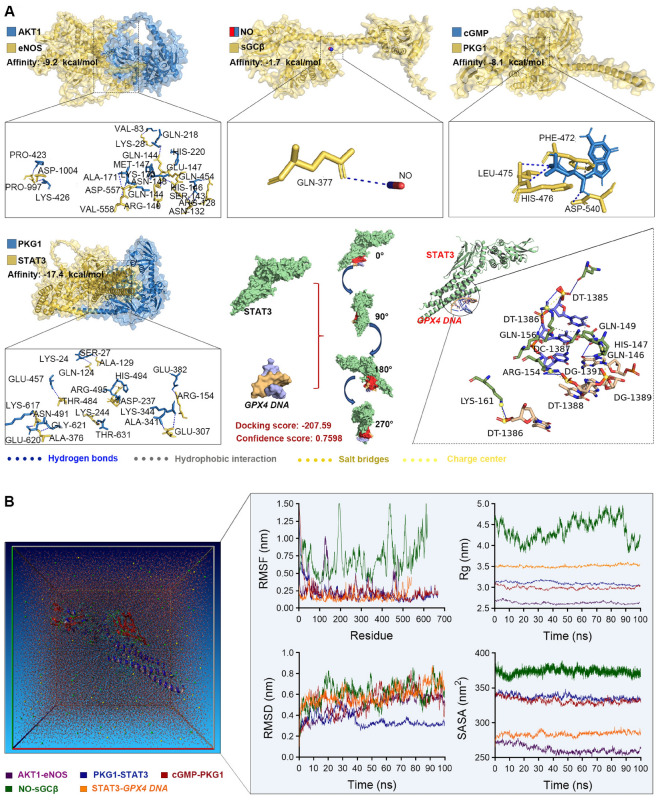 Figure 3
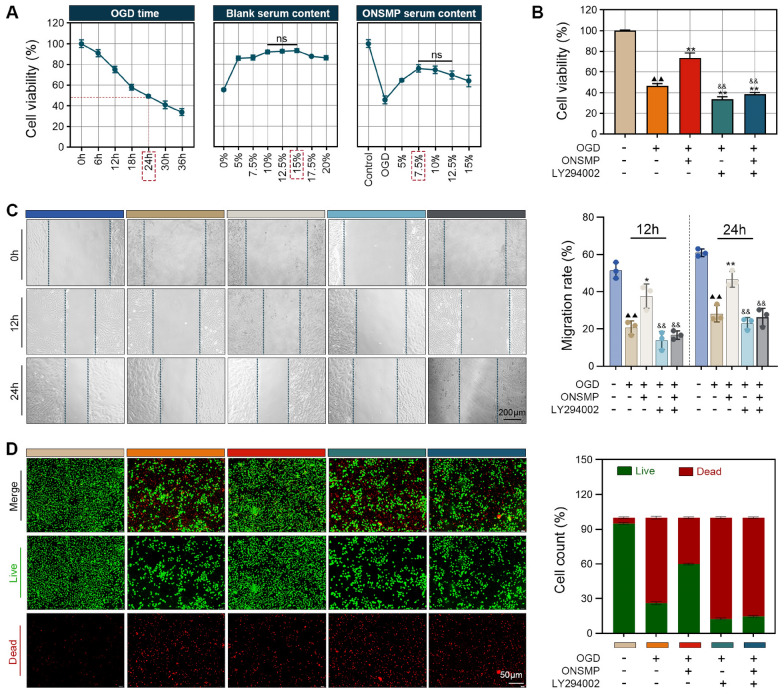 Figure 4
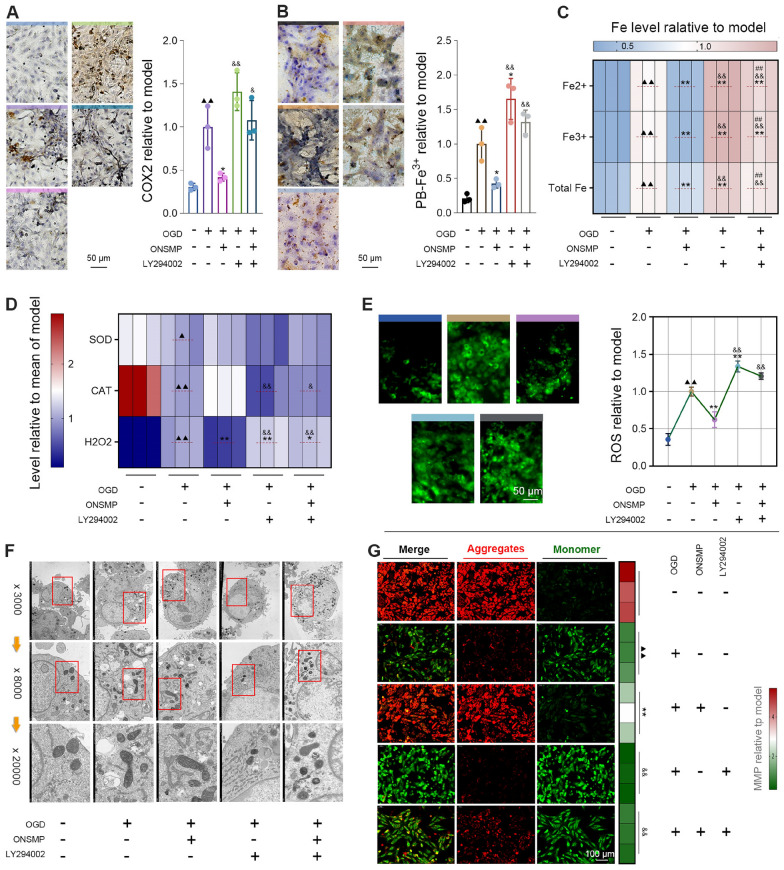 Figure 5
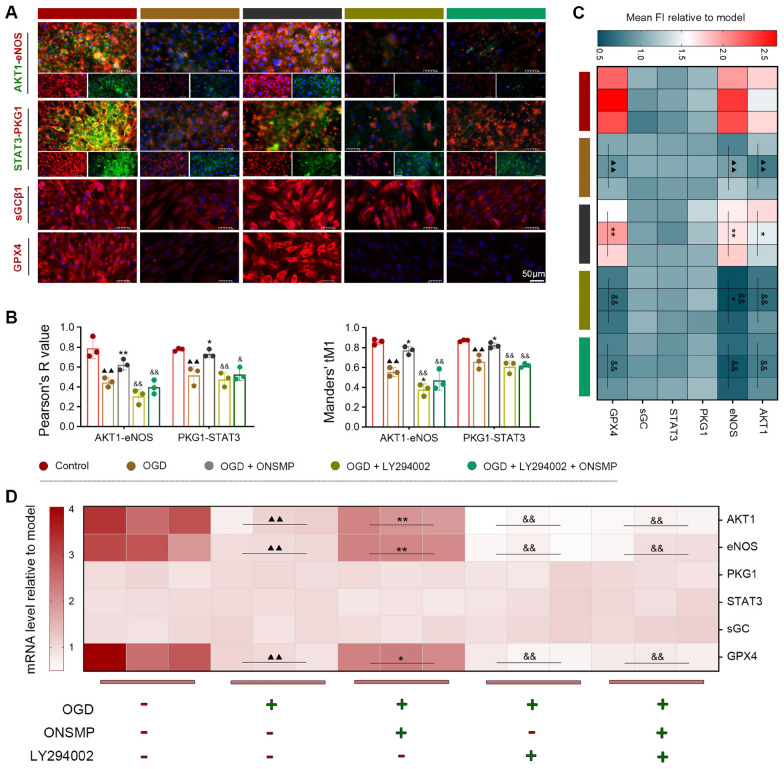 Figure 6
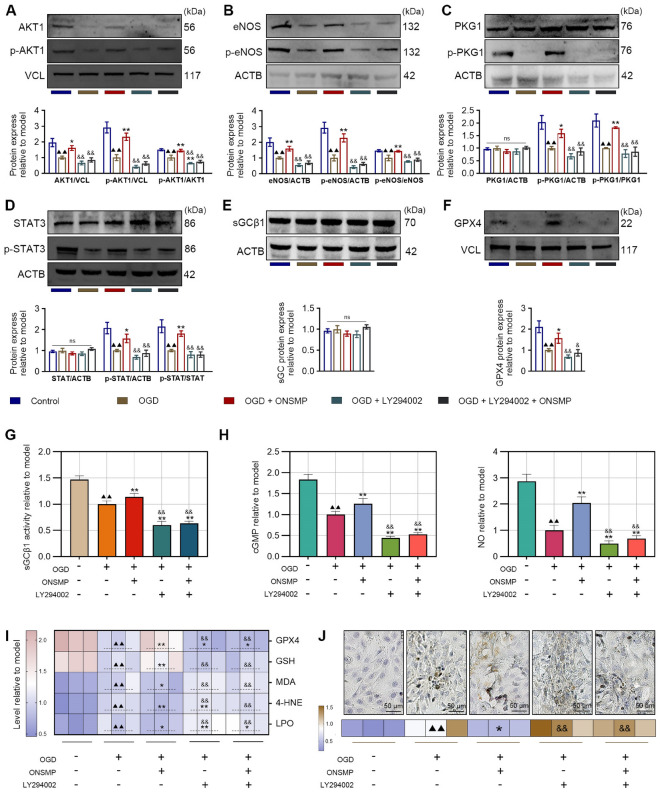 Figure 7
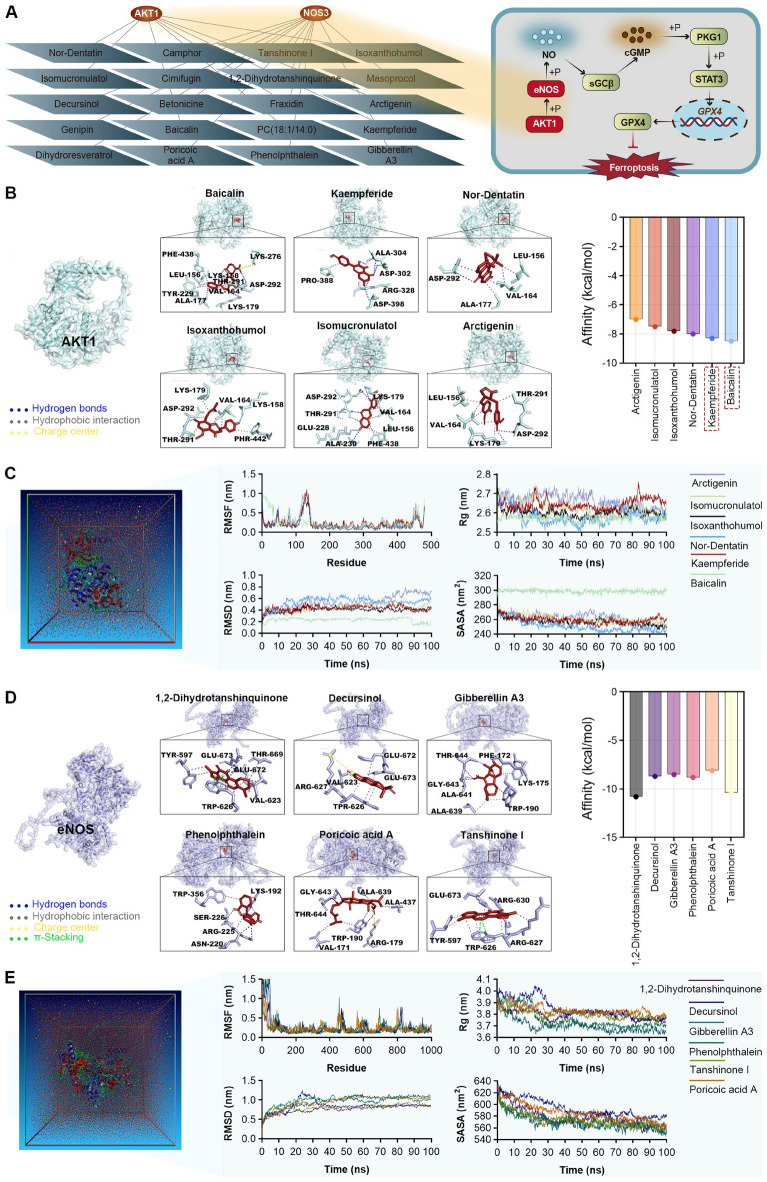 Figure 8
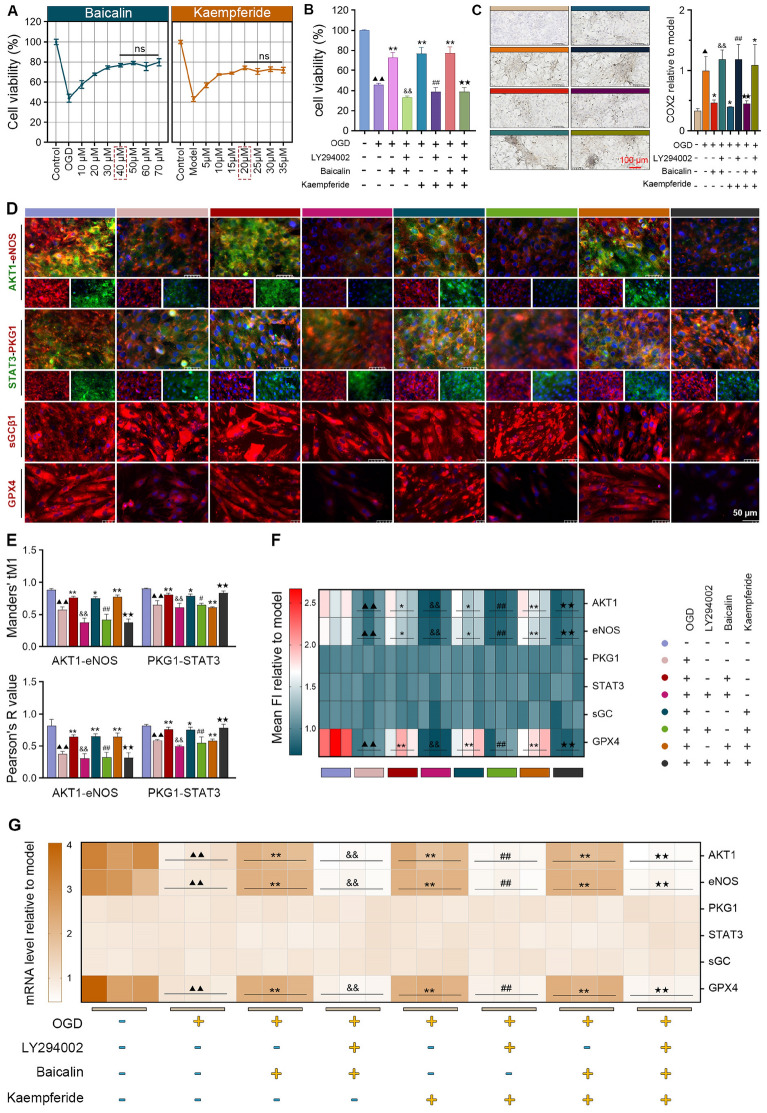 Figure 9
Peer Reviews
No public reviews on file for this paper yet. If you reviewed it on a platform where reviews are public (OpenReview, ICLR, NeurIPS, ICML), you can paste yours below so the community can read it here.
Videos
No videos yet. Explain this paper in a talk, walkthrough, or lecture? Add one.
Taxonomy
TopicsFerroptosis and cancer prognosis · Immune cells in cancer · Inflammasome and immune disorders