In silico analysis and comparison of the metabolic capabilities of different organisms by reducing metabolic complexity
Evangelia Vayena, Meriç Ataman, Vassily Hatzimanikatis

TL;DR
This paper introduces NIS, a computational tool that simplifies and compares microbial metabolic models to better understand ecological interactions and microbiome design.
Contribution
NIS is a novel workflow that integrates multiple algorithms to reduce and compare genome-scale metabolic models in a biologically interpretable way.
Findings
NIS revealed conserved and divergent metabolic strategies in Escherichia coli and Saccharomyces cerevisiae.
Application to the honeybee gut microbiome uncovered functional redundancy and cross-feeding interactions.
NIS enables scalable and reproducible analysis of microbial metabolic networks beyond gene content or taxonomy.
Abstract
Understanding how metabolic capabilities diverge across microbial species is essential for deciphering community function, ecological interactions, and the design of synthetic microbiomes. Despite shared core pathways, microbial phenotypes can differ markedly due to evolutionary adaptations and metabolic specialization. Genome-scale metabolic models (GEMs) provide a systems-level framework to explore these differences; however, their complexity hinders direct comparison. We introduce NIS (Neidhardt–Ingraham–Schaechter), a computational workflow that integrates the redGEM, lumpGEM, and redGEMX algorithms to systematically reduce genome-scale models into biologically interpretable modules. This approach enables direct, quantitative comparison of fueling pathways, biomass biosynthetic routes, and environmental exchange processes while retaining essential metabolic information. We first…
Genes, proteins, chemicals, diseases, species, mutations and cell lines named across the full text — each resolved to its canonical identifier and authoritative record.
Click any figure to enlarge with its caption.
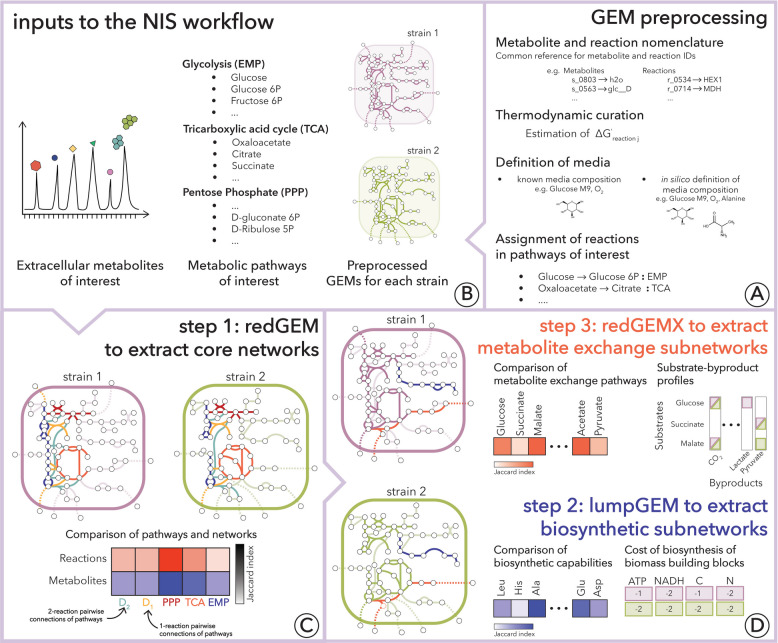 Figure 1
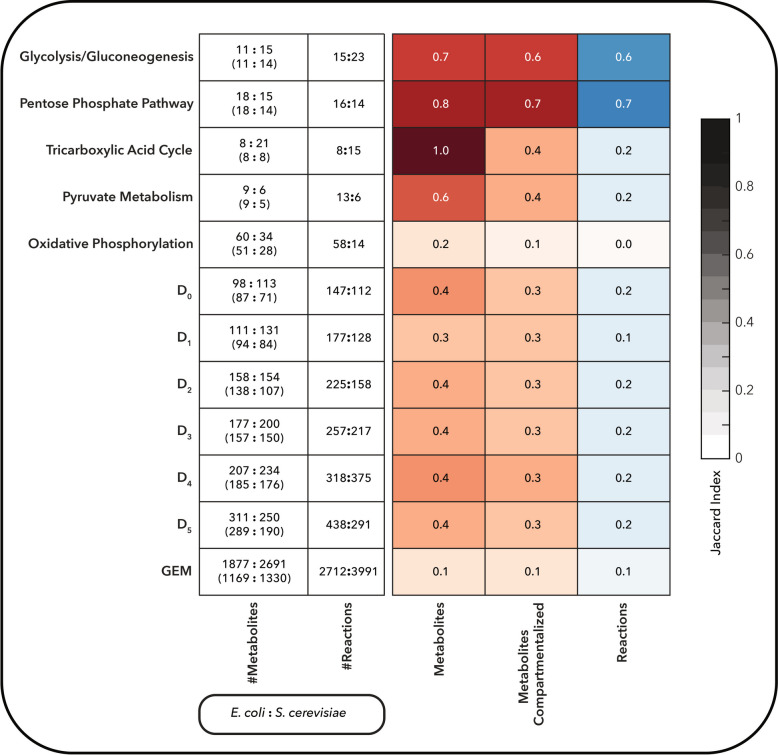 Figure 2
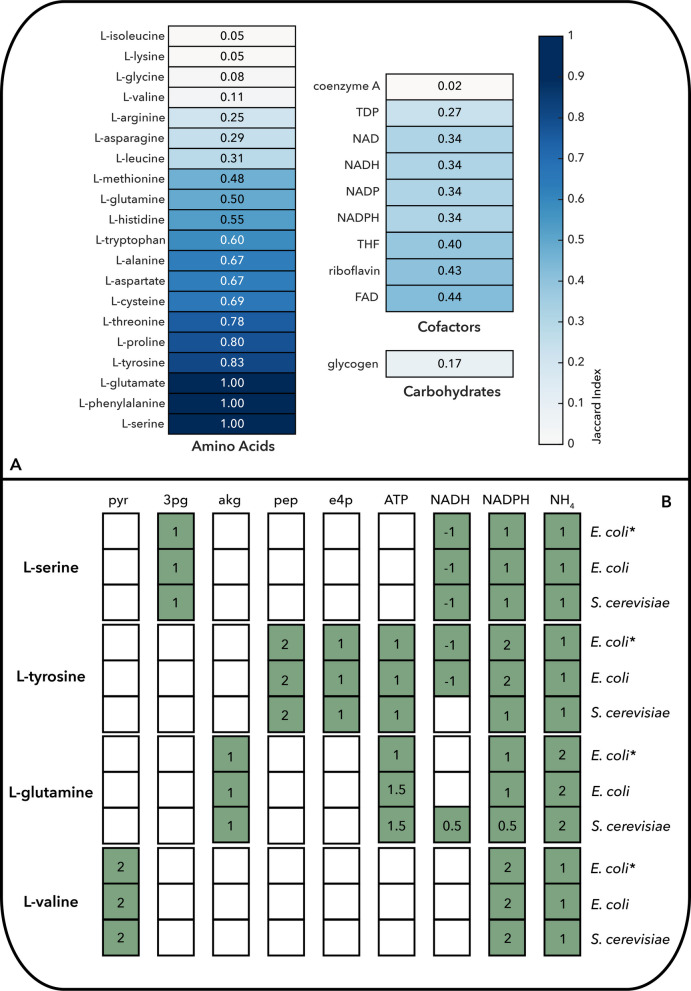 Figure 3
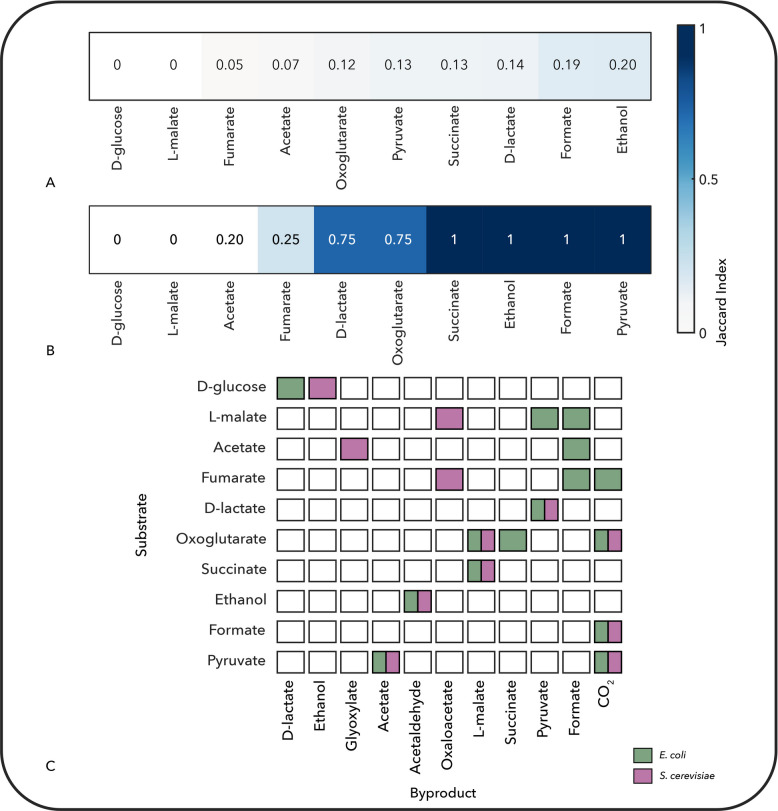 Figure 4
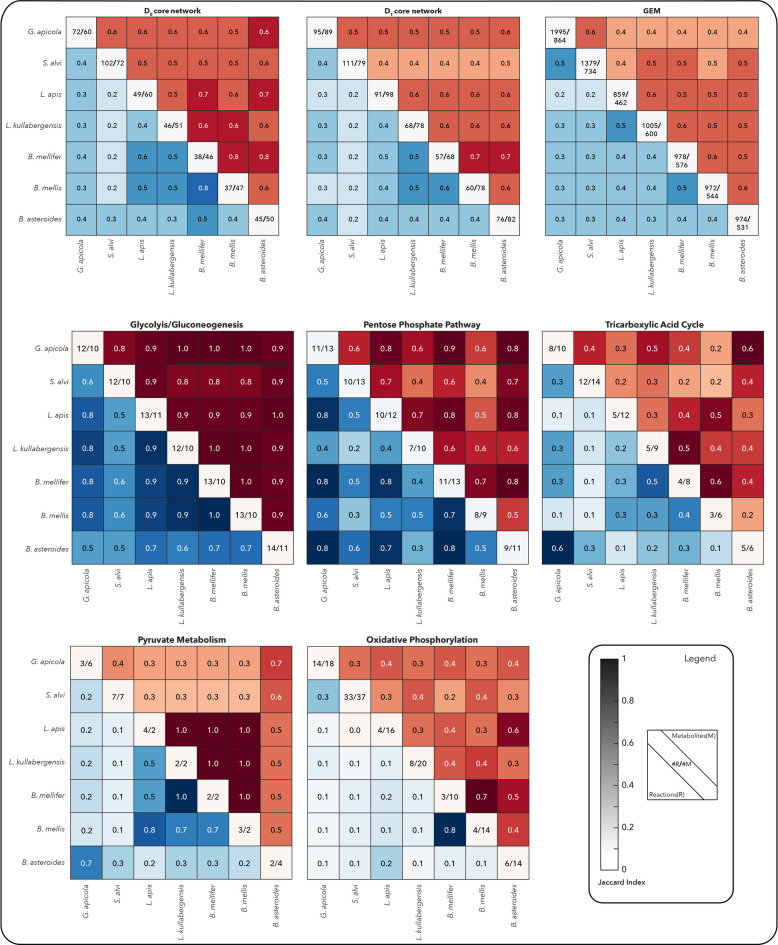 Figure 5
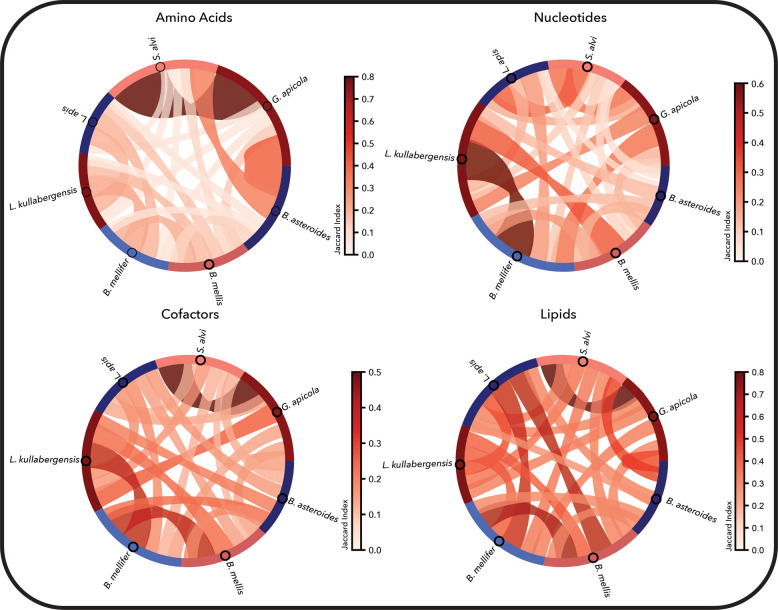 Figure 6
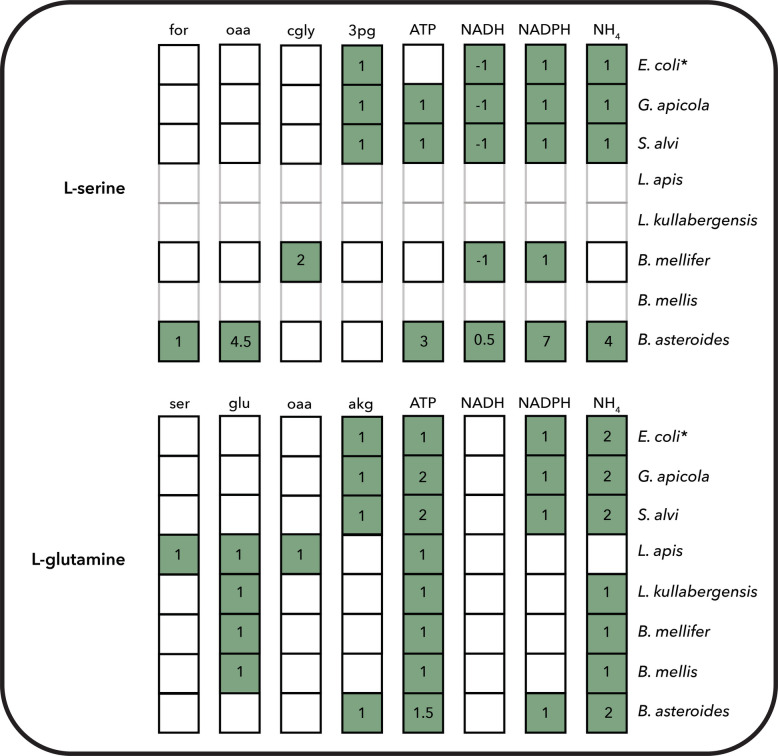 Figure 7
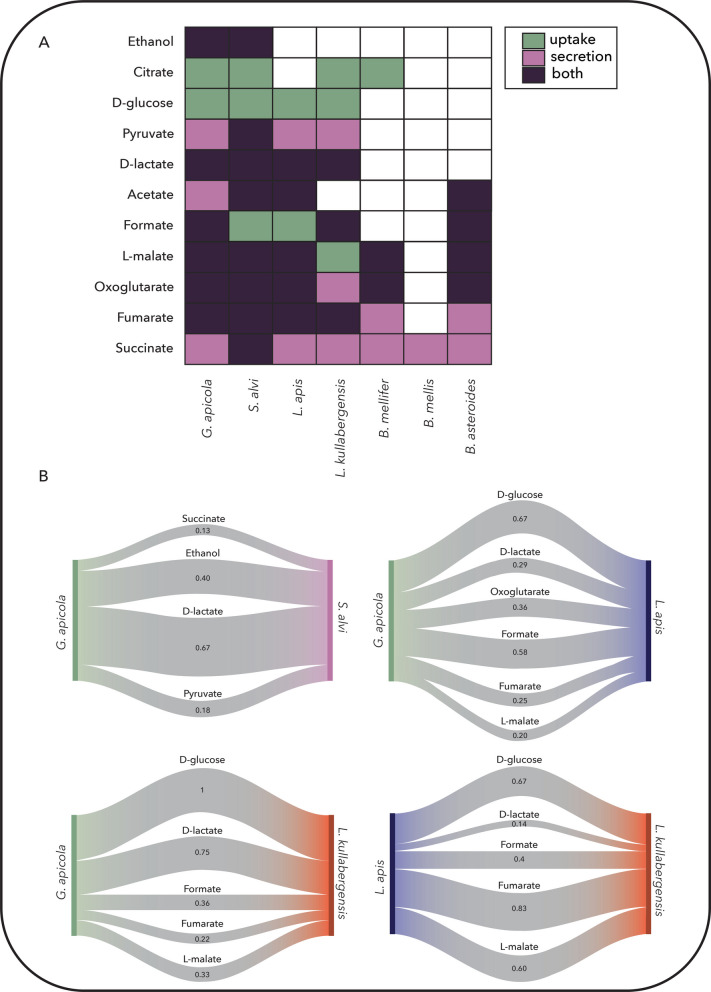 Figure 8
Peer Reviews
No public reviews on file for this paper yet. If you reviewed it on a platform where reviews are public (OpenReview, ICLR, NeurIPS, ICML), you can paste yours below so the community can read it here.
Videos
No videos yet. Explain this paper in a talk, walkthrough, or lecture? Add one.
Taxonomy
TopicsMicrobial Metabolic Engineering and Bioproduction · Plant biochemistry and biosynthesis · Sustainability and Ecological Systems Analysis