Identification of Key Genes via Integrated Multi-Omics and Machine Learning Uncovers Tumor Biological Features and Prognostic Biomarkers in Uterine Leiomyosarcoma
Wei Lu, Susu Jiang, Qiran Sun, Yating Huang, Ying Yang, Xiaoqin Wang, Liwen Zhang, Yi Guo, Rujun Chen

TL;DR
This study identifies key genes in uterine leiomyosarcoma using multi-omics and machine learning, revealing tumor biology and potential diagnostic/prognostic markers.
Contribution
The study introduces a novel integrated approach combining multi-omics data and ML to uncover key genes and their immune microenvironment links in ULMS.
Findings
96 InteGenes were identified, enriched in cell cycle, p53, and DNA repair pathways.
A GBM-based diagnostic model achieved high accuracy (92.3-100%) with 36 Mgenes showing strong diagnostic potential.
Mgenes correlated with immune cell infiltration, suggesting roles in modulating the tumor immune microenvironment.
Abstract
Uterine leiomyosarcoma (ULMS) is a rare, aggressive uterine malignancy with high misdiagnosis rates, poor prognosis, and limited molecular biomarkers. Its pathogenesis, links between specific genes and the tumor immune microenvironment (TIME), and applications of machine learning (ML) and Mendelian randomization (MR) remain understudied. Multi-cohort data (4 GEO datasets, TCGA-SARC, single-cell sequencing) were integrated. Differentially expressed genes (DEGs) and WGCNA-derived key modules identified “InteGenes”. 113 ML algorithms were compared to build a diagnostic model (top: GBM, core genes = “Mgenes”). CIBERSORT analyzed TIME; MR explored Mgenes-ULMS causal links. 96 InteGenes enriched in cell cycle/p53/DNA repair pathways. The GBM model had training AUC = 1 and validation accuracy 92.3-100%; 36 Mgenes (e.g., TRIP13, AUC = 0.972) showed diagnostic value. Mgenes correlated with…
Genes, proteins, chemicals, diseases, species, mutations and cell lines named across the full text — each resolved to its canonical identifier and authoritative record.
Click any figure to enlarge with its caption.
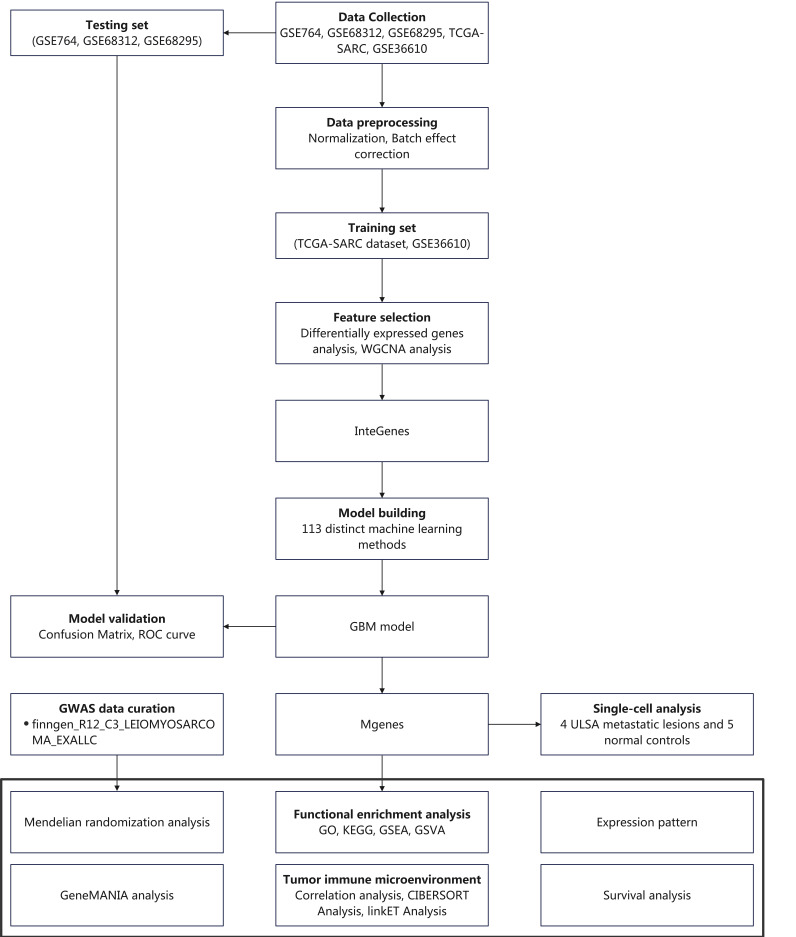 Figure 1
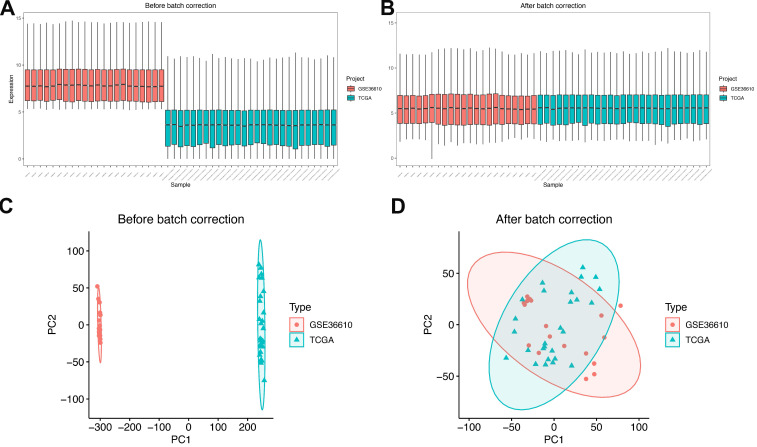 Figure 2
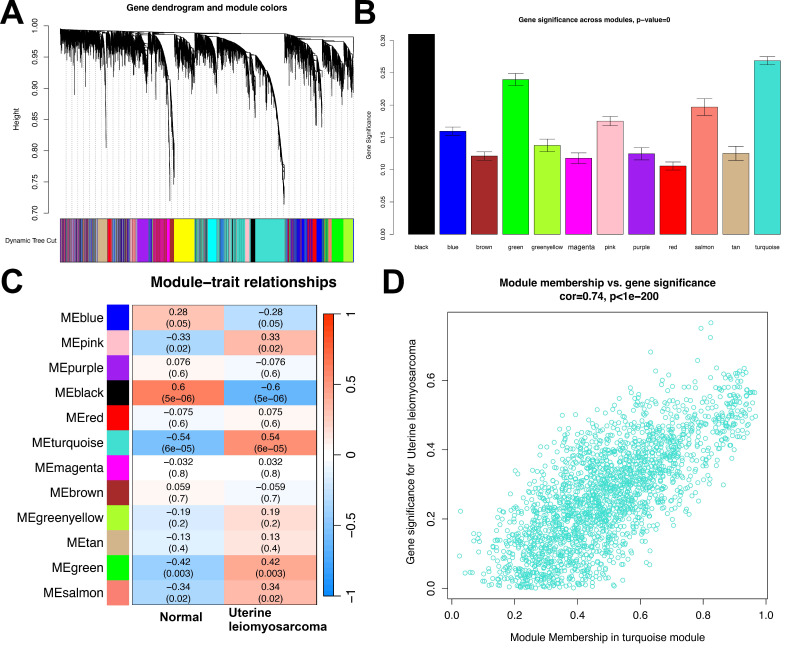 Figure 3
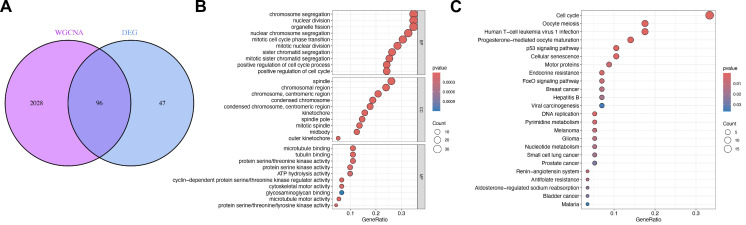 Figure 4
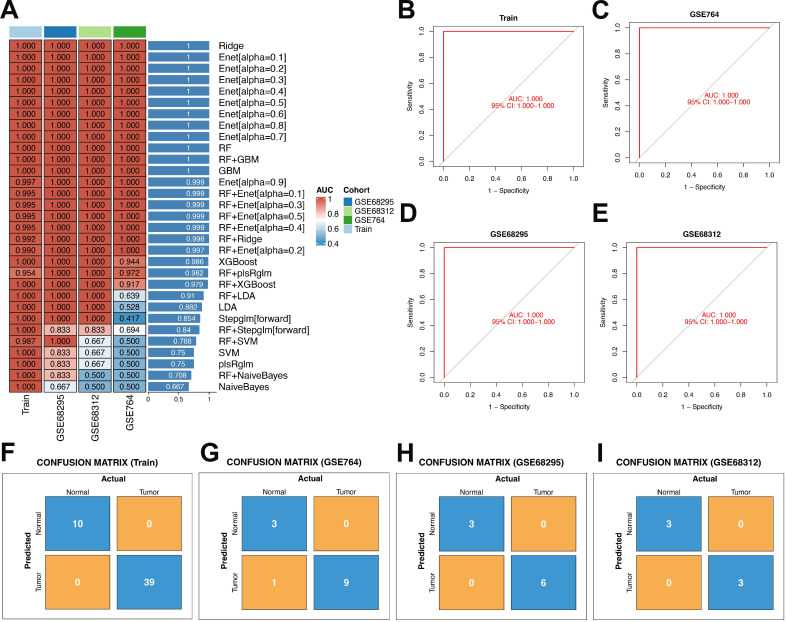 Figure 5
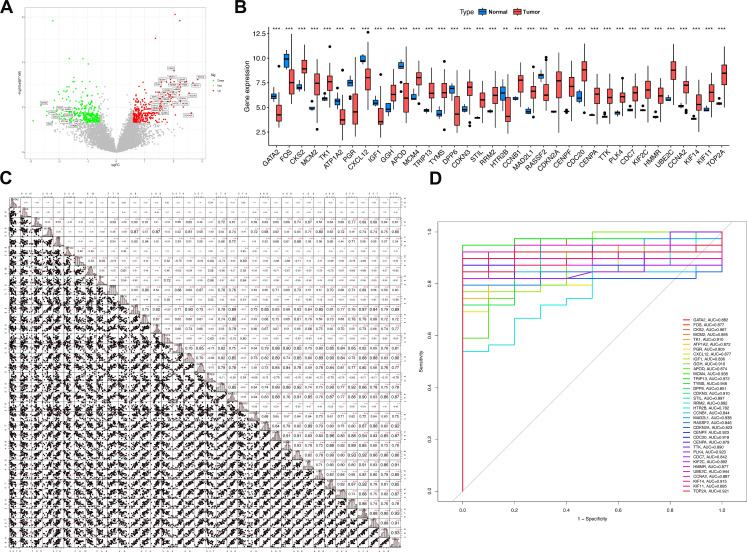 Figure 6
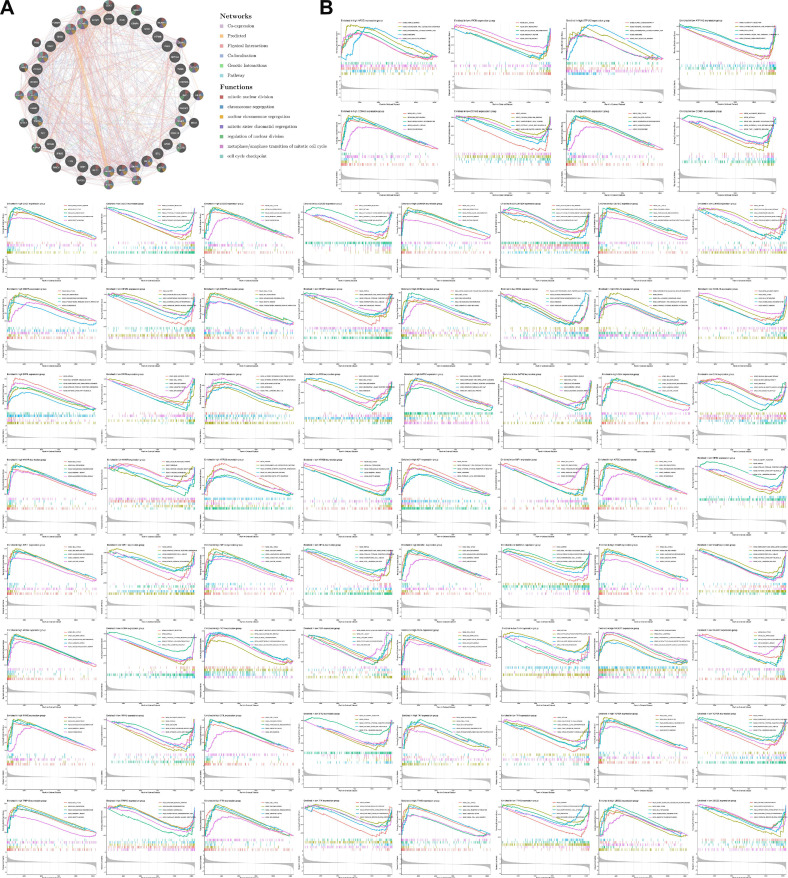 Figure 7
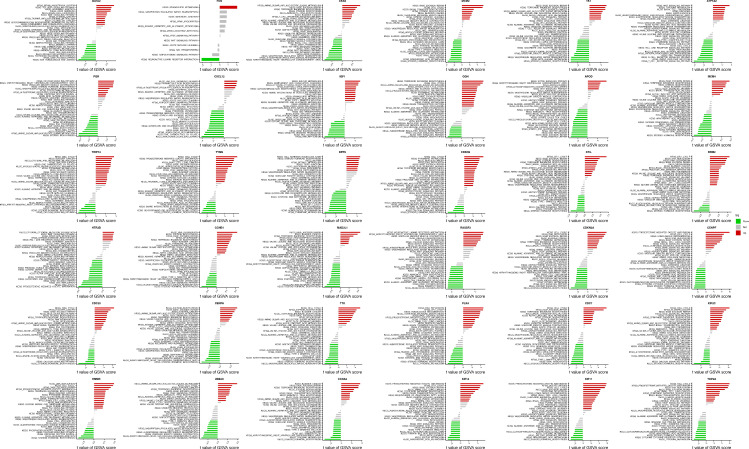 Figure 8
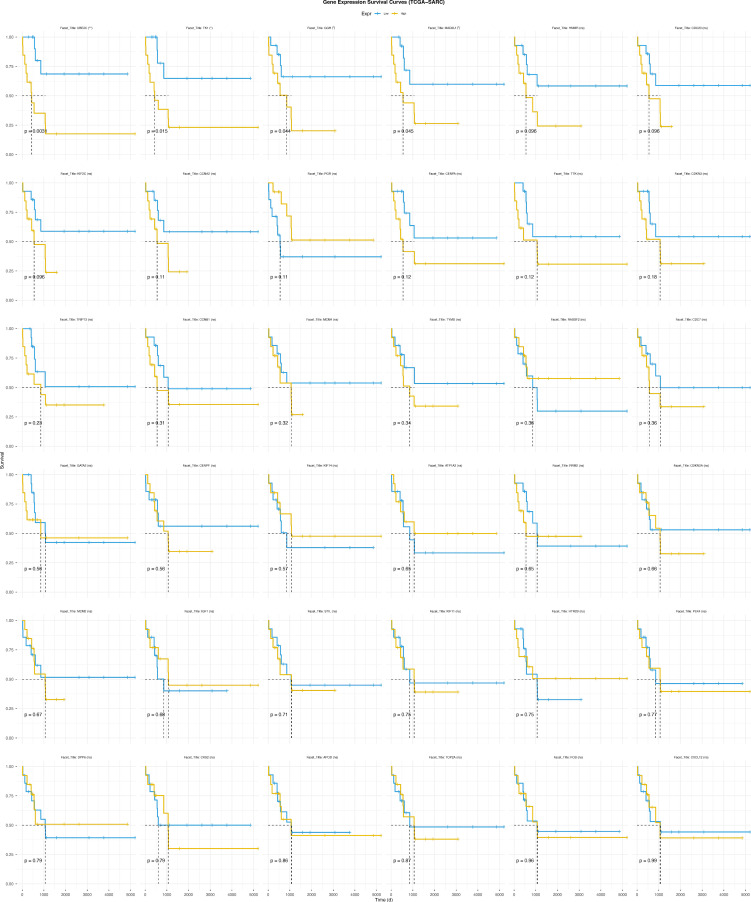 Figure 9
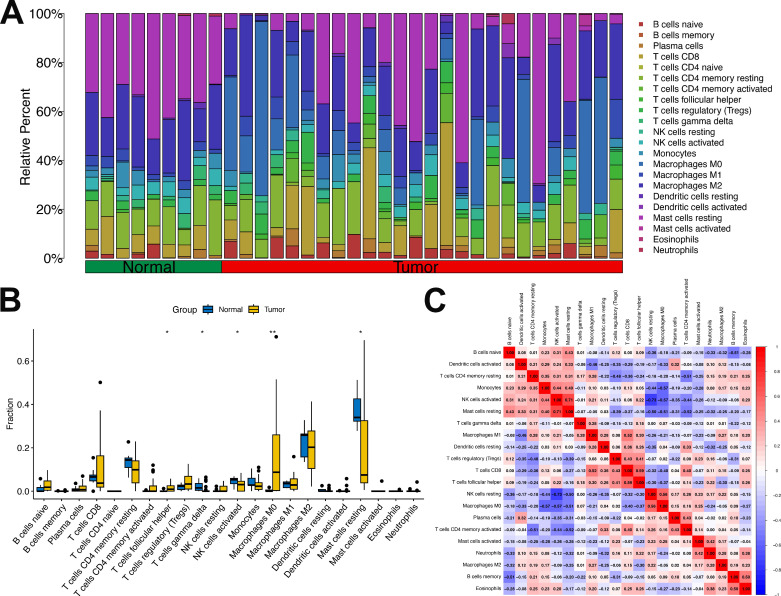 Figure 10
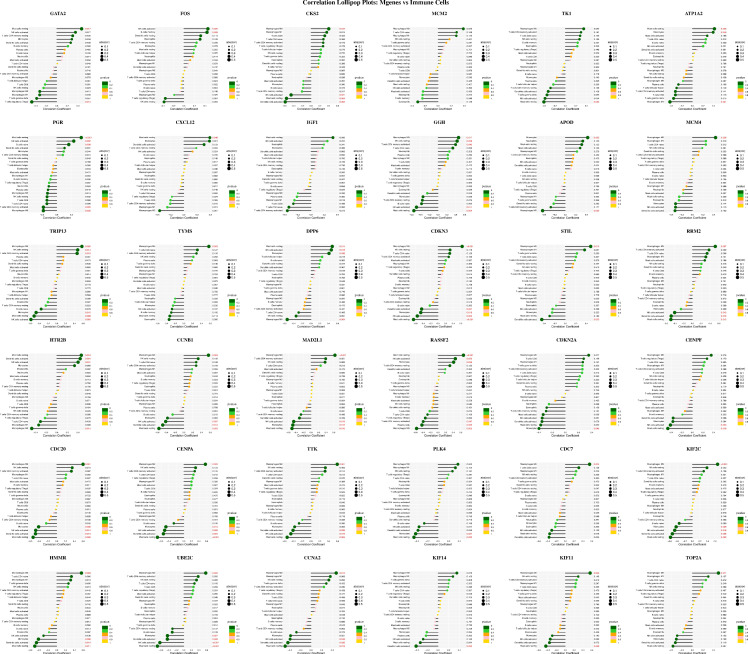 Figure 11
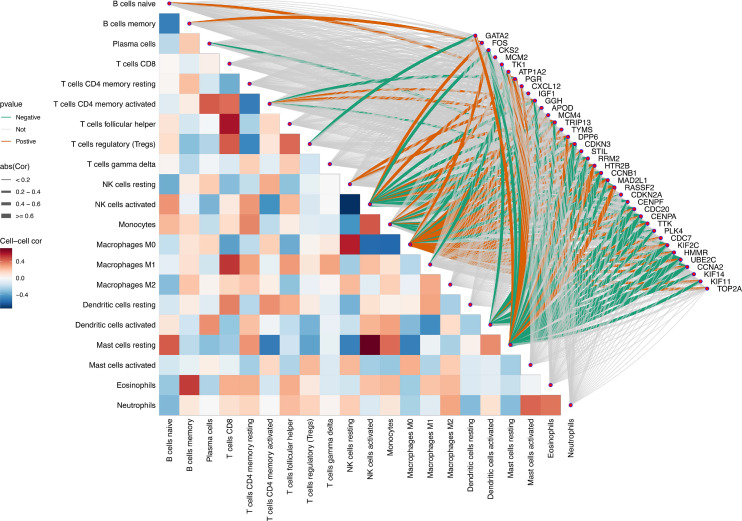 Figure 12
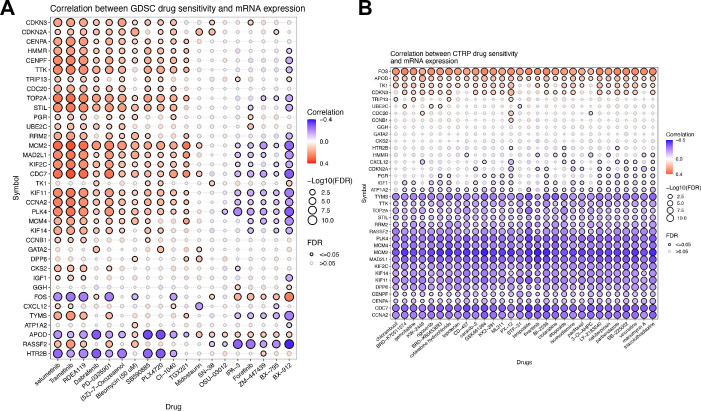 Figure 13
Peer Reviews
No public reviews on file for this paper yet. If you reviewed it on a platform where reviews are public (OpenReview, ICLR, NeurIPS, ICML), you can paste yours below so the community can read it here.
Videos
No videos yet. Explain this paper in a talk, walkthrough, or lecture? Add one.
Taxonomy
TopicsEndometrial and Cervical Cancer Treatments · Ferroptosis and cancer prognosis · Uterine Myomas and Treatments