Fecal Detection of Calprotectin Subunits Links Inflammatory Bowel Disease Activity With Chronicity of Intestinal Inflammation
Almina Jukic, Richard Hilbe, Luis Zundel, Peter Willeit, Klaus Faserl, Christina Plattner, Andreas Zollner, Moritz Meyer, Kerstin Siegmund, Victoria Klepsch, Valentin Marteau, Arnau Vich Vila, Julian Schwärzler, Kathrin Vouk, Anna Kozsar, Dietmar Rieder, Amos Weichberger

TL;DR
This study shows that detecting S100A9 dimers in stool can indicate IBD activity and suggests new ways to diagnose and treat intestinal inflammation.
Contribution
The study reveals the inflammatory roles of S100A8 and S100A9 homodimers in IBD, beyond the known calprotectin complex.
Findings
Fecal S100A9 dimers correlate with IBD disease activity when calprotectin levels are low.
S100A8 and S100A9 homodimers worsen intestinal inflammation in mouse models.
Pharmacologic inhibition of S100A9 reduces chronic colitis in mice.
Abstract
Quantification of the human S100A8/S100A9 tetrameric protein complex in stool, referred to as fecal calprotectin, is an extensively validated biomarker supporting the diagnosis and management of gastrointestinal diseases. Here, we studied the quaternary protein structures (termed configuration) of S100A8 and S100A9 and their biological function in inflammatory bowel diseases (IBD). We dissected fecal S100A8 and S100A9 configurations in patients with IBD by size-exclusion chromatography coupled with tandem mass spectrometry and systematically defined human S100A8 and S100A9 homodimer functions compared with the calprotectin heterotetramer (CP) in the intestine of mice and in human epithelium and T cells. Moreover, we report a protein interaction network of fecal S100A8 and S100A9 in IBD. Stool from patients with active IBD contained abundant S100A8 and S100A9 dimers besides CP. Fecal…
Genes, proteins, chemicals, diseases, species, mutations and cell lines named across the full text — each resolved to its canonical identifier and authoritative record.
Click any figure to enlarge with its caption.
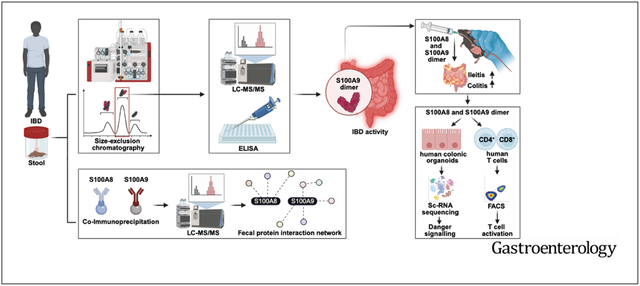 Figure 1
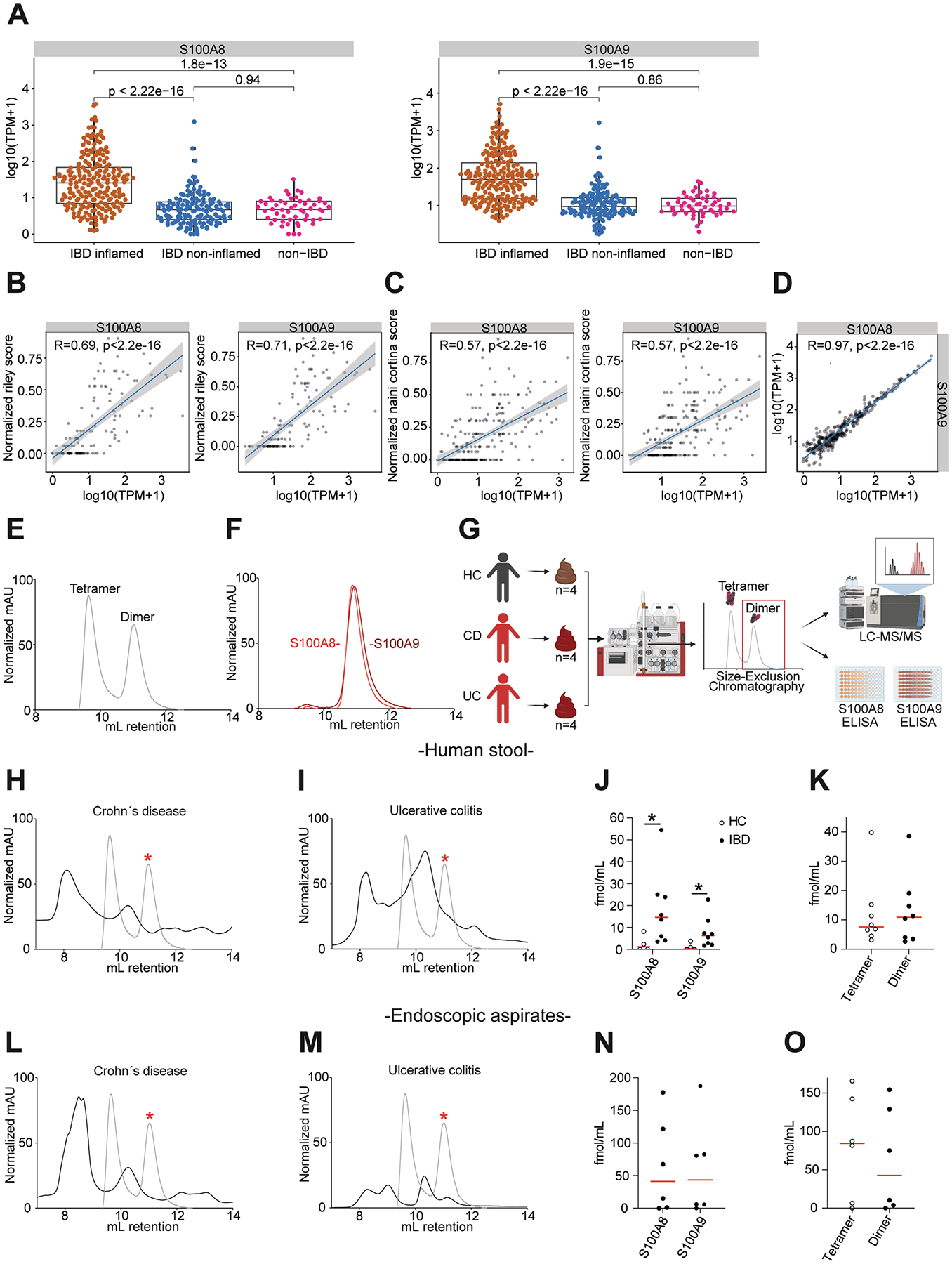 Figure 2
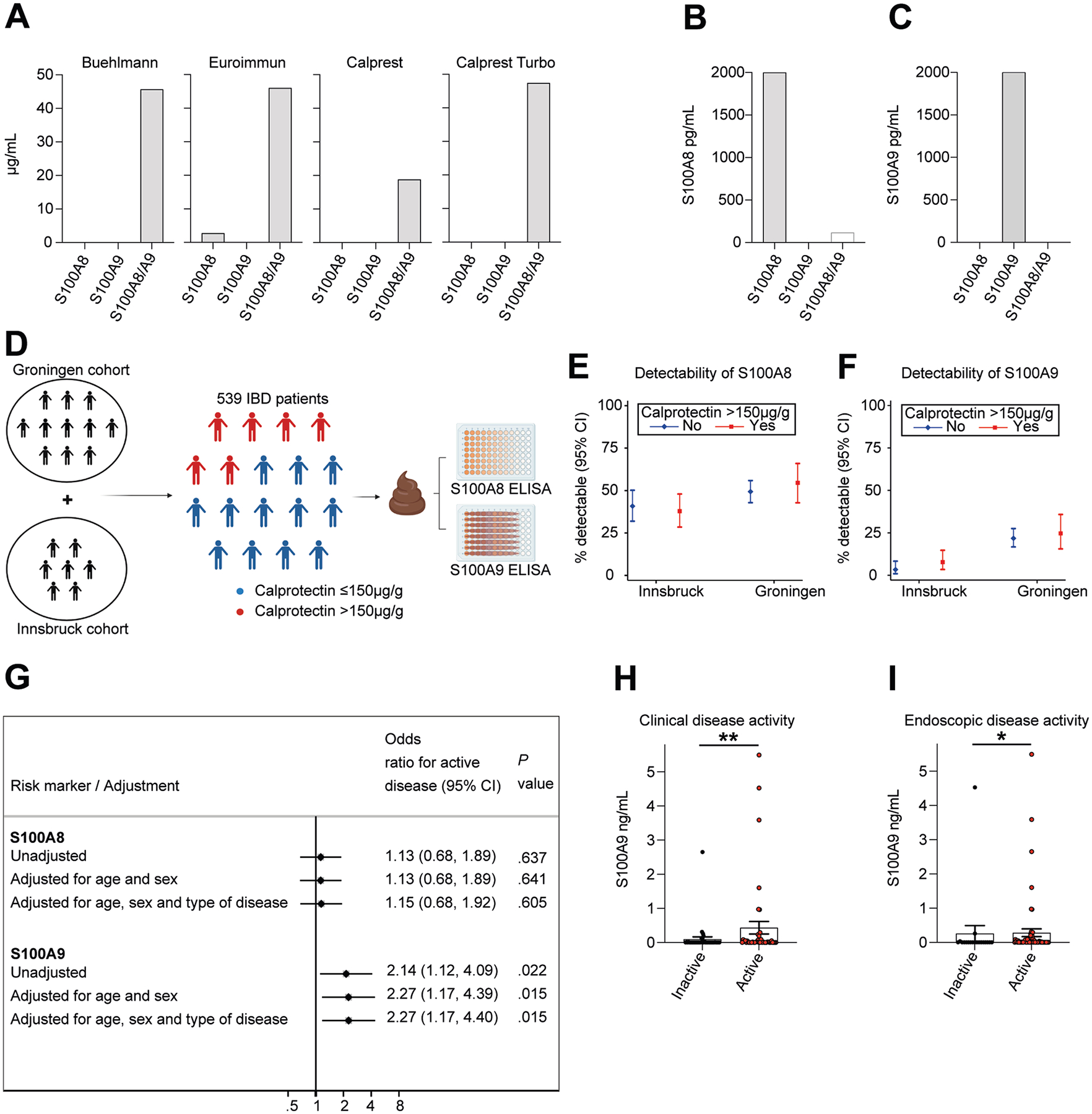 Figure 3
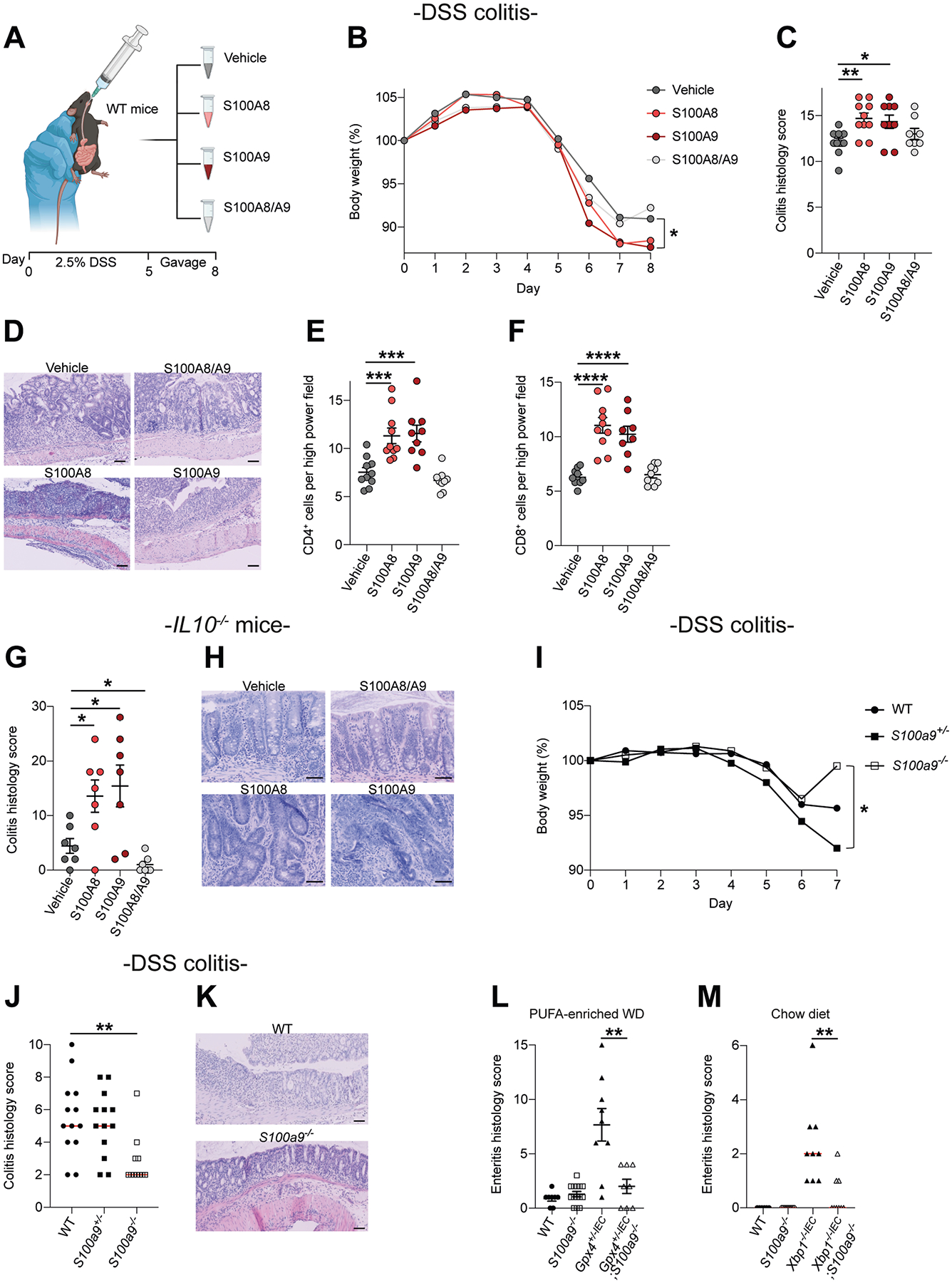 Figure 4
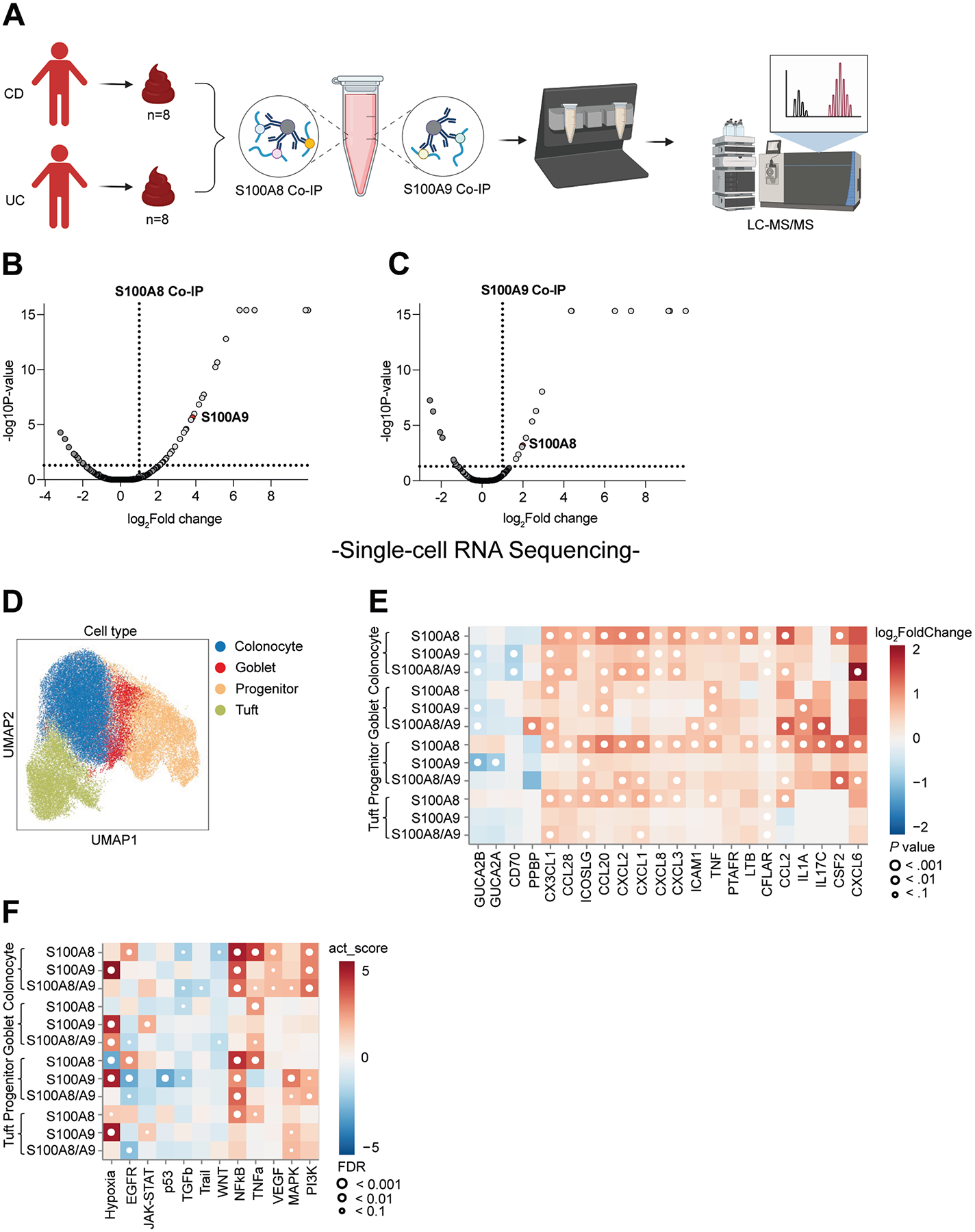 Figure 5
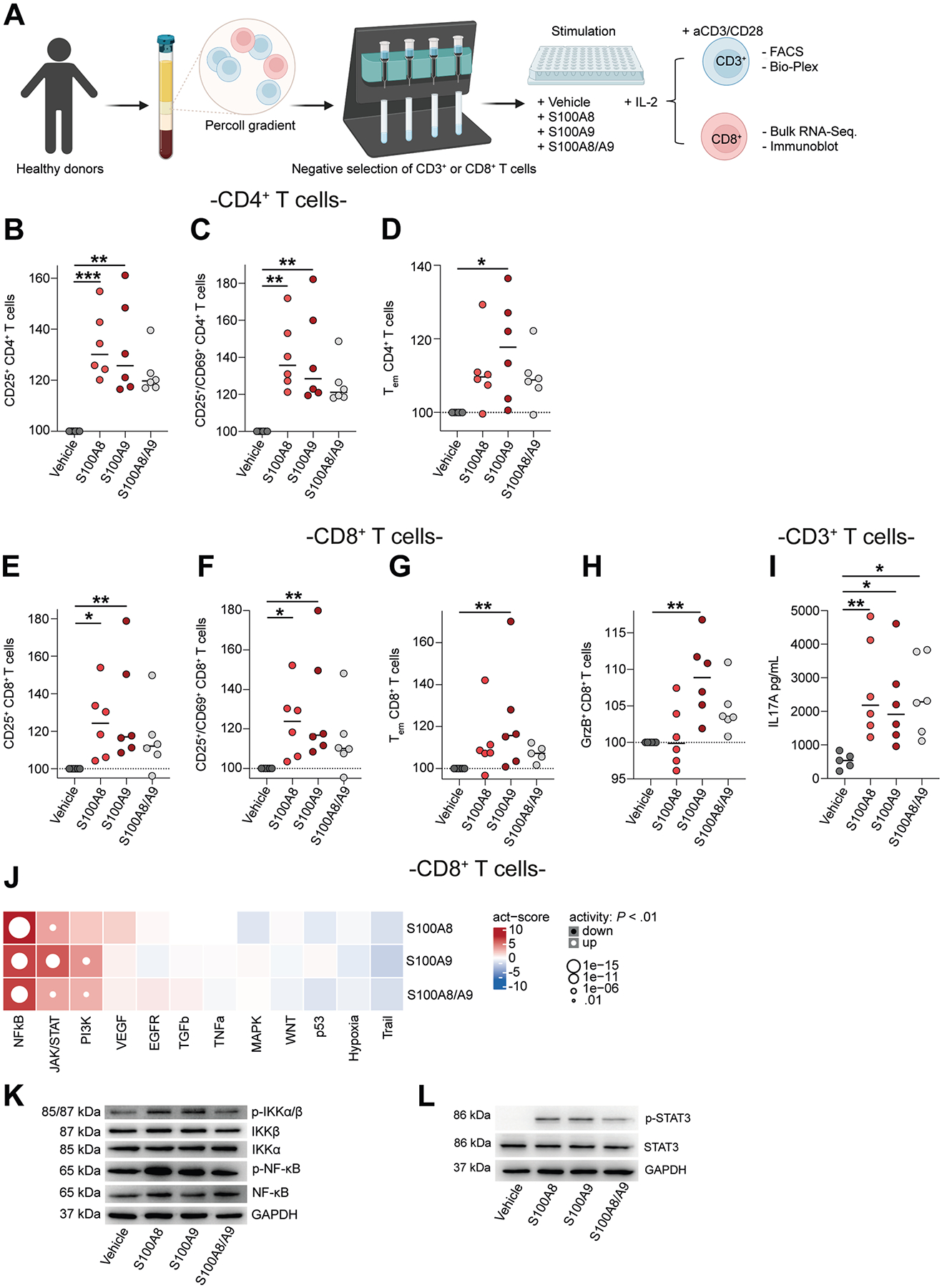 Figure 6
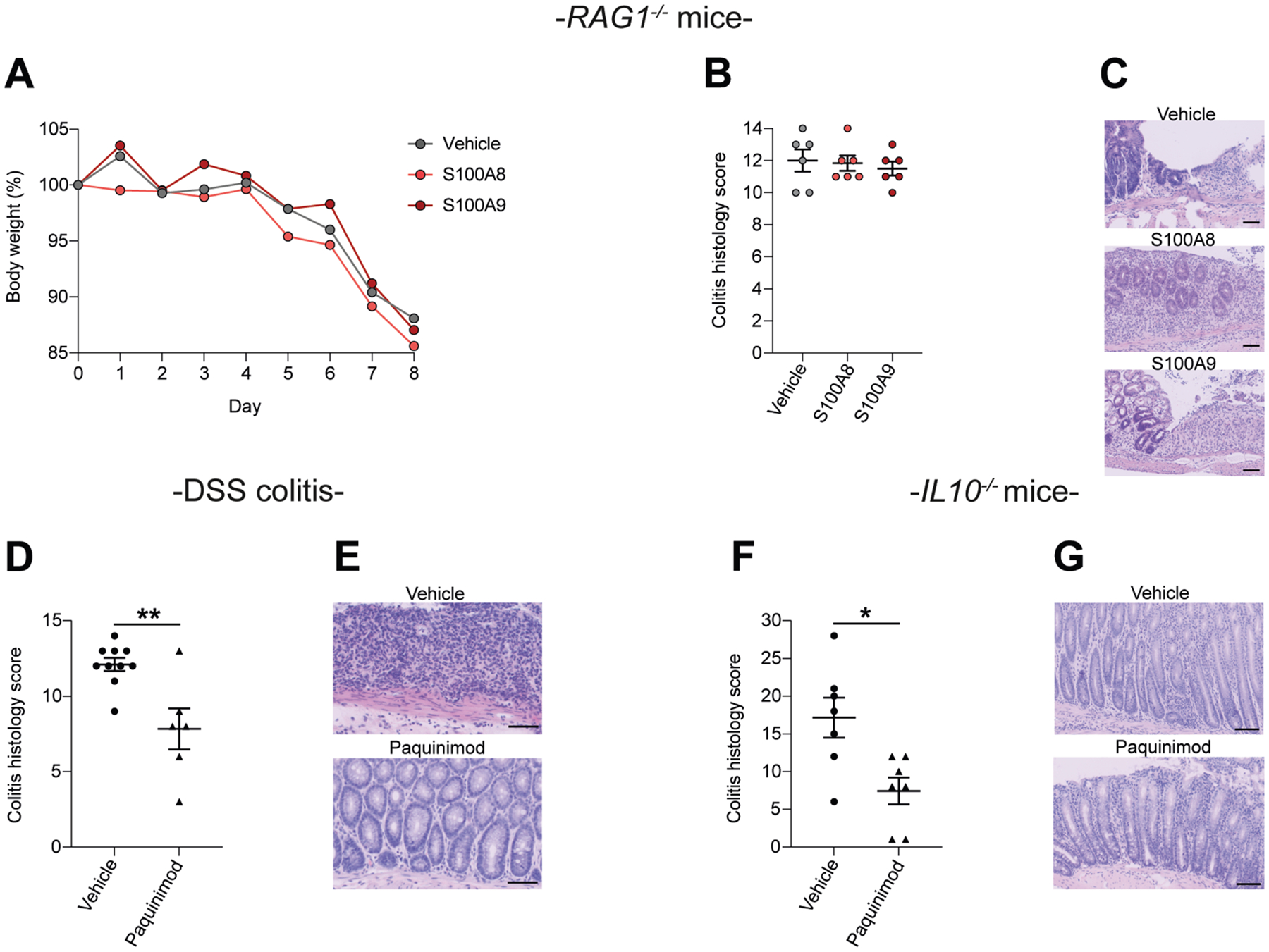 Figure 7
Peer Reviews
No public reviews on file for this paper yet. If you reviewed it on a platform where reviews are public (OpenReview, ICLR, NeurIPS, ICML), you can paste yours below so the community can read it here.
Videos
No videos yet. Explain this paper in a talk, walkthrough, or lecture? Add one.
Taxonomy
TopicsS100 Proteins and Annexins · Inflammatory Bowel Disease · Immune cells in cancer