On the Utility of Infrared Photoactivation for Native Top-Down and Complex-Down Orbitrap Mass Spectrometry of Soluble Proteoform Complexes
Cynthia Nagy, Linda B. Lieu, Christopher Mullen, Graeme C. McAlister, Rafael D. Melani, Joshua D. Hinkle, Luca Fornelli

TL;DR
This paper explores how infrared activation improves mass spectrometry analysis of protein complexes, enhancing the ability to sequence large proteoform subunits.
Contribution
The study introduces infrared activation as a new and complementary method for improving proteoform sequencing in native and complex-down mass spectrometry.
Findings
Infrared activation (IRMPD) and AI-ETD provided comparable or better sequence coverage than HCD for proteoform subunits.
For larger subunits like pyruvate kinase, AI-ETD outperformed HCD and IRMPD by approximately 15% in sequence coverage.
Combining IR activation with electron-based methods enhanced overall sequence coverage and proteoform characterization.
Abstract
Cellular functions arise from the coordinated action of proteoforms, which typically form multiproteoform complexes (MPCs), rather than functioning as isolated molecular entities. Deciphering the architecture and composition of MPCs is essential for linking proteoform diversity to biological function. Native top-down (nTD MS) and complex-down mass spectrometry (CxD MS) have emerged as powerful strategies to characterize MPCs, offering intact mass analysis as well as gas-phase sequencing either at the level of the complete assembly or its constituent proteoform subunits. Because the attainable sequence coverage is highly influenced by the ion activation technique, expanding activation strategies is key to improving proteoform characterization. To this end, we implemented infrared (IR) activation for the analysis of soluble MPCsalcohol dehydrogenase (ADH; 147 kDa tetramer), enolase (96…
Genes, proteins, chemicals, diseases, species, mutations and cell lines named across the full text — each resolved to its canonical identifier and authoritative record.
Click any figure to enlarge with its caption.
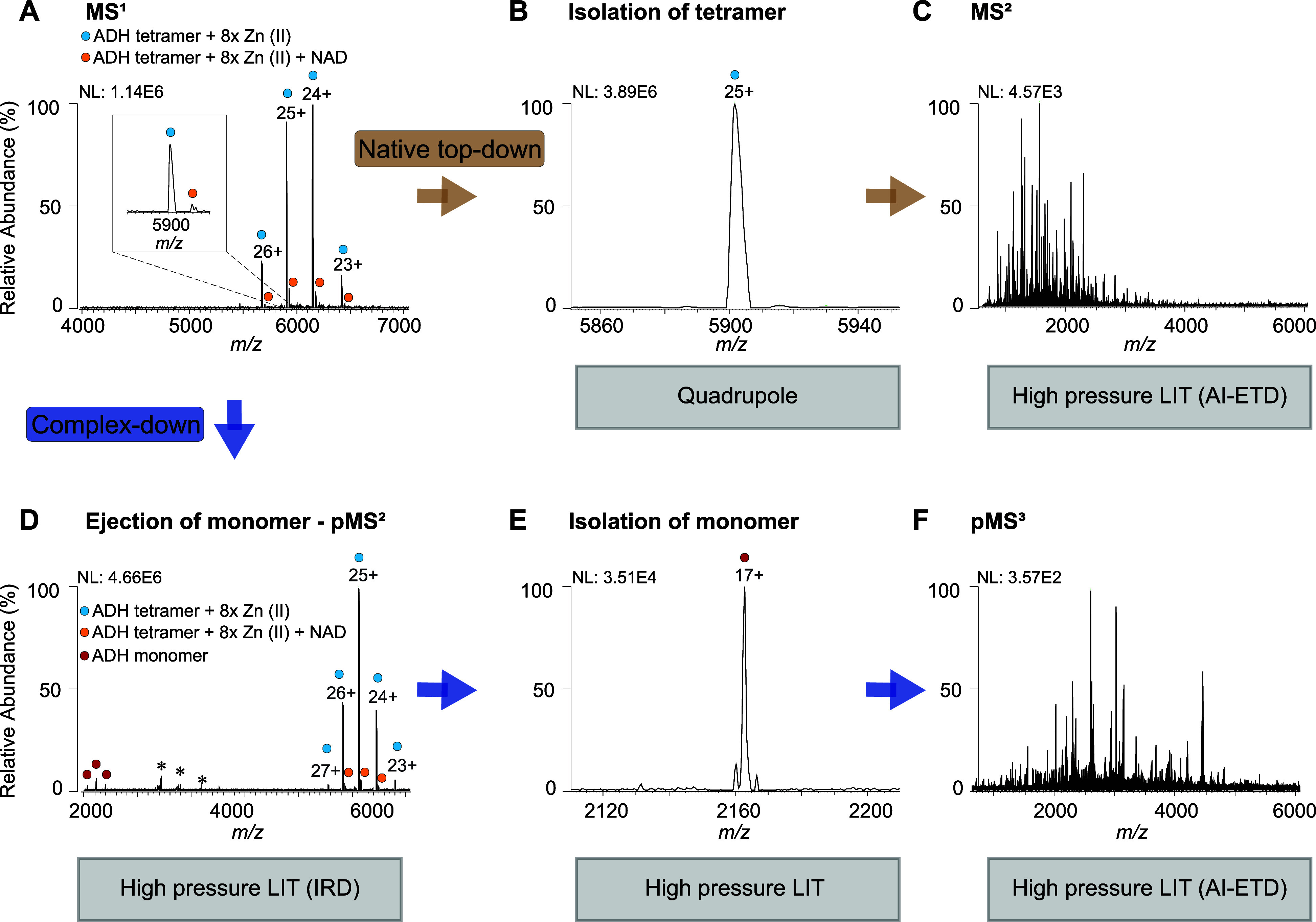 Figure 1
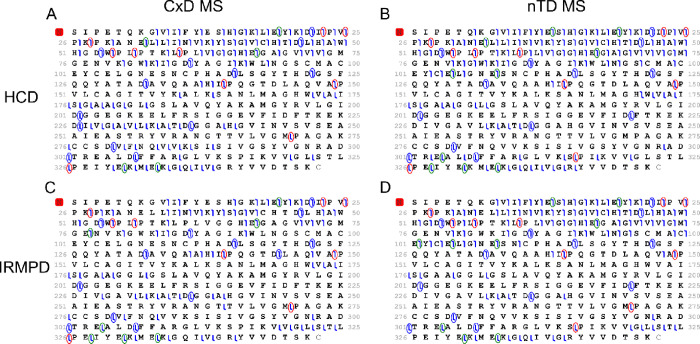 Figure 2
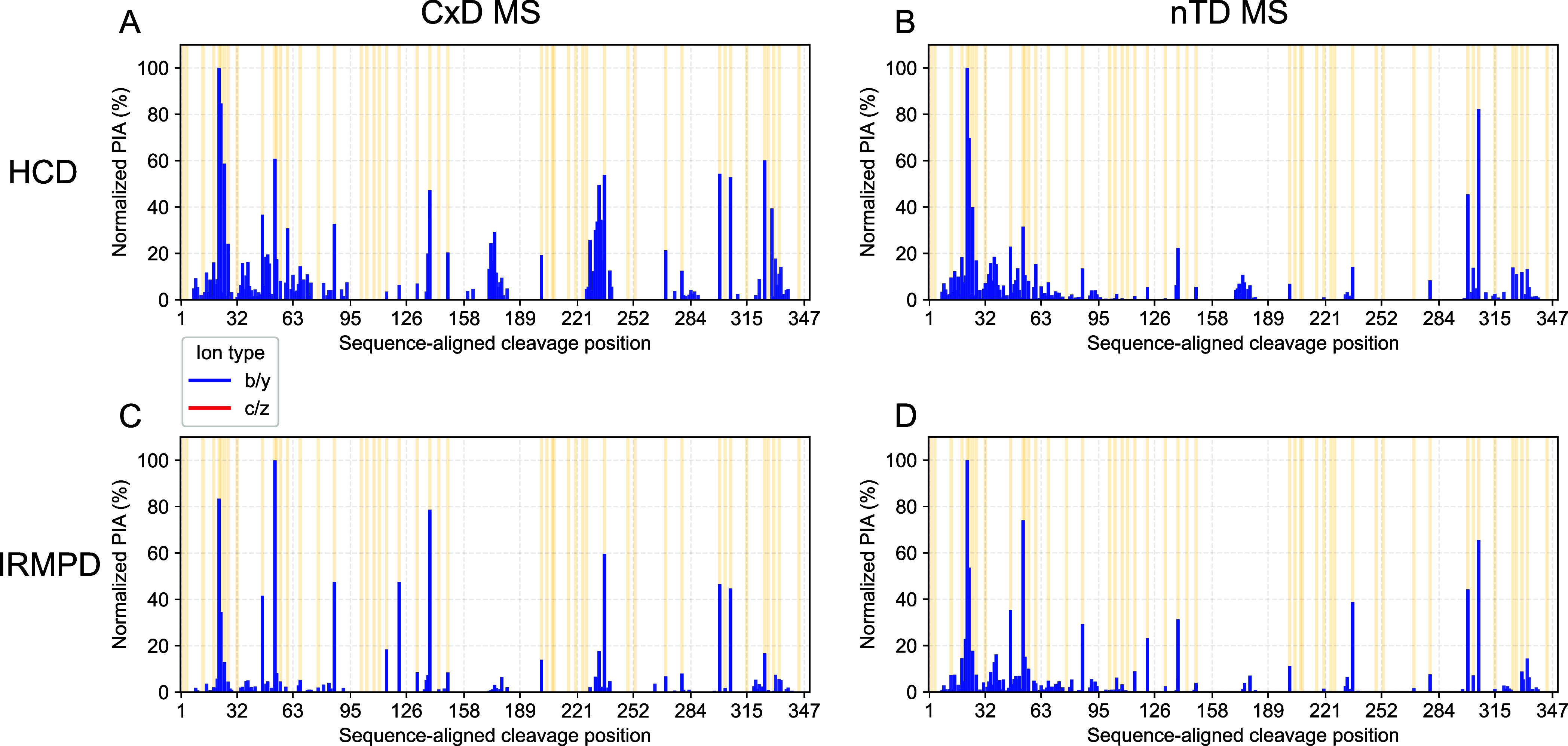 Figure 3
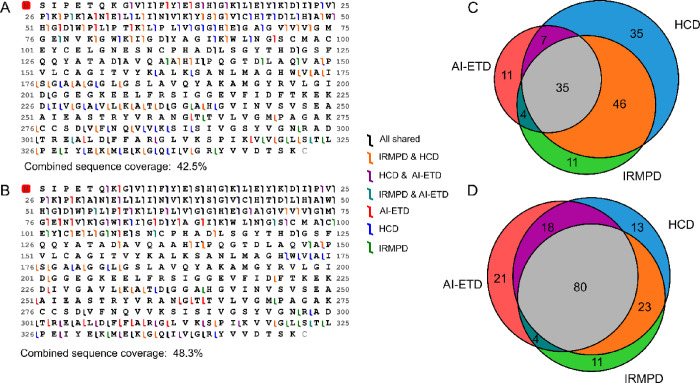 Figure 4
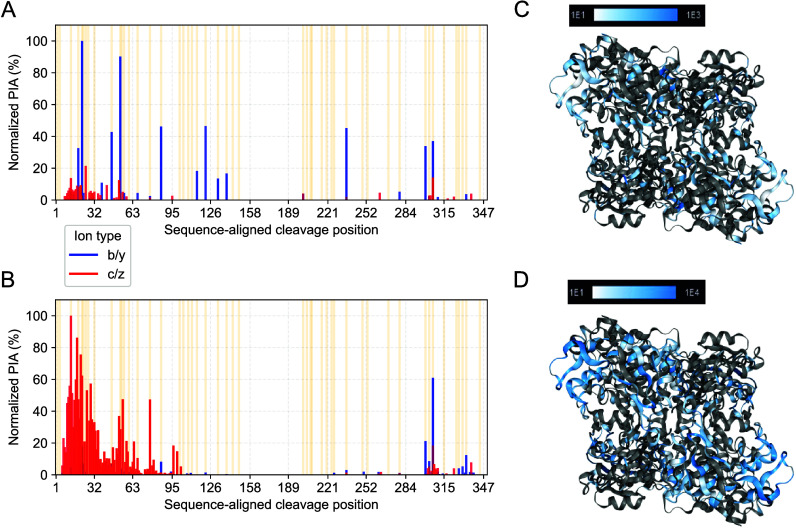 Figure 5
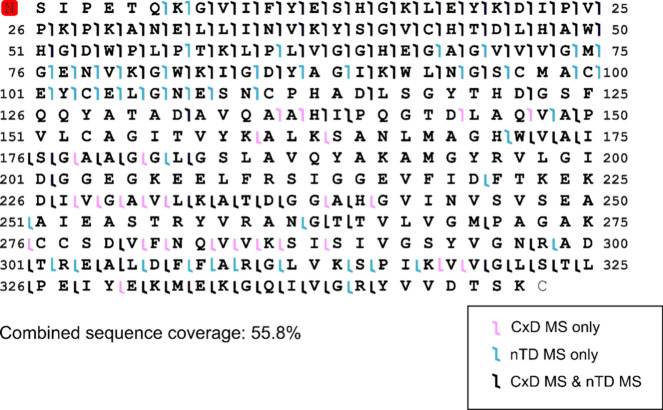 Figure 6
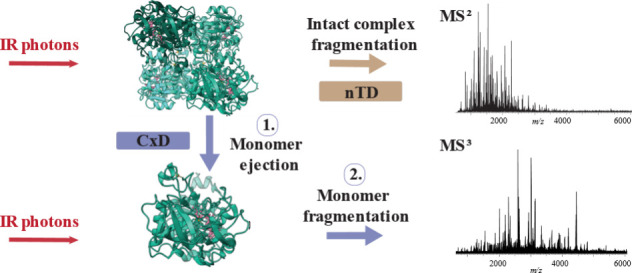 Figure 7
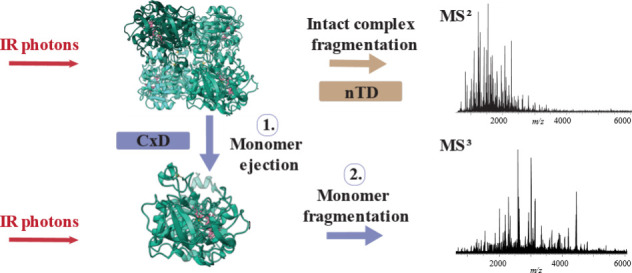 Figure 8
Peer Reviews
No public reviews on file for this paper yet. If you reviewed it on a platform where reviews are public (OpenReview, ICLR, NeurIPS, ICML), you can paste yours below so the community can read it here.
Videos
No videos yet. Explain this paper in a talk, walkthrough, or lecture? Add one.
Taxonomy
TopicsMass Spectrometry Techniques and Applications · Advanced Proteomics Techniques and Applications · Enzyme Structure and Function