Revealing the Mechanism of TEMPO-Hypervalent Iodine(III) Oxidation of Alcohols
Michael Bingham, Tapas R. Pradhan, Dhananjay Bhattacherjee, Rawiyah Alkahtani, Paul Kavanagh, Thomas Wirth, Paul Dingwall

TL;DR
This paper investigates how alcohols are oxidized to carbonyl compounds using TEMPO and a hypervalent iodine reagent, revealing a new dual catalytic mechanism.
Contribution
The study proposes a revised dual catalytic mechanism involving hypervalent iodine and water, supported by experimental and computational evidence.
Findings
A dual catalytic system involving alcohol, hypervalent iodine, and water is proposed.
TEMPO is involved both before and after the rate-determining step.
An iodine(V) species is likely formed during the oxidation process.
Abstract
Experimental and computational studies on the mechanism of a well-known procedure for the oxidation of alcohols to carbonyl compounds using TEMPO and the hypervalent iodine(III) reagent (diacetoxyiodo)benzene (PIDA) are reported. Kinetic data show that the assumed classical oxoammonium–hydroxylamine mechanism requires modification due to zero-order behavior observed in TEMPO. Instead, a dual catalytic system is proposed featuring two rate-determining steps involving a combination of alcohol, hypervalent iodine species, and water, which is typically present in adventitious quantities and is necessary for the reaction to proceed. The use of different alcohols implies the mechanism to be general. Intramolecular radical trap probes rule out a radical mechanism, while an investigation of TEMPO derivatives suggests that TEMPO is involved prior to the rate-determining step. Kinetic isotope…
Genes, proteins, chemicals, diseases, species, mutations and cell lines named across the full text — each resolved to its canonical identifier and authoritative record.
Click any figure to enlarge with its caption.
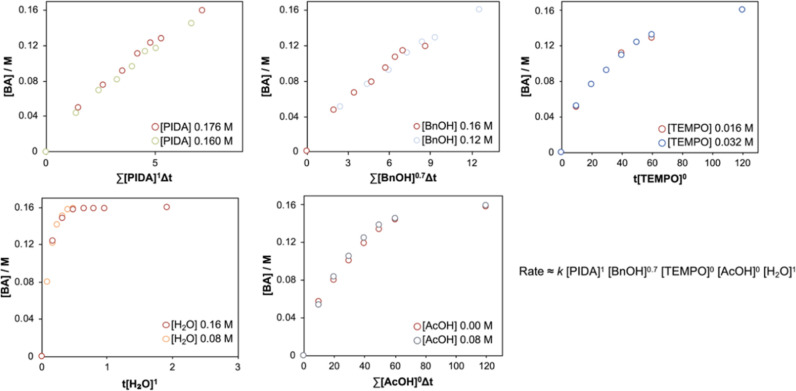 Figure 1
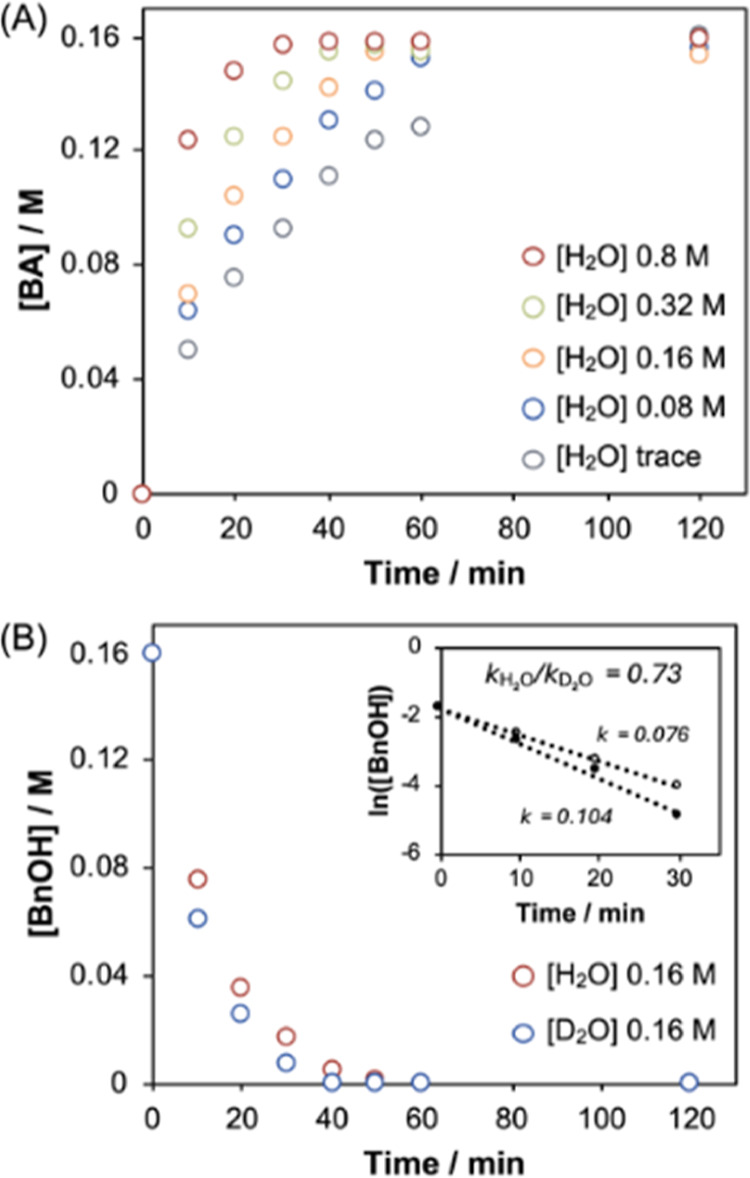 Figure 2
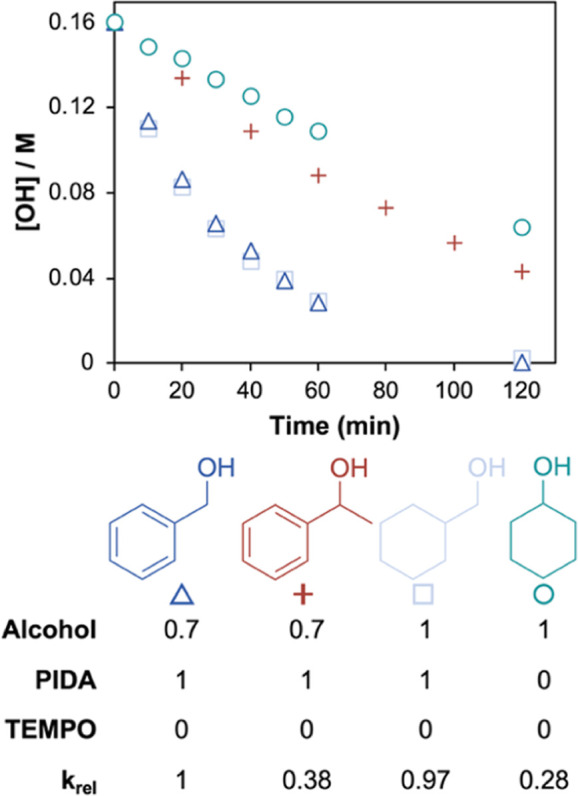 Figure 3
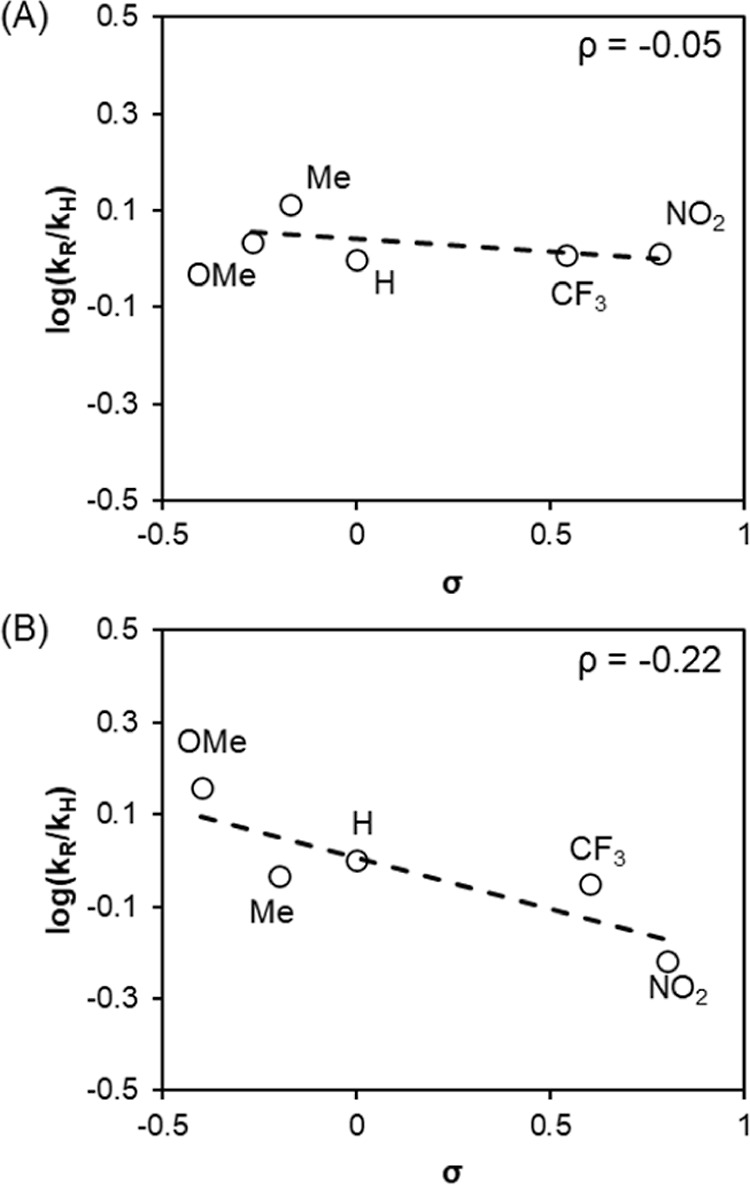 Figure 4
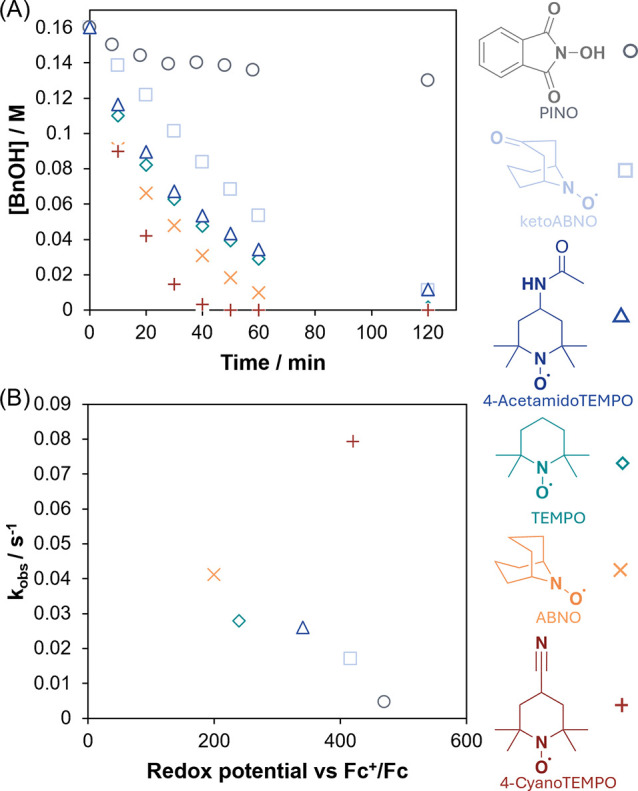 Figure 5
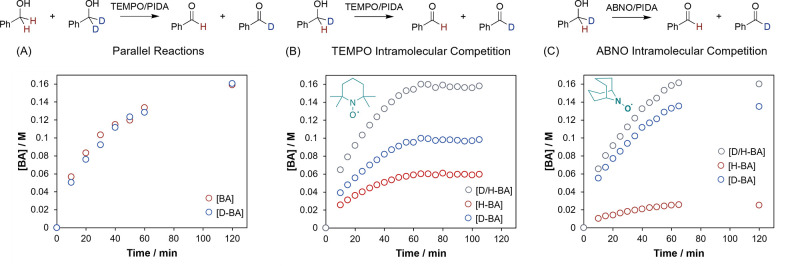 Figure 6
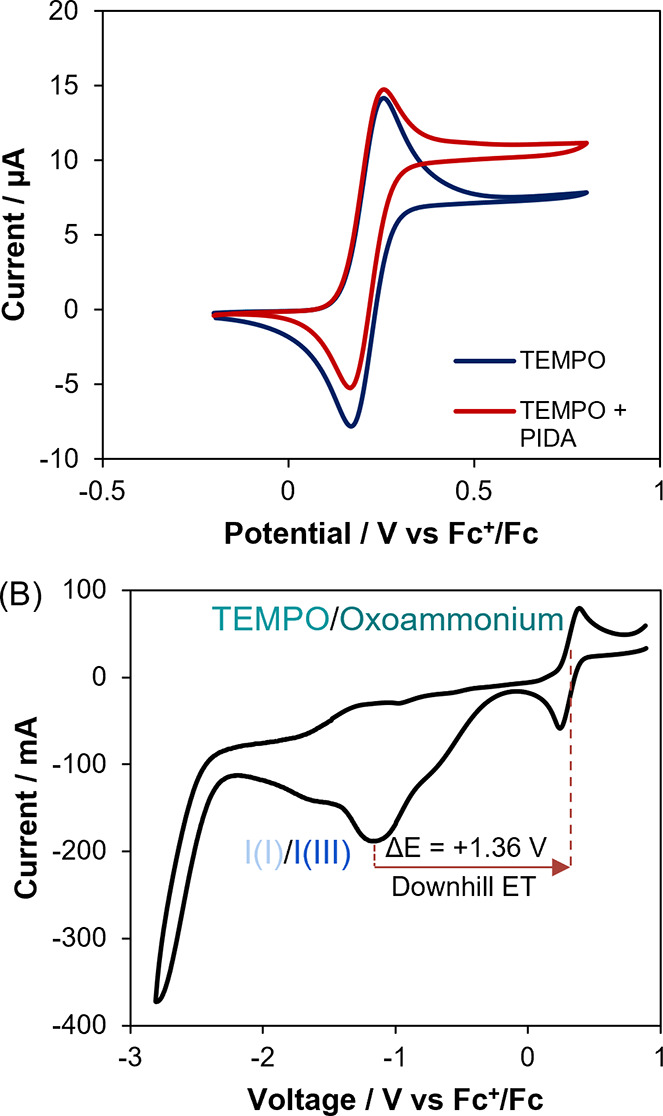 Figure 7
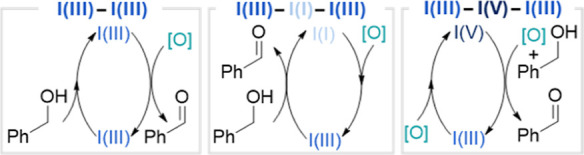 Figure 8
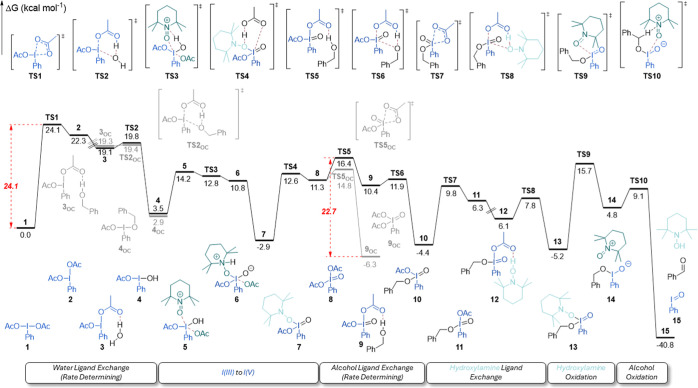 Figure 9
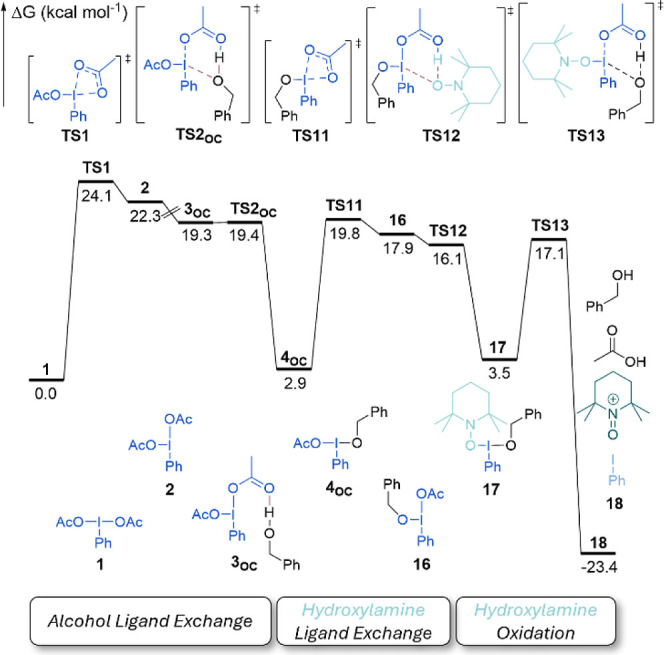 Figure 10
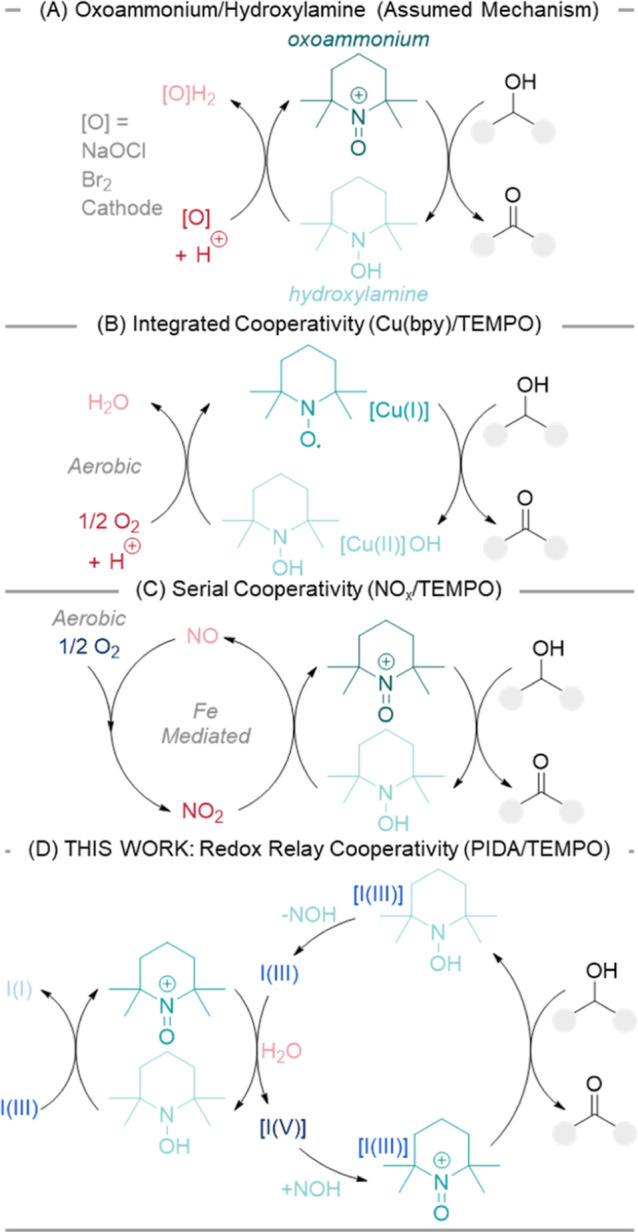 Figure 11
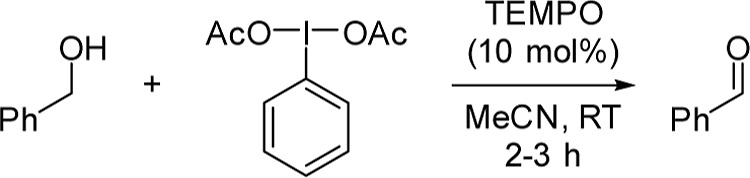 Figure 12
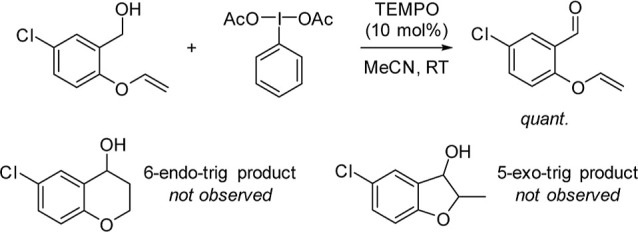 Figure 13
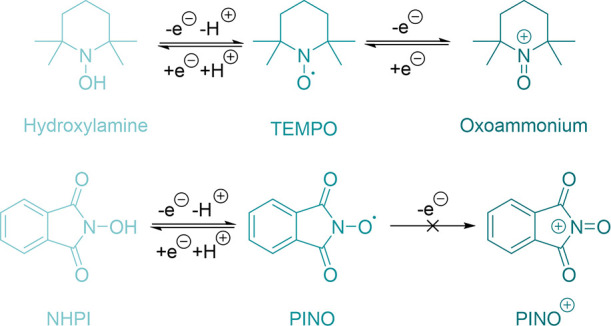 Figure 14
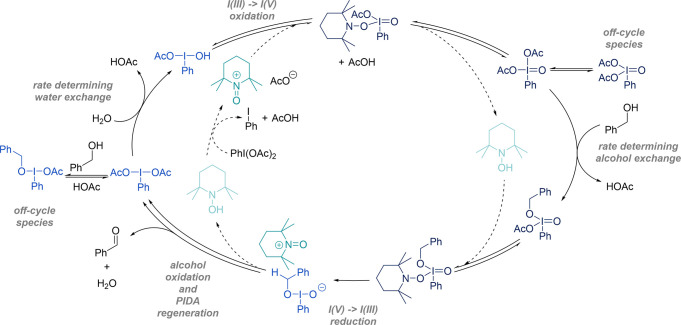 Figure 15
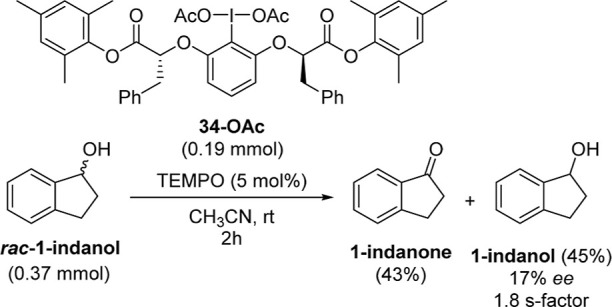 Figure 16
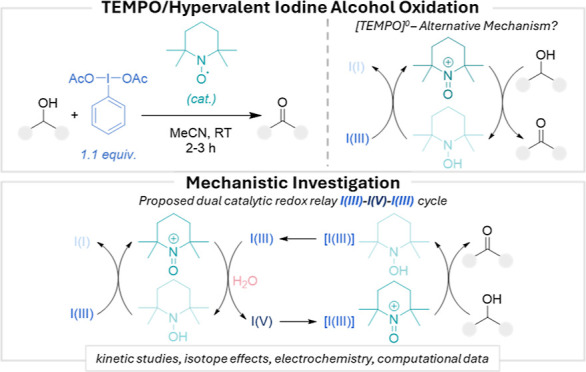 Figure 17
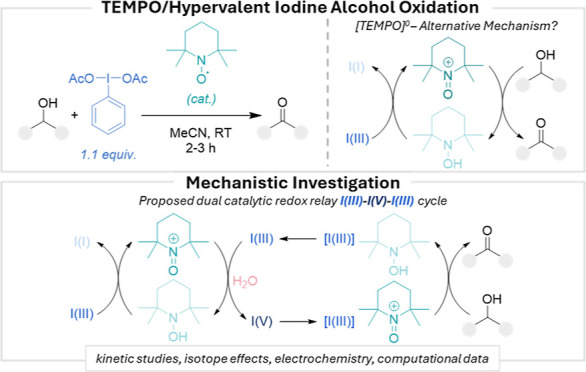 Figure 18
 Figure 19
Peer Reviews
No public reviews on file for this paper yet. If you reviewed it on a platform where reviews are public (OpenReview, ICLR, NeurIPS, ICML), you can paste yours below so the community can read it here.
Videos
No videos yet. Explain this paper in a talk, walkthrough, or lecture? Add one.
Taxonomy
TopicsOxidative Organic Chemistry Reactions · Catalytic C–H Functionalization Methods · Radical Photochemical Reactions