Clinical, manometric, genetic, and histologic associations in pediatric intestinal pseudo‐obstruction: A case series
Sharon Wolfson, Myra Butrviengpunt, Naomi Tjaden, Alain J. Benitez, Archana S. Kota, Jennifer Webster, Prasanna Kapavarapu, Hayat Mousa, Robert O. Heuckeroth

TL;DR
This study examines the clinical and genetic features of pediatric intestinal pseudo-obstruction, finding that ACTG2 mutations are linked to myopathic cases and highlighting the genetic diversity in neuropathic cases.
Contribution
The study identifies ACTG2 mutations as a key genetic cause of myopathic PIPO and reveals greater genetic variability in neuropathic PIPO.
Findings
ACTG2 mutations were found in all myopathic PIPO cases, linking them to a specific genetic cause.
Neuropathic PIPO showed more genetic variability with fewer known disease-causing variants.
Surgical interventions were more common in myopathic PIPO compared to other subtypes.
Abstract
Pediatric intestinal pseudo‐obstruction (PIPO) is a severe bowel motility disorder characterized by impaired propulsion of gastrointestinal contents without mechanical obstruction. PIPO encompasses congenital and acquired disorders, including neuropathies, myopathies, and mesenchymopathies. PIPO presents with abdominal distension, bilious vomiting, and severe constipation. Diagnosis is based on objective measures of neuromuscular dysfunction, dilated bowel on imaging, parenteral and/or enteral nutrition dependence, and genetic or metabolic testing. Antroduodenal manometry permits objective assessment of proximal bowel neuromuscular function. Genetic testing is increasingly valuable although causes of PIPO often remain incompletely defined. Understanding genotype‐phenotype correlations is essential for clarifying disease mechanisms and guiding therapies. This study aimed to characterize…
Genes, proteins, chemicals, diseases, species, mutations and cell lines named across the full text — each resolved to its canonical identifier and authoritative record.
Click any figure to enlarge with its caption.
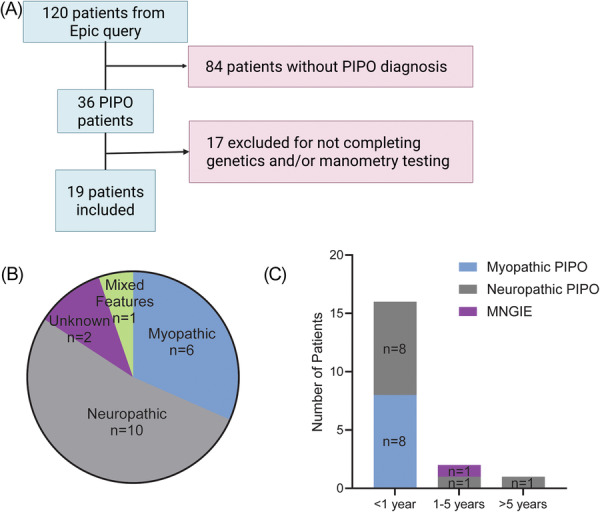 Figure 1
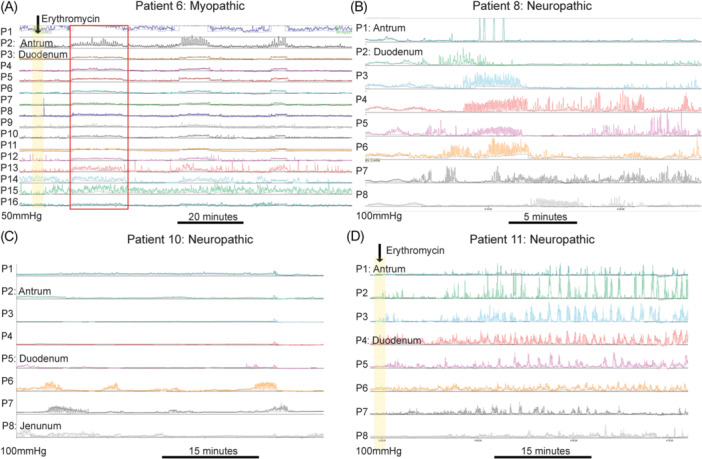 Figure 2
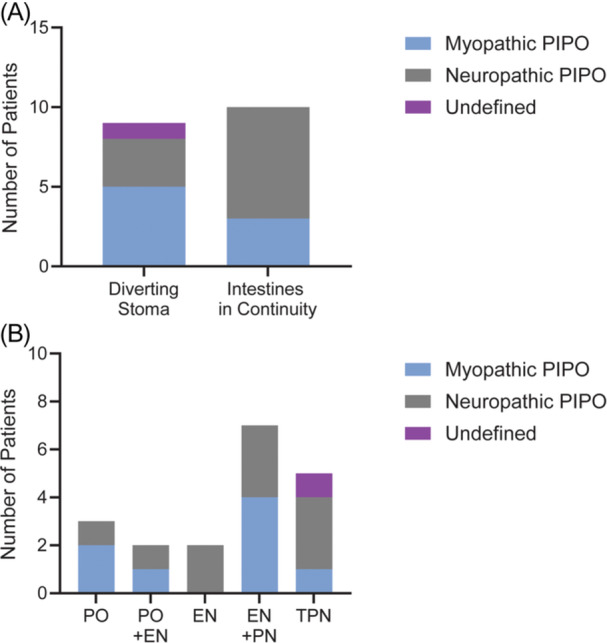 Figure 3
Peer Reviews
No public reviews on file for this paper yet. If you reviewed it on a platform where reviews are public (OpenReview, ICLR, NeurIPS, ICML), you can paste yours below so the community can read it here.
Videos
No videos yet. Explain this paper in a talk, walkthrough, or lecture? Add one.
Taxonomy
TopicsIntestinal and Peritoneal Adhesions · Intestinal Malrotation and Obstruction Disorders · Gastrointestinal motility and disorders