Advanced Parkinson’s disease treatment patterns in Italy: results from a multicenter observational study
Fabrizio Stocchi, Paolo Barone, Roberto Ceravolo, Maria Francesca De Pandis, Leonardo Lopiano, Nicola Modugno, Alessandro Padovani, Manuela Pilleri, Alessandro Tessitore, Mario Zappia

TL;DR
This study examines how Italian doctors manage treatment fluctuations in advanced Parkinson's disease patients, showing that regular adjustments with oral medications can maintain quality of life.
Contribution
The study provides new insights into real-world treatment patterns for managing fluctuations in advanced Parkinson's disease in Italy.
Findings
Use of dopamine agonists decreased over three years, while new-generation drugs like safinamide and opicapone increased.
Regular follow-ups and therapy adjustments helped maintain stable disease progression and quality of life in advanced PD patients.
Non-invasive treatments and individualized strategies were key in managing fluctuations in long-standing PD.
Abstract
Substitution therapy with oral levodopa is the primary treatment of Parkinson’s disease (PD). However, long-term levodopa use is associated with fluctuations in response and dyskinesia. These complications severely affect the patient quality of life. Fluctuation management in long-standing PD is poorly documented. The Parkinson’s Disease Fluctuations treatment Pathway (PD-FPA) study was an Italian multicenter, observational study designed to describe how fluctuations are treated in patients with advanced disease. Between July 2018 and December 2020, ten centres enrolled consecutive patients aged ≥18 years who had been diagnosed with PD 10–15 years before enrollment and had been experiencing fluctuations for at least 2 years before enrollment. Data on patient characteristics, PD stage, fluctuations, and treatments were collected at enrollment (T0) and prospectively at 6 months (T1) and…
Genes, proteins, chemicals, diseases, species, mutations and cell lines named across the full text — each resolved to its canonical identifier and authoritative record.
Click any figure to enlarge with its caption.
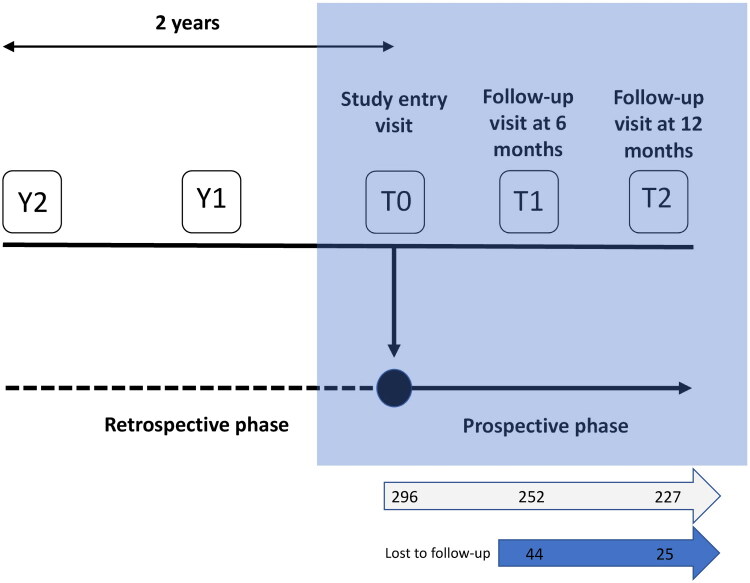 Figure 1
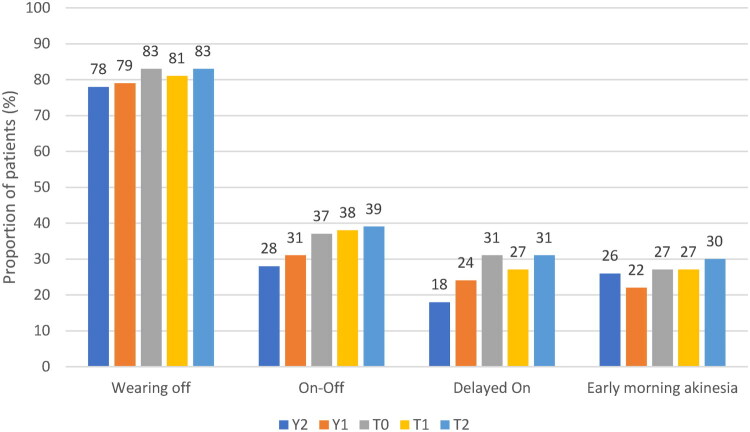 Figure 2
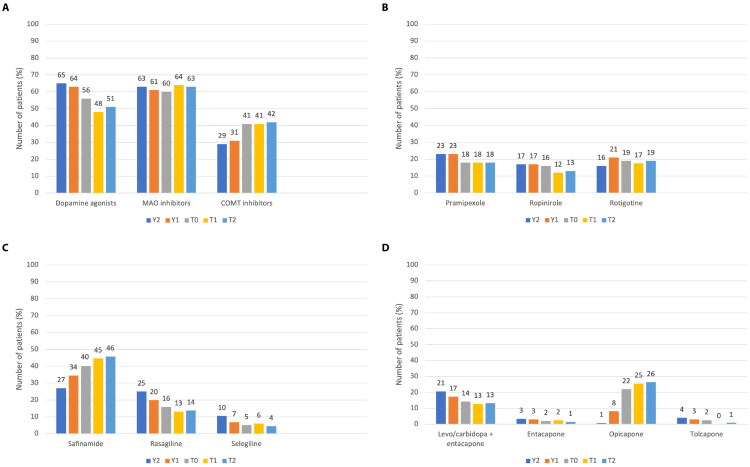 Figure 3
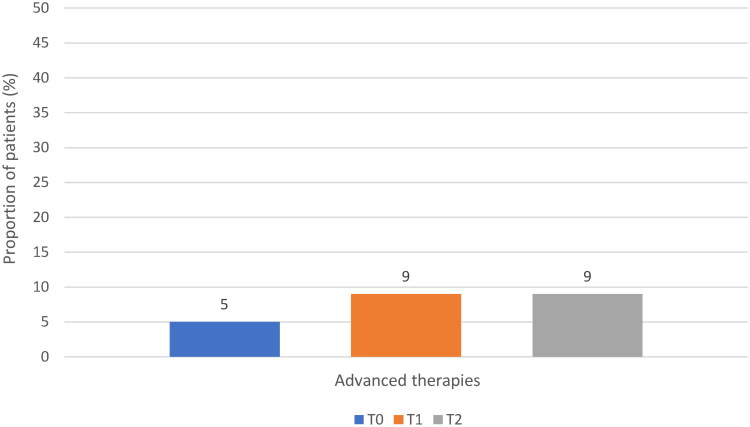 Figure 4
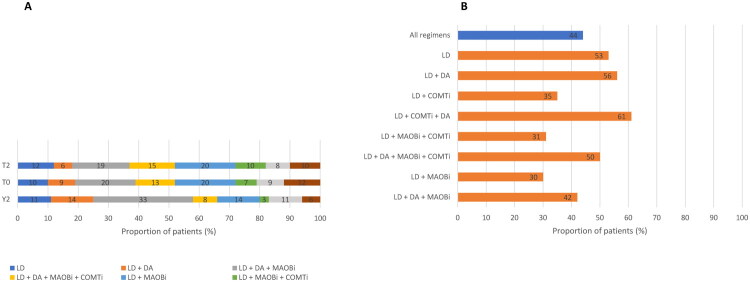 Figure 5
Peer Reviews
No public reviews on file for this paper yet. If you reviewed it on a platform where reviews are public (OpenReview, ICLR, NeurIPS, ICML), you can paste yours below so the community can read it here.
Videos
No videos yet. Explain this paper in a talk, walkthrough, or lecture? Add one.
Taxonomy
TopicsParkinson's Disease Mechanisms and Treatments · Ginkgo biloba and Cashew Applications · Diabetes Treatment and Management