Methane Catalytic Amidation via a Plausible Copper-Nitrene Intermediate
Jonathan Martínez-Laguna, Anna Cholewinska, Elena Borrego, Maria Besora, María Álvarez, Ana Caballero, Pedro J. Pérez

TL;DR
Scientists developed a new copper-based method to convert methane into amidated compounds without losing hydrogen atoms, using a nitrene intermediate.
Contribution
The study introduces a novel copper-catalyzed amidation of methane via a nitrene intermediate, a transformation previously unreported for light hydrocarbons.
Findings
Copper-based catalysts enable direct amidation of methane through a nitrene insertion mechanism.
Mechanistic studies and DFT calculations support a metallonitrene intermediate in the C–H amidation process.
The method extends to gaseous alkanes and involves sequential hydrogen abstraction and rebound steps.
Abstract
The catalytic conversion of CH4 into CH3X compounds has been reported in a few cases, usually involving dehydrogenative processes in which the H atom is lost. Aiming at expanding this limited set of transformations, we have investigated the methane amidation reaction through metal-catalyzed nitrene transfer reactions, a transformation that remains unreported to date for the lightest hydrocarbon. Herein, we describe the use of copper-based catalysts for the direct, nondehydrogenative amidation reaction of methane via a metal-mediated formal nitrene insertion into the C–H bond, a reaction that is also extended to the series of gaseous alkanes. Mechanistic studies, supported by DFT calculations, a microkinetic model, and experimental evidence have led to the proposal of a metallonitrene intermediate responsible for this C–H amidation process via sequential hydrogen abstraction and rebound…
Genes, proteins, chemicals, diseases, species, mutations and cell lines named across the full text — each resolved to its canonical identifier and authoritative record.
Click any figure to enlarge with its caption.
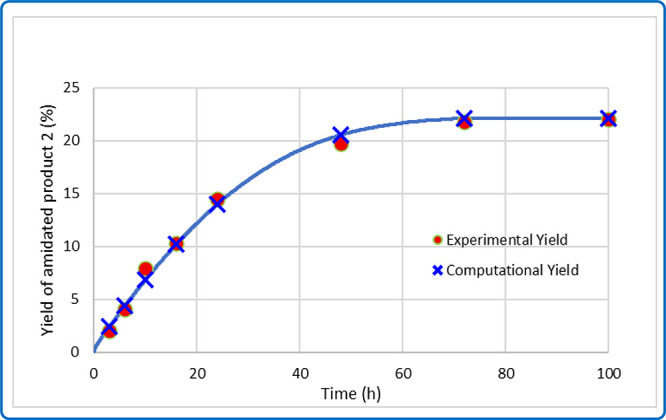 Figure 1
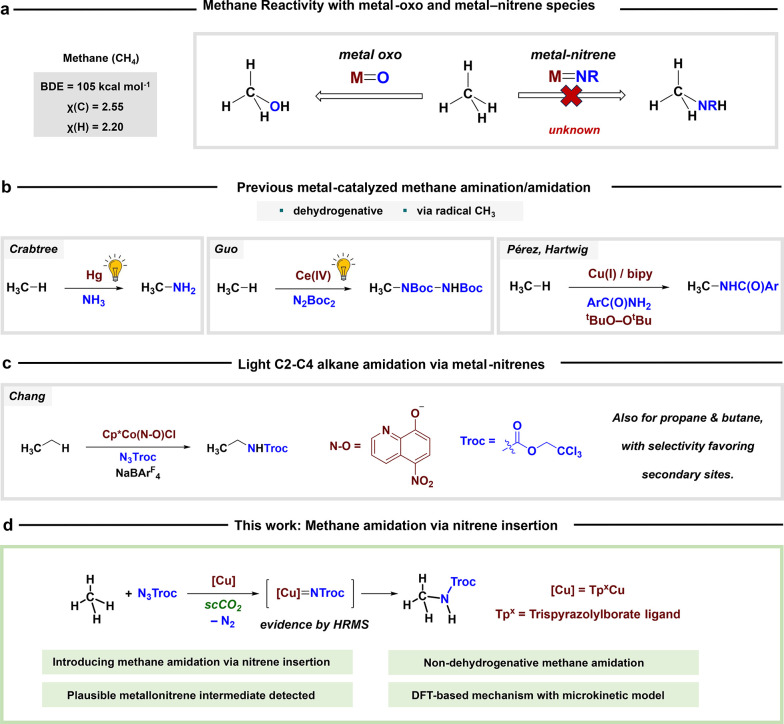 Figure 2
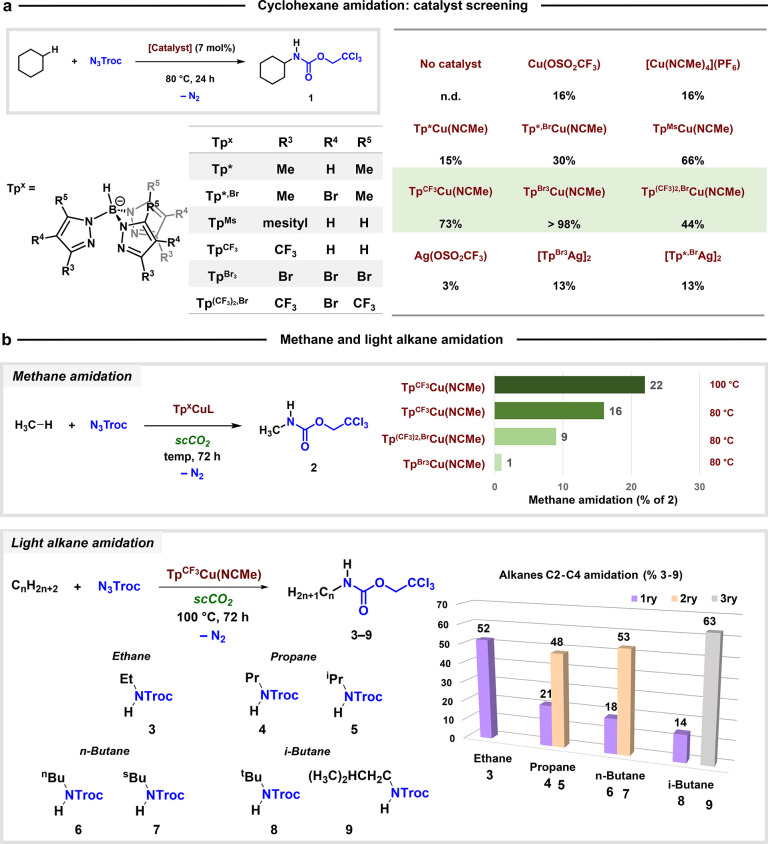 Figure 3
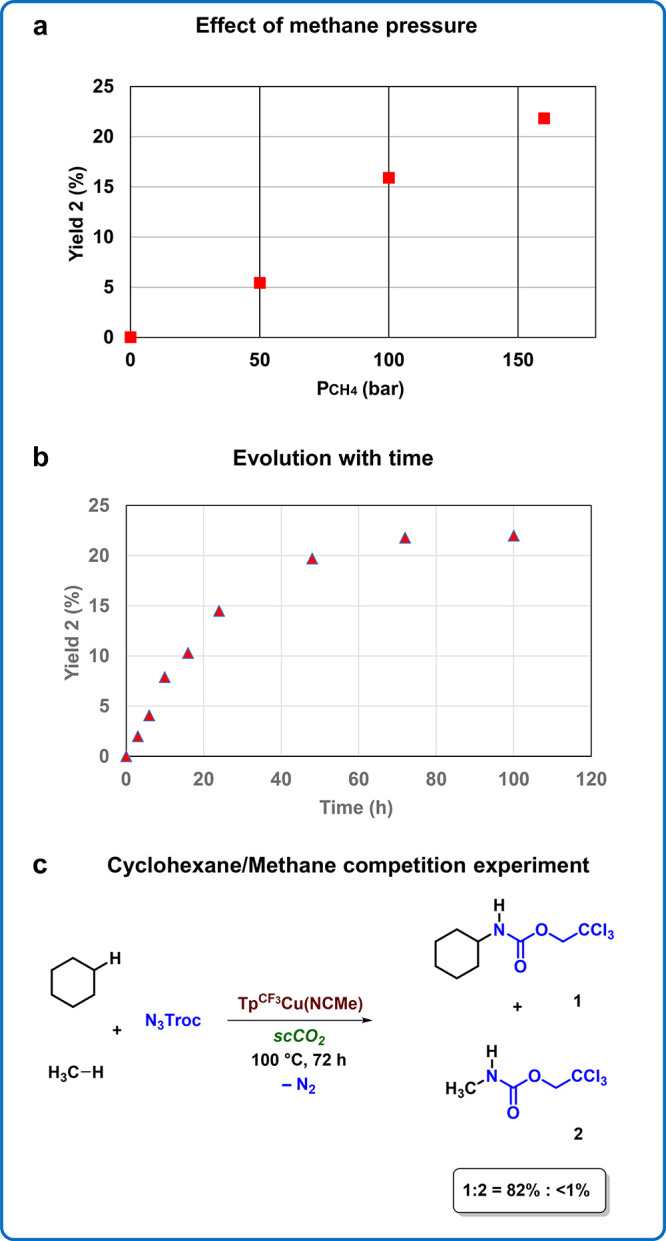 Figure 4
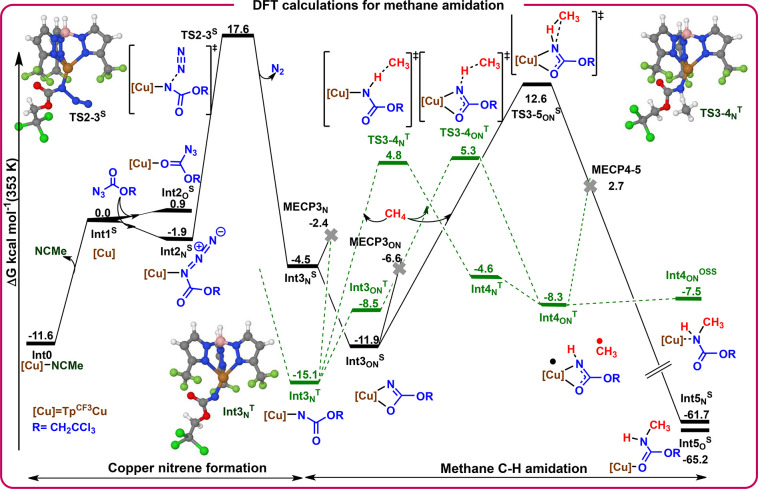 Figure 5
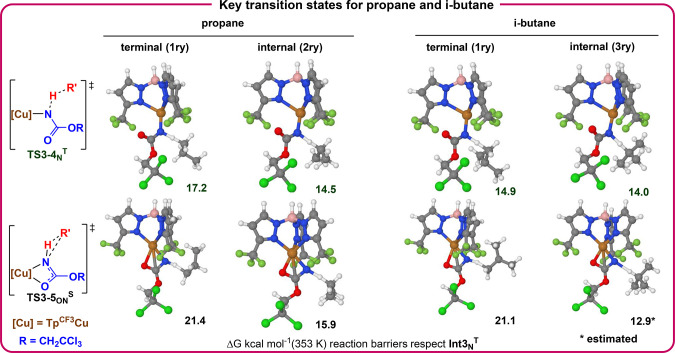 Figure 6
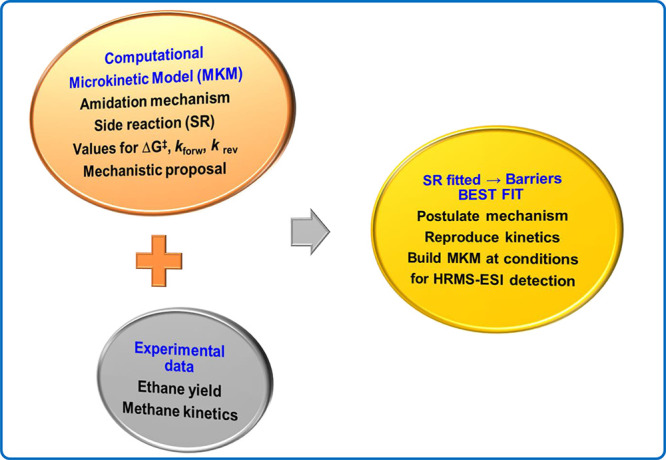 Figure 7
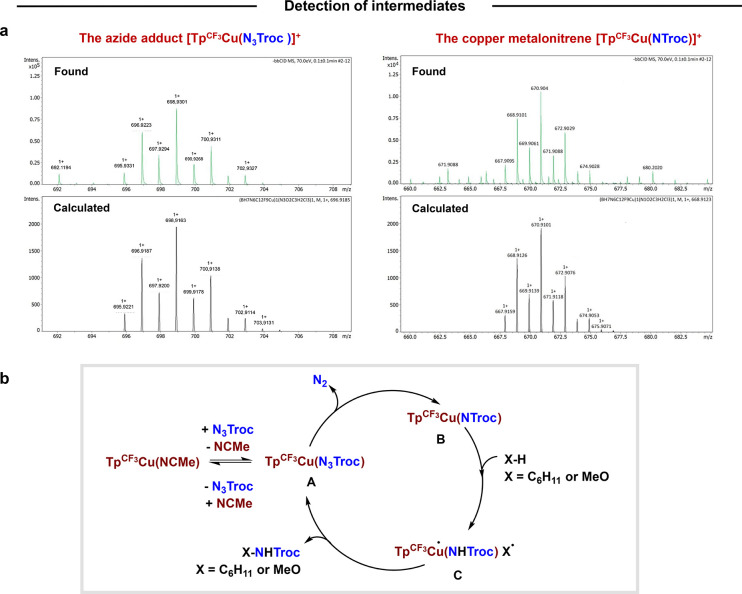 Figure 8
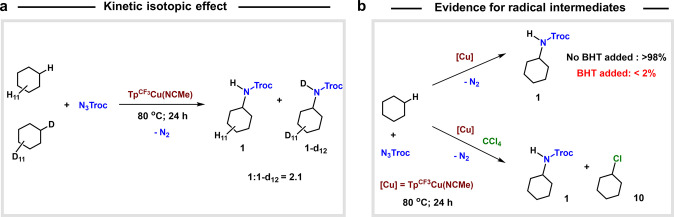 Figure 9
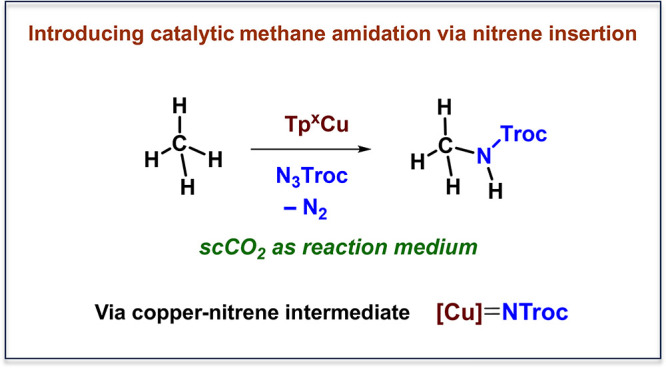 Figure 10
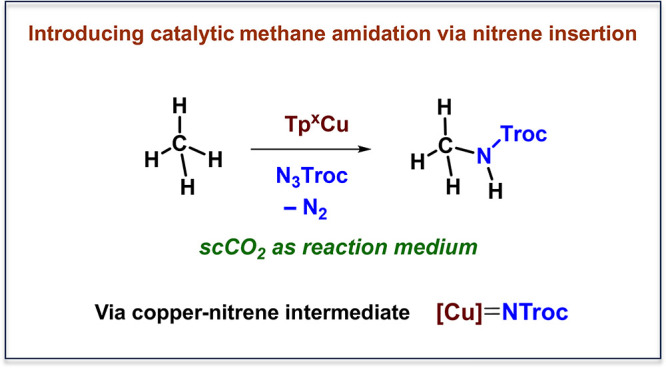 Figure 11
Peer Reviews
No public reviews on file for this paper yet. If you reviewed it on a platform where reviews are public (OpenReview, ICLR, NeurIPS, ICML), you can paste yours below so the community can read it here.
Videos
No videos yet. Explain this paper in a talk, walkthrough, or lecture? Add one.
Taxonomy
TopicsSynthesis and Catalytic Reactions · Catalytic C–H Functionalization Methods · Asymmetric Hydrogenation and Catalysis